Meaning
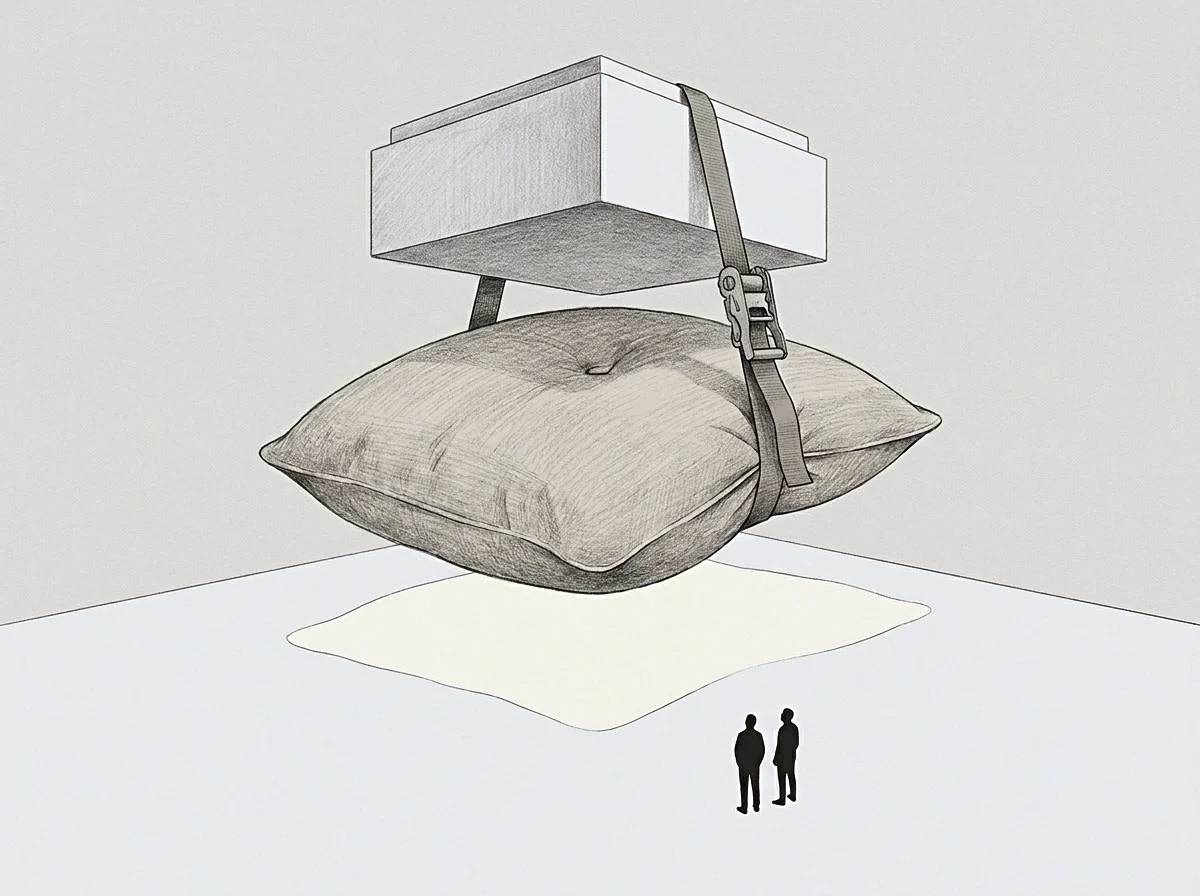
Independent physiological stabilization occurs when a founder delegates the maintenance of operational homeostatic baselines to external actors or automated systems. Distributed regulation describes the transfer of self-governance demands to a wider network to reduce the individual metabolic tax of vigilance. The mechanism operates through the delegation of monitoring tasks to peripheral agents who return signals only when thresholds deviate from the expected range.
Network Architecture
Collective oversight shifts the burden of continuous alertness away from the primary operator. Each node within this structure receives a specific set of operational boundaries to maintain without central input. Efficiency increases as the cognitive load drops for the founder, though latency in error detection rises proportional to the distance between the signal and the decision maker.
Resource Allocation
Total mental capacity remains a finite supply for every actor in a professional ecosystem. By spreading the requirement for stability across various entities, the cost of attention stays lower than if a single person monitored every fluctuation. Performance suffers when the distribution of duties lacks clear protocol, yet the system gains resilience through the redundancy of multiple regulators.
Boundary Condition
Institutional limits dictate the effectiveness of this arrangement by defining which variables allow for offloading and which require personal intervention. Direct control persists for high-variance decisions that carry systemic risk. Externalizing these specific functions fails to eliminate the ultimate liability held by the primary, meaning distributed regulation creates a new form of management dependency.