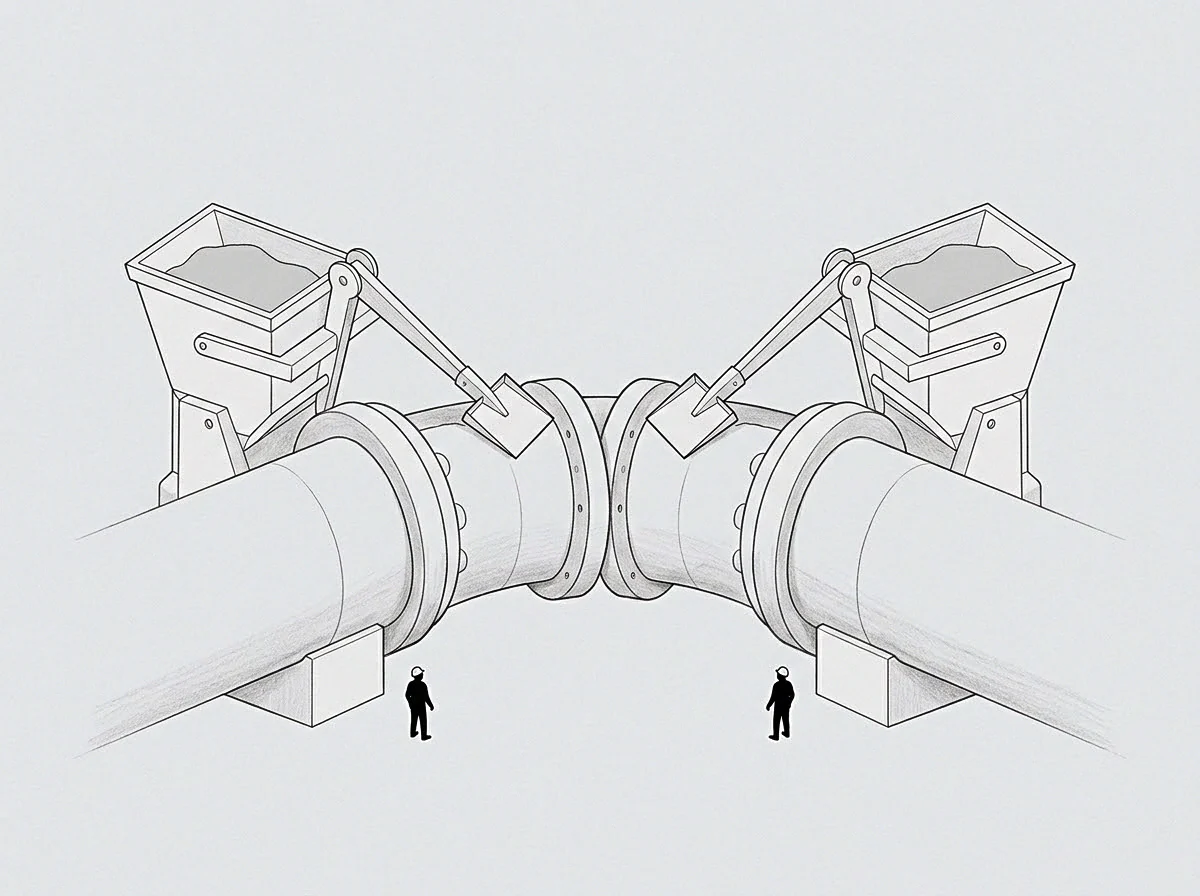
Meaning
Corporate designs that insert intermediary departments or legal entities between the core team and regulatory bodies insulate founders from direct friction. Through structural buffering, organizations protect the product team from the constant pressure of compliance updates. This separation keeps developers focused on building value while compliance specialists handle policy shifts.
Organizational Shield
Appointing a dedicated liaison officer ensures that day-to-day inquiries do not disrupt the executive suite. In this configuration, structural buffering routes all external requests through a single filtered channel. This shield prevents regulators from contacting engineers directly, reducing operational distractions.
Financial Drag
Maintaining specialized compliance divisions increases the monthly run-rate of the business. Establishing structural buffering requires salaries for regulatory experts who do not contribute directly to product development. This administrative cost can be difficult for early stage startups to sustain over long periods.
However, the investment prevents costly fines and reduces the cognitive load on the founding team during audits.
Operational Bound
Direct interactions are still required when major regulatory shifts demand fundamental changes to the business model. No amount of buffering can protect the core product when the law makes it obsolete. At this stage, founders must step in to pivot the company.