Meaning
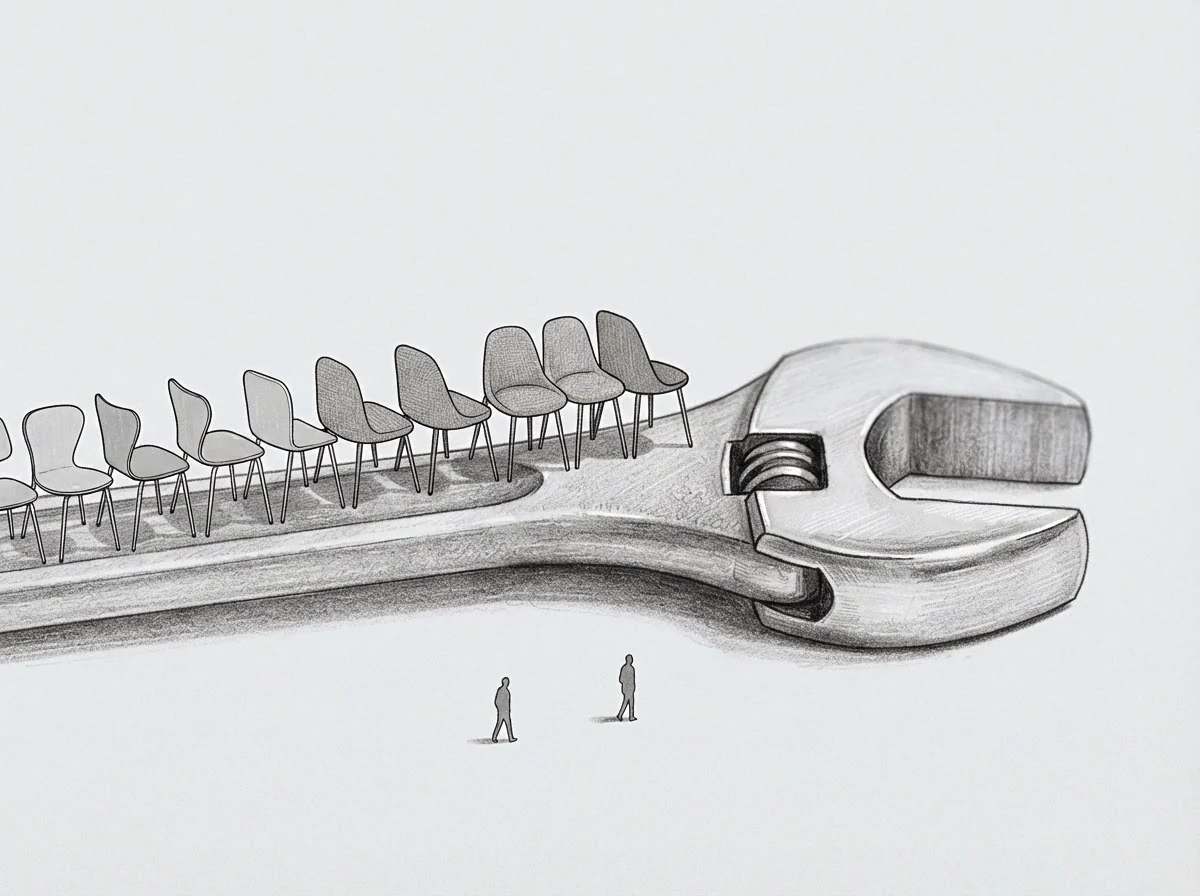
A physical state of a system is reached when the demands placed on its core architecture exceed its carrying capacity, leading to localized failures. In the context of startup founders, structural overload applies to the mental and physiological networks that sustain high performance. When these networks are pushed beyond their design limits, the risk of systemic collapse rises exponentially.
System Strain
The brain’s networks experience a decline in processing speed and memory retention when subjected to continuous complex inputs without rest. This structural overload alters the physical wiring of the prefrontal cortex.
Operational Degradation
Decision making capacity begins to drop as the system attempts to protect itself by shedding low-priority tasks, making errors in judgment, and struggling with emotional regulation. This protective throttling means the founder can no longer process multi-variable decisions or maintain the attention required to lead a growing company. If the pressure is not relieved, the cognitive network will continue to shed function, leading to a profound and long lasting burnout that cannot be resolved by a simple weekend off.
Recovery Limit
Preventing permanent damage requires a structural rebuild of the founder’s schedule, responsibilities, and support systems. This rebuild must focus on reducing the total volume of decisions required each day. The system must be allowed to run at a lower capacity until the damaged neural and physiological networks have fully repaired.