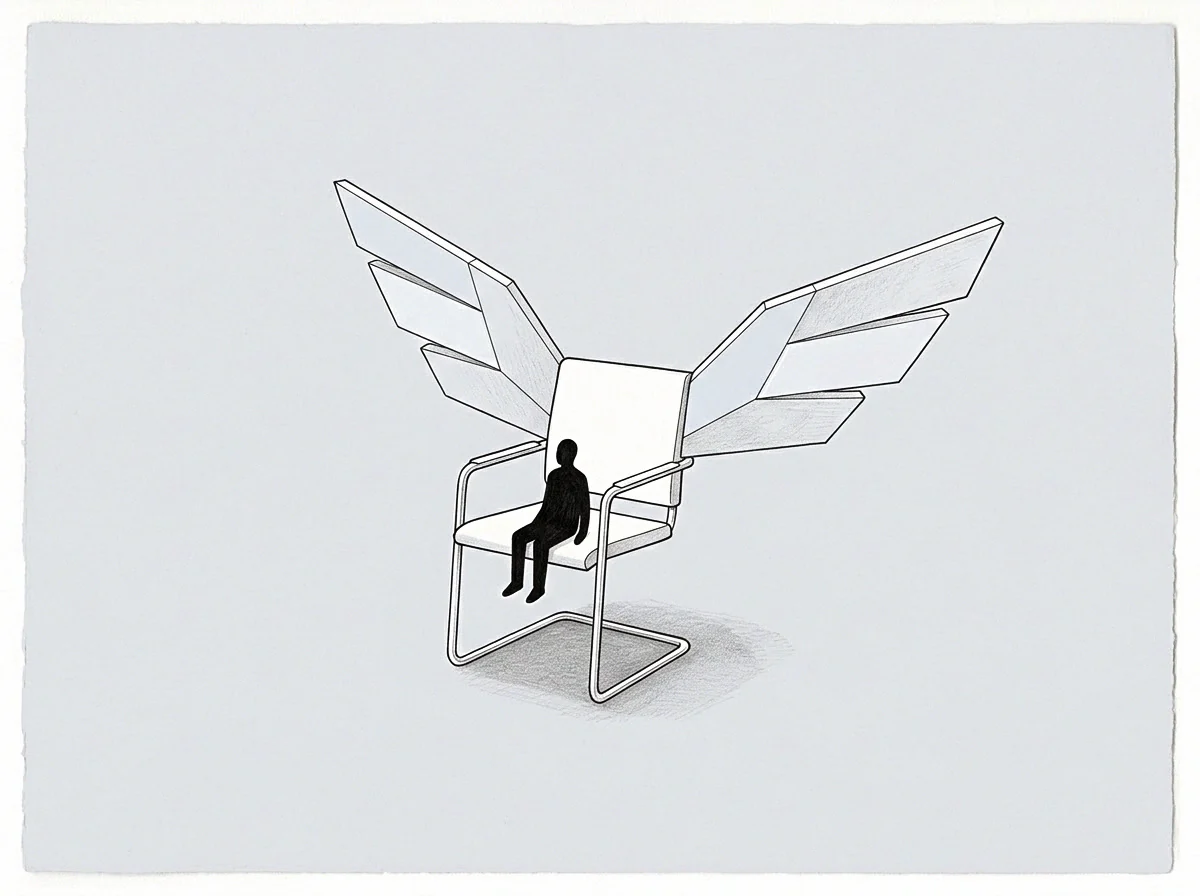
Meaning
Chronic overactivity of the sympathetic nervous system results in a persistent state of fight or flight that prevents physical and mental recovery. This sympathetic hypertonicity is a common condition among individuals who face continuous high stakes pressure. It is characterized by an elevated heart rate, increased muscle tension and a constant state of hypervigilance.
The body loses its ability to transition into the parasympathetic rest and digest state.
Physiological Strain
Prolonged activation of the stress response wears down the cardiovascular and metabolic systems. In a state of sympathetic hypertonicity, the person remains braced for a crisis even during periods of relative calm. This leads to a depletion of energy reserves and a reduction in cognitive flexibility.
Behavioral Indicators
Difficulty in sleeping and an inability to disconnect from work tasks are typical signs of this condition. The person may become irritable or experience a narrowed focus that excludes long term consequences. This state makes the person less effective at collaborative or creative work.
Resolution Boundary
Reversing this condition requires a significant and sustained period of withdrawal from the triggering environment. If left unaddressed, the chronic tension leads to physical breakdown or total burnout. The system requires a forced reset to restore the balance between arousal and rest.