Meaning
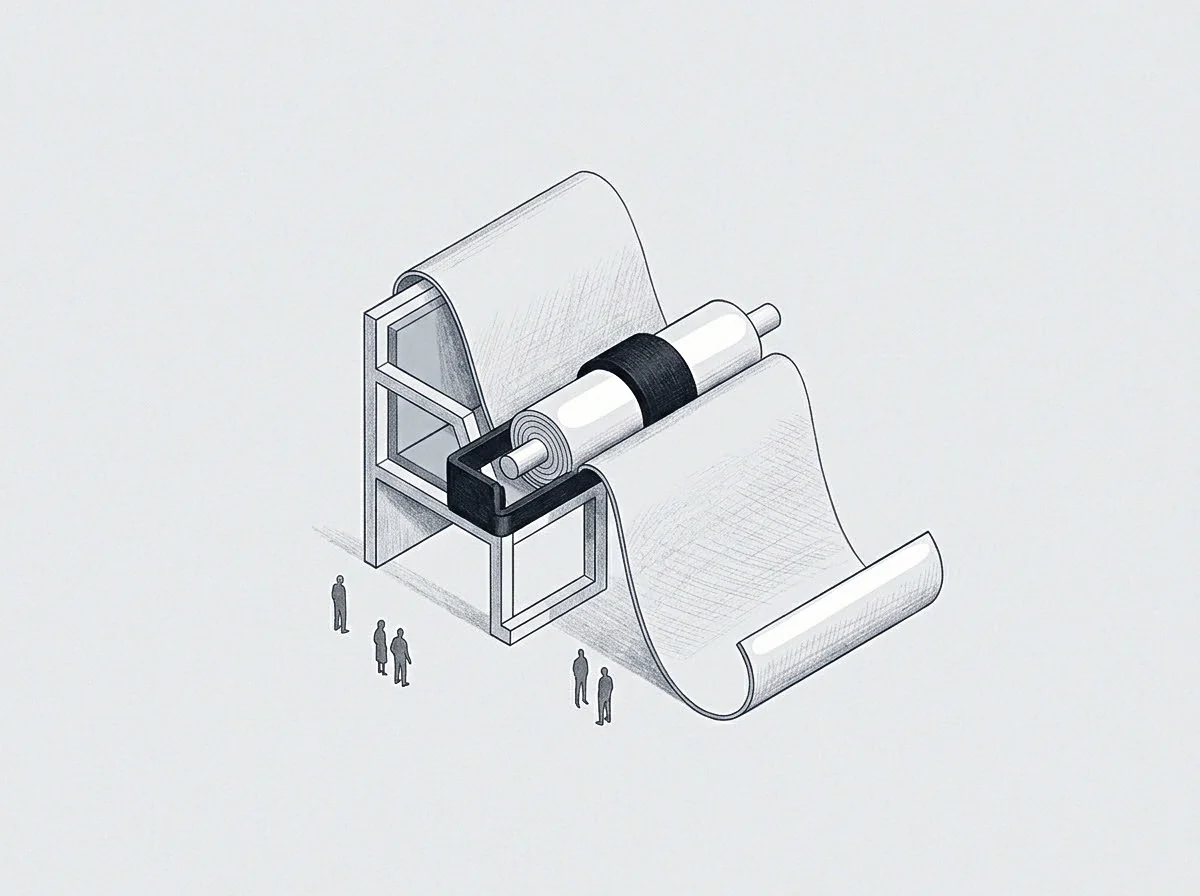
Observability instruments that encapsulate a software component or business process to capture performance data provide the necessary visibility for informed management. A telemetry wrapper acts as a sensor layer that reports on the health, speed, and error rates of the underlying system without altering its core logic. It governs the transparency of the operation and stops applying when the system is no longer being monitored.
Signal Capture
Gathering raw data from the edge of a process allows the founder to see exactly where the bottlenecks are forming. The telemetry wrapper records every interaction and sends the information to a central dashboard for analysis. This provides a factual basis for making decisions about where to invest more resources or where to cut costs.
Overhead Measurement
Running these monitoring tools requires a small but consistent portion of the available computing power or human attention. This cost of a telemetry wrapper is the price paid for knowing the truth about the performance of the company. If the wrapper is too heavy, it can actually slow down the very process it is trying to measure, creating a distorted view of reality.
The challenge lies in capturing enough signal to be useful without introducing so much noise or delay that the data becomes worthless. Leaders must constantly tune their sensors to ensure they are watching the right metrics at the right resolution.
Boundary Interface
Defining where the monitoring starts and stops ensures that the data is clean and relevant to the specific problem being solved. A clear boundary prevents the collection of extraneous information that would only serve to distract the team from the primary goals.