Meaning
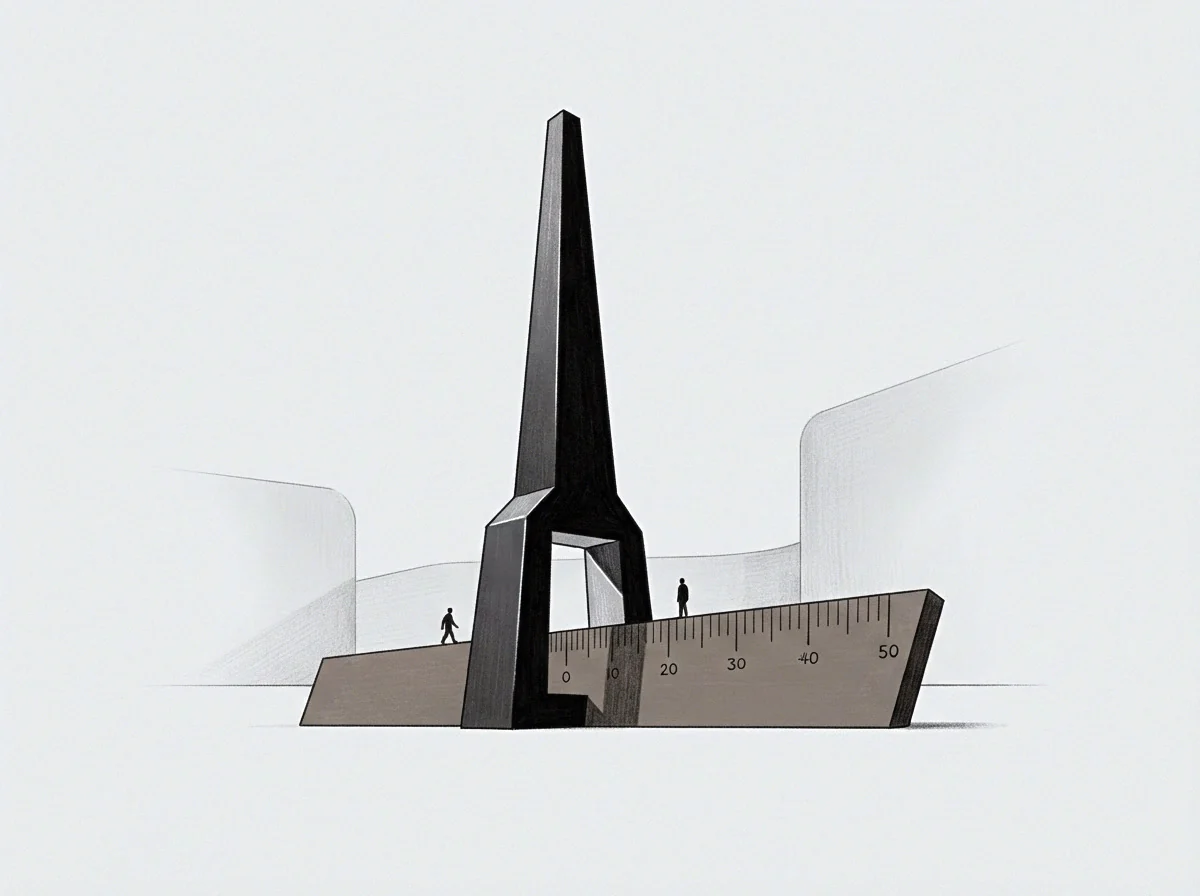
The cognitive state in which an individual’s planning and decision-making focus shrinks to immediate survival is a common reaction to chronic crisis. When experiencing temporal horizon compression, the founder loses the ability to evaluate long-term consequences, focusing entirely on the next hour, day, or week. This narrowing of vision is a natural defense mechanism that prioritizes urgent problems but leaves the company vulnerable to long-term risks.
Planning Shrinkage
High-stress environments force the brain to redirect its energy to immediate threats. This physiological shift impairs the executive functions responsible for projection and scenario analysis. As a result, the leader’s planning horizon becomes extremely short.
Strategic Cost
Neglecting long-term goals leads to missed opportunities and misaligned resources. The company may solve the crisis of the day but fail to build the foundations needed for future growth. This short-sightedness often creates a cycle of constant fire-fighting as unresolved issues accumulate.
Recovery Method
Reversing this state requires stepping away from the flow of real-time alerts. By delegating daily operations to trusted colleagues and spending time in distraction-free environments, the founder can slowly rebuild their long-term perspective. This recovery allows the leader to return to the strategic planning that the business needs.