Meaning
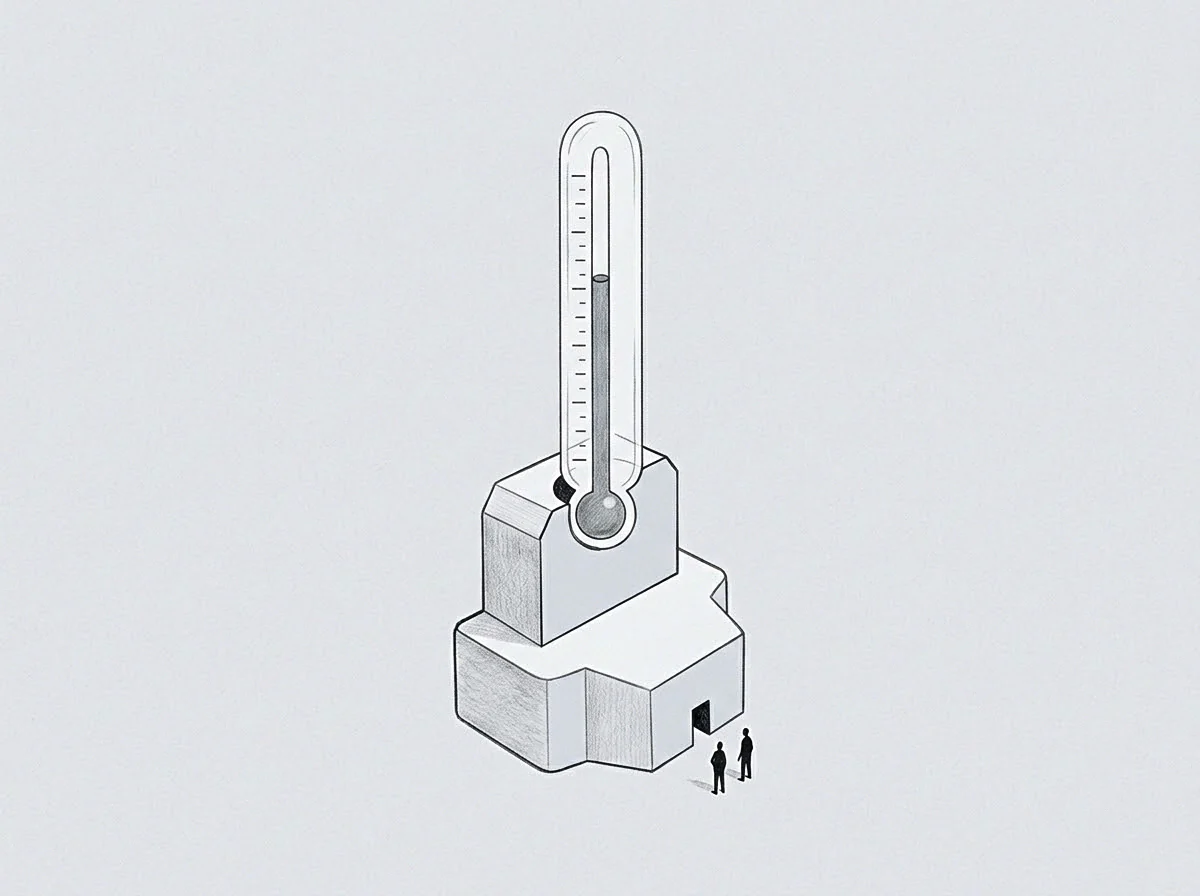
Neural processing of environmental cues identifies potential risks to safety or performance before conscious awareness occurs. In high-pressure roles, threat assessment determines whether the brain perceives a business challenge as a manageable task or an existential crisis.
Cognitive Bias
Chronic stress alters the way the brain evaluates daily occurrences, making it more likely to interpret ambiguous events as negative. When this distorted threat assessment becomes the default mode, routine operational challenges are treated as severe emergencies, leading to unnecessary panic. This bias drains mental energy and causes friction within teams.
Neural Pathway
Evaluating these cues involves a complex interaction between the amygdala and the prefrontal cortex. The amygdala initiates a rapid response to perceived danger, while the prefrontal cortex performs a more deliberate threat assessment to confirm if the alarm is justified. If the brain is fatigued, the regulatory signals from the prefrontal cortex weaken, allowing the amygdala to dominate the stress response and keep the body in a state of high alert.
This failure to modulate the alarm response leads to continuous sympathetic activation.
Response Mitigation
Training the brain to maintain an accurate evaluation of risk requires consistent mindfulness practice and cognitive reframing. Strengthening the connection between the prefrontal cortex and the amygdala improves threat assessment accuracy, ensuring that the body only triggers the stress response when a genuine crisis occurs.