Meaning
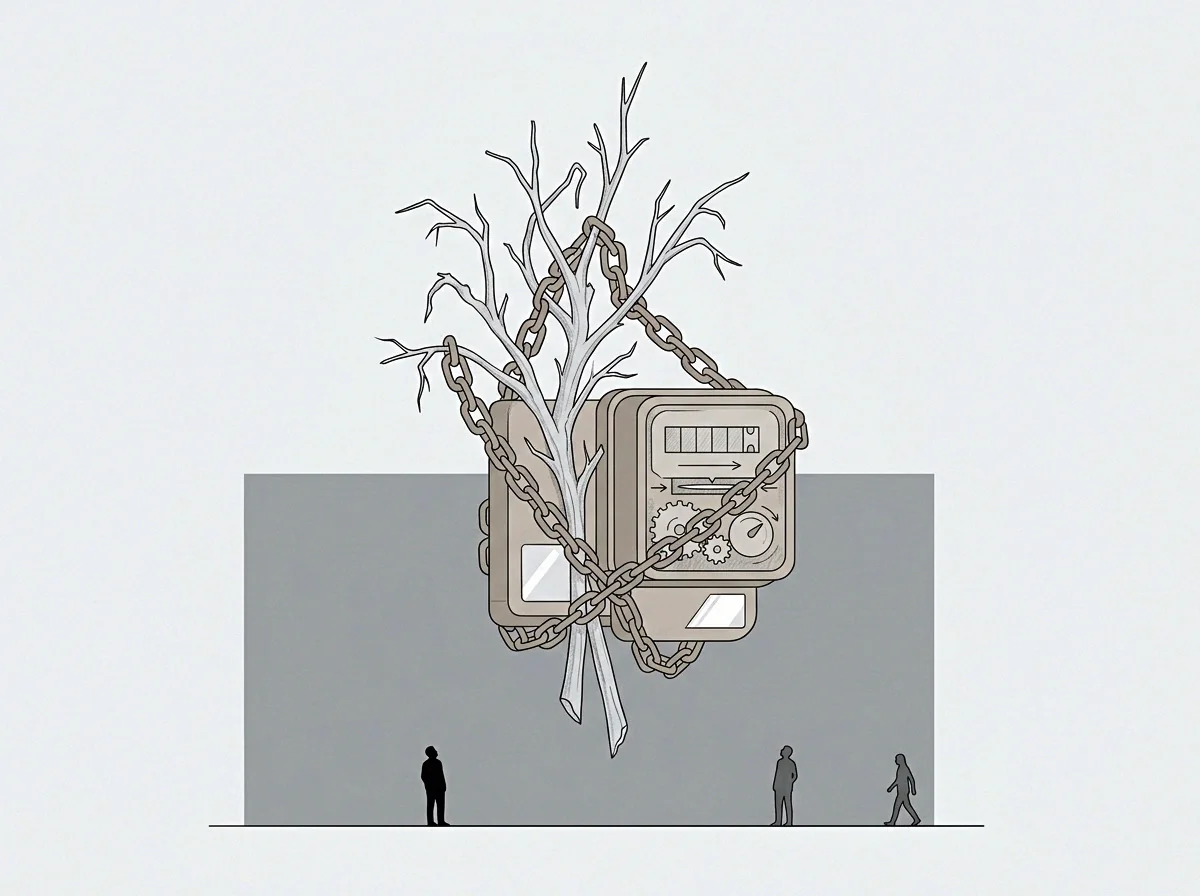
Physiological activation adjustment describes the internal management of autonomic arousal states triggered by the high-stakes environment of post-founding operations. Through threat regulation, an individual calibrates the nervous system to prevent chronic hypervigilance from degrading executive decision capacity. This mechanism operates by identifying external stressors and applying internal constraints to mitigate the somatic impact of perceived instability.
The boundary of this function ends where psychological fatigue becomes permanent physiological impairment.
Biological Mechanism
Neural feedback loops monitor environmental data to calibrate the intensity of the fight or flight response. Threat regulation adjusts the latency between stimulus reception and the resulting hormonal release. By decoupling the necessity for immediate reaction from the actual danger level, the process preserves finite metabolic energy for long-term endurance.
Failure to calibrate these loops leads to high-frequency resource depletion and eventual system collapse.
Cognitive Allocation
Mental capacity functions as a fixed asset during the post-founding transition phase. Sustaining threat regulation consumes high levels of focus, effectively reducing the bandwidth available for analytical tasks or strategic planning. Individuals who prioritize this calibration avoid the sharp decline in task performance that accompanies persistent alarm states.
Efficient management of this cost allows for the maintenance of stable operations despite erratic market signals.
Operational Boundary
Allostatic load defines the maximum threshold for effective calibration within the body. When threat regulation occurs outside these limits, the physical system undergoes damage through sustained cortisol and adrenaline production. Constant monitoring provides the necessary signals to adjust output before the nervous system reaches the point of irreversible exhaustion.
Optimal function rests on the ability to distinguish between acute external hazards and chronic internal patterns of over-reaction.