Meaning
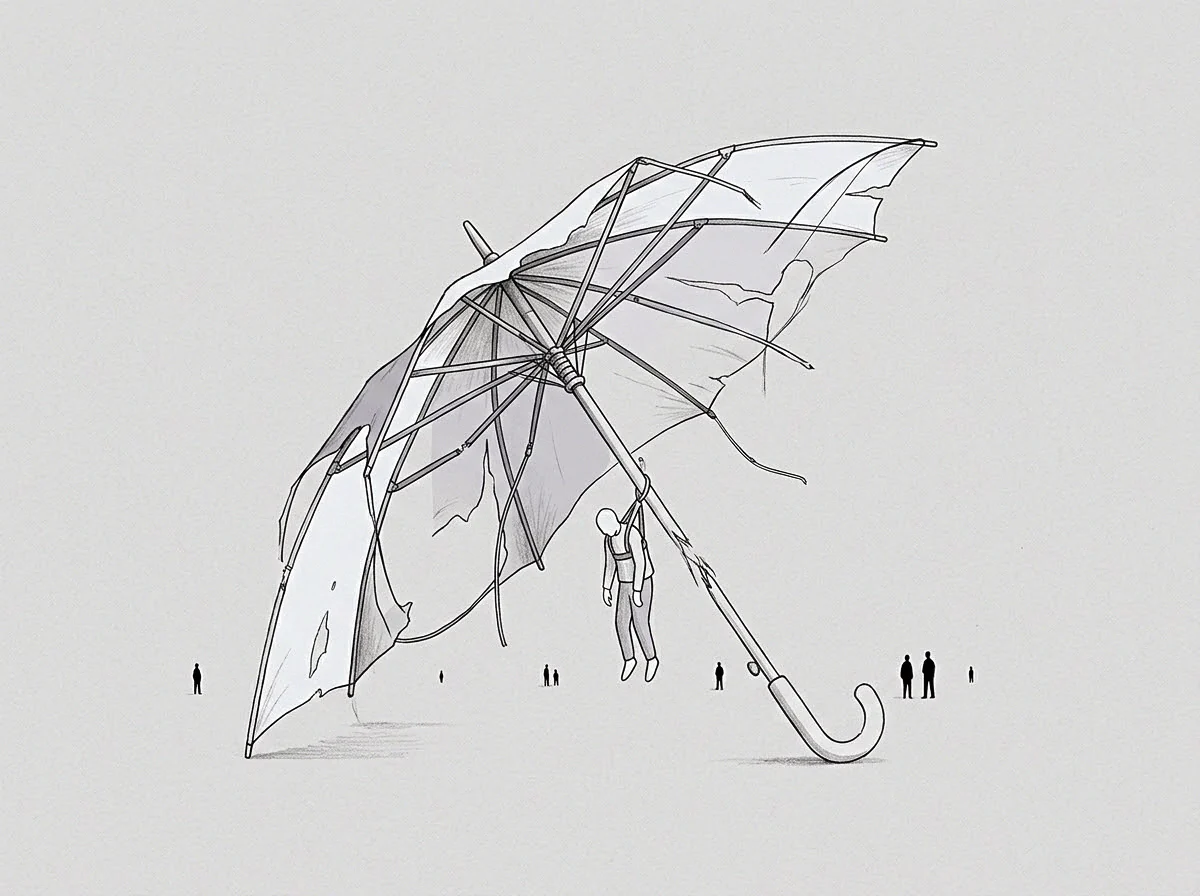
Points at which an individual can no longer maintain regulatory control over their responses to pressure or demand mark a state of total functional saturation. Threshold exhaustion occurs when the cumulative load of years of founder stress exceeds the capacity for self regulation and recovery. At this stage, the normal mechanisms for managing stress are no longer operational, leading to a visible decline in performance and health.
Regulatory Collapse
The failure of internal control systems results in an inability to modulate emotional or physical reactions. When threshold exhaustion is reached, even a minor increase in demand can trigger a complete withdrawal or a serious health event. The cost is a sudden and total loss of the ability to lead or participate in professional activities.
Recovery from this state requires a fundamental rebuilding of capacity over a long duration.
Capacity Failure
Shutdown of the system prevents permanent damage to the organism. Because threshold exhaustion is a systemic failure, the individual loses the ability to perform complex cognitive tasks or handle interpersonal conflict. The cost is measured in the months of inactivity required to restore a basic level of function.
This state represents the absolute boundary of the previous mode of operation.
Systemic Reset
Rebuilding after a complete collapse requires a total change in lifestyle and operational methods. Stability is found only in a new system that respects the lowered limits of the individual.