Meaning
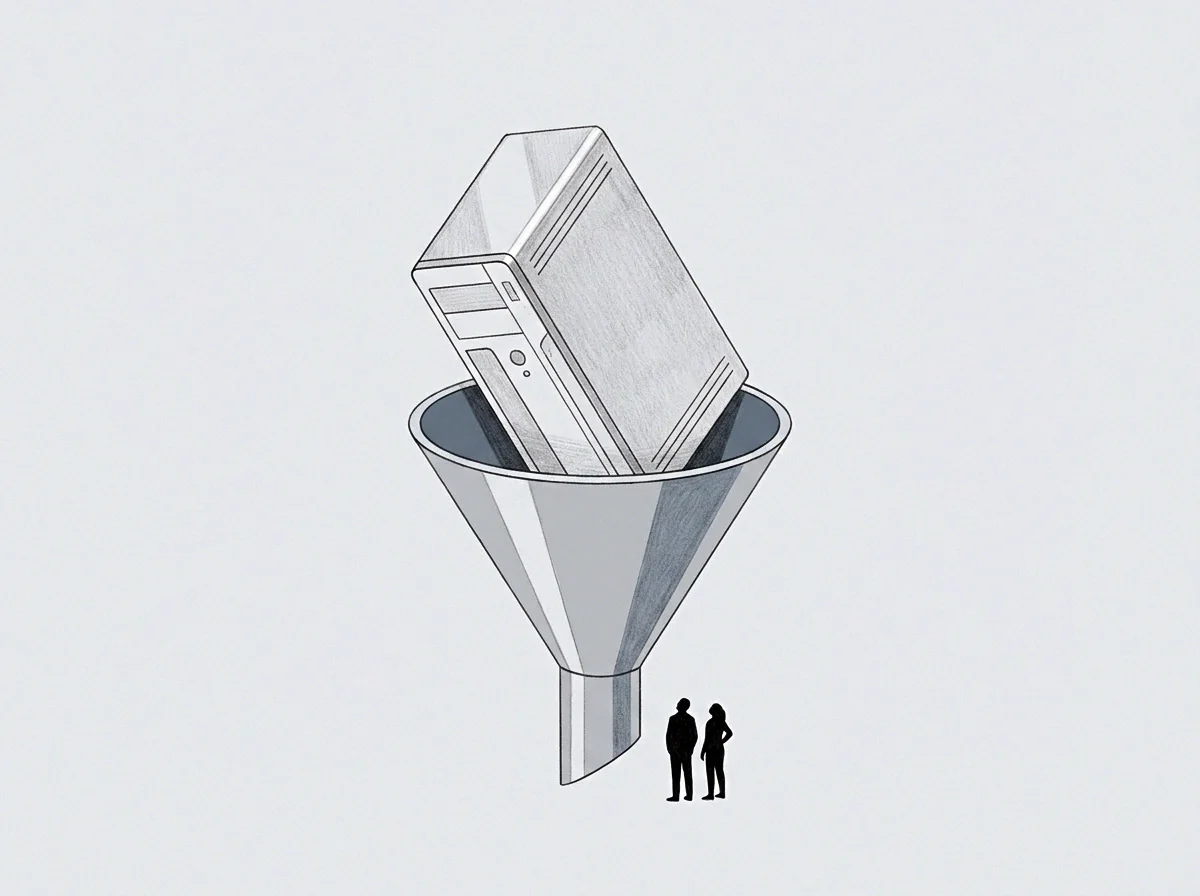
Defined structural containment around an organization’s core operations isolates existential threats from day-to-day administrative functions. Establishing an emergency perimeter allows a leadership group to manage high-severity crises while preventing panic from destabilizing unaffected operational departments. The mechanism ceases to apply once the external hazard is neutralized or absorbed into standard operating procedures.
Containment Geometry
Physical and informational barriers are erected around the specific zone of operational disruption to restrict contagion. Deploying an emergency perimeter restricts crisis communications to an authorized response unit, preventing speculative communication from diluting corporate focus. Normal operational units continue standard execution trajectories without absorbing the ambient volatility of the critical incident.
This separation preserves baseline revenue-generating activities while the dedicated incident group works through remediation steps.
Activation Expenditure
Operating within high-containment protocols draws heavily on reserve executive capital and diverts key personnel from expansion initiatives. Sustaining an emergency perimeter requires round-the-clock coordination, rapid risk modeling, and continuous legal evaluation. The acute focus demanded by perimeter containment inevitably slows secondary product roadmaps and exhausts response personnel over prolonged activations.
Threshold Boundary
Prolonged containment of an unresolvable structural failure converts temporary defensive posturing into systemic organizational paralysis. An emergency perimeter cannot serve as a permanent operating model for fundamental market rejections or structural insolvency. When an existential risk becomes a permanent market condition, containment must yield to complete operational restructuring.