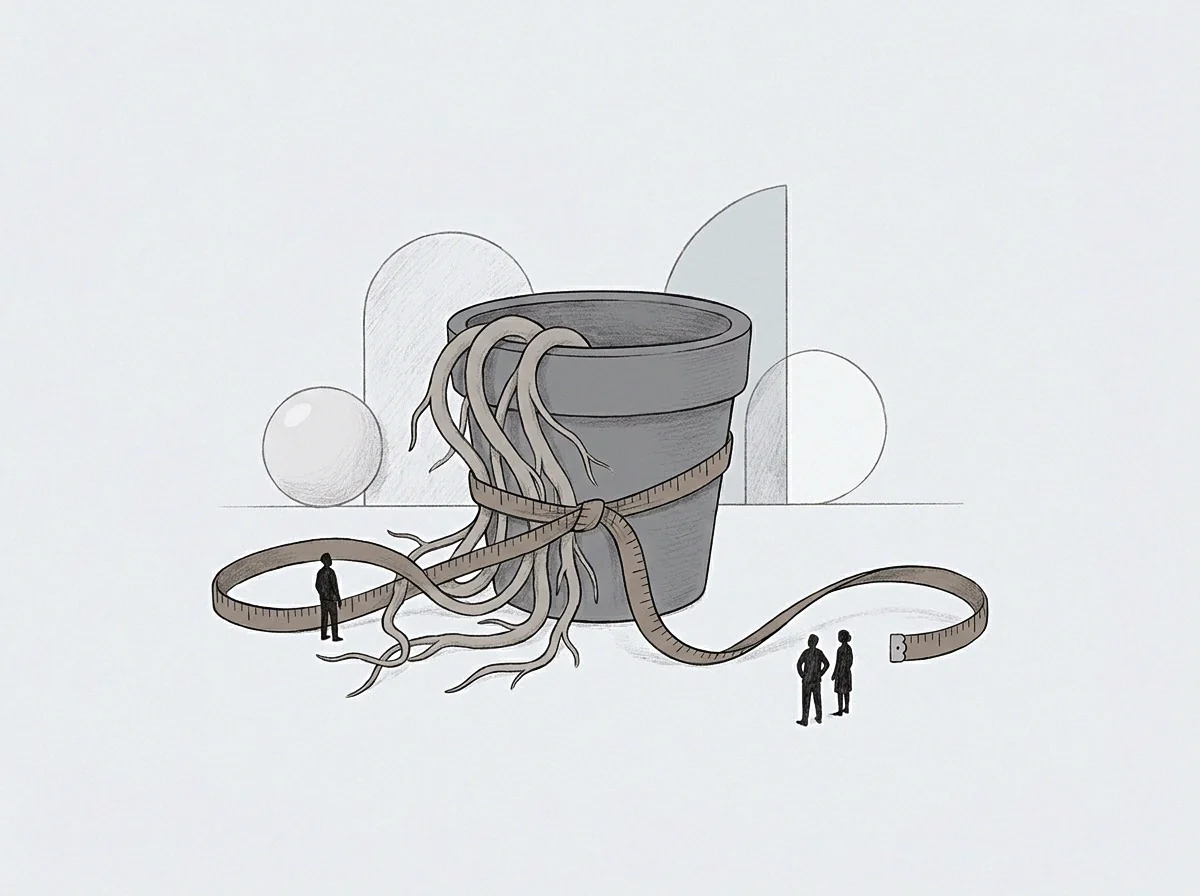
Meaning
The concentration of critical operational or technical information within a small, informal group of long-tenured employees. When tribal knowledge monopolies develop within a growing company, key processes cannot be executed without the participation of specific individuals. This reliance creates a vulnerability where the departure of a single team member can disrupt essential operations.
It limits the scale of the business by preventing the standardization of workflows.
Operational Vulnerability
Important technical details and historic design choices remain undocumented and reside solely in the minds of early hires. These tribal knowledge monopolies make it incredibly difficult to onboard new team members, who must rely on the availability of busy experts to learn their roles. This bottleneck slows down development cycles and increases the risk of operational errors.
It places the entire organization in a vulnerable position where it cannot scale efficiently.
Information Asymmetry
Informal information silos breed inequality and frustration among newer employees who find themselves excluded from critical decision-making contexts. This dynamic undermines trust within the team and hampers collaboration across different departments.
Documentation Remediation
Establishing a culture of continuous documentation and knowledge-sharing helps break down these damaging information silos. By incentivizing senior staff to write guides and record processes, the enterprise ensures that valuable operational insights are preserved and made accessible to everyone. This democratization of information increases organizational agility and builds a more resilient workforce.