Meaning
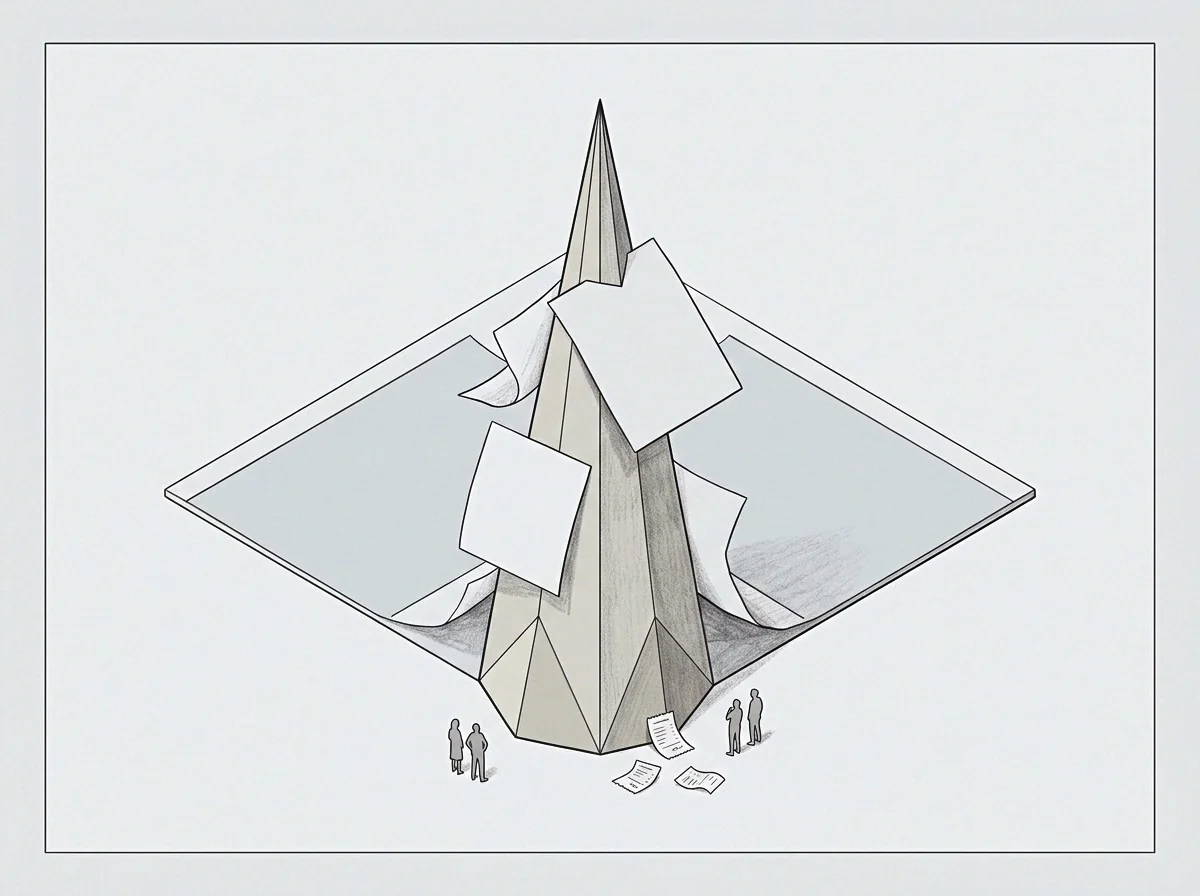
Unilateral buffering represents the solitary maintenance of resource slack within a production cycle to guard against external volatility. Unilateral buffering relies on the founder creating individual reserves of time or capital that remain unlinked to the availability of external partners. This mechanism prevents a breakdown in operation when secondary agents fail to provide expected inputs or throughput at the requested speed.
It functions by internalizing the risk of delay rather than passing that risk through the chain of supply.
Systemic Drag
The constant demand for liquid capacity creates a tax on the core velocity of the venture. Every hour set aside to manage these reserves subtracts from the focus applied to primary product development. Capital locked in this posture cannot move toward growth initiatives or market expansion.
Such inertia occurs because the organization prioritizes survival through redundancy over the aggressive deployment of its remaining assets.
Regulatory Scope
The constraint operates as a direct trade between the desire for control and the expenditure of available capacity. By holding a buffer alone, the agent dictates the precise volume of safety without needing to negotiate with outside parties or align with third-party service agreements. This mode of self-regulation removes the requirement for coordination but imposes the full cost of maintenance on the individual.
The boundary of this practice ends where the cost of maintaining the reserve exceeds the loss incurred by a potential disruption.
Structural Outcome
High levels of localized slack create an environment where the venture absorbs shocks without slowing its output. When external entities fluctuate in their own performance, the pre-existing surplus within the internal system hides the gap. This state permits a continuity of service that is entirely independent of external performance metrics.
Stable output exists as an artifact of the resources the founder intentionally withheld from the market.