Meaning
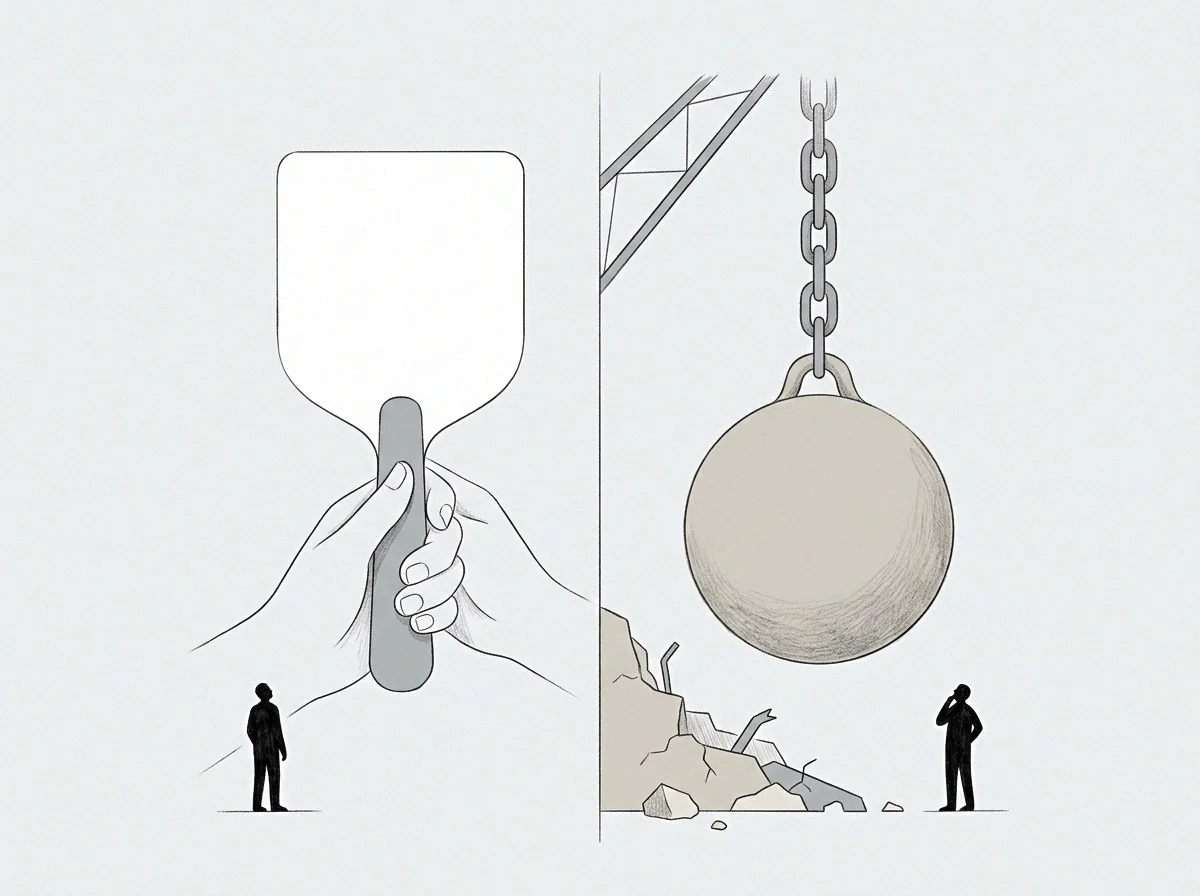
Hidden behavioral standards reconfigure the obligations of a role by adding demands that were never part of the formal agreement. These unstated terms often include expectations of round-the-clock availability and the assumption of risks that were not part of the initial negotiation. They function as a shadow contract that the operator must fulfill to maintain their standing.
Implicit Requirement
Success in the role often depends more on meeting these silent expectations than on fulfilling the written job description. Failure to adhere to unstated terms can result in a loss of trust or a withdrawal of support from investors and partners. This creates a pressure to constantly guess what the other party expects without having a clear rubric for success.
Social Debt
The accumulation of these expectations creates a burden that is difficult to quantify but easy to feel. Because unstated terms are not recorded, they cannot be formally negotiated or traded away, leading to a permanent expansion of the founder’s responsibilities. The individual may find themselves providing emotional support to stakeholders or managing personal conflicts that have no bearing on the business goals.
This labor consumes attention and energy that are not accounted for in any budget or schedule. The final result is a persistent feeling of failing to meet a standard that has never been defined.
Performance Limit
Eventually, the weight of these hidden demands makes it impossible to satisfy the core requirements of the role. At this boundary, the founder must begin to name and negotiate these unstated terms to survive.