Meaning
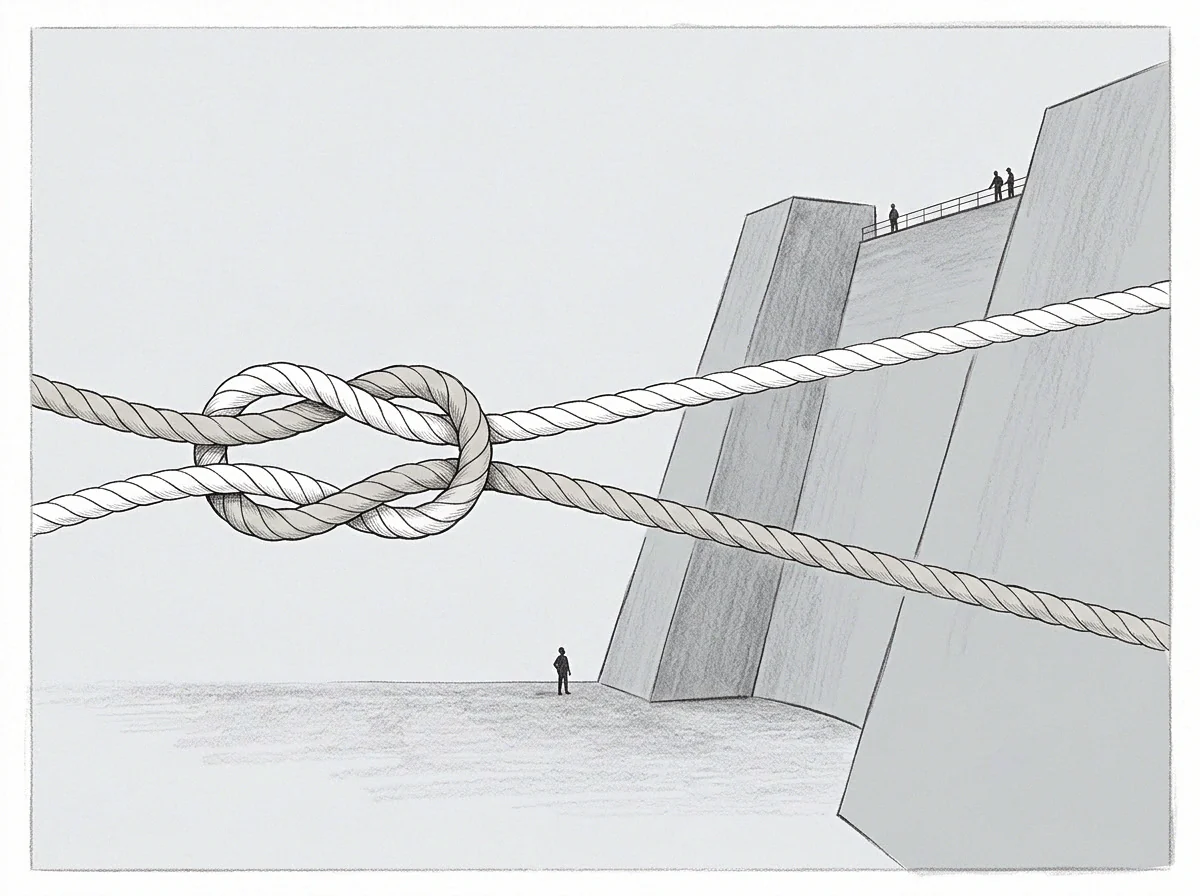
Neurobiological over-activation sustains an intense state of threat anticipation long after direct operational hazards have subsided. In organizational leadership, vigilance hyper-arousal describes a chronic physiological condition where the nervous system treats routine administrative variability as an existential threat to enterprise survival. This state alters cognitive threat-processing systems, keeping an individual locked in fight-or-flight readiness.
The condition invalidates ordinary baseline assumptions about operational safety. It terminates when nervous exhaustion causes physical collapse or when deliberate clinical intervention resets somatic equilibrium.
Physiological Entrainment
Chronic structural uncertainty keeps an executive in a continuous state of neuroendocrine activation. Sustained over long periods, vigilance hyper-arousal dysregulates normal cortisol and adrenaline rhythms, making true cognitive rest impossible even during operational downtime. Every notification, message or unannounced calendar shift triggers acute autonomic spikes.
The affected individual loses the capacity to distinguish trivial operational issues from major legal or solvency emergencies. The nervous system remains permanently deployed on an emergency footing.
Executive Attrition
Sustained biological mobilization exacts a devastating toll on intellectual and analytical performance. Hyper-arousal degrades sleep architectures, impairing working memory, emotional regulation and high-level decision-making capacity. Leaders trapped in this condition jump to catastrophic conclusions, creating organizational panic over minor setbacks.
The personal cost shows up as deep somatic fatigue combined with persistent insomnia. Working hours expand as the executive monitors internal operations obsessively.
Somatic Decompensation
Continuous systemic over-activation inevitably ends in physiological collapse if left unchecked. The human organism cannot sustain indefinite emergency readiness without experiencing structural damage to cardiovascular, metabolic and cognitive networks. Once vigilance hyper-arousal triggers burn-out, executive capacity drops precipitously.
The leader becomes entirely incapable of processing incoming information or making balanced risk determinations. Restoring baseline physiological stability requires absolute disengagement from organizational responsibilities.