Meaning
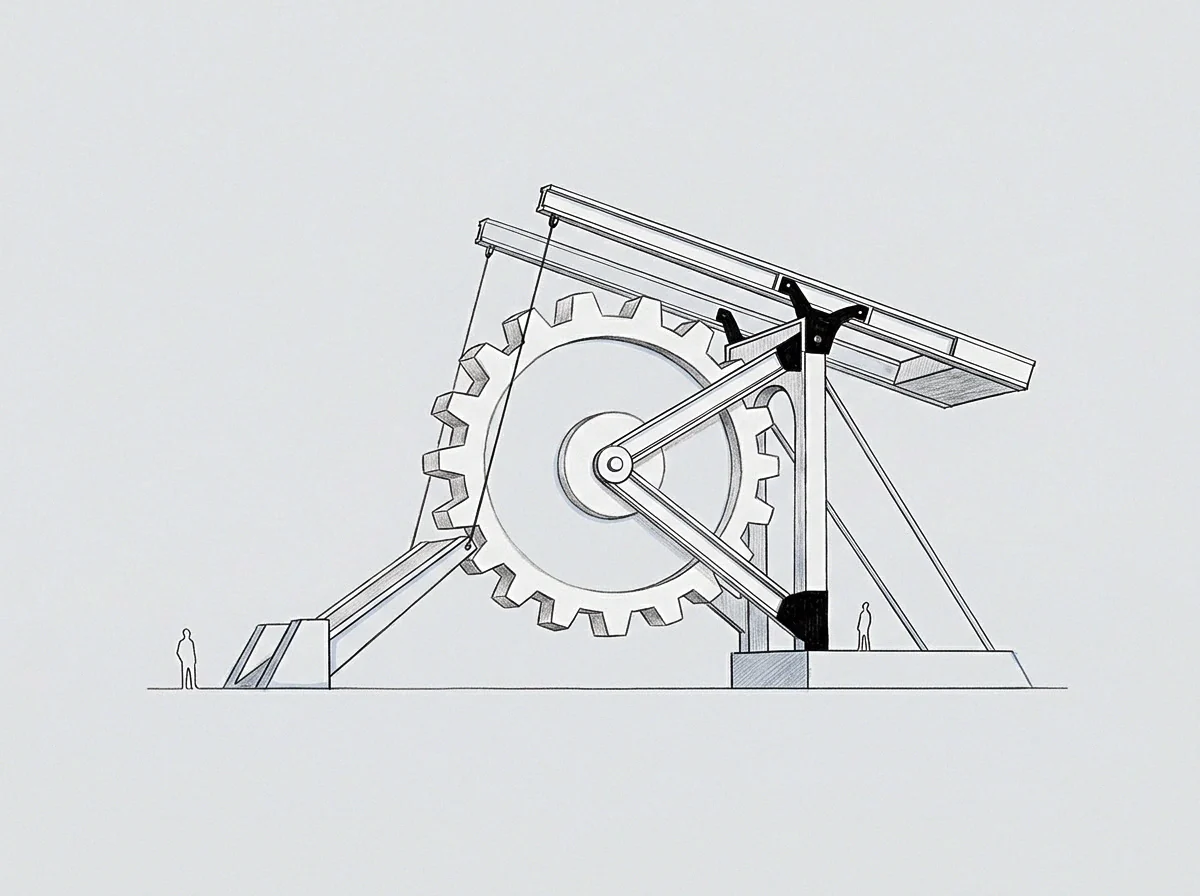
Physiological capacity management functions by placing hard boundaries on the cognitive output of an individual during periods of sustained organizational demand. This form of state throttling prevents the degradation of decision quality that occurs when the system exceeds its baseline processing limits. The mechanism acts as an internal circuit breaker that reduces the intensity of active tasks to preserve long term operational stability.
Such limitations are inherent to the hardware of the human operator rather than a lack of dedication or technical skill.
Regulation Efficiency
Periodic reduction of output frequency keeps the core functions of a leader from collapsing under the weight of excessive concurrent pressures. Lowering the rate of response during high load intervals allows the biological system to recover necessary resources for subsequent cycles. This mode of operation avoids the total system failure that results from constant peak performance.
A person recognizes the need for this adjustment when the time required to complete simple tasks increases without a change in the complexity of those tasks.
Capacity Allocation
Resource distribution shifts when the system enters a restricted mode to protect the longevity of the operator. Focusing energy on a subset of essential tasks maintains a baseline of productivity while the wider scope of responsibilities waits in a queue. This prioritization prevents the leakage of attention into areas that provide low returns relative to the heavy energy cost.
The operator accepts a temporary decline in volume to secure the ability to perform high consequence functions tomorrow.
System Threshold
Chronic exhaustion alters the trigger point at which the mechanism activates and forces a permanent reduction in the total available capacity. Prolonged periods of forcing the system past its maximum sustainable output result in a downward adjustment of the ceiling. This degradation occurs because the physiological costs of ignoring the limit accumulate faster than the individual can clear the resulting deficit.
A lower threshold ensures the system remains functional at the expense of a narrower range of operational reach.