
Autonomic Regulation Strain In Co-Located Depleted Leaders
Co-locating depleted leaders forces mutual subcortical threat scanning, increasing autonomic regulation costs when neither person offers a baseline state.
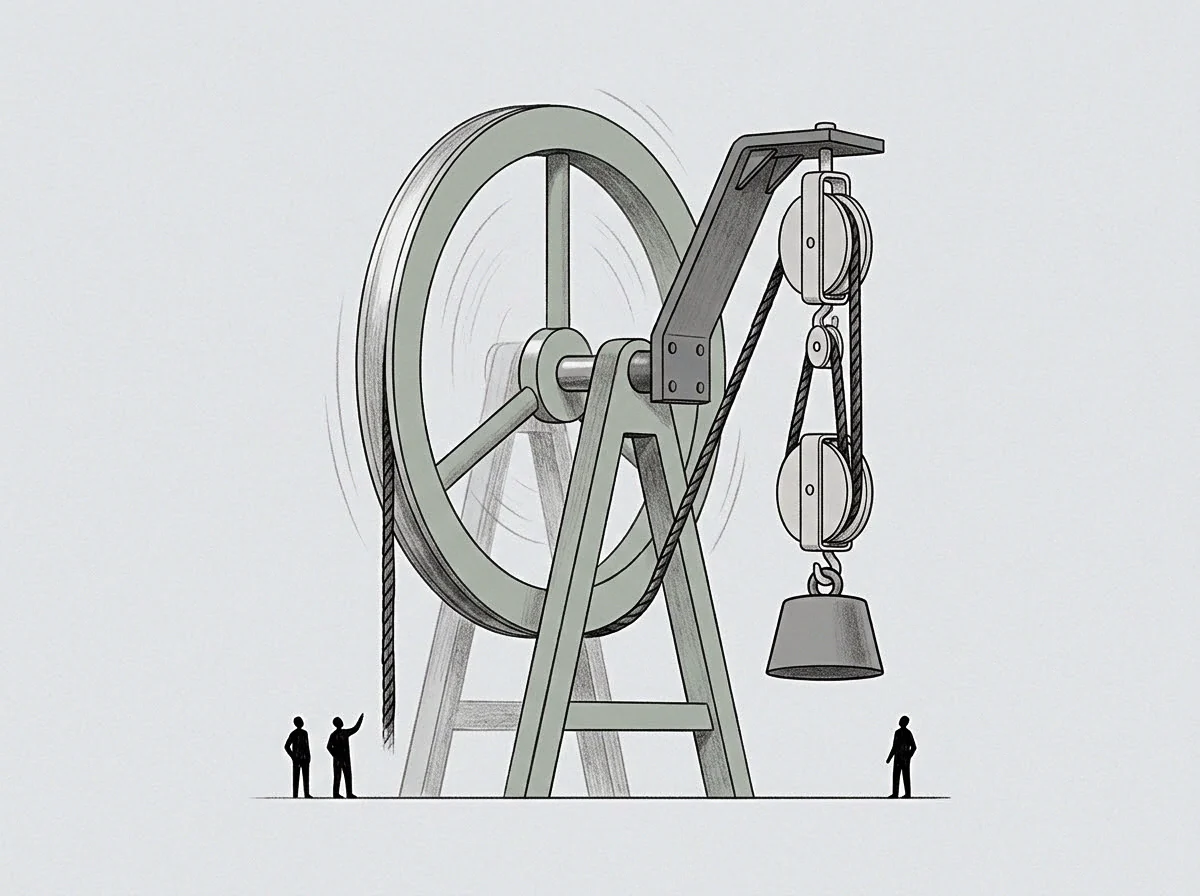
Room
The screen glows late in an enclosed office where two company founders work ten feet apart. Four separate message threads remain unanswered on each computer. Neither person speaks, yet both exhibit elevated resting heart rates, shallow intercostal breathing, and persistent muscular tension in the neck and jaw.
The desk sits empty between them. Reserves drain in silence. The physical presence of another human being normally serves as a physiological anchor that reduces the brain metabolic budget for threat detection.
When both individuals in a shared space have exhausted their autonomic reserves, proximity alters this biological equation entirely.
Co-Location Dynamics Under Neural Load
Human nervous systems continuously monitor surrounding environments for micro-cues of stability or danger. The central executive network allocates substantial glucose and neural processing power to manage internal physiological stability. When an individual operates alongside a calm partner, social baseline theory establishes that the brain offloads portion of its threat-monitoring budget to the partner.
Neural scanning decreases because the environment registers as safer when a reliable human presence is nearby. The brain budgets energy continuously. Physical proximity to an untethered, high-arousal nervous system reverses this energy savings.
Instead of borrowing calm from a steady partner, each depleted operator registers the other person’s micro-movements, heavy sighing, and rigid posture as implicit environmental threat signals.
Autonomic Baseline Expectations
Subcortical structures in the mammalian brain anticipate that co-located conspecifics will provide regulatory relief. The autonomic nervous system expects a shared space to lower the metabolic cost of maintaining homeostatic equilibrium. When two leaders sit together after months of chronic operational stress, both bring depleted parasympathetic tone to the desk.
Neither leader provides calm. The brain scans continuously. The expectation of baseline co-regulation meets the reality of mutual autonomic exhaustion, creating an unconscious biological mismatch that accelerates fatigue.
Whether two depleted operators can remain co-located without escalating their mutual metabolic strain remains an open question in workplace ergonomics.
Proximity
Physical distance inside executive offices directly dictates how human nervous systems allocate energy. When solitary leaders manage high workload volumes, self-regulation remains the sole available mechanism for suppressing stress responses. Self-regulation relies heavily on prefrontal cortex inhibition, consuming high amounts of blood glucose and systemic energy.
Sitting near another person theoretically offers borrowed regulation, wherein one person’s steady cardiac rhythm and stable vagal tone calm the secondary nervous system. Silent rooms increase arousal when both occupants operate near their cognitive and emotional limits.
Co-locating depleted operators without physical distance forces continuous subcortical threat scanning that consumes glucose reserves.
Social Baseline Theory in Enclosed Spaces
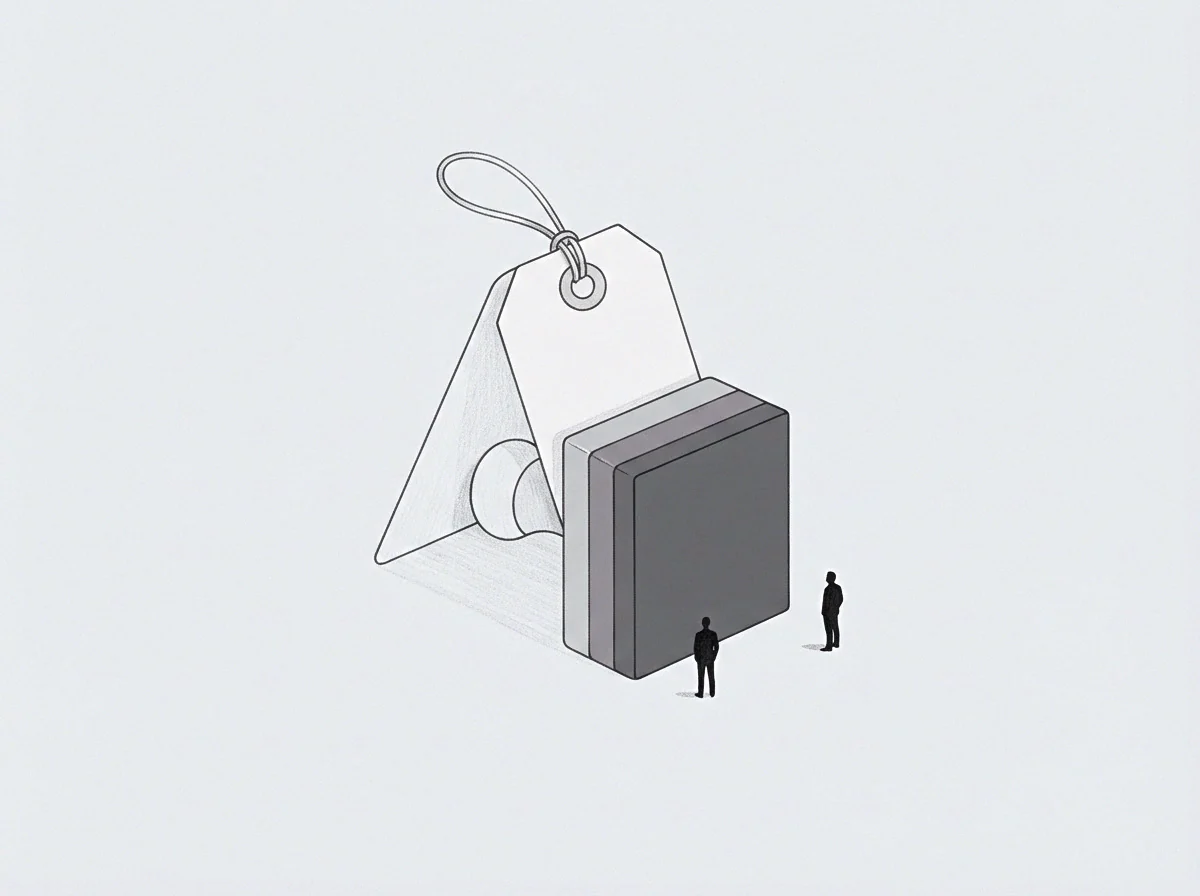
Social baseline theory demonstrates that the human brain evolved to assume close proximity to supportive conspecifics as its default ecological baseline. Under normal conditions, working near a stable colleague decreases activity in the ventral anterior cingulate cortex and right anterior insula when facing stressful tasks. In a situation where two leaders suffer from severe allostatic load, the baseline condition collapses.
The proximity that should signal safety instead presents an unmanaged sensory input stream. Each operator must regulate their own internal state while simultaneously processing the involuntary stress outputs of the colleague sitting across the desk.
- Vagal withdrawal occurs when parasympathetic tone drops, preventing the heart rate from slowing during sedentary tasks.
- Subcortical hyper-vigilance drives continuous background scanning of the surrounding room for subtle shifts in posture or breathing patterns.
- Respiratory entrainment failure manifests when two individuals fail to achieve synchronous resting breath rates, signaling relational dissonance to the brain.
- Pupillary micro-reactivity mirrors high-arousal states in adjacent colleagues, maintaining sympathetic nervous system tone without conscious awareness.
The Neural Price of Shared Space
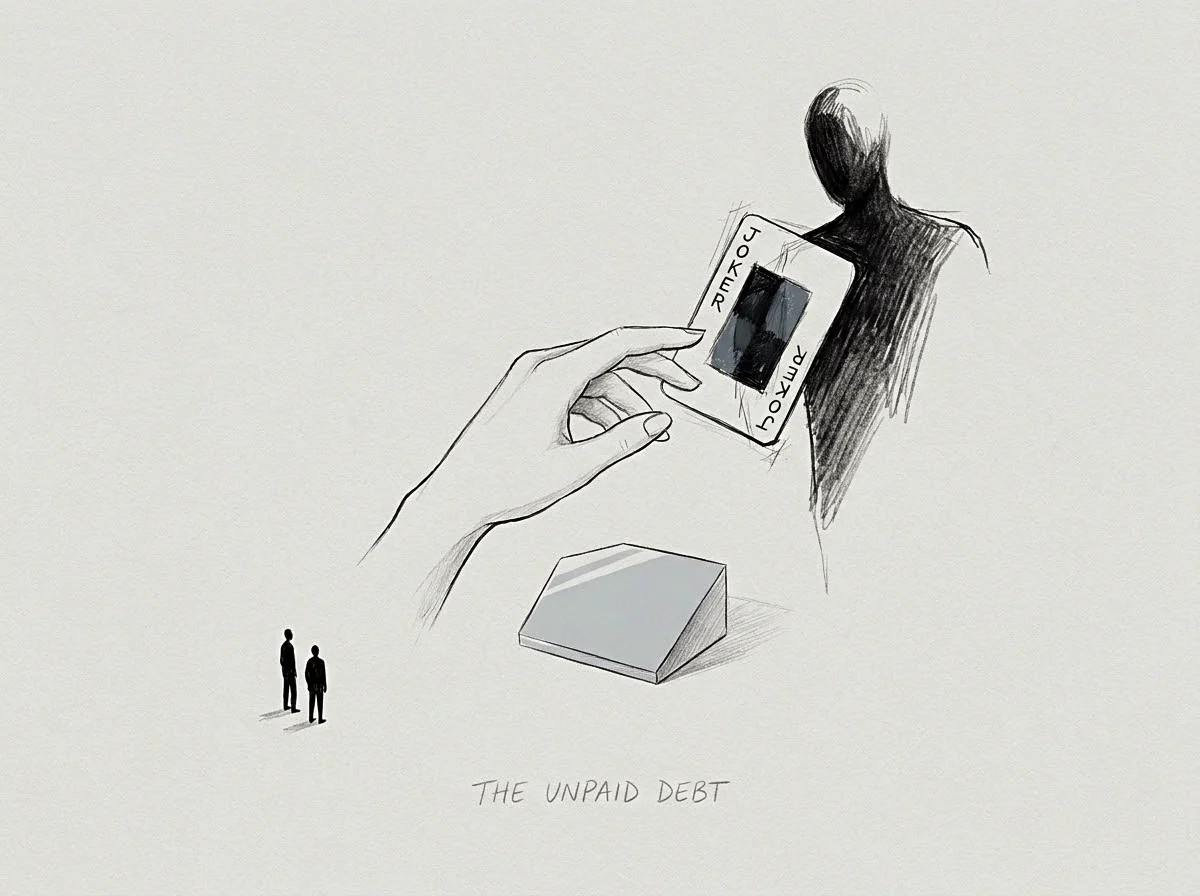
Consider a typical arrangement where an chief executive officer and a chief technology officer share a dedicated office suite for eighteen months while scaling operations under tight capital constraints. Assume both leaders work fourteen-hour shifts and log less than six hours of interrupted sleep per night. In the initial six months, co-location allows rapid verbal alignment and mutual emotional grounding.
By month twelve, chronic sleep restriction and unmitigated operational pressure exhaust their parasympathetic buffers. When the technology officer enters the office in a state of silent hyper-arousal, the chief executive’s autonomic nervous system detects the elevated muscle tone and rapid typing cadence within milliseconds. Proximity alters threat perception.
The chief executive’s sympathetic nervous system activates in response, despite the absence of any overt strategic conflict or explicit bad news.
Failing to account for shared autonomic depletion results in covert metabolic exhaustion, accelerated decision fatigue, and systemic relational withdrawal.
Coupling
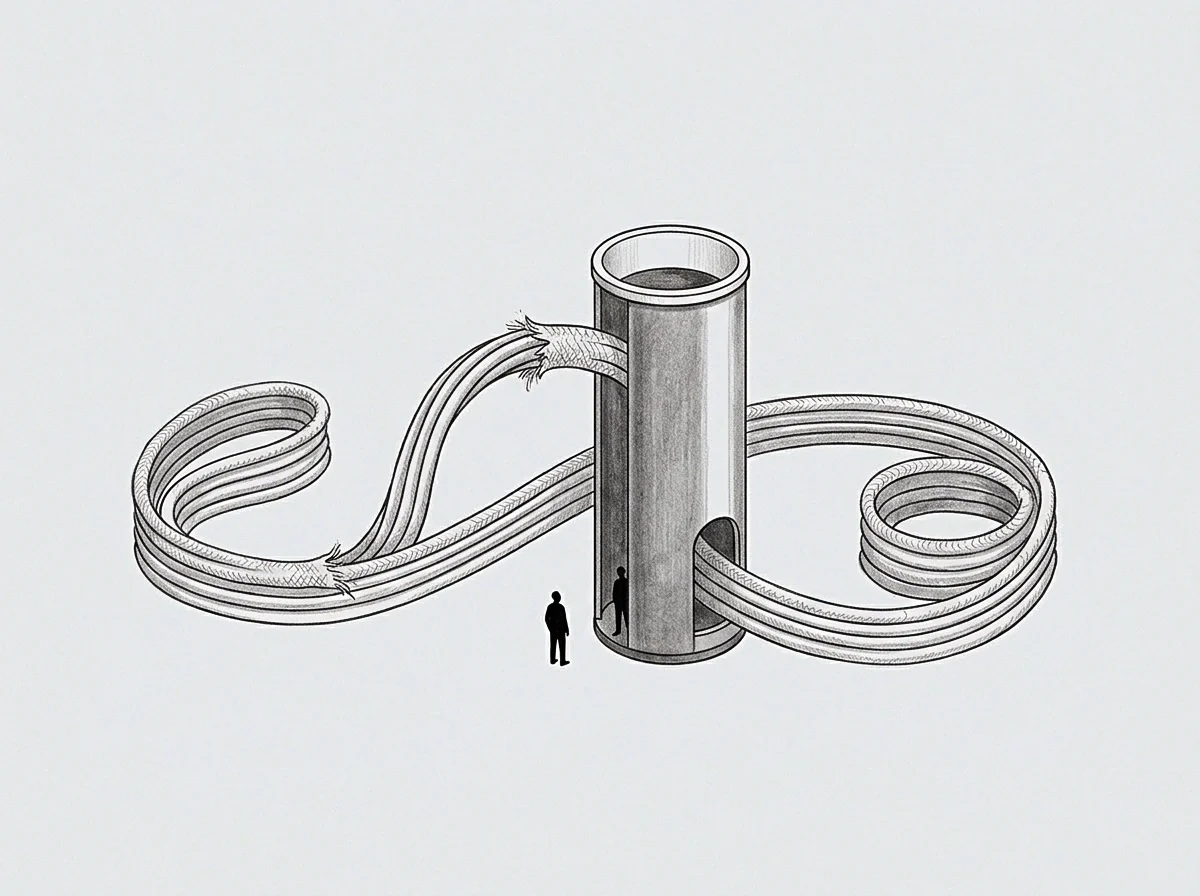
Physiological states pass between co-located individuals through subcortical channels that bypass conscious thought. The human brain relies on mirror neuron networks and auditory, visual, and tactile inputs to construct a real-time model of an adjacent person’s internal state. When two executive leaders sit in close quarters, their heart rate variability metrics and galvanic skin responses begin to track one another.
This physiological synchrony functions constructively when one party holds a stabilized nervous system. When both operators operate in chronic autonomic depletion, physiological coupling creates an escalating feedback loop of sympathetic arousal.
Physiological Entrainment and Mutual High Arousal
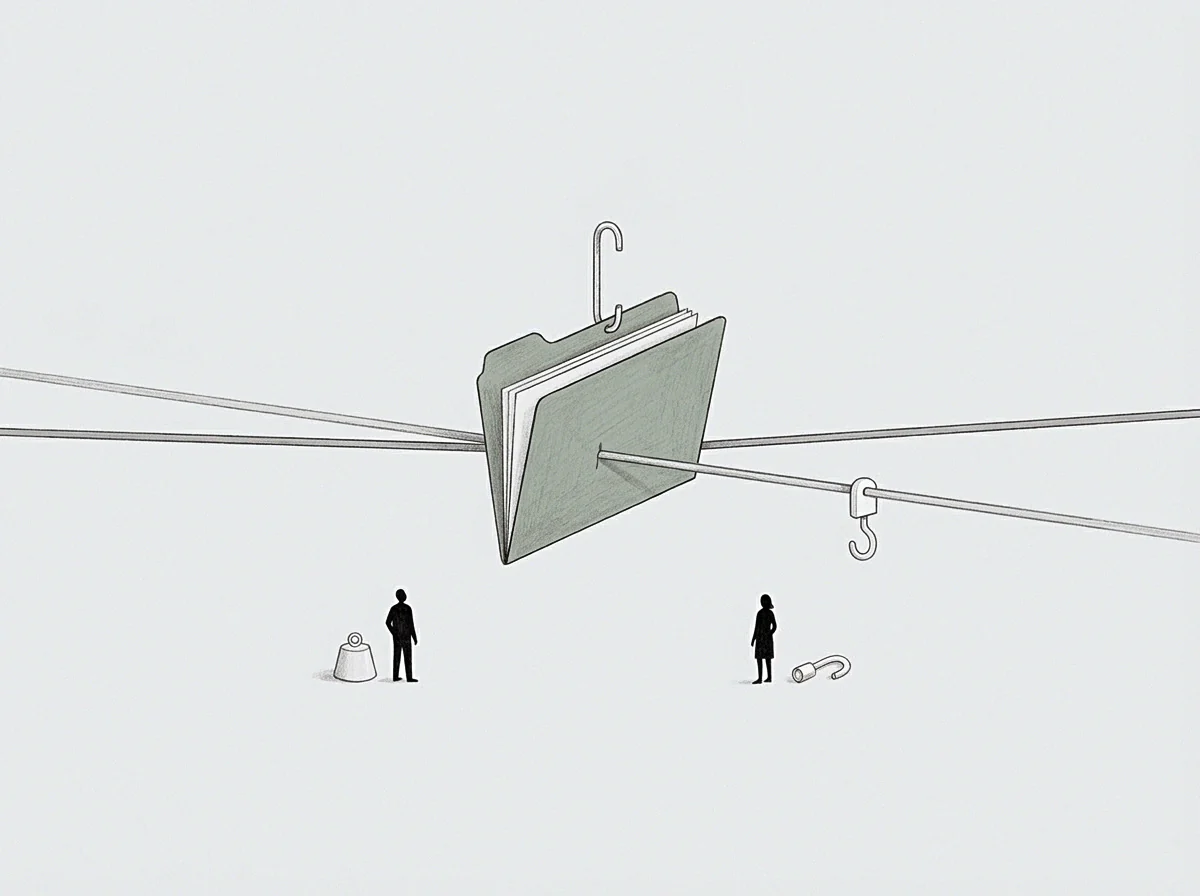
Entrainment describes the process by which two independent biological oscillators synchronize their rhythms. In co-located depleted leaders, entrainment binds two high-arousal, low-headroom autonomic states together. Subcortical cues spread quickly.
If one founder experiences a spike in cortisol due to an incoming investor message, their physical tension manifests as vocal tightness, rapid movements, or prolonged breath holding. The co-located founder absorbs these sensory inputs instantly. The second founder’s autonomic nervous system interprets these cues as an immediate threat to the shared workspace, triggering a parallel surge in sympathetic output.
Capacity declines under load.
When two autonomic nervous systems interact under high load, physiological costs double if neither system offers a stable baseline.
How Does Mutual Depletion Alter Vagal Regulation?
The myelinated ventral vagus nerve acts as a biological brake, suppressing cardiac output and enabling calm, social engagement behaviors. Under sustained operational threat, the ventral vagal brake releases, allowing the sympathetic nervous system to mobilize fight-or-flight responses. When two co-located leaders both suffer from ventral vagal withdrawal, neither individual can offer the parasympathetic anchor necessary to co-regulate the room.
The physical presence of a depleted partner continuously triggers the fight-or-flight apparatus without supplying any corresponding social safety signal. Distance reduces nervous strain. The resulting environment feels subtly hostile or exhausting, even when both partners express complete professional alignment and personal goodwill.
The physical presence across the table feels like an added weight rather than a source of steadiness.

Template
Every leader operates from an internal working model formed through prior experiences of regulation and support. This internal template dictates whether a person views physical proximity to others as a source of relief or as an added obligation. Founders who learned early in their careers to regulate themselves entirely without reliance on external support often lack a receptive slot for borrowed calm.
When stress levels peak, these leaders view the physical presence of a co-located partner as an arena requiring active performance and emotional containment. The baseline remains absent.
Internal Working Models of the Stabilizing Other
An internal working model shapes how the brain budgets energy during relational interactions. A leader with an earned security template perceives a partner’s presence as a resource, allowing their autonomic nervous system to down-shift into parasympathetic recovery when the partner is calm. Conversely, a leader whose template was built on self-reliance treats proximity as a continuous expenditure of metabolic effort.
When two leaders operating from self-reliant templates share an office while depleted, both attempt to project stability for the other person while suppressing their own stress signals. Tension accumulates without speech. The dual suppression of genuine autonomic states doubles the physiological price of remaining in the room.
A tired founder sitting across an empty desk reads silence as alarm rather than rest.
| Scope of Proximity | Primary Autonomic State | Co-Regulation Cost | Recovery Rate |
|---|---|---|---|
| Single-Calm Co-Location | Parasympathetic Dominance | Low (Shared Threat Budget) | High (Rapid Vagal Re-engagement) |
| Dual-Depleted Co-Location | Sympathetic Hyper-Arousal | Extreme (Mutual Threat Amplification) | Minimal (Continuous Subcortical Load) |
| Asynchronous Remote Work | Isolated Autonomic Baseline | Zero (Solitary Self-Regulation) | Moderate (Dependent on Environment) |
| Structured Intermittent Proximity | Regulated Pulsed Engagement | Modest (Bounded Interaction Windows) | High (Protected Recovery Time) |
Absence of the Receptor Slot
The structural difficulty in depleted leadership pairs lies in the structural absence of a receptor slot for receiving support. Leaders accustomed to serving as the emotional and operational anchor for their organizations naturally internalize a template where they supply calm but never draw it down from others. When a partner attempts to offer genuine presence or stillness, the depleted leader’s brain registers the offer as an anomaly or an implicit demand to engage.
The internal working model lacks the neural pathway required to translate external presence into internal parasympathetic down-regulation.
- Audit physical proximity schedules to identify overlaps occurring during low-capacity windows.
- Establish non-co-located deep work blocks to eliminate continuous subcortical threat scanning.
- Introduce clear physical boundaries within shared offices to establish distinct spatial zones.
- Implement structured check-ins that rely on plain data rather than non-verbal state reading.
The presence of an uncalibrated internal working model converts every neutral offer of presence into a demand for performance.
Shift
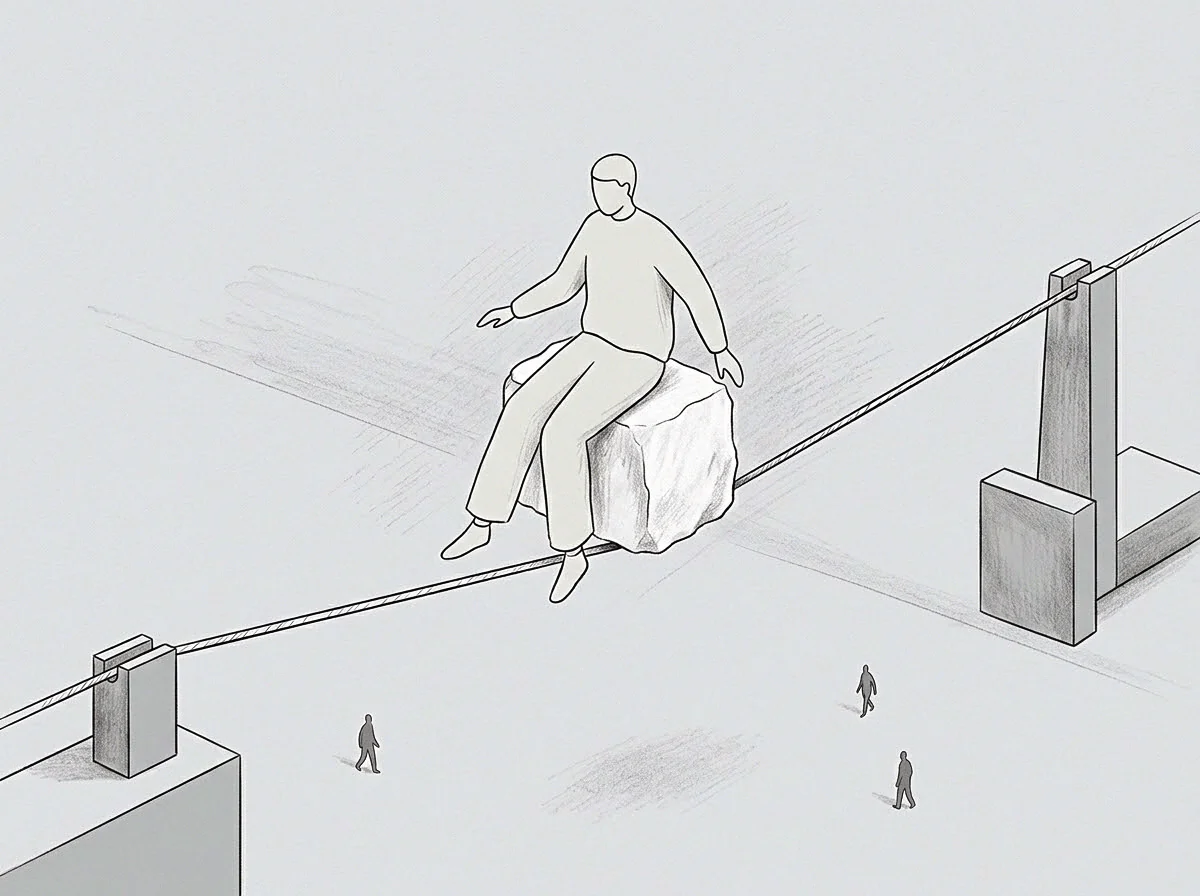
Resolving autonomic regulation strain between co-located leaders requires structural changes to how space and presence are managed. Relying on sheer willpower or intellectual understanding of stress physiology cannot override subcortical threat detection. Brains require concrete physical adjustments to alter threat budgeting algorithms.
Physiology shapes executive focus. When leaders introduce clear spatial boundaries and eliminate mandatory co-location during periods of acute depletion, they remove the continuous trigger of mutual sympathetic activation.
Physical distance preserves autonomic capacity whenever shared calm is unavailable.
Constructing the Second Neural Baseline
Updating an internal regulator template takes place through repeated, real-world experiences of safe, low-demand interactions over time. Leaders cannot simply decide to trust a partner’s presence; the autonomic nervous system must register hundreds of instances where proximity does not result in added metabolic load. This update process begins by structuring intentional periods of physical separation during high-stress operational phases.
By working in separate rooms or adopting asynchronous communication channels when depleted, leaders stop the mutual escalation of autonomic strain. Shared rooms demand energy.
Restructuring Spacing and Recovery Protocols
A functional operational protocol treats physical proximity as a deliberate resource rather than a default arrangement. Co-location should occur primarily when at least one leader possesses sufficient autonomic headroom to provide a steady biological baseline. When both leaders operate in acute exhaustion, working in separate physical spaces lowers total neural load by allowing each individual’s subcortical scanning mechanisms to disengage.
As parasympathetic tone recovers in isolation, leaders re-enter shared environments without triggering immediate autonomic strain.
Physical separation protects physiological capacity whenever borrowed baseline regulation is unavailable.