
Co-Regulation Dynamics in Executive Leadership Dyads
Co-regulation in executive dyads functions as a physiological resource transfer where one partner's autonomic stability lowers the metabolic cost of threat processing for the other.

Proximity
Four board decks sat open on the display at midnight while a liquidity covenant hovered twelve hours away. The chief executive paced behind the table, rapid respiration signaling autonomic arousal, while the chief operating officer sat motionless in the adjacent chair, maintaining low heart rate variability and slow, rhythmic breathing. Within twenty minutes, without a single word spoken regarding emotional state, the chief executive’s heart rate lowered by fourteen beats per minute, matched the partner’s respiratory rhythm, and regained cognitive access to complex problem-solving channels.
The brain of one executive utilized the baseline physiology of another executive to recalculate environmental threat. This is social baseline theory in active executive operation. The human nervous system conserves internal metabolic resources by offloading environmental threat processing onto nearby, trusted conspecifics.
When two individuals hold joint accountability for institutional survival, self-regulation becomes the most metabolically expensive physiological mode available. The human brain budgets energetic expenditure based on neural predictions of effort and danger. Isolated self-regulation requires high prefrontal cortex activity to suppress sympathetic arousal, consume glucose, and suppress cortisol release.
Interpersonal physical presence alters this baseline calculation instantly. When a reliable partner is present, the neural cost of environmental monitoring drops, allowing cognitive resources to return to operational strategy. This shift occurs below conscious awareness through vocal tone, visual cues, micro-gestures, and cardiac entrainment.
The Neural Economy of Shared Presence
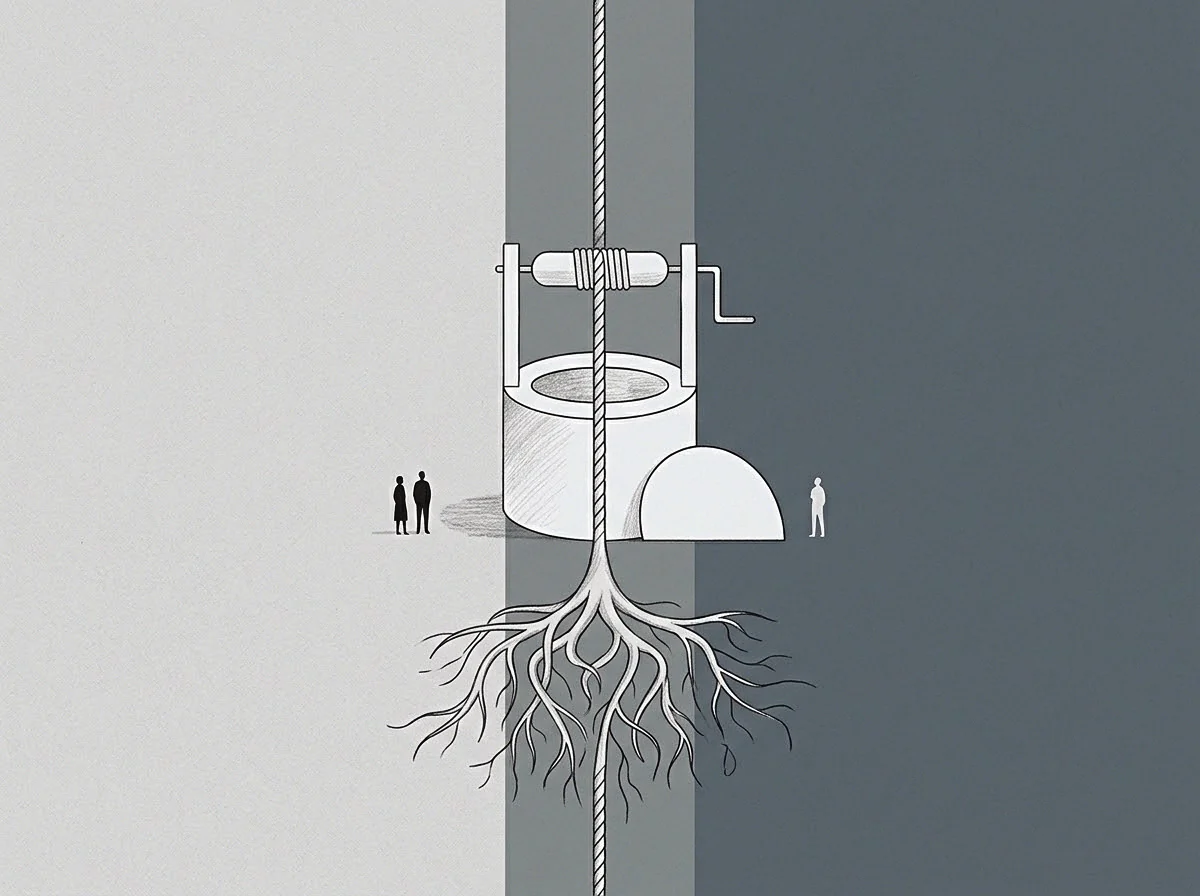
The economy of dyadic regulation operates through predictable neurobiological mechanisms. When an executive operates in isolation, the amygdala maintains heightened vigilance, triggering the hypothalamic-pituitary-adrenal axis at lower threat thresholds. In a verified executive partnership, sensory inputs indicating the partner’s physiological stability inhibit fear-processing circuits in the passive recipient.
The brain registers the steady partner as an extension of its own regulatory bandwidth. The metabolic energetic load shifts from individual threat suppression to joint problem resolution.
This biological sharing of regulatory work explains why high-performing leadership pairs achieve operational outcomes impossible for solo founders. The presence of a calm co-founder does not provide abstract emotional comfort. It actively reduces the metabolic cost of maintaining autonomic equilibrium.
The body treats the partner’s physiological stability as a direct supply of regulatory capacity.
Co-regulation operates as a metabolic discount where one nervous system absorbs atmospheric threat to stabilize another.

Autonomic Synchrony in High-Stakes Environments
During acute institutional crises, autonomic entrainment governs dyadic performance. Bi-directional physiological monitoring occurs constantly through subtle acoustic and visual channels. When both leaders dysregulate simultaneously, the dyad enters a positive feedback loop of autonomic panic, destroying strategic foresight.
Conversely, when one leader maintains an unshakeable physiological baseline, the dysregulated leader’s vagal nerve tone increases through passive exposure.
The partner who remains calm provides an external anchor for the dysregulated partner’s autonomic nervous system. This process requires zero cognitive alignment or formal verbal agreement. The biological baseline operates prior to strategic evaluation.
The calmer leader’s body performs the regulatory work that the dysregulated leader’s nervous system cannot currently execute independently.
I would feel entirely capable of resolving this corporate restructuring if you stayed in the room while I wrote the terms.

Floor
A stable biological floor prevents cognitive collapse across executive teams during prolonged distress. The baseline holds. When strategic uncertainty peaks, the dyad’s physiological floor dictates whether decisions emerge from long-range executive planning or reactive threat avoidance.
The partner providing the physiological floor acts as an invisible biological shock absorber for the enterprise.
The creation of this floor relies on the continuous transmission of physiological safety signals. Heart rate variability, skin conductance, and vocal prosody convey baseline stability faster than verbal statements. When an executive partner projects visceral composure, the recipient’s sympathetic nervous system lowers its firing rate.
The baseline stabilizes or fractures based on these non-verbal biological updates.

Physiological Baseline Maintenance Under Stress
Maintaining a stable regulatory floor under sustained operational pressure demands extreme internal physiological headroom. The executive acting as the baseline continuously absorbs ambient organizational stress without immediate dissipation pathways. This absorption process relies on high vagal tone and well-developed internal regulatory templates.
The baseline provider functions as a biological capacitor, taking in sympathetic surge energy from the dysregulated partner and grounding it through sustained parasympathetic activation.
If the baseline provider’s physiological capacity becomes exhausted, the floor vanishes instantly. Dyads that rely entirely on one partner for regulatory stability face systemic vulnerability when that partner hits absolute load capacity. The collapse of the floor frequently presents as sudden emotional withdrawal, uncharacteristic cynicism, or abrupt physical illness in the steady partner.
An unstated regulatory reliance transforms an operational partnership into an asymmetric biological transfer system.
Worked Situation: The Asymmetric Growth Phase
Consider an executive dyad during a critical twenty-four-month expansion phase. Assume two co-founders, a chief executive officer and a chief operating officer, holding equal equity and operational control. The enterprise faces severe market volatility, rapid headcount expansion, and intense regulatory scrutiny.
The chief executive possesses a high-reactivity nervous system, experiencing rapid sympathetic spikes during unexpected operational setbacks. The chief operating officer possesses an exceptionally stable autonomic baseline, characterized by high resting heart rate variability and low physiological reactivity.
Over eighteen months, the chief executive seeks out the chief operating officer’s office immediately following every high-stress board interaction or operational failure. The chief operating officer remains present, listening quietly while maintaining low autonomic arousal. The chief executive experiences rapid co-regulatory recovery, leaving each thirty-minute interaction fully re-stabilized and ready to execute strategic moves.
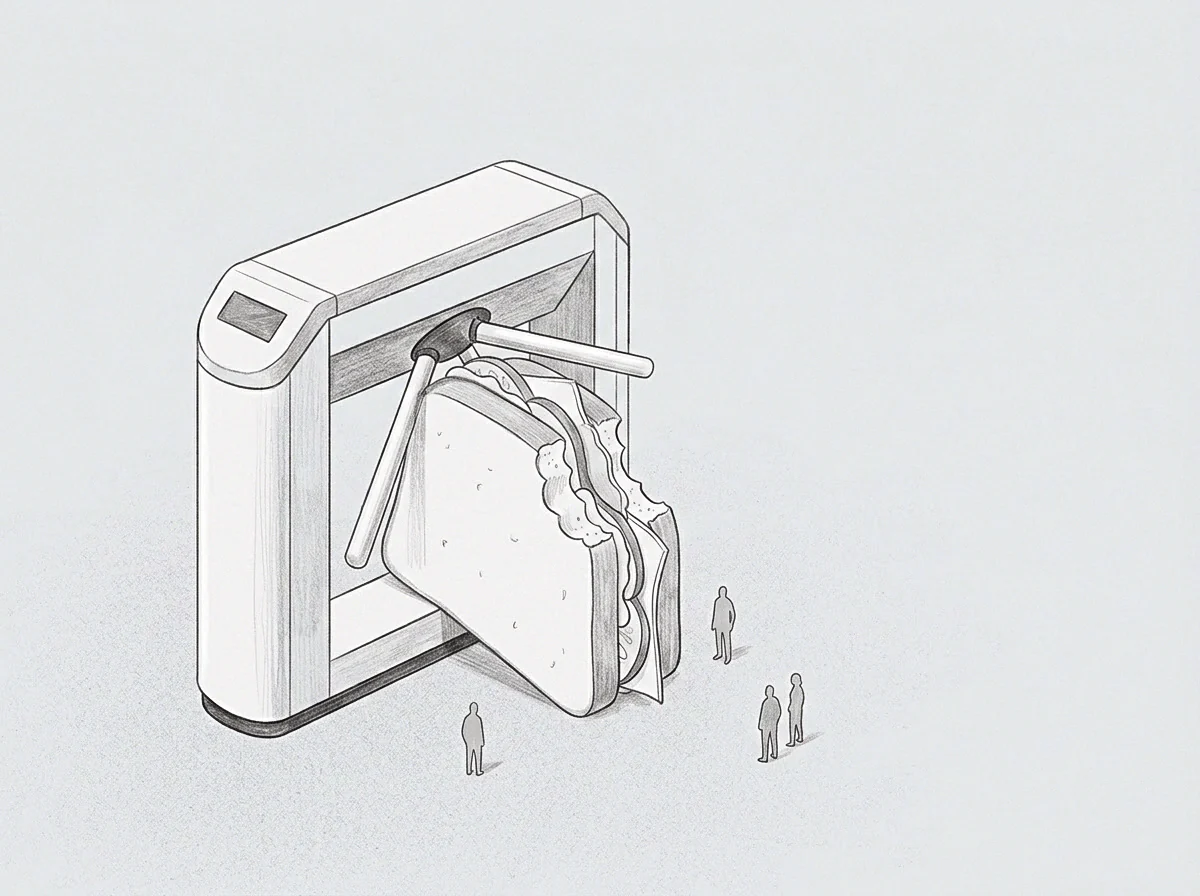
The chief operating officer absorbs this recurring autonomic variance without verbalizing the energetic cost of maintaining that physiological floor.
By month twenty, the chief operating officer displays severe allostatic load symptoms: persistent elevated resting heart rate, fragmented sleep architecture, and profound executive fatigue. When a new capital raise demands intense public representation, the chief operating officer unexpectedly detaches, refusing to join critical founder briefings and exhibiting extreme irritability. The chief executive interprets this behavior as a sudden lack of commitment to the corporate mission, unaware that the partner’s biological regulatory floor has experienced systemic structural collapse.
Failure to recognize and balance the metabolic cost of providing a dyadic regulatory floor inevitably results in the sudden, catastrophic exhaustion of the steady partner.

Budget
Every executive dyad operates an unwritten energy budget that tracks physiological effort across strategic domains. The budget tracks who regulates, for whom, at what metabolic cost, and through which neural mechanism. Calm is an expenditure.
When one leader systematically draws upon another’s regulatory reserves, an unrecorded energetic debt accumulates within the business.
The asymmetry of borrowed calm creates profound imbalances in operational capacity. The leader who consistently provides regulation spends metabolic energy that would otherwise fuel creative strategy, product vision, or long-term capital allocation. The borrowing leader gains cognitive clarity at the direct expense of the provider’s long-term physiological resilience.
Allostatic Transfer and the Sunk Cost of Calm
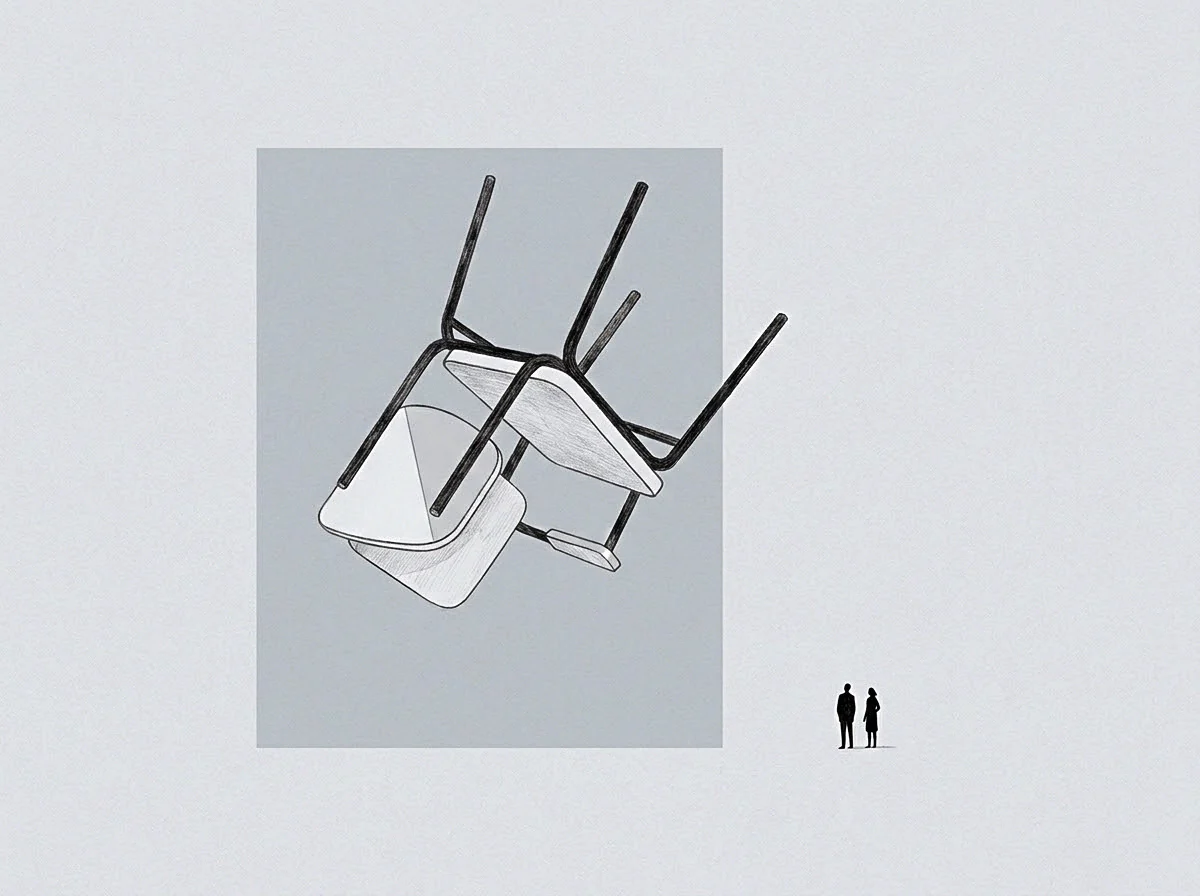
The concept of allostatic transfer describes the movement of regulatory burden from a dysregulated individual to a regulating partner. The recipient’s physiological system offloads the energetic expense of stress recovery onto the partner’s body. The provider’s biological system experiences an increased allostatic load, accumulating cellular wear and tear, elevated baseline cortisol, and reduced parasympathetic control over time.
This transfer often remains completely hidden because organizational metrics track cognitive outputs rather than physiological expenditures. The enterprise celebrates the dysregulated leader’s rapid recovery and strategic agility, completely blind to the silent biological erosion occurring in the partner sitting across the desk. The physiological bill arrives later.
Comparative Modes of Dyadic Stress Distribution
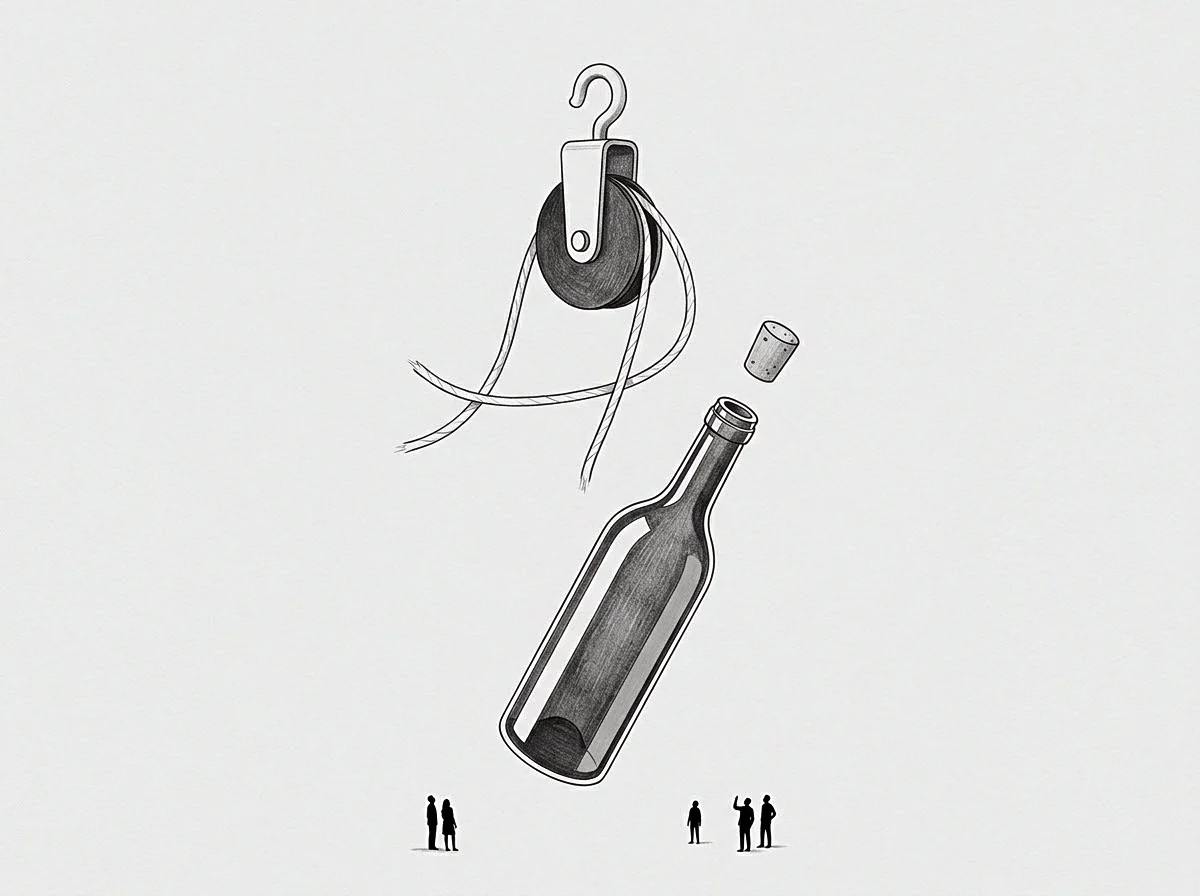
Executive leadership dyads process stress through distinct operational configurations, each carrying specific physiological budgets and structural failure points.
| Regulation Configuration | Physiological Mechanism | Metabolic Cost Distribution | Primary Failure Mode |
|---|---|---|---|
| Symmetrical Co-Regulation | Bi-directional autonomic entrainment with mutual vagal dampening | Equally shared metabolic burden across both executive systems | Simultaneous dysregulation during unprecedented dual-threat events |
| Asymmetric Anchor | One-way physiological grounding from stable provider to reactive recipient | Disproportionate allostatic load concentrated on the baseline partner | Abrupt biological exhaustion or emotional detachment of the baseline partner |
| Mutual Isolation | Independent self-regulation relying exclusively on individual prefrontal inhibition | Maximum individual metabolic expenditure for both executive leaders | Rapid onset of executive burnout and strategic paralysis under load |
| Sympathetic Resonance | Amplified mutual arousal through reciprocal threat cue reinforcement | Uncontrolled escalating energetic depletion across the executive dyad | Impulsive strategic decision-making and dyadic relational fracture |
A dyad relying on an asymmetric anchor configuration inevitably exhausts its regulating partner unless structural boundaries intervene.
Circuit
The regulatory circuit between executive leaders relies on internal working models formed long before their business partnership began. These implicit templates dictate how an individual responds to stress, requests support, and perceives proximity. When high-stakes corporate pressure hits the leadership layer, these deep relational circuits take complete control of dyadic communication.
One leader may hold an internal template that associates distress with immediate, shared physical proximity and direct vocal expression. The other may hold a template that treats distress as a command to isolate, hide vulnerability, and self-regulate in total solitude. When crisis strikes, these conflicting circuits create severe relational misalignments that look like strategic disagreements but are entirely autonomic in origin.

Why Do Executive Dyads Fail At Load Limits?
Executive dyads fail at load limits because extreme physiological arousal disables high-level cognitive empathy, forcing individuals into primitive relational survival templates. When allostatic load hits ceiling capacity, the prefrontal cortex loses its ability to interpret ambiguous partner behavior benignly. Threat registers instantly.
A partner’s brief silence, delayed response to a critical message, or neutral facial expression gets re-interpreted by an overloaded circuit as strategic abandonment or hostile opposition.
This dynamic triggers predictable destruction in co-founder dynamics:
- Hyper-activating attachment responses force one executive to demand immediate, continuous physical proximity and verbal reassurance during operational instability.
- De-activating attachment responses compel the other executive to withdraw, shut down communications, and isolate to protect remaining regulatory reserves.
- Mutual misinterpretation cycles transform the pursuing partner’s anxiety into a threat to the withdrawing partner, whose retreat further dysregulates the pursuing partner.
- Systemic regulatory dissociation occurs when both leaders lose access to shared co-regulatory mechanisms, leaving the enterprise completely unanchored.
The cycle escalates because neither leader understands that their conflict is a struggle between two overloaded autonomic nervous systems attempting to survive.

Internal Working Models and the Missing Receptor
A specialized challenge emerges when an executive has developed an internal model based on earned security or hyper-independence. Such leaders often functioned as the primary regulator for their own early environments, internalizing a template where they regulate others but possess no receptor slot to receive co-regulatory support themselves. They act as absolute baseline anchors for everyone in their company while remaining completely incapable of letting a co-founder hold space for their own dysregulation.
When an executive with a missing receptor slot faces personal limit conditions, they cannot utilize their partner’s offered calm. The partner’s offer of presence registers as an anomaly or an intrusive demand rather than an opportunity for shared load reduction. The capacity shrinks under load.
The leader continues to radiate stability outwardly while experiencing severe internal collapse, unable to bridge the gap between their external protective role and their internal regulatory isolation.
If an executive Dyad cannot build a functional reciprocal receptor slot under moderate stress, what structural boundary can prevent complete circuit burn-out when existential corporate threats arrive?

Update
Updating an executive dyad’s regulatory template cannot occur through intellectual insight, strategic retreat workshops, or logical argumentation alone. The autonomic nervous system does not update its underlying threat calculations based on verbal agreements. The template resists verbal instruction.
Updating requires deliberate, repeated micro-experiences of successful co-regulation under real operational stress over extended periods.
These real-time experiences create new neural pathways that systematically override early relational templates. When an executive experiences a high-threat situation alongside a co-founder, expresses genuine vulnerability, and receives steady, non-judgmental physiological presence without operational fallout, the internal working model updates. Security arrives through repeated survival.

Earned Security Through Structural Boundary Realignment
Building earned security within an executive dyad demands explicit structural realignments that protect the regulation budget from continuous overdraft. Leaders must move from unexamined, habitual biological reliance to conscious, bounded co-regulatory arrangements. This transition begins with recognizing that presence and availability carry distinct metabolic costs that must be actively managed alongside financial budgets.
Structural modifications that support template updates include clear operational protocols:
- Explicit boundary conditions defining explicit hours during which leaders are completely free from dyadic communication, allowing uninhibited individual parasympathetic recovery.
- Structured distress handoffs where an dysregulated executive explicitly states their need for co-regulatory presence rather than silently leaking autonomic panic into strategic discussions.
- Rotational baseline duties dividing high-stress external responsibilities so that neither co-founder bears sole responsibility for maintaining corporate equilibrium continuously.
- Physical space demarcation creating distinct physical or temporal zones specifically designated for strategic reflection, devoid of immediate operational crisis processing.
These deliberate boundary structures transform the leadership environment from a wild, chaotic transfer of autonomic anxiety into an intentional, highly resilient co-regulatory architecture.

Measuring The Delta Over Time
The evolution of an executive dyad’s regulatory capacity becomes visible through clear operational indicators over a twelve-to-eighteen-month window. In the initial uncalibrated state, the dyad displays high volatility, prolonged recovery times following operational shocks, and heavy reliance on one partner’s continuous biological sacrifice. Strategic choices made during stress carry high rates of emotional reactivity and short-term panic orientation.
As the dyad updates its regulatory circuit, the time required to regain autonomic baseline following an existential business crisis drops dramatically. Both leaders develop functional receptor slots, allowing true reciprocal regulation where the anchor role shifts dynamically based on individual bandwidth. The dyad stops treating calm as an infinite free resource provided by one long-suffering partner, recognizing it instead as a strategic institutional asset requiring careful protection, fair distribution, and continuous metabolic investment.
The operational agreement governing executive availability changes permanently once both leaders acknowledge the precise metabolic cost of maintaining shared calm.