
Co-Regulatory Structural Intervention In Executive Tenures
Executive tenure contracts incorporate structural co-regulatory mechanisms to lower autonomic load and prevent decision degradation in isolated leaders.

Board
Four governance messages arrive simultaneously on a Thursday evening while five direct reports await resolution on an operational deadlock. An executive sitting alone at a desk bears the entire regulatory load of an enterprise, where calm is routinely misread as unlimited capacity. Human neurobiology processes organizational threat through social baseline theory, which establishes that the mammalian brain defaults to distributing environmental demand across a trusted group.
When an individual occupies a leadership seat without structural co-regulation, the brain registers the environment as unbuffered and isolated. The baseline absorbs the shock.
Self-regulation under high threat is an expensive metabolic operation. When an executive operates as a solitary regulatory node, the hypothalamic-pituitary-adrenal axis remains chronically active, elevating systemic cortisol and catecholamines. This sustained physiological state consumes baseline glucose reserves that would otherwise support high-level cognitive function, strategic abstraction, and emotional modulation.
Over time, this isolated posture degrades executive function, narrowing perception toward immediate survival cues while eroding long-term planning capacity.
When structural co-regulation is absent, the executive brain processes organizational threat as an isolated individual threat, doubling metabolic energy expenditure.
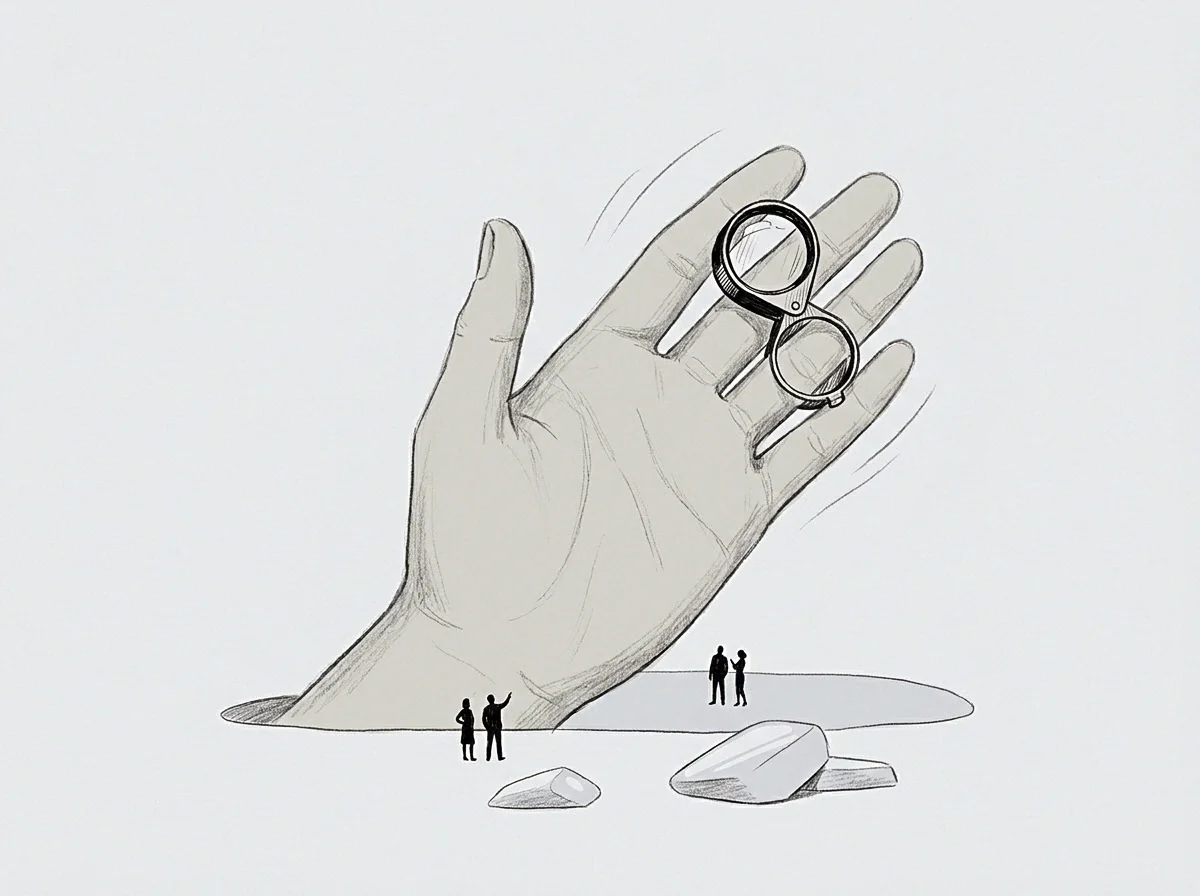
The Metabolic Toll of Isolated Authority
The metabolic price of continuous self-regulation without physical or operational proximity to a calm counterpart can be measured in baseline cardiovascular strain and immune suppression. In social baseline research, functional magnetic resonance imaging shows that individuals facing physical threat exhibit dramatically attenuated neural activation in the hypothalamus and anterior cingulate cortex when holding the hand of a trusted partner. The brain budgets neural energy based on the immediate availability of a reliable other.
The budget runs dry.
When an executive tenure lacks co-regulatory structures, every organizational threat must be calculated, contained, and neutralized by a single central nervous system. This continuous solo buffering generates accelerated allostatic load, the cumulative wear and tear on body and brain resulting from chronic overactivity of physiological adaptation systems. The operator bears the deficit.
This finding rests on neuroimaging experiments measuring threat-response neural activity under varying conditions of social proximity in healthy adult cohorts. The conclusion would move if longitudinal autonomic monitoring of isolated leaders demonstrated equivalent metabolic efficiency without structural co-regulation during sustained organizational crises. Until such evidence emerges, organizational design must assume that isolated leadership seats impose a measurable physiological toll that inevitably shortens tenure length and compromises governance quality.
Neural Economy in Executive Seats
Organizations often attempt to resolve executive exhaustion by offering offsite breaks, executive coaching, or brief wellness retreats. These consumer interventions fail because they treat chronic regulatory depletion as a personal skill deficiency rather than a structural baseline deficit. An individual returning from a three-day retreat to the exact same unbuffered, single-node seat immediately re-enters elevated sympathetic arousal within minutes of opening their primary inbox.
Silence carries an immediate expense.
A true structural intervention embeds co-regulation directly into the operational architecture of executive tenures. This involves designing specific roles, governance rhythms, and physical proximity models that act as autonomic dampeners. By providing a stable, highly responsive counterpart within the executive workflow, the enterprise shifts the leader’s primary regulatory mode from costly solo buffering to energy-efficient shared regulation.
Stress alters executive judgment. Unbuffered tenures degrade decision quality until executive turnover becomes structurally inevitable.

Throttle
Exhaustion in leadership seats stems from continuous, unbuffered physiological regulation rather than sheer task volume. Executives who function as the sole baseline for their management teams absorb the distress of downstream leaders without receiving reciprocal regulatory support. This creates a severe structural imbalance where neural energy flows exclusively in one direction.
Downstream teams register the executive as a steady presence and attach to that state, pumping their open loops and anxiety upward. The room misreads the quiet.
This unilateral load transfer saturates the executive’s internal working model of authority. Having learned over years of high-performance delivery that safety is achieved solely by holding the space for others, senior leaders frequently lack an internal receptor slot for receiving support. When an investor or board member offers genuine assistance, the executive’s system often reads the gesture as an anomaly or a hidden performance audit.
The offer fails to land, and the executive continues bearing the operational burden alone.
The person acting as the organizational baseline absorbs distress from subordinates until their own internal receptor capacity saturates.

Structural Throttling and Load Transfer
To prevent catastrophic operational failure, executive tenures require explicit structural throttling mechanisms. Throttling is the formal, contractual, and operational reduction of incoming regulatory load when physiological or strategic capacity thresholds are reached. Rather than relying on an executive to self-identify exhaustion and ask for help, a throttled tenure embeds pre-negotiated operational parameters that automatically trigger load shedding.
Throttling protects the tenure.
When operational demand exceeds safe metabolic boundaries, structural throttles divert incoming decisions to designated deputies, suspend non-essential strategic initiatives, and impose mandatory proximity windows with co-regulatory counterparts. This structural shift moves load handling from personal heroic effort to institutional governance rules. Load shifts to the perimeter.

Indicators of Unbuffered Regulation
Recognizing when an executive tenure has reached unsafe allostatic saturation requires monitoring specific operational and physiological failure modes across the leadership team.
- Continuous High Vigilance: The senior leader remains locked in perpetual sympathetic nervous system arousal, treating routine operational updates as acute existential crises.
- Unidirectional Regulation Flow: Direct reports consistently offload team friction and unresolved decisions upward without offering operational resolution options.
- Absence of Receptor Slots: The executive systematically rejects offers of co-executive support, executive coaching, or board-level operational intervention.
- Somatic Load Spillover: Unbuffered neural strain manifests as severe sleep fragmentation, executive irritability, and impaired strategic cognitive flexibility.
When these indicators appear across an executive seat, continuing without structural intervention guarantees tenure failure. How long can an enterprise maintain operational stability when its primary decision node operates in a state of chronic autonomic depletion?

Tether
Structural design determines whether executive presence absorbs shock or transmits it into organizational operations. A co-regulatory tether is a formal, institutional arrangement that connects a primary executive node to a dedicated, operationally grounded counterpart whose explicit function includes stabilizing the decision environment. This counterpart may be a co-founder, an operating partner, or a dedicated executive deputy whose physiological and operational baseline anchors the primary leader during high-demand periods.
Without a structural tether, senior executives borrow regulation from unsustainable external sources, such as extreme physical exertion, hyper-vigilant control over trivial operational details, or substance reliance. These reactive behaviors mimic stability while driving internal wear and tear higher. A structured tether provides a reliable, low-cost human anchor, allowing the executive’s nervous system to return to a baseline state through simple presence and operational alignment.
Proximity restores the baseline.
A structural tether reduces autonomic strain only when the secondary regulator holds genuine decision authority over incoming operational load.
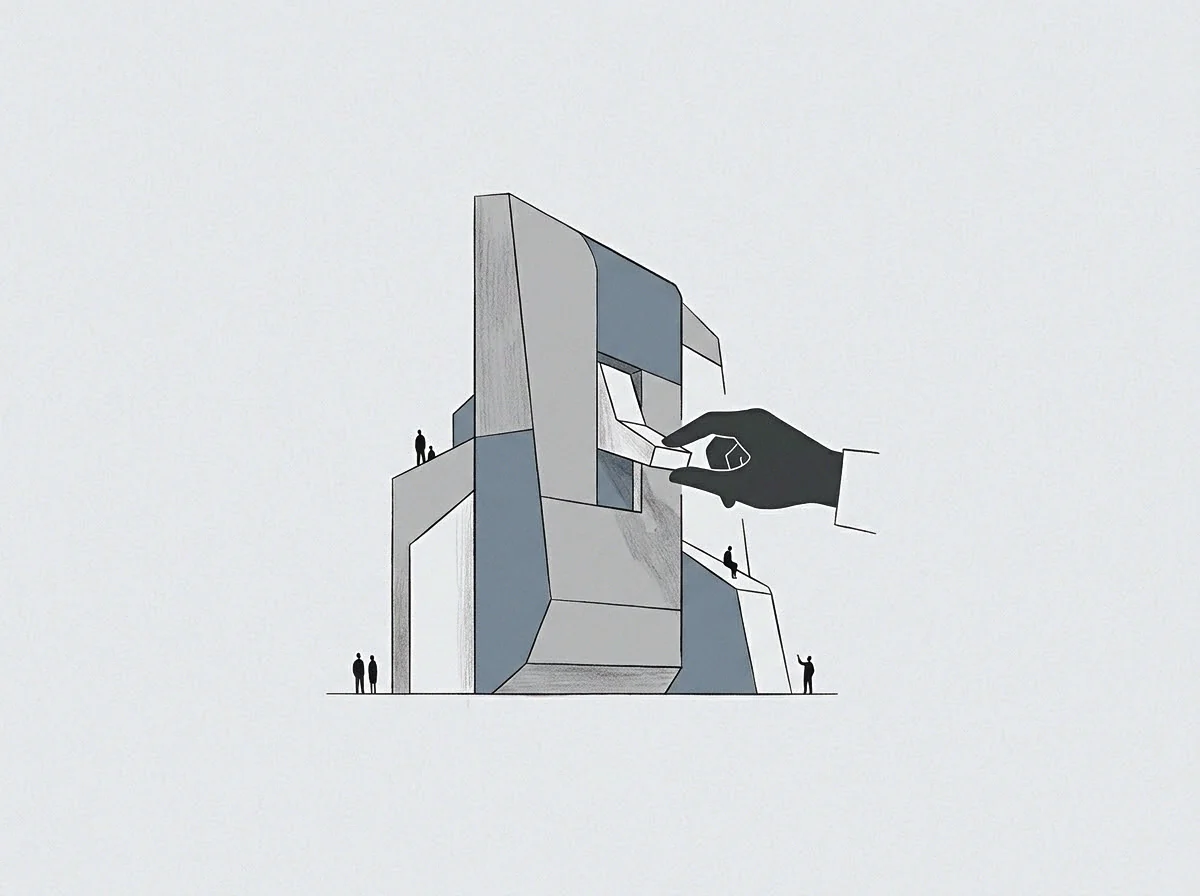
When Does Proximity Fail to Lower Executive Load?
Proximity alone does not guarantee co-regulation. If the secondary counterpart brings elevated anxiety, unaligned operational incentives, or personal performance insecurity into the executive suite, their physical presence increases metabolic burden rather than lowering it. The primary executive then spends energy regulating both themselves and their counterpart, compounding the overall regulatory deficit.
Isolation accelerates allostatic breakdown.
The exact ratio of operational peer proximity to board-level proximity needed to maintain template stability in multi-year executive tenures remains unquantified in public occupational literature. Under this uncertainty, prudent organizations establish structural interventions with quarterly review thresholds, adjusting proximity models dynamically based on real-time operational strain rather than relying on fixed static arrangements.
Consider two distinct structural configurations evaluated over a twenty-four-month period in a high-growth corporate environment: an isolated single executive versus a paired co-executive structure backed by a board-anchored tether. The contrast in physiological strain, operational latency, and template stability highlights the value of co-regulatory design.
| Intervention Structure | Regulation Latency | Metabolic Regulation Cost | Template Preservation Rate | Primary Operational Failure Mode |
|---|---|---|---|---|
| Isolated Single Executive | High (12 to 48 hours) | Maximum (Solo baseline) | Low (Rapid burnout) | Autonomic saturation and decision paralysis |
| Dual-Executive Co-Regulatory Pair | Low (Immediate proximity) | Low (Shared baseline) | High (Sustained earned security) | Role ambiguity if authority boundaries blur |
| Board-Anchored Proximity Structure | Moderate (Weekly/Bi-weekly) | Moderate (Intermittent relief) | Moderate (Partial buffering) | Governance misinterpretation of throttling as weakness |
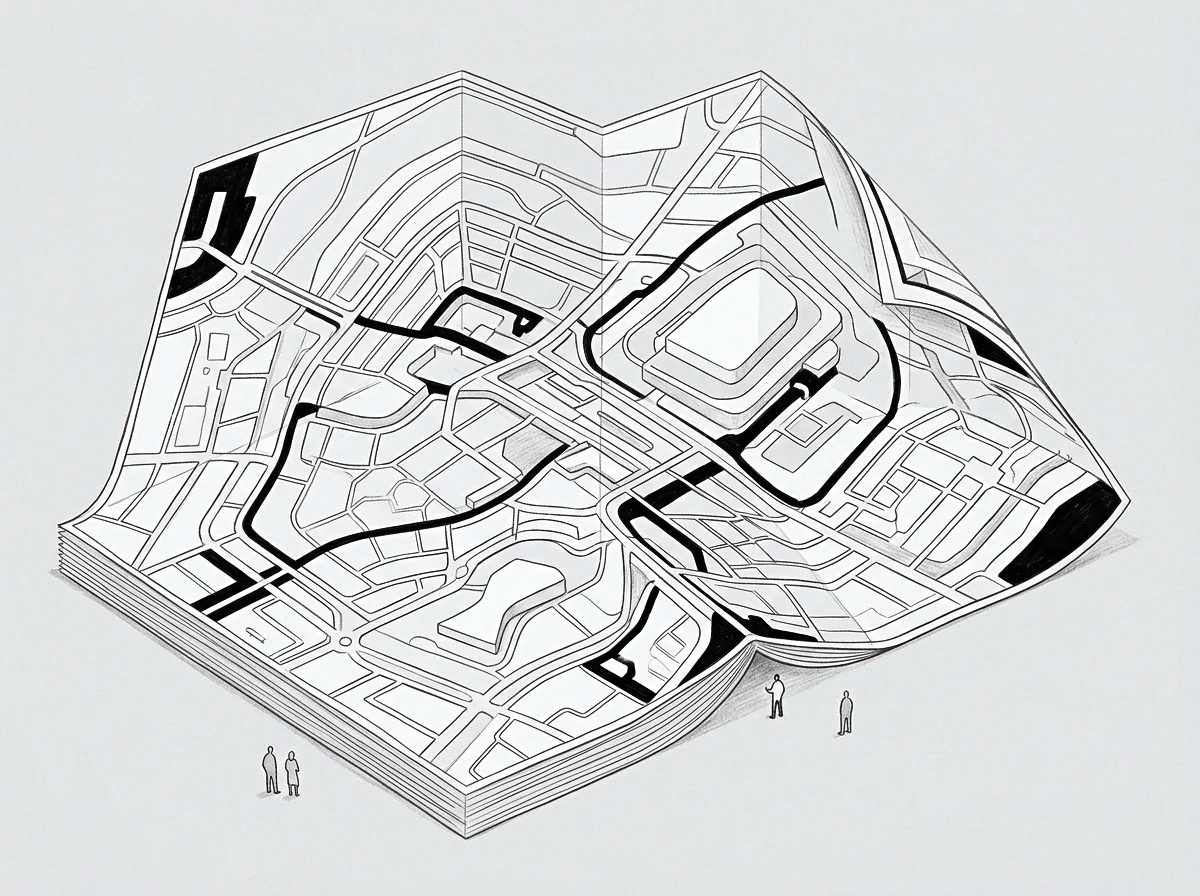
Evaluating Co-Regulatory Tenure Structures
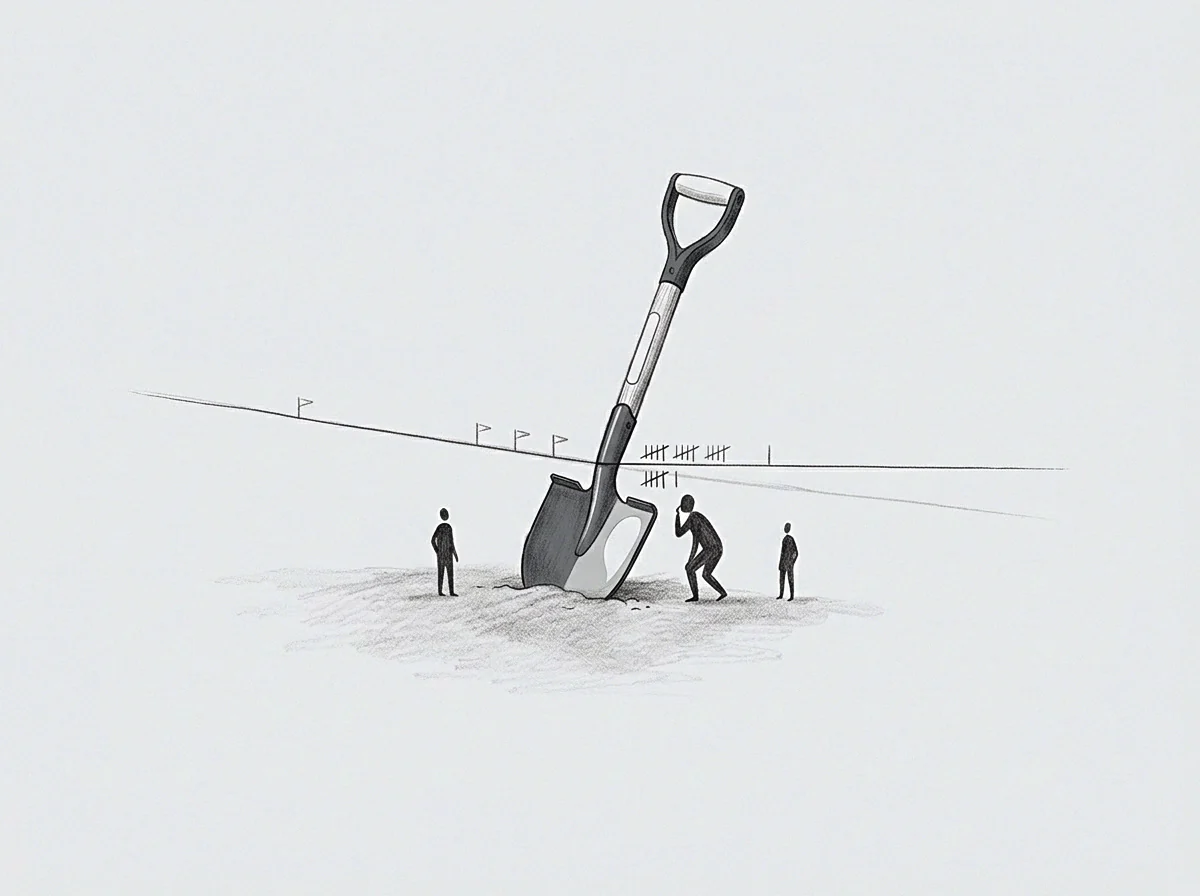
The comparative data reveals that structural intervention is not a luxury, but a core component of risk management. In high-demand electrical grids, physical vibration dampeners are attached to high-voltage lines to absorb wind-induced harmonic oscillations before structural fatigue causes catastrophic line rupture. Executive tenures require identical harmonic dampeners in the form of paired human baseline structures.
When an executive seat is redesigned around a dual-node co-regulatory architecture, operational latency drops significantly because threat processing is distributed across two coordinated minds. The secondary leader holds decision authority over specific operational domains, effectively filtering incoming crises before they reach the primary executive’s cognitive bottleneck. The partner pays the difference.
Without this structural separation, the isolated leader remains overwhelmed by continuous operational noise, driving decision quality down to survival levels. We expected the chief executive to hold the entire enterprise steady, but nobody built a seat that could hold the chief executive.
Span
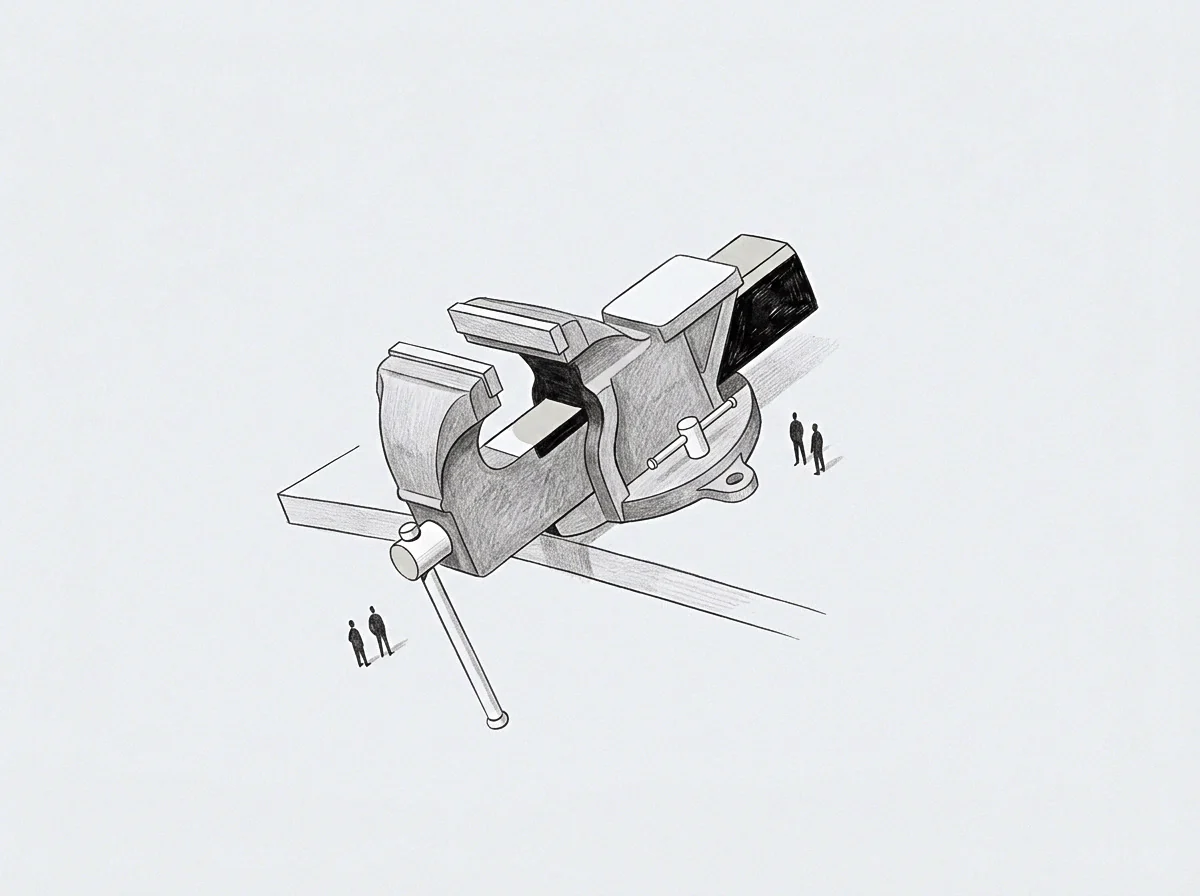
Human autonomic systems operate under strict limits regarding how many unresolved high-stakes threads can run simultaneously. Concurrency limits define the maximum number of active strategic crises, personnel restructurings, or capital allocations an executive can manage before cognitive flexibility drops sharply. When an enterprise forces an executive to exceed their natural concurrency limit, the leader’s internal working model shifts from expansive problem-solving to hyper-reactive threat containment.
The template stops updating.
Sustained overexposure to excessive concurrency generates allostatic load accumulation. Research on chronic workplace strain demonstrates that elevated salivary cortisol awakening responses combined with reduced high-frequency heart rate variability accurately indicate autonomic saturation. This state directly correlates with impaired prefrontal cortex function, reducing working memory capacity and increasing risk aversion or erratic risk-seeking.
These autonomic metrics are measured across high-strain professional cohorts under continuous operational load. The finding would move if real-time autonomic tracking during acute organizational crises showed non-linear stress adaptation without mandatory baseline recovery periods.
Concurrency Limits in Organizational Leadership
Establishing operational concurrency limits requires an explicit governance protocol that governs executive intake. The following sequential process protects the executive baseline from continuous overload:
- Auditing active operational threads across the executive domain every thirty days to calculate baseline load.
- Setting an explicit ceiling on active strategic crises permitted to run concurrently before mandatory operational intervention kicks in.
- Assigning a dedicated executive deputy who holds binding authority to close or freeze open operational loops.
- Enforcing mandatory four-day offline proximity resets following any acute organizational event lasting longer than ten days.
Enforcing these steps prevents the unchecked accumulation of structural fatigue across the leadership layer. When concurrency limits are strictly observed, executive tenures demonstrate significantly higher stability and strategic precision. The limit holds the boundary.
Template Preservation Over Multi-Year Tenures
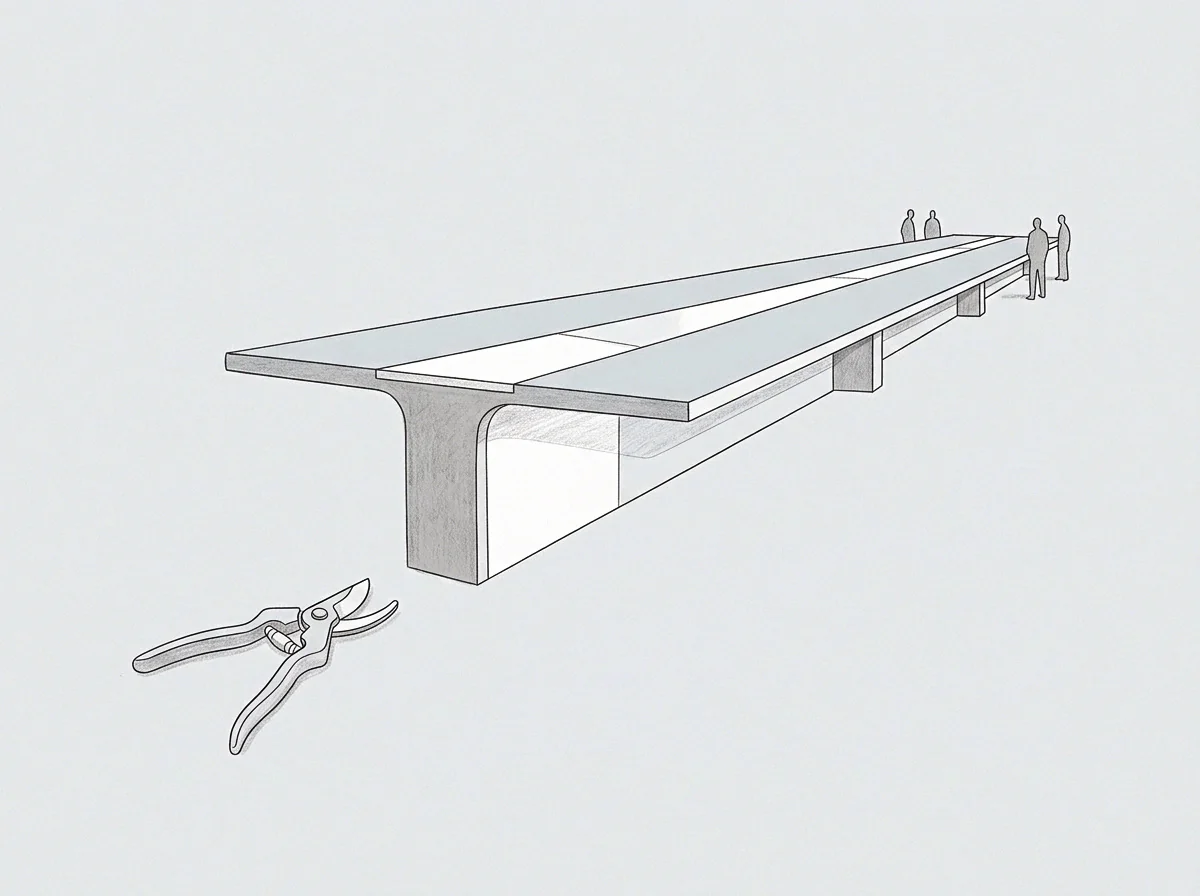
Long executive tenures often corrupt the leader’s internal regulator template. A leader who spends years managing high-stakes situations without co-regulatory protection internalizes an outdated operational model: believing that safety exists only when they personally control every variable. This backwards template prevents effective delegation and creates systemic organizational bottlenecks.
Updating an internalized regulatory template cannot be achieved through intellectual understanding alone. Rebuilding earned security within an executive seat demands repeated, real-world experiences where authority is shared, load is successfully buffered by a counterpart, and the enterprise thrives without the primary leader intervening in every detail. Capacity degrades under unbuffered stress.
When co-regulatory structures remain in place over two to three years, the executive’s system updates its baseline, restoring trust in institutional structures and expanding cognitive bandwidth.
When a co-regulatory counterpart consistently absorbs operational shock without collapsing or shifting the burden back, the primary leader’s nervous system gradually lowers its baseline threat sensitivity.

Draft
Writing structural protections into executive employment terms converts informal co-regulation into an enforceable operational boundary. Informal agreements regarding workload balance or executive support almost always collapse during acute organizational crises, precisely when co-regulation is most urgently needed. A formal tenure contract must state explicit structural terms that govern load distribution, proximity requirements, and mandatory throttling triggers.
The contract names the boundary. Legal contracts for executive tenures must evolve beyond compensation, severance, and fiduciary duties to address the physiological realities of sustained decision-making. By including explicit co-regulatory provisions, boards protect their most critical operational asset from premature depletion and governance failure.
Contractual limits on concurrent governance responsibilities preserve decision quality far longer than personal willpower.

Contractual Provisions for Co-Regulatory Protection
Effective structural interventions require precise contractual drafting. Explicit tenure agreements incorporate specific clauses that establish operational boundaries and co-regulatory support systems. These contractual provisions include:
First, an explicit concurrency ceiling that caps the number of major structural initiatives or acquisitions an executive can lead simultaneously without triggering mandatory deputy delegation. Second, a mandatory co-executive staffing provision that requires the enterprise to maintain a fully empowered operating partner or Chief Operating Officer alongside the primary leader. Third, a structural throttling protocol that automatically mandates operational load reduction whenever predefined organizational strain indicators are met.
These terms transform baseline protection from a subjective personal request into a binding corporate governance obligation. The board enforces the contract, shielding the executive from the continuous pressure to over-commit personal capacity during high-demand periods.
Updating Internal Models Through Structural Support
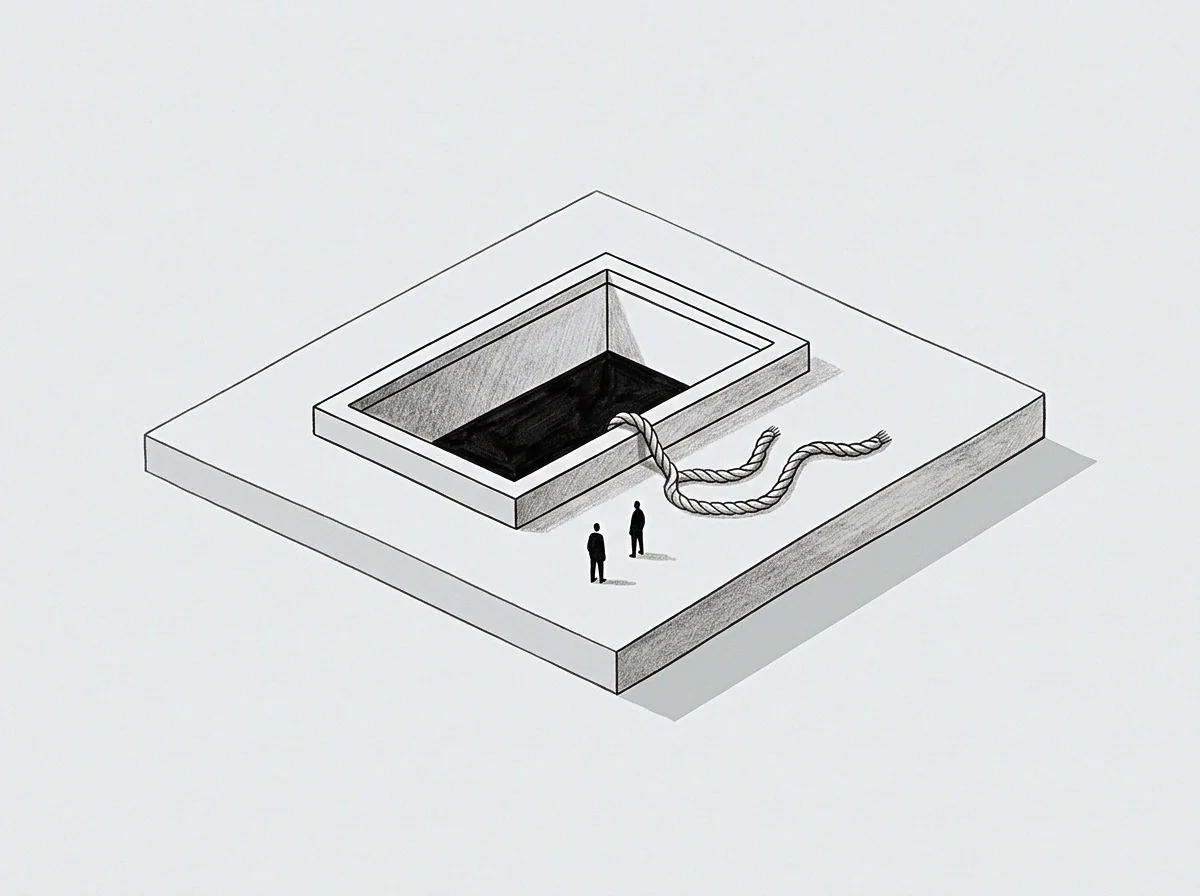
The ultimate objective of co-regulatory structural intervention is the long-term preservation and enhancement of executive capacity. When an enterprise installs structural throttles, dedicated tethers, and strict concurrency limits, it creates an environment where earned security can develop within the leadership seat. The leader moves from an isolated survival posture to a resilient, shared baseline posture.
This structural evolution protects both the executive and the enterprise. By recognizing the biological limits of solo regulation and institutionalizing co-regulatory support, organizations secure decision quality, stabilize executive tenures, and build sustainable governance architectures. An executive tenure agreement that explicitly defines mandatory co-regulatory deputy support upon reaching a operational concurrency limit fundamentally alters how authority and burden are distributed across the senior leadership team.