
Cognitive Restructuring Of Relational Capacity In Unshared Leadership Seats
Solitary executive seats collapse the receptor slot, requiring intentional exposure to symmetric non-operational presence to rebuild biological regulatory baseline.
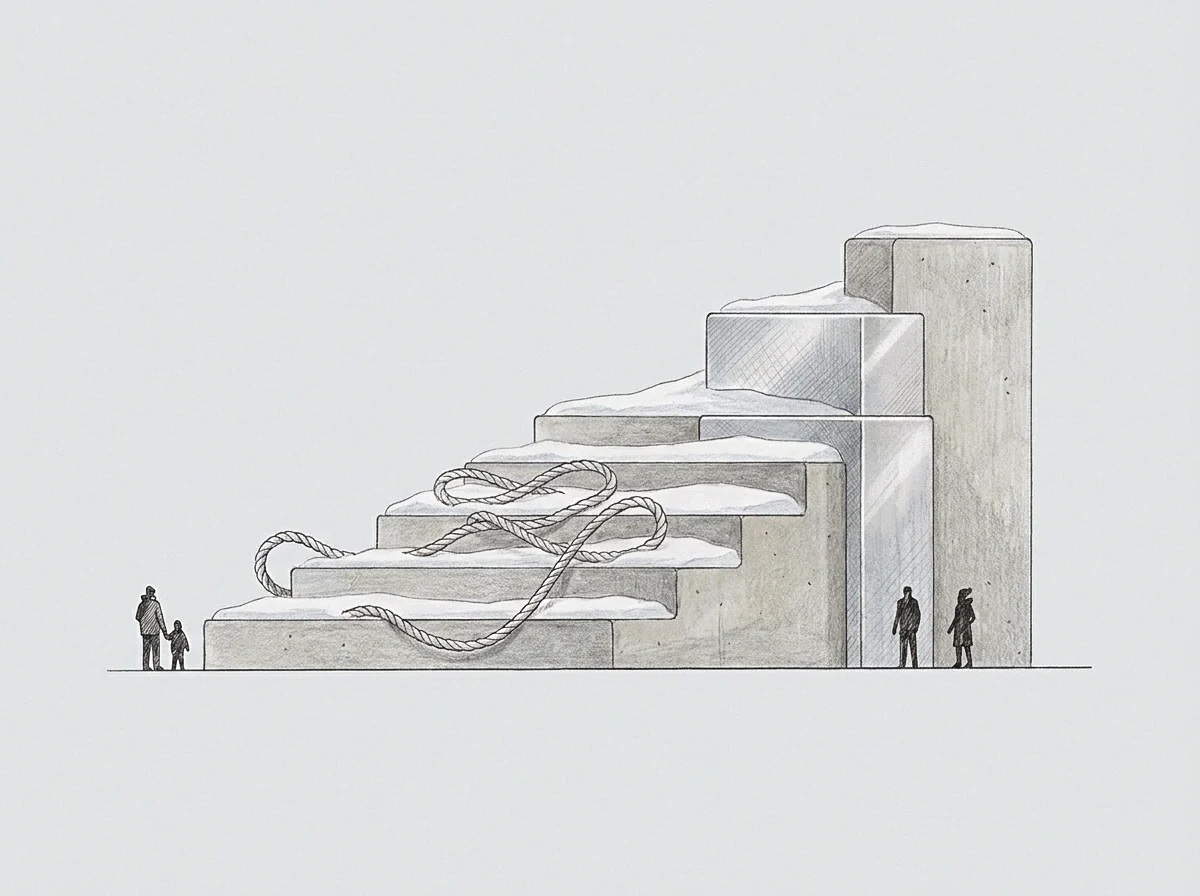
Seat
Midnight passes while four unfinished operational threads remain active on the primary monitor. A single individual sits at the desk, reading incoming status alerts from three department heads who require reassurance before the morning release. The room stays silent.
The person in the unshared seat absorbs each anxiety, rephrases the underlying risk into manageable operational tasks, and returns steady confirmations across the digital channels. Their heart rate decelerates slightly while writing these answers, a learned physiological suppression that masquerades as genuine recovery. Nobody sends an inquiry asking how the solitary operator regulates their own baseline.
The arrangement operates on an unspoken asymmetry, treating one central figure as an inexhaustible dampener of institutional alarm.
Under social baseline theory, the mammalian brain treats proximity to reliable conspecifics as the default metabolic baseline. Solitary threat monitoring represents an expensive departure from this resting state, forcing the central nervous system to budget glucose and attentional resources at ceiling rates. When a leader occupies an unshared role, every operational variance lands directly on their personal neurological ledger without distribution across a lateral partner.
The executive becomes the unilateral baseline for the entire roster. Subordinates bring unformed panics to this desk because presence next to an unreactive figure reduces their immediate cardiovascular load. The leader absorbs the peripheral agitation, burning metabolic reserve to maintain visible stillness, while the borrowers walk away with restored equilibrium.
Presence next to an unreactive operator lowers threat responses in subordinates while driving metabolic expenditure in the solitary executive to sustained ceiling rates.
The operational environment misinterprets this stability. Observers view the absence of visible panic as evidence of structural durability rather than accelerated allostatic strain. The proven capacity to carry external perturbation attracts additional unrouted tension from adjacent departments.
Investors forward ambiguous regulatory concerns to the same desk. Department heads request private conversations simply to stand in the stabilizing field of an operator who does not flinch. This steady posture functions as a continuous loan of neurological stability to the collective structure.
The loan carries no repayment schedule. The person at the center expends irreplaceable neural reserve daily, keeping the surrounding enterprise calm while operating entirely without a lateral buffer.
Everything appears under control right now because someone in that room always handles the ambiguity before daylight.
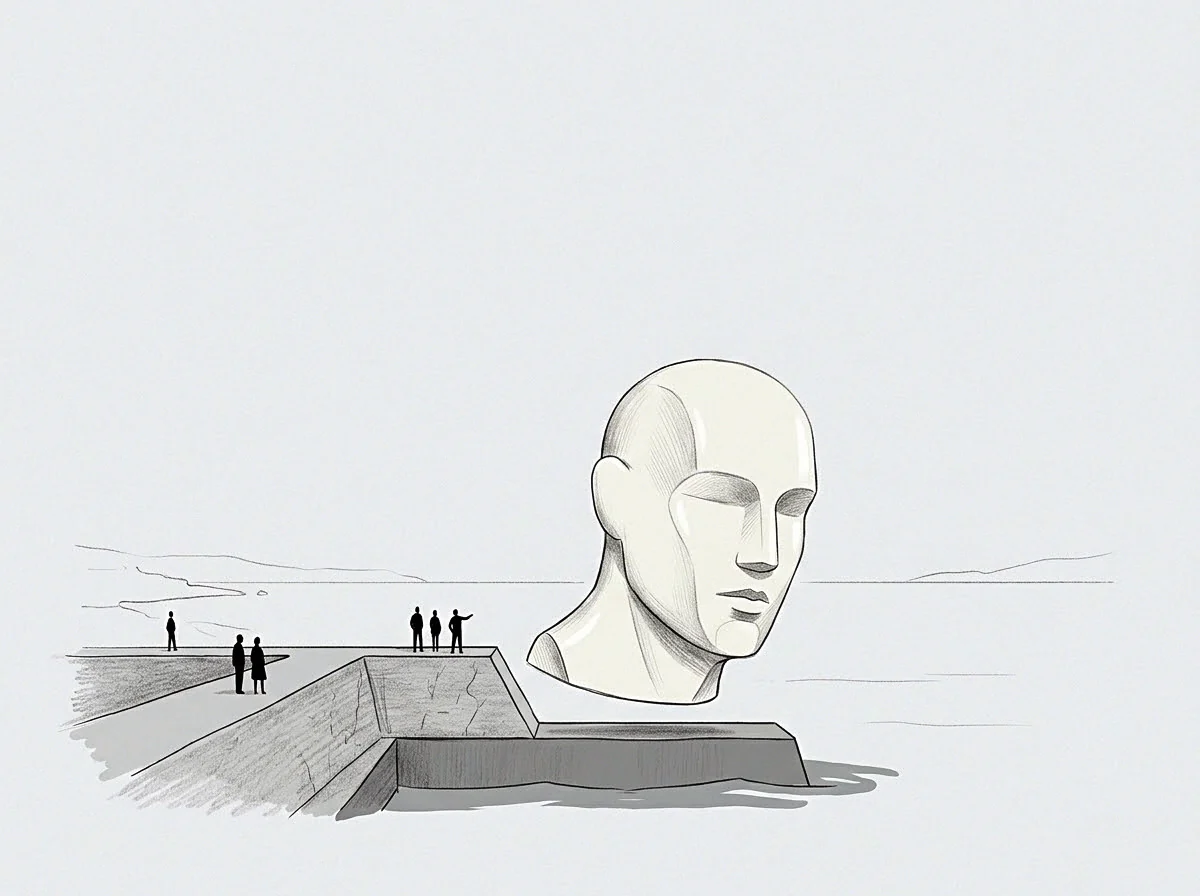
Expense
Calculations of leadership durability routinely tally financial runway while ignoring neurological depreciation. The biological machinery governing sustained focus, cardiac acceleration, and threat appraisal demands a finite supply of daily metabolic energy. In a shared executive partnership, two minds distribute this vigilance through parallel assessment, allowing each operator periods of physiological down-regulation during routine operations.
The unshared executive possesses no such rotational relief. Every shift in regulatory stance, competitive threat, or internal personnel rupture activates the autonomic nervous system in total isolation.
Continuous solitary appraisal alters the default operating parameters of the nervous system over extended durations. The brain responds to sustained unaccompanied threat monitoring by down-regulating specific receptor pathways, effectively closing the behavioral aperture for receiving comfort or lateral assistance. This structural shift explains why unshared leaders frequently reject genuine offers of operational support.
The receptor mechanism designed to accept lateral regulation atrophies through chronic disuse. Isolation becomes an automated defense against the unexpected friction of outside input.
The systematic extraction of biological reserves produces distinct operational distortions across the working tenure:
- Allostatic accumulation accelerates when unaccompanied executive vigilance forces baseline cortisol and autonomic arousal into sustained elevations, converting acute challenge reactions into systemic vascular wear.
- Attentional constriction sets in after prolonged isolation limits the cognitive bandwidth available for long-range planning, narrowing the executive horizon to immediate operational threats and defensive perimeter maintenance.
- Borrowed calm distribution depletes the central actor as peripheral team members offload their affective instability onto the solitary executive, drawing down the leader metabolic reserve without offering lateral restoration.
- Receptor slot atrophy solidifies behavioral isolation by dismantling the neural and psychological habits required to process external solidarity, transforming lateral vulnerability into an unfamiliar operational hazard.
Consider the regulatory profiles of two separate operating configurations managing identical commercial crises across an eighteen-month timeline:
| Evaluation Dimension | Solitary Executive Seat | Bilateral Leadership Partnership |
|---|---|---|
| Vigilance Distribution | Unilateral monitoring of commercial and existential risks | Alternating threat assessment divided across discrete spheres |
| Metabolic Recovery | Solitary off-hours pacing without genuine down-regulation | Reciprocal presence providing passive baseline restoration |
| Perturbation Handling | Complete internal absorption of team operational friction | Lateral dispersal of unexpected shocks prior to executive decisions |
| Relational Receptivity | Progressive systemic closure against external social input | Continuous engagement of biological coregulatory mechanisms |
Left unchecked, the chronic suppression of reciprocal regulation degrades executive decision velocity, resulting in sudden strategic paralysis that boards misdiagnose as acute failure of will.
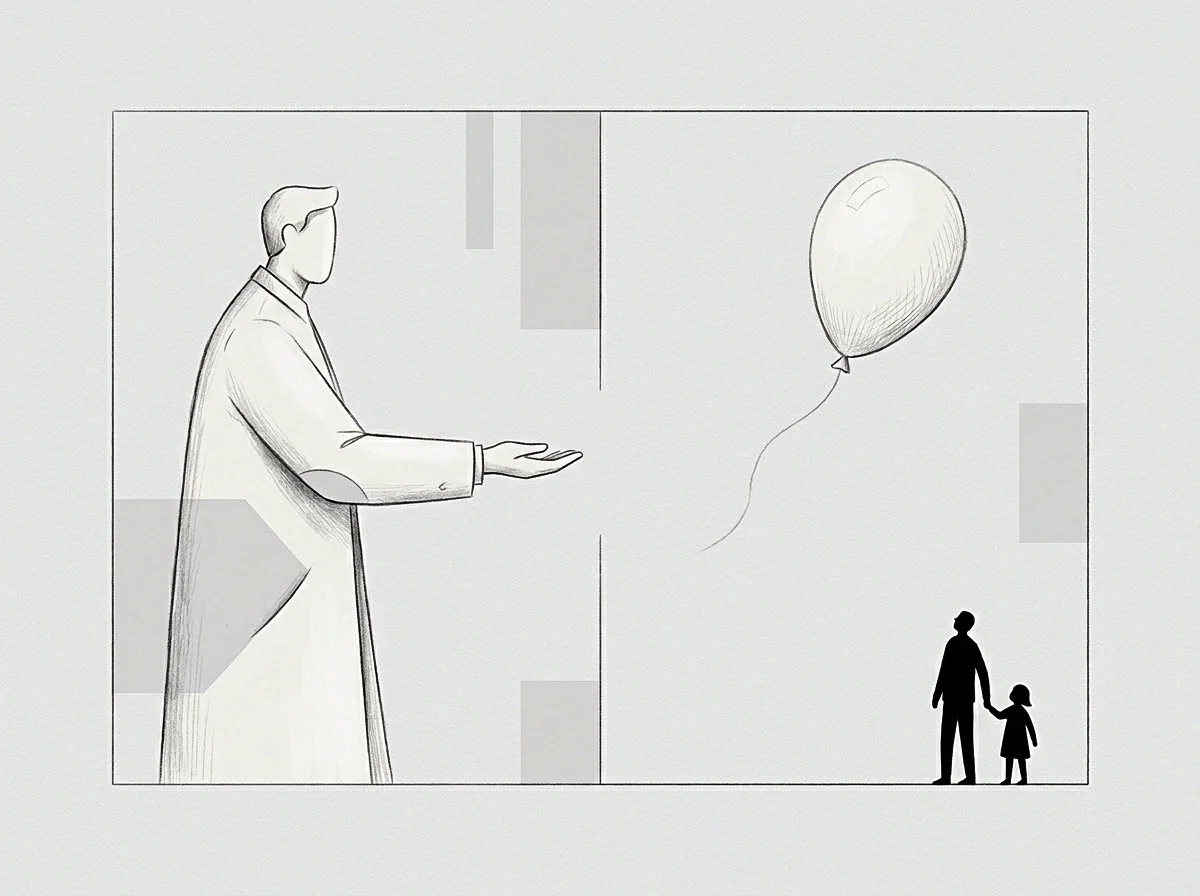
Filter
Human attachment architectures develop internal working models during formative operational stress. When an individual discovers early in their operating life that relying on an inconsistent environment produces systemic vulnerability, they adopt a backwards regulatory model. They assign the responsive, protective function entirely to themselves.
This inverted template operates on a single directional track: the individual provides containment for others but never develops the complementary capacity to sit inside another person’s containment. The professional hierarchy of an unshared executive seat matches this protective adaptation with absolute precision.
The unshared seat creates an artificial confirmation of this backward template. Every successful navigation of a corporate near-death encounter reinforces the internal mandate that safety exists solely through unilateral command. Team members praise the executive for unyielding poise under duress.
The board commends their decisive solitude. The executive internalizes this social reinforcement, filtering every lateral interaction through the strict premise that emotional or operational exposure invites structural failure. External assistance registers as a disruption to cleanly held internal processes.
The leader constructs an intricate intellectual defense against admitting lateral support into their working reality.
A backwards regulatory template treats external presence as an uncalculated operational risk rather than a metabolic resource.
Restructuring this protective filter requires acknowledging the difference between deliberate executive boundary setting and automatic physiological avoidance. The former preserves tactical focus through calculated time allocation. The latter represents a systemic shutdown of the capacity to experience lateral solidarity.
When an executive cannot tolerate the presence of a peer witnessing an operational breakdown, the barrier is regulatory rather than tactical. The nervous system rejects the experience of being seen in an unregulated state because its operating history associates that state with absolute destruction.
The governance charter and operational bylaws must stipulate mandatory lateral advisory review sessions before the execution of significant corporate reorganizations to interrupt unilateral defensive insulation.
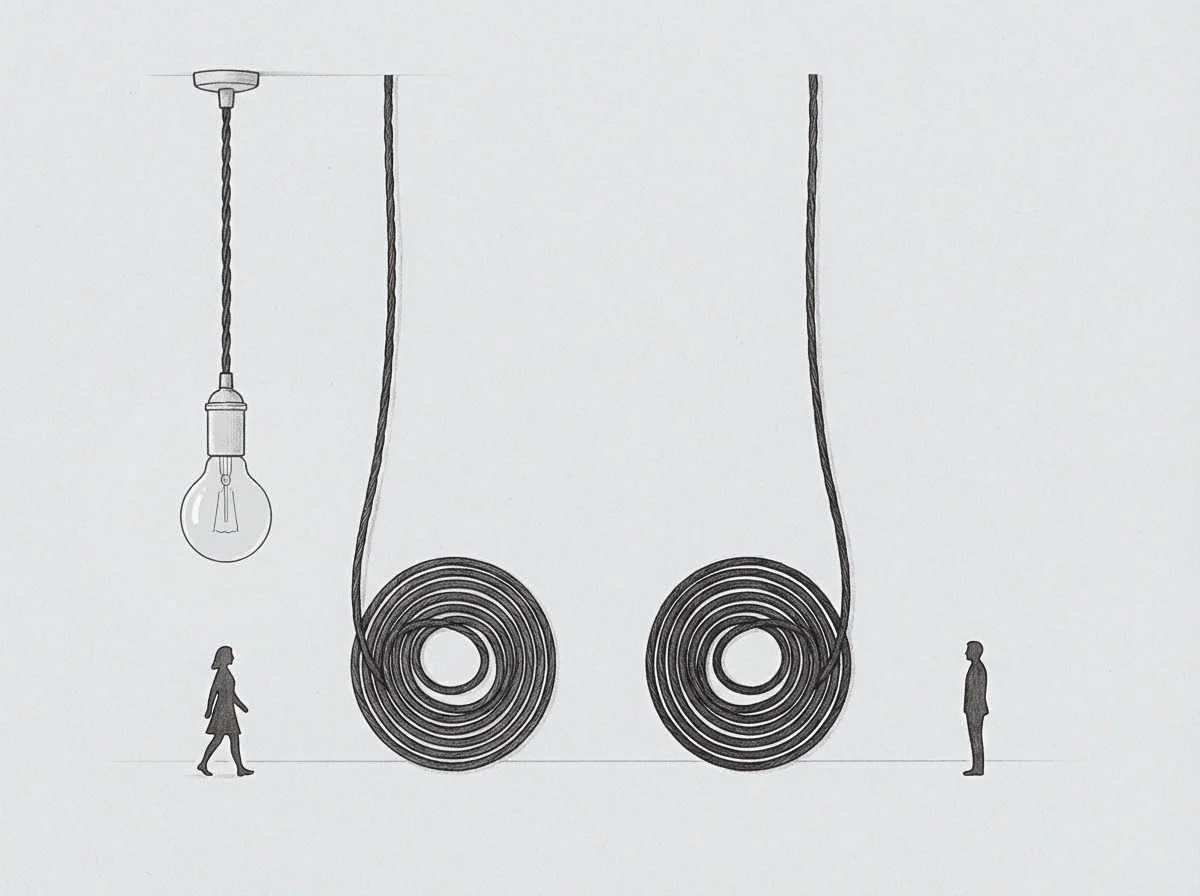
Revision
Transforming an entrenched regulatory template demands physical practice rather than cognitive clarity alone. Intellectual understanding of an internal working model changes almost nothing about how the nervous system budgets stress under acute load. Earned security develops through repetitive somatic exposure to safe, unmanaged relational contact where the individual does not hold the stabilizing function.
For an unshared leader, this shift represents profound disorientation. The executive must intentionally enter environments where their customary operational competence confers no structural authority, and where their internal state is permitted to fluctuate without imperiling the room.

Can A Regulator Reclaim Borrowed Hours?
Reclaiming autonomic stability requires subjecting the nervous system to calibrated intervals of mutual dependency. The solitary leader begins by building relationships completely divorced from commercial outcomes. These connections cannot function as transactional advisory sessions or structured peer mentorship circles where participants exchange competitive operational metrics.
True recalibration occurs in the physical proximity of peers who possess sufficient autonomic mass to hold their own ground without drawing upon the leader regulatory output. The executive learns to sit beside another steady presence without monitoring the room for signs of collapse.
The transition from solitary containment to distributed regulation advances across predictable behavioral thresholds:
- Recognition of habitual autonomic bracing during non-threatening lateral discussions.
- Voluntary suspension of immediate problem-solving interventions when peers disclose systemic uncertainty.
- Tolerance of physical vulnerability markers such as vocal tremors or operational hesitation in closed working sessions.
- Active utilization of a trusted peer calming presence during active commercial renegotiations.
- Stabilization of an internal working model that expects lateral safety without proactive self-suppression.
Laboratory findings in adult attachment plasticity indicate that neural pathways governing relational trust retain remodeling potential throughout mature life. This potential activates primarily when the relational environment disconfirms the individual historical expectations of abandonment or exploitation. When a solitary executive discloses an operational miscalculation to a lateral witness and meets steady presence rather than institutional panic, the old defensive filter experiences immediate structural turbulence.
The event creates a tiny, novel behavioral pathway. Repeating this experience across diverse operational settings gradually builds a second, more flexible regulatory template.
The regulator who leaves the seat unbraced discovers safety only after surviving the initial silence.
Accord
Establishing an enduring baseline shift requires cementing structural protections directly into the executive daily reality. Individual willpower cannot overcome an environment designed to elicit unilateral vigilance. The unshared leader must intentionally alter the architecture of their seat, introducing binding governance mechanisms that mandate lateral operational sharing.
This restructuring reaches far beyond ordinary delegation. Delegation retains the executive as the ultimate dampener who monitors the delegate. True structural accord distributes the existential threat monitoring function across independent actors who possess genuine legal and operational equity in the outcome.
Such structural redesign often entails appointing an executive co-chair, elevating an equal operating partner, or creating an independent executive committee invested with unilateral veto authorities. These structural moves intentionally dismantle the myth of the solitary dampener. When existential threat monitoring becomes a distributed responsibility, the primary leader autonomic nervous system receives permission to step down from perpetual ceiling alert.
The metabolic budget reallocates glucose from continuous crisis scanning to creative strategic synthesis. Relational capacity expands because the person in the seat no longer views every human approach as an incoming claim upon their depleted reserve.
Distributed existential threat monitoring frees the executive central nervous system from perpetual metabolic emergency.
The path toward shared regulation remains fraught with behavioral friction. The old template routinely reasserts its primacy during sudden macro-economic contractions or internal governance crises, tempting the seasoned leader to reclaim absolute command. Relapse into unilateral monitoring feels instantly familiar and paradoxically comforting to a nervous system forged in early isolation.
The disciplined operator anticipates this regression. They rely on their newly established structural checks to hold the perimeter when subjective internal composure falters, trusting the collective apparatus to absorb the shock.
Whether a solitary executive can permanently tolerate symmetrical vulnerability while maintaining ultimate operational authority remains an ongoing practical dilemma for corporate governance design.