
Dyadic Regulation Dynamics Following Extended Structural Isolation In Operators
Extended structural isolation forces operators into high-cost solitary regulation, suppressing neural receptor slots needed for dyadic co-regulation.
Seat
Four status channels remain open at midnight while a sole builder reviews capital allocations alone, having managed operations without a second executive for three consecutive years. Solitary management creates a physiological baseline in which the brain budgets cognitive energy without expecting interpersonal support.
The Mechanics of Solitary Allostatic Accumulation
Prolonged operational solitude alters how the nervous system calculates baseline threat levels. In ordinary dyadic environments, proximity to a reliable counterpart reduces the metabolic expenditure needed to maintain stability. When an operator spends extended periods making capital decisions alone, the central nervous system settles into continuous self-regulation, doubling the allostatic metabolic load.
Under social baseline theory, the human brain treats social proximity as the default, low-cost baseline for energy expenditure. Environmental demands register as more taxing when no second person shares the operational space. Over years of solitary building, this high-cost self-regulation hardens into a permanent baseline: the operator develops strong functional endurance while carrying substantial allostatic load.
The brain defaults to maximum metabolic expenditure when operational tasks are borne without visible dyadic backing.
When an isolated operator introduces a co-founder, strategic partner, or executive into the immediate working environment, that physiological baseline does not automatically relax. The nervous system has treated solo regulation as an operational necessity for too long to yield quickly. Rather than experiencing relief, the operator spends high cognitive energy attempting to accommodate another person in the room.
Without accounting for these entrenched habits, the arrival of a partner functions as an added demand on energy and attention rather than an asset.
Signal
When a second person enters the immediate workspace, the operator’s autonomic nervous system screens incoming social signals through established solitary habits, routinely bypassing ordinary proximity cues.
Autonomic Perception of Proximity
Physical closeness to a responsive counterpart typically reduces cardiovascular load during acute performance tasks. When an operator has worked in structural isolation for years, however, that autonomic reduction fails to occur. The nervous system remains locked in sympathetically driven hyper-vigilance, sustaining an elevated baseline that is easily mistaken for composure.
In a functioning dyad, two people rely on continuous subcortical adjustments, including eye contact, changes in tone, and quiet co-presence, that allow both nervous systems to down-regulate. An operator shaped by isolation often misreads those passive cues as noise, interpreting calm presence as an unscheduled demand on attention and executive bandwidth.
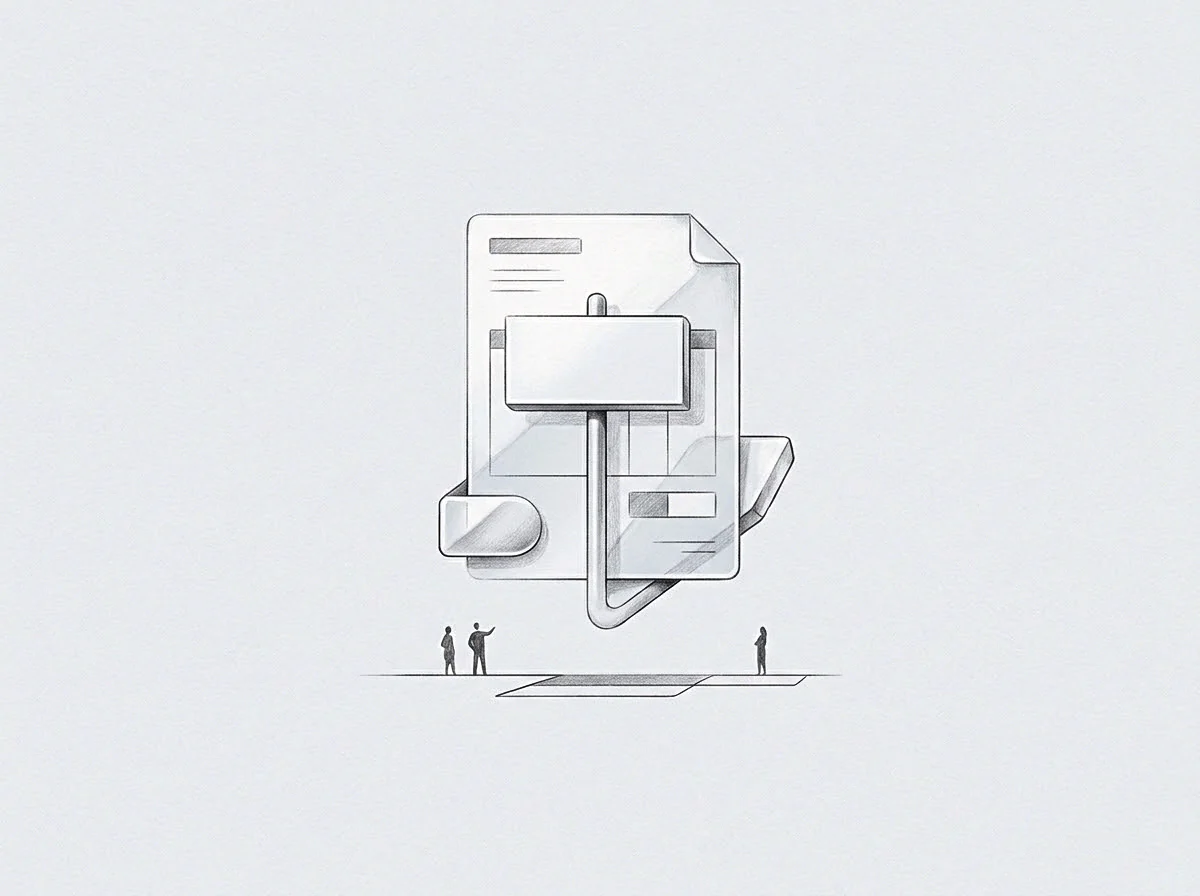
Where Does the Receptor Slot Suffer Atrophy?
Extended solo execution suppresses the neural circuits that register non-demand social contact. The receptor slot responsible for absorbing borrowed regulation atrophies over time, leaving the brain unable to draw on another person’s presence and keeping the full operational burden inside its own executive center.
| Parameter | Solitary Baseline Mode | Dyadic Integration Mode |
|---|---|---|
| Metabolic Budgeting | High central executive reserve consumption | Distributed physiological regulation cost |
| Input Interpretation | Social proximity parsed as operational demand | Social proximity parsed as threat mitigation |
| Allostatic Recovery | Requires complete environmental withdrawal | Occurs continuously via passive co-presence |
| Threat Modulation | Internal hyper-vigilance remains active | Vagal tone increases through reliable feedback |
Operators who train their nervous systems during extended solitude interpret quiet co-presence as an unstated request for action.
This perceptual misalignment creates friction inside newly formed leadership dyads. The incoming partner attempts to offer co-regulation through calm physical presence, only to prompt the primary operator to accelerate task velocity against a perceived operational disruption. Every offer of silent presence is met with defensive task management, as though a deadline had just been introduced.
Template
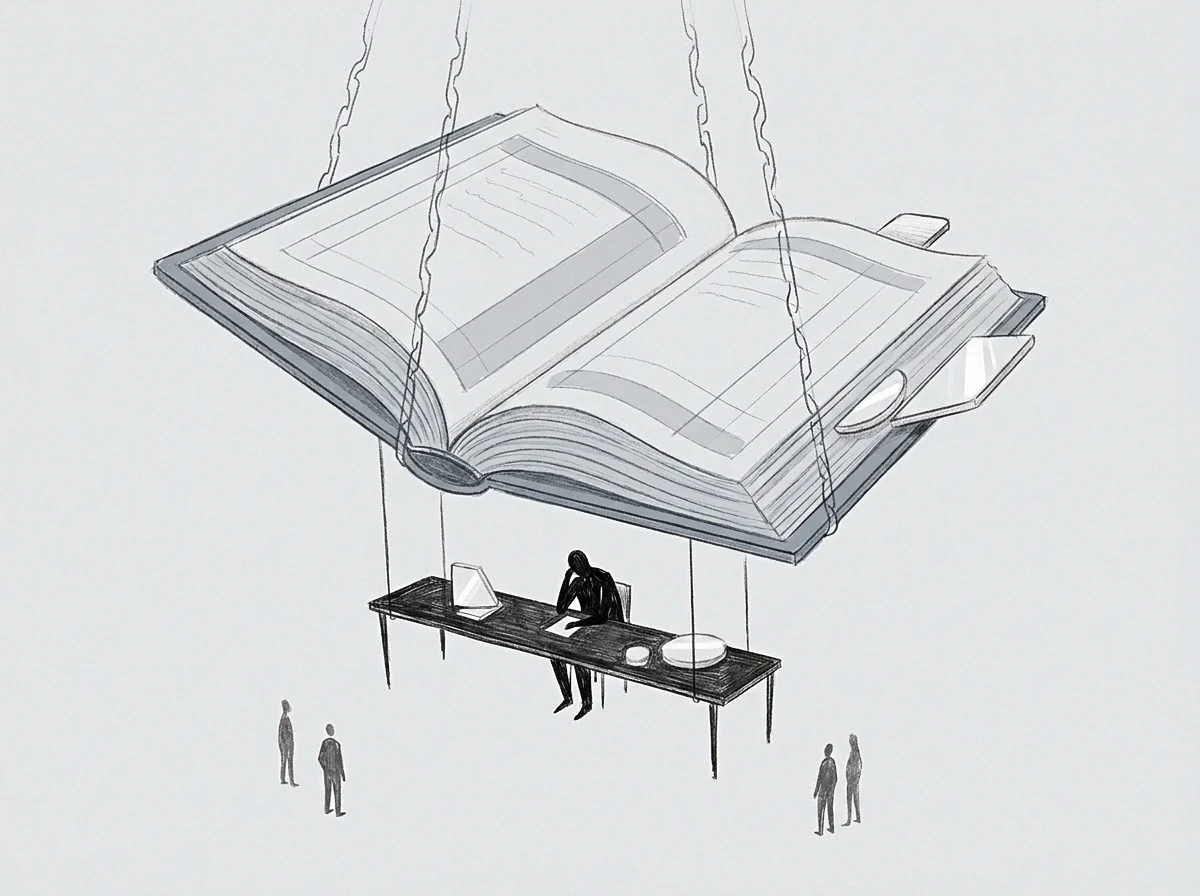
An internal working model built over years of sole accountability tends to conflate personal preservation with protecting the team. Self-soothing and external stabilization then draw on the same pool of attention and energy, creating an immediate imbalance.
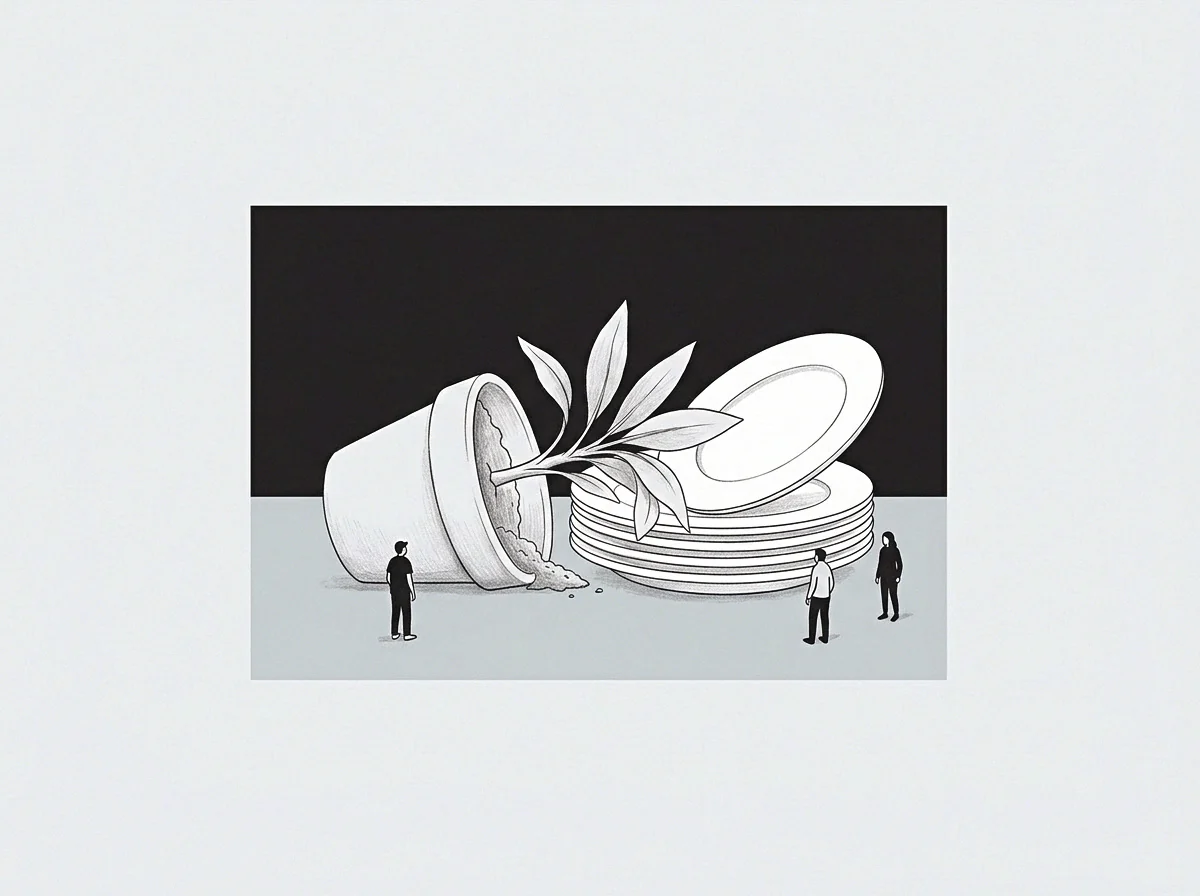
The Backward Model of Interpersonal Holding
Operators who manage recurring emergencies alone internalize an asymmetry in which they serve as the single anchor. They absorb panic from investors, staff, and customers without ever receiving regulation in return. Over time, their internal template develops without a receiving mechanism, locking them into the role of sole provider.
When an incoming partner attempts to offer stability, the primary operator’s regulator template reverses the dynamic. The operator instinctively attempts to steady the person who stepped forward to help. This inversion prevents genuine co-regulation, stranding the primary operator in isolation even inside an active partnership.
- Receptor slot saturation occurs when an operator treats every offer of support as an obligation to stabilize the counterpart.
- Vagal braking collapse develops when the primary operator avoids yielding metabolic control, keeping heart rate variability suppressed.
- Covert contract accrual emerges when an operator expects unspoken returns from the counterpart for unprompted emotional effort.
- Asymmetric baseline tethering forces the secondary partner to anchor to a rigid nervous system while the primary operator absorbs no co-regulation.
An internal model built on self-reliance treats incoming emotional support as a structural vulnerability instead of an operational resource.
The main problem with this backward template is that the operator rarely notices it running. An inability to accept support is easily rationalized as discipline or endurance, masking the underlying physiological deficit. Without an intentional reset of that model, calm moments with a partner continue to register as operational liabilities.

Room
Consider an arrangement where two founders build an enterprise together after one spent four solitary years scaling an earlier venture. The experienced builder holds final authority on capital allocation, while the incoming partner manages day-to-day operations and organizational culture.
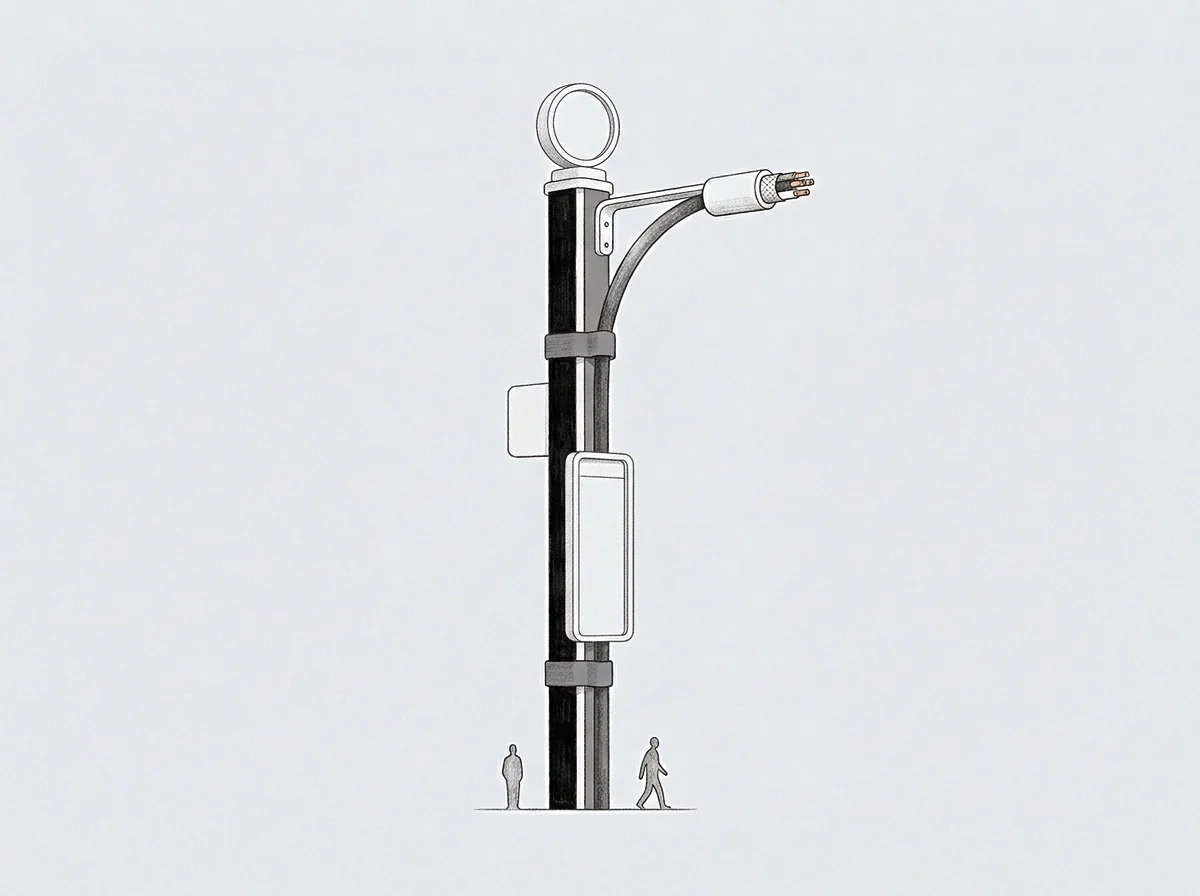
Trajectory of Dyadic Misalignment Across Twelve Months
Initial alignment holds during early fundraising rounds, when shared focus on clear milestones disguises the primary builder’s reliance on solitary regulation. Once the funding pressure clears and the pair shifts into routine work in a shared office, regulatory friction surfaces.
The primary builder stays hyper-vigilant, treating unscheduled conversations as operational interruptions. When the secondary partner tries to slow the pace to encourage recovery, the primary builder accelerates output instead, viewing the deceleration as lost momentum.
- The isolated operator enters the partnership with high functional output while relying entirely on solitary self-soothing protocols during off-hours.
- The incoming partner offers relational proximity, which the primary operator unconsciously misinterprets as an unscheduled audit of operational capacity.
- The primary operator increases task velocity to eliminate perceived oversight, elevating internal allostatic load while appearing perfectly composed.
- The dyad reaches a structural breaking point when physical exhaustion forces a collapse of the operator’s solitary regulation machinery.
A partner who offers calm to a hardened operator will be treated as an observer until shared risk creates equal vulnerability.
By month nine, the partnership shows severe strain despite a healthy balance sheet and clear operational metrics. The secondary partner is sidelined, while the primary builder remains exhausted and isolated in a shared office. Resolving this pattern requires an intervention that shifts metabolic self-governance before physical exhaustion forces an operational stoppage.
Shift
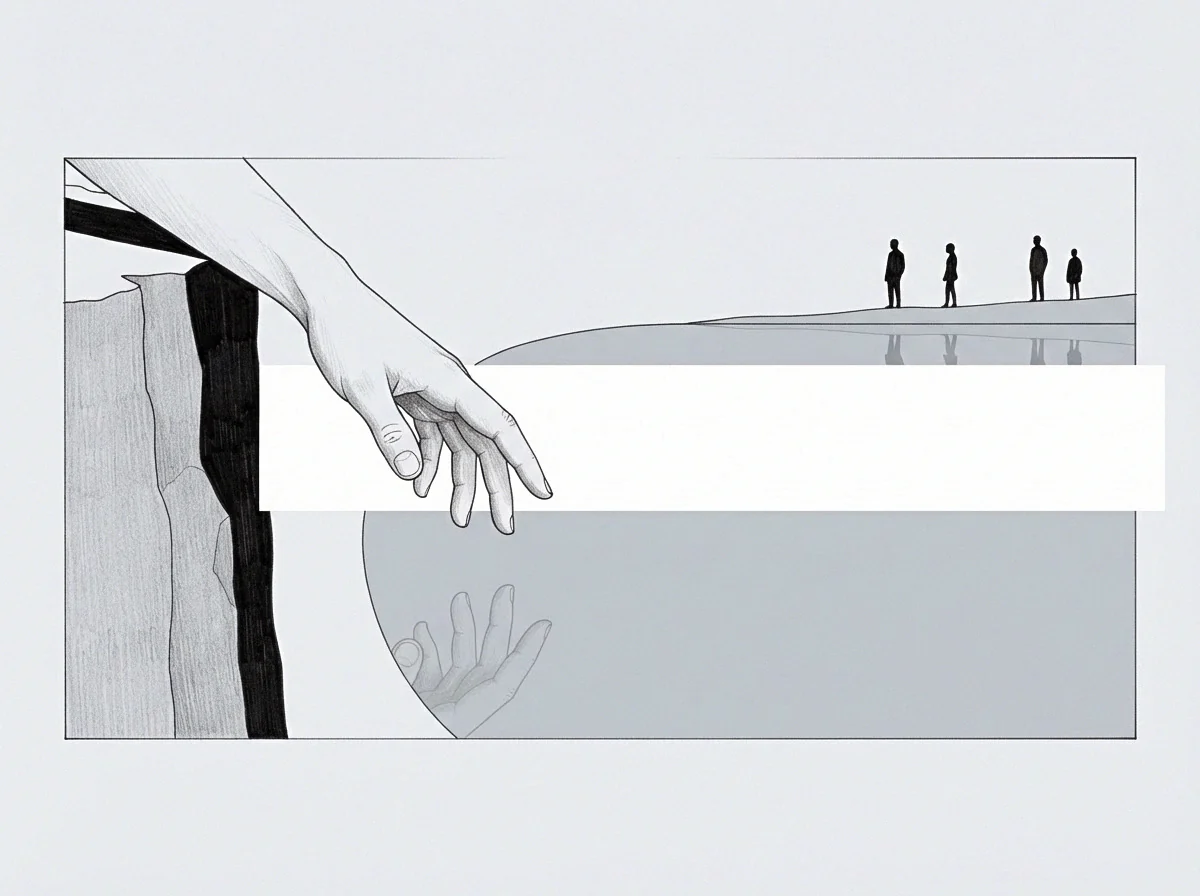
Updating an internalized solitary baseline requires concrete experience rather than intellectual analysis. Understanding the neurobiology of isolation does nothing by itself to alter autonomic reactions during live interpersonal contact.
The Genesis of Earned Security
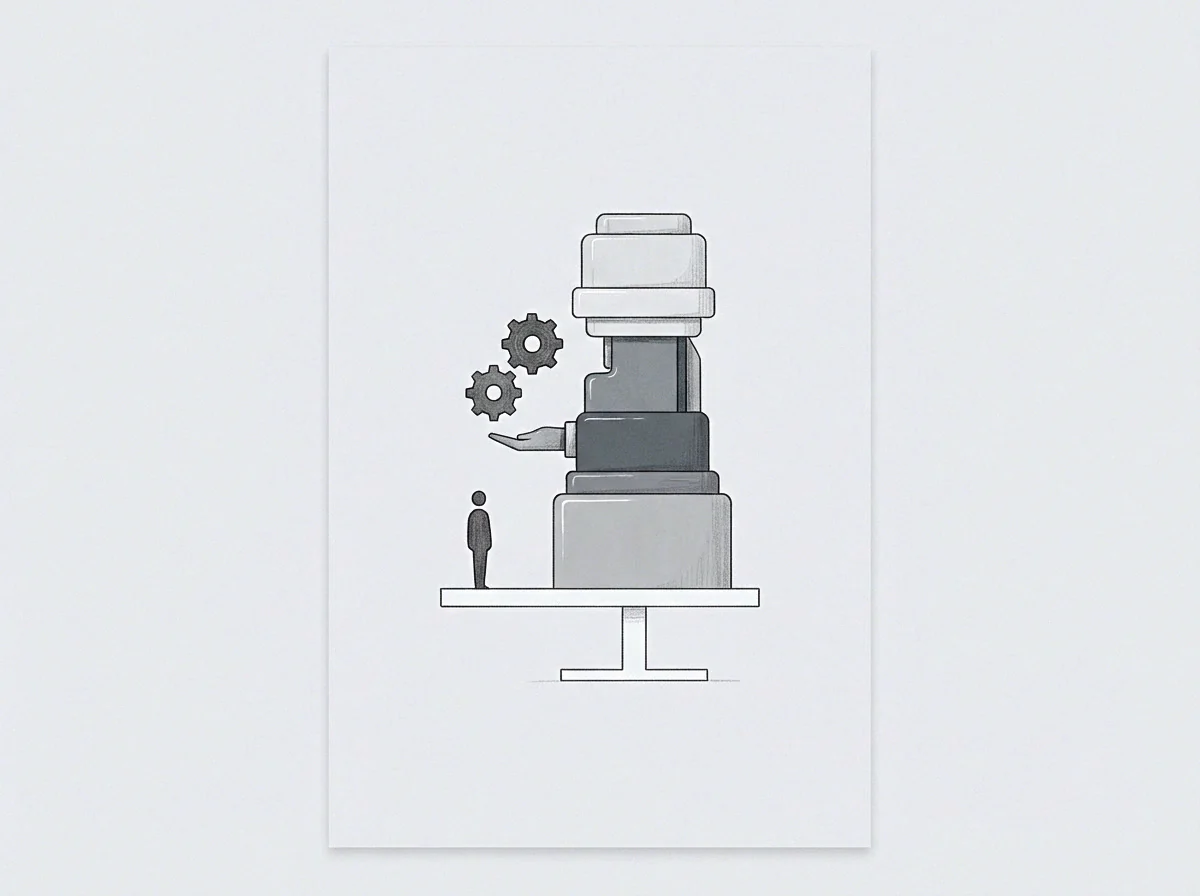
Relational templates shift only when anticipated costs fail to materialize during genuine exposure. For an operator conditioned by years of solo execution, that recalibration cannot happen through conversation or intellectual agreement alone.
The brain requires repeated demonstrations where shared accountability holds under actual risk without the primary operator stepping in to salvage the outcome, matching the principles of social baseline theory and proximity economics. When a secondary partner protects a critical operational line during a crisis and the primary operator refrains from seizing control, the nervous system logs a novel physiological outcome, allowing the receptor slot to reopen.
This process of earned security develops gradually over extended cycles. As the primary operator accumulates instances where shared execution yields results without personal metabolic overload, the autonomic baseline resets. The operator learns to draw on borrowed regulation from a responsive other, reducing total energy expenditure.
Integration takes hold only when a team resolves crises together without the primary operator resuming sole control of the outcome.