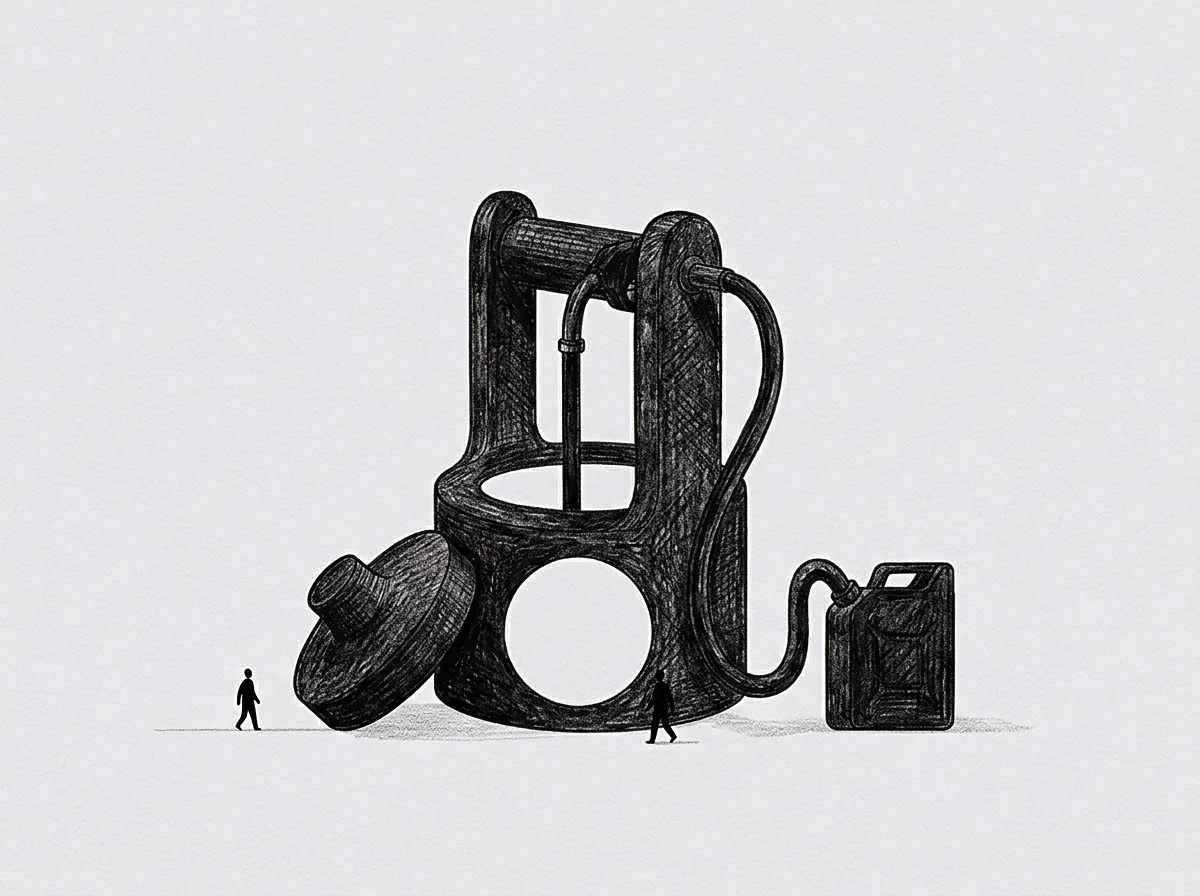
Meaning
Individual capacity for internal control functions as a primary mechanism for maintaining performance under pressure. Through autonomous self-regulation, a person manages their physiological states and cognitive focus without needing external cues or social support. This internal process ensures that reactions remain proportional to actual environmental demands.
It allows for the maintenance of goal-directed behavior even when emotional or physical fatigue begins to set in.
Internal Control
Maintaining equilibrium requires a continuous allocation of mental energy. The cost of autonomous self-regulation is the reduction of available attention for complex decision tasks. When the regulatory load exceeds the available capacity, the precision of executive function begins to decline.
Fatigue diminishes the speed of internal monitoring. This reduction in speed increases the likelihood of a physiological overreaction.
Capacity Cost
Sustained effort eventually leads to a state of depletion where the ability to inhibit impulsive reactions disappears. This threshold marks the transition from controlled action to reactive behavior. Hours spent in high-stakes environments increase the rate of this depletion.
Operational Limit
Functional stability depends on the periodic removal of external stressors. Without these intervals, the system cannot replenish the resources required for autonomous self-regulation. The ability to regulate one’s state is a finite resource that resets during rest.