
Sharing The Autonomic Burden Across Executive Teams Under Duress
Distributed executive regulation shifts threat appraisal from an isolated nervous system to a collective social baseline, preserving strategic capacity under duress.
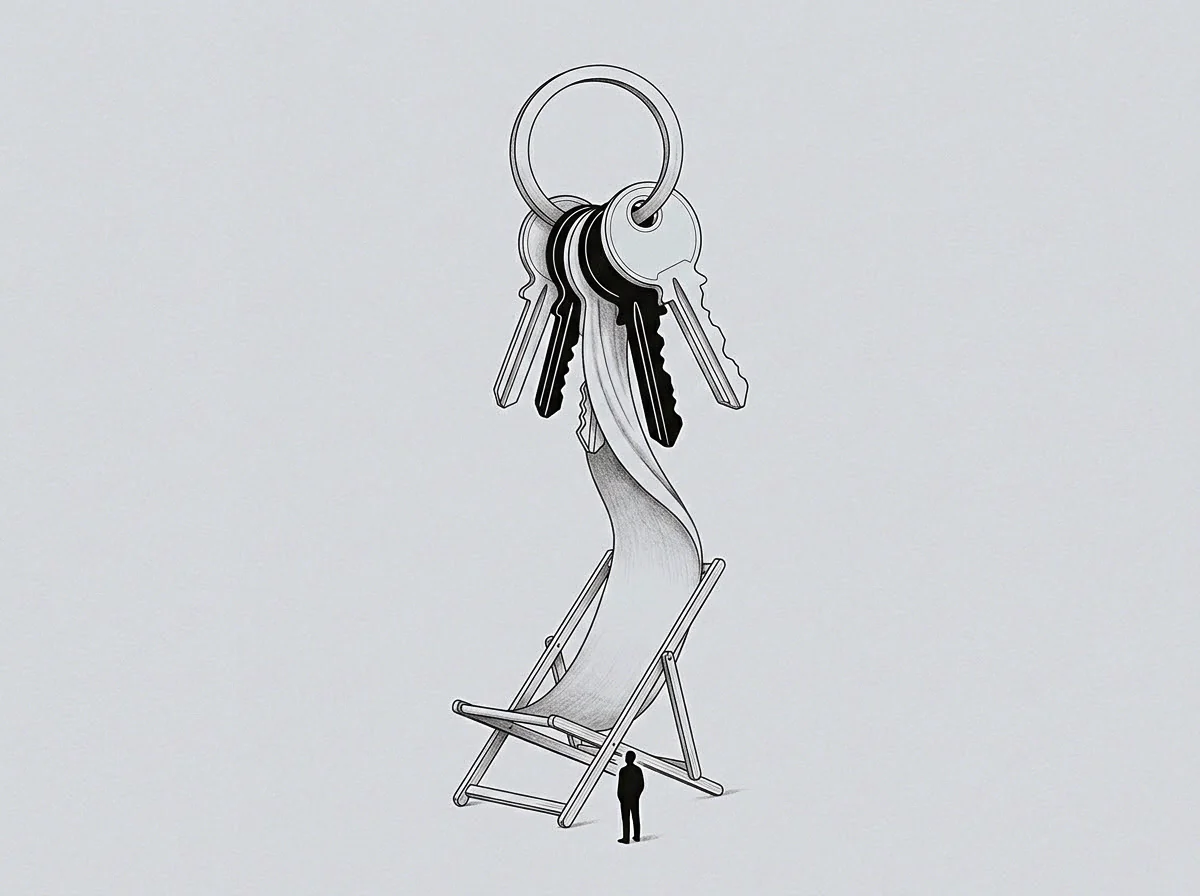
Circuit
Four browser tabs sat open to investor correspondence while a cash flow ledger showed seventeen days of operating runway remaining. The chief executive answered an operational message about customer churn within two minutes, keeping the tone flat, steady, and light. That response gave the vice president of sales an immediate drop in heart rate.
The sender absorbed the calm, closed the chat application, and resumed cold outbound calling. The chief executive remained alone in the room with an elevated galvanic skin response and sustained peripheral vasoconstriction. One person absorbed the biological stability of another person without registering the transaction.
The person who supplied the steadiness experienced an increase in metabolic threat calculation.
Social baseline theory treats human neural architecture as an open thermodynamic economy. The brain conserves metabolic resources by presuming the operational proximity of reliable social partners. When a solitary mammal evaluates a physical obstacle or an environmental threat, the bioenergetic cost of vigilance, cardiovascular readiness, and glucose mobilization falls entirely upon that single organism.
The prefrontal cortex must compute worst-case projections, suppress panic responses, and maintain active working memory. In the measured presence of a familiar, predictable counterpart, neural threat vigilance drops immediately. Hypothalamic-pituitary-adrenal axis activation diminishes.
The dorsal anterior cingulate cortex and anterior insula register reduced distress signals under electrical shock paradigms. This economy operates through baseline presence. Solitary self-regulation constitutes an emergency state rather than a default operating posture.
A reliable counterpart in physical proximity lowers baseline hypothalamic threat computation before conscious appraisal begins.
Within executive teams under severe commercial duress, this physiological offloading occurs continuously. The formal organizational chart allocates operational domains such as product engineering, revenue generation, legal defense, and capital formation. The autonomic allocation follows a different pathway.
Executive counterparts unconsciously scan the leadership group for an anchor point. When an individual demonstrates a suppressed startle response, low vocal pitch variation, and unhurried motor patterns, counterparts attach to that somatic steadiness. They experience that steadiness as their own recovery of executive function.
The individual who provides the baseline state pays for the collective clarity through accelerated biological weathering.
The neural calculation happens outside conscious awareness. Allostatic load accumulates quietly. When three executive peers continuously offload their existential commercial dread onto a single steady leader, the recipient functions as a biological capacitor for systemic terror.
The team praises the leader for extraordinary resilience. The steady leader experiences worsening sleep disruption, elevated fasting blood glucose, and chronic sympathetic tone. The arrangement holds until the solitary capacitor suffers acute physiological collapse, leaving the executive group stripped of its borrowed neural scaffolding during the operational crisis.
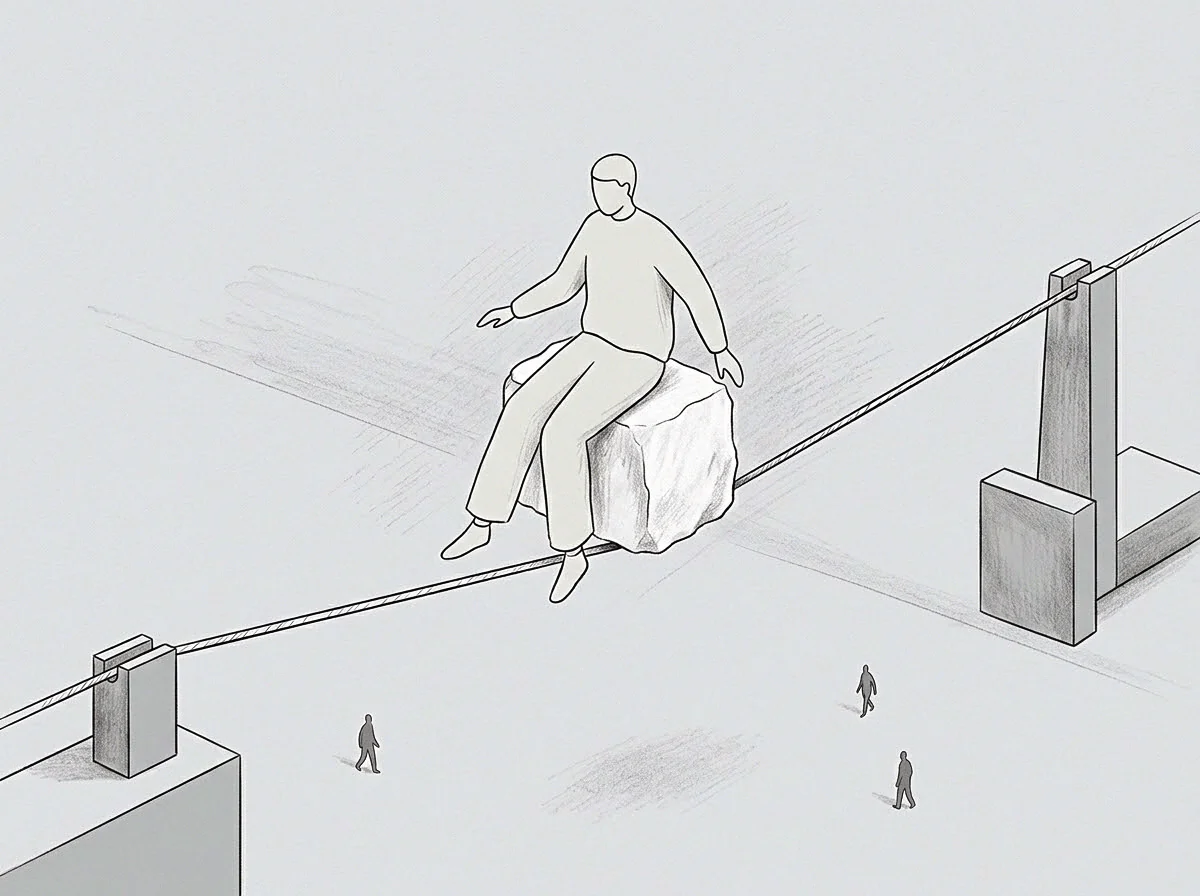
Table
Physical proximity alters how an executive group computes existential solvency risks. In an office room where four partners share visible air during an existential contract renegotiation, respiration patterns and autonomic signals synchronize over shared minutes. Micro-expressions, postural shifts, and vocal resonance provide immediate real-time feedback that suppresses the sympathetic nervous system.
Remote digital interfaces disrupt this sensory loop. Video screens and asynchronous text streams introduce an artificial lag into interpersonal perception. The brain interprets perceptual lag as social ambiguity.
Ambiguity triggers immediate threat surveillance. Solitary executive operators sitting behind illuminated displays compute risk profiles with solitary metabolic budgets.
The structural distribution of autonomic stress between concentrated and distributed leadership models shows measurable divergences across physiological and operational dimensions.
| Operational Dimension | Concentrated Autonomic Hub | Distributed Autonomic Network |
|---|---|---|
| Primary Regulator Site | Isolated founder or chief executive | Paired peer executive dyads |
| Threat Processing Mode | Solitary internal suppression | Simultaneous bidirectional appraisal |
| Cardiovascular Cost | Sustained nocturnal vagal withdrawal | Rapid post-crisis vagotonic rebound |
| Information Distortion | Filtering reality to shield peers | Unfiltered exposure with shared presence |
| Metabolic Recovery Window | Deferred until operational resolution | Intermittent intra-day physiological resets |
| Systemic Single Point of Failure | Sudden executive cognitive exhaustion | Graceful degradation of group pacing |
The concentrated hub model treats the principal leader as an infinite shock absorber. In commercial practice, the founder assumes that maintaining an unflinching posture protects the executive team from despair. This posture produces an acute information barrier.
When an individual cannot reveal autonomic distress, that individual cannot share raw risk variables with operational partners. The executive team observes the leader’s impassive face and assumes the underlying insolvency threat remains manageable. They continue executing discretionary initiatives that drain capital reserves.
The leader bears the full burden of knowing the company approaches insolvency within twenty business days. The silence purchases temporary peer comfort at the price of institutional agility.
Direct exposure to reality functions differently when distributed across equal executive peers. When two leaders sit at a shared desk, examine an adverse legal filing, and allow each other to observe initial autonomic activation, neither party attempts solitary stoicism. They acknowledge somatic activation openly.
They match breathing rates. They begin parsing operational options within minutes. The metabolic cost of threat appraisal divides across both nervous systems.
Shared threat appraisal lowers prefrontal exertion. The situation remains dangerous, yet the biological taxation stays sustainable.
Everything appears under complete control because the leader never flinches in operational check-ins.
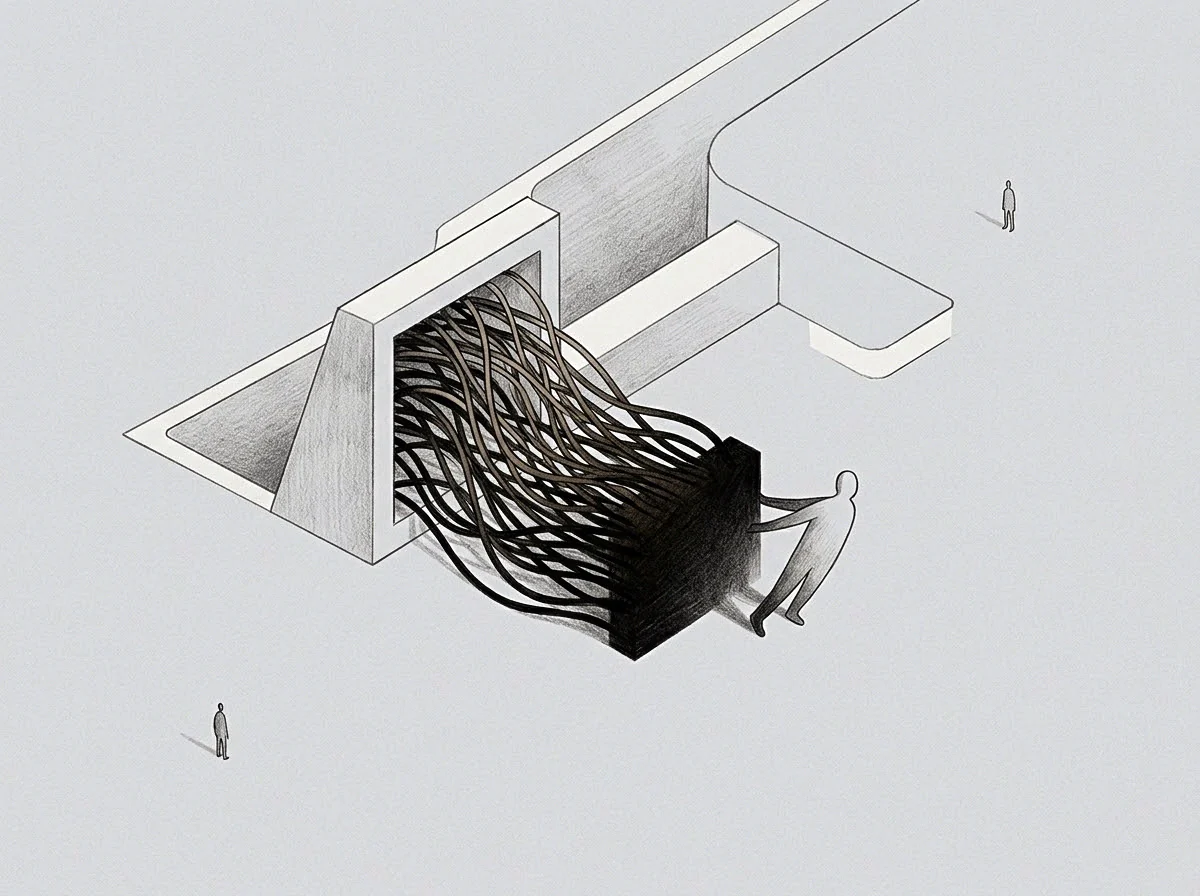
Brace
A structural failure occurs when an executive develops an internal working model that rejects external autonomic support. This developmental adaptation originates long before commercial life begins. An individual who experiences early developmental environments lacking dependable adult attunement learns an inverted regulatory sequence.
That child discovers that displaying fear, disorientation, or fatigue invites neglect, instability, or retaliation. Survival demands that the developing individual become the primary soothing presence for the volatile parent. The young person internalizes a model of the self as the sole provider of security.
The receptor slot for receiving soothing from another person closes completely.
In adulthood, this inverted template drives exceptional commercial capacity. The individual steps naturally into high-stakes leadership roles where chaotic environments overwhelm ordinary operators. Chaos feels familiar.
Holding the operational line against catastrophic risk activates an established behavioral identity. The problem manifests when the venture experiences prolonged, structural duress. The leader operates without an intake valve.
The executive can emit calming signals to board members, department heads, and operational staff for fourteen hours every day. When an executive peer offers genuine emotional or operational partnership, the leader registers that gesture as a threat to systemic equilibrium. The leader suspects that relying on a peer will induce catastrophic disappointment.
A closed receptor slot registers peer support as an operational hazard rather than a regulatory resource.
Specific behavioral distortions reveal this pathological load absorption across the executive suite:
- Reflexive minimization occurs when an executive conceals acute operational panic behind instantaneous dismissals of personal exhaustion, ensuring peers remain oblivious to looming cognitive brownouts.
- Hyper-vigilant gatekeeping manifests when a single leader insists on reviewing every sensitive legal, financial, and personnel conflict alone, preventing peers from encountering raw organizational stress.
- Compulsive performance calm appears when a leader artificially flattens vocal tone and facial affect during operational free-falls, absorbing systemic panic by manufacturing synthetic stability for others.
- Unilateral risk quarantine involves locking critical existential liabilities inside personal notebooks, denying executive counterparts the operational context needed to mount collaborative defense measures.
These distortions damage the executive body over time. The sympathetic nervous system remains permanently locked in beta-adrenergic overdrive. The vascular endothelium suffers micro-damage from chronic glucocorticoid circulation.
The executive develops an intractable sense of solitary isolation despite sitting at the center of an active, well-funded executive team. Colleagues mistake this defensive posture for supreme professional competence. They bring larger crises to the leader’s desk.
The leader accepts the incoming load because refusing it challenges the core internal working model. The cycle compounds until an involuntary physical symptom breaks the pattern.
The explicit contractual covenant establishing shared operational ownership dissolves into an unstated dynamic where one nervous system finances the psychological survival of four colleagues.

Relay
Redistributing autonomic load across an executive group requires disciplined behavioral protocols. Executive teams cannot rely on spontaneous empathy or intuitive sensitivity when commercial duress peaks. Under acute threat, human beings default to baseline conditioning.
If the prevailing conditioning dictates solitary endurance, team members will retreat into isolated defensive silos. The executive team must establish explicit, structural mechanisms that force threat processing into shared communicative spaces. These mechanisms function as collective bio-mechanical braces that prevent any single nervous system from bearing systemic load alone.
A functional protocol begins with scheduled autonomic down-regulation checkpoints. These checkpoints are deliberate pauses inserted into crisis war rooms. When an acquisition deal falters or a sovereign regulator launches an inquiry, executive teams tend to run ten-hour reactive strategy sessions.
Continuous cognitive rumination accelerates sympathetic fatigue. In a disciplined executive group, the leadership team halts strategic deliberations every ninety minutes for a ten-minute reset. During this window, operational debate stops completely.
Team members step out of illuminated rooms, consume water, alter their physical postures, and verify physiological balance. The practice resets baseline vagal tone across the room.
Autonomic distribution occurs through deliberate structural pauses rather than spontaneous declarations of peer goodwill.
A second mechanism involves paired threat appraisal. Complex corporate crises must never be analyzed by an isolated executive. When a company encounters an existential solvency cliff, the chief executive and the chief operating officer review incoming data points as an indissoluble dyad.
They read adverse correspondence simultaneously. They vocalize prospective operational consequences together. This paired exposure triggers the social baseline effect.
The brain evaluates the crisis as an event confronting a coordinated pair rather than an isolated individual. Cognitive load drops by half. Prefrontal capacity stays intact for strategic improvisation.
Structured protocols preserve group equilibrium through four mandatory operational routines:
- Bi-daily threat synchronization mandates that the chief executive and operating partners spend twenty minutes at dawn and dusk verbally enumerating catastrophic commercial hazards aloud without seeking immediate strategic resolutions.
- Somatic parity audits require executive peers to observe and call out visible autonomic hyper-arousal markers in colleagues during board negotiations, calling immediate operational recesses when breathing shifts shallow.
- Rotational crisis stewardship reallocates the point position on catastrophic regulatory or investor disputes between designated partners every seventy-two hours to guarantee predictable metabolic recovery windows.
Shared autonomic burden demands that executive partners develop earned security through repetitive interactive experiences. A leader with a historical template of solitary regulation cannot update that internal model through intellectual insight alone. The brain updates relational templates only when real vulnerability produces immediate, tangible relief instead of abandonment.
When an executive confesses profound terror regarding payroll solvency and observes a peer step forward with practical operational composure, the neural circuits governing social threat re-calibrate. The old isolationist working model yields to an empirical baseline reality.
The pace of collective operational recovery always mirrors the slowest nervous system in the executive room.
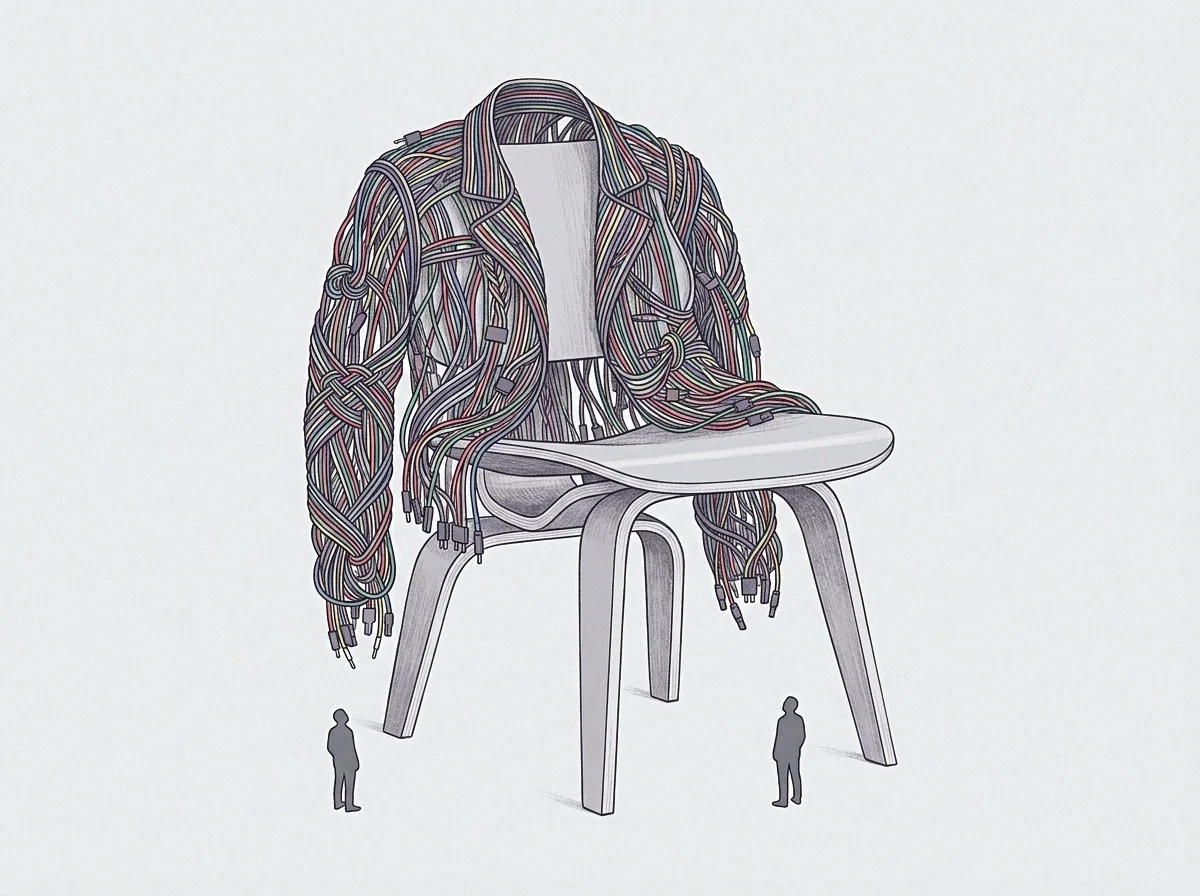
Joint
A deep operational paradox inhabits executive peer relationships under severe duress. If executive partners reveal their raw autonomic distress too early, they risk amplifying panic across the organization. If they conceal their distress completely, they isolate their nervous systems and invite solitary physical breakdown.
Striking the balance requires understanding that functional co-regulation does not mean undifferentiated emotional venting. Venting floods the collective workspace with unstructured cortisol and adrenaline. Co-regulation involves containing acute physiological activation while sharing the cognitive and operational reality of the threat.
The transition toward distributed autonomic load alters how executive teams conduct operational combat. Consider an executive team navigating an emergency capital recapitalization that will dilute early employees by sixty percent. In a team operating under a solitary regulation model, the chief executive writes the board resolutions alone at two in the morning, suffering severe gastric pain and palpitations.
The executive team observes the final documents the following morning, recognizing the immense psychic toll on the founder. They offer polite gratitude. The founder nods, absorbs the admiration, and retreats further into solitary confinement.
The venture survives the financing round, but the leadership team loses its operational cohesion. The founder now perceives the team as delicate dependents who require perpetual shielding.
Now consider the same crisis managed through a distributed autonomic baseline. The founder, chief financial officer, and head of legal assemble in a closed room with the recapitalization term sheet. The founder states the terms flatly: early employees will face immense dilution, relationships will fracture, and legal challenges may emerge.
The founder acknowledges elevated pulse rates and nausea openly. The chief financial officer acknowledges matching distress, places hands flat on the desk, and pulls the spreadsheet into view. The head of legal takes the document and begins redrafting indemnification clauses.
No individual attempts synthetic optimism. The group breathes collectively. The threat is real, severe, and distributed across three physiological engines.
The metabolic cost of the recapitalization spreads evenly across the room.
This distributed capacity creates immense organizational durability. Executive teams that master shared baseline regulation make fewer panic-driven concessions to hostile investors. They maintain cognitive headroom when competitors succumb to cognitive tunneling and exhaustion.
They retain key personnel during grueling transitions because the leadership suite projects genuine, physiologically grounded stability rather than fragile theatrical stoicism. The company becomes a resilient organism capable of digesting catastrophic market shocks without sacrificing the biological survival of its key personnel.
Whether an executive group can systematically rewire its mutual autonomic architecture during an active commercial collapse without prior baseline trust remains an open question that research has yet to settle.