
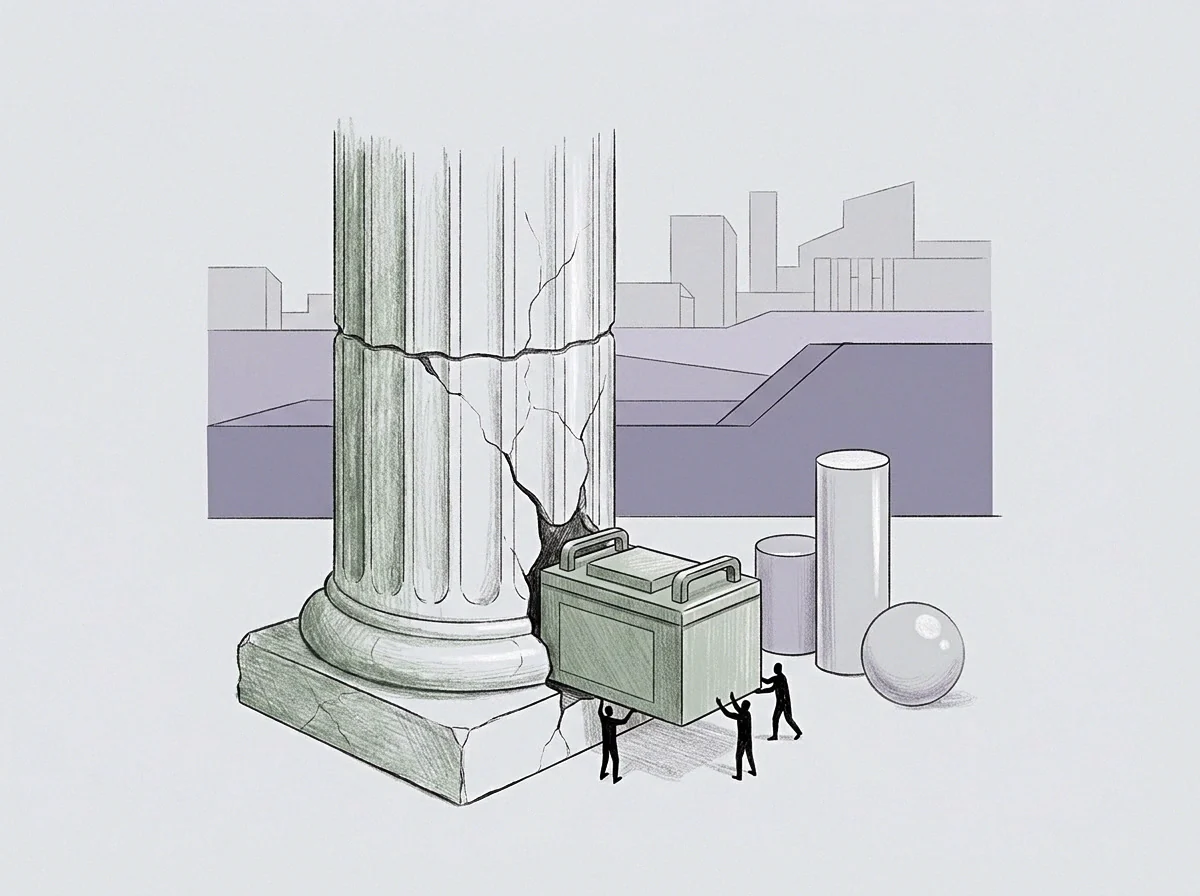
Long Term Autonomic Template Adaptation Following Sustained Unassisted Operational Strain
Protracted unassisted operational strain recalibrates autonomic templates toward solitary defense, shutting down relational down-regulation receptors.
Protracted unassisted operational strain recalibrates autonomic templates toward solitary defense, shutting down relational down-regulation receptors.
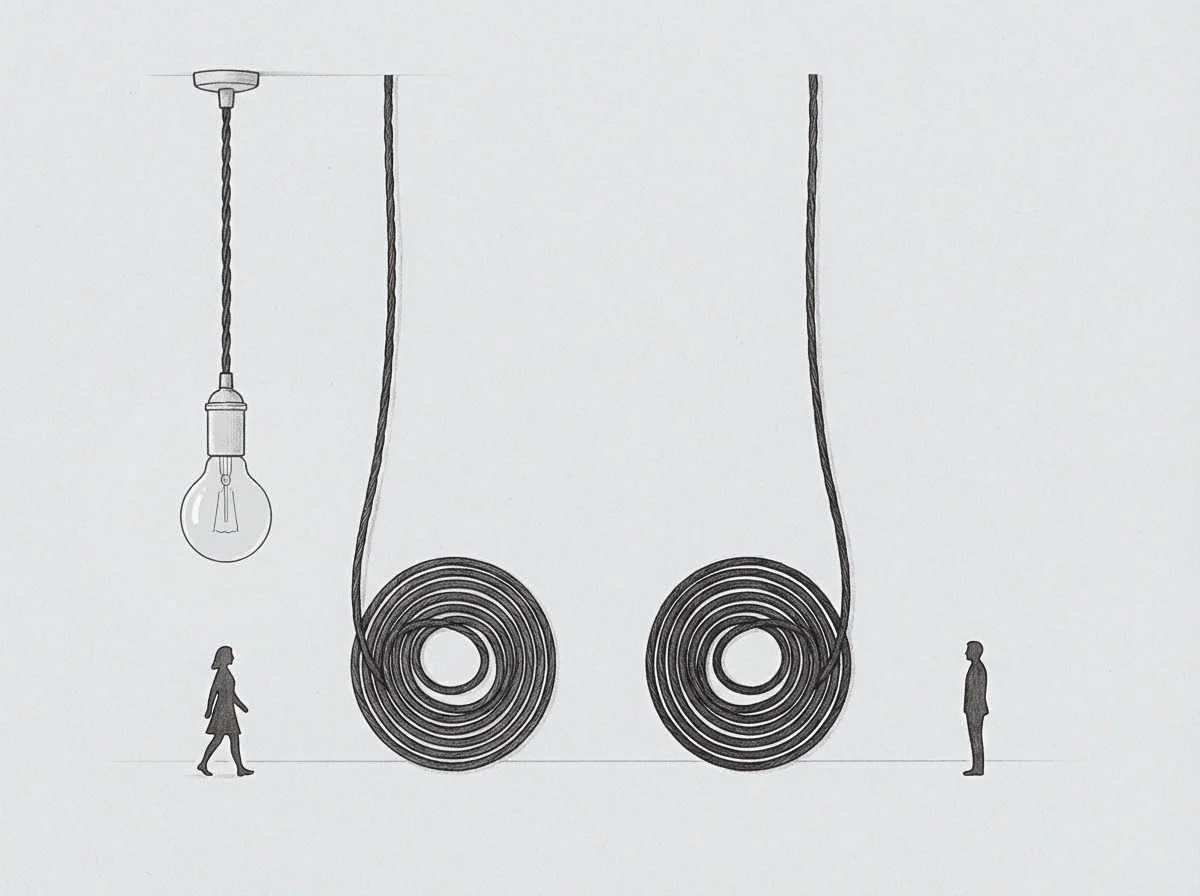
Reciprocal safety cues recalibrate threat budgets so an isolated regulator can rebuild neural receptivity for shared regulation.
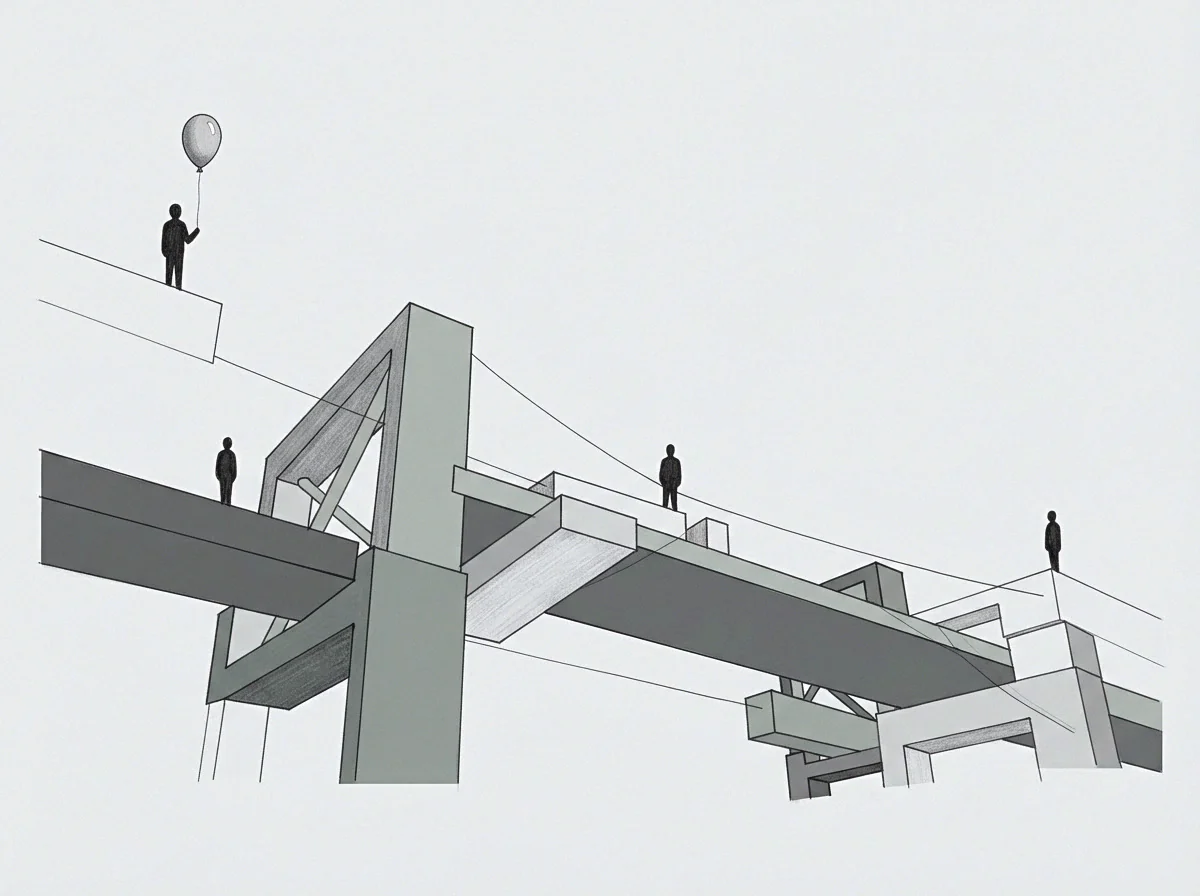
Extended operational overload converts social proximity from a regulatory subsidy into an incoming load, requiring repeated safe experience to rebuild baseline capacity.
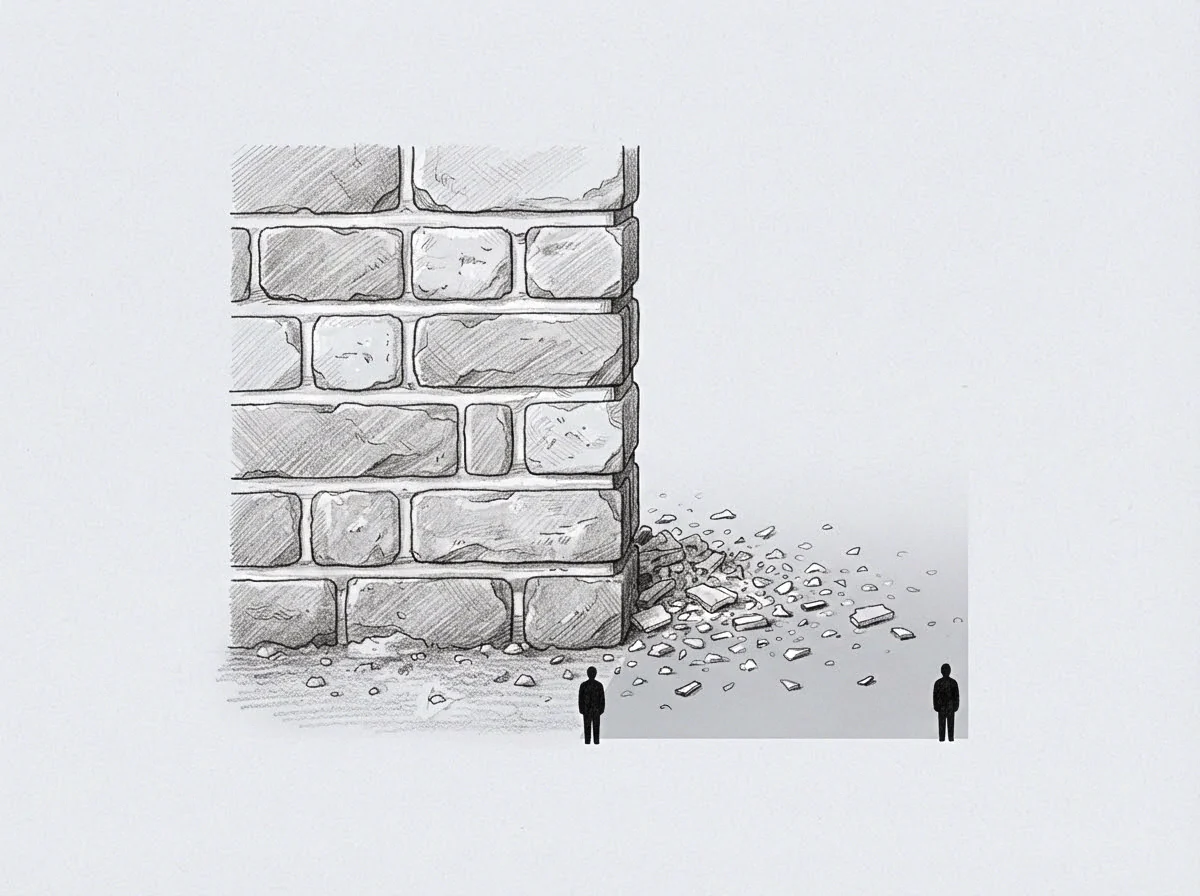
Internal working models update only when unhedged, symmetrical operational risk forces the brain to abandon expectations of solitary threat absorption.
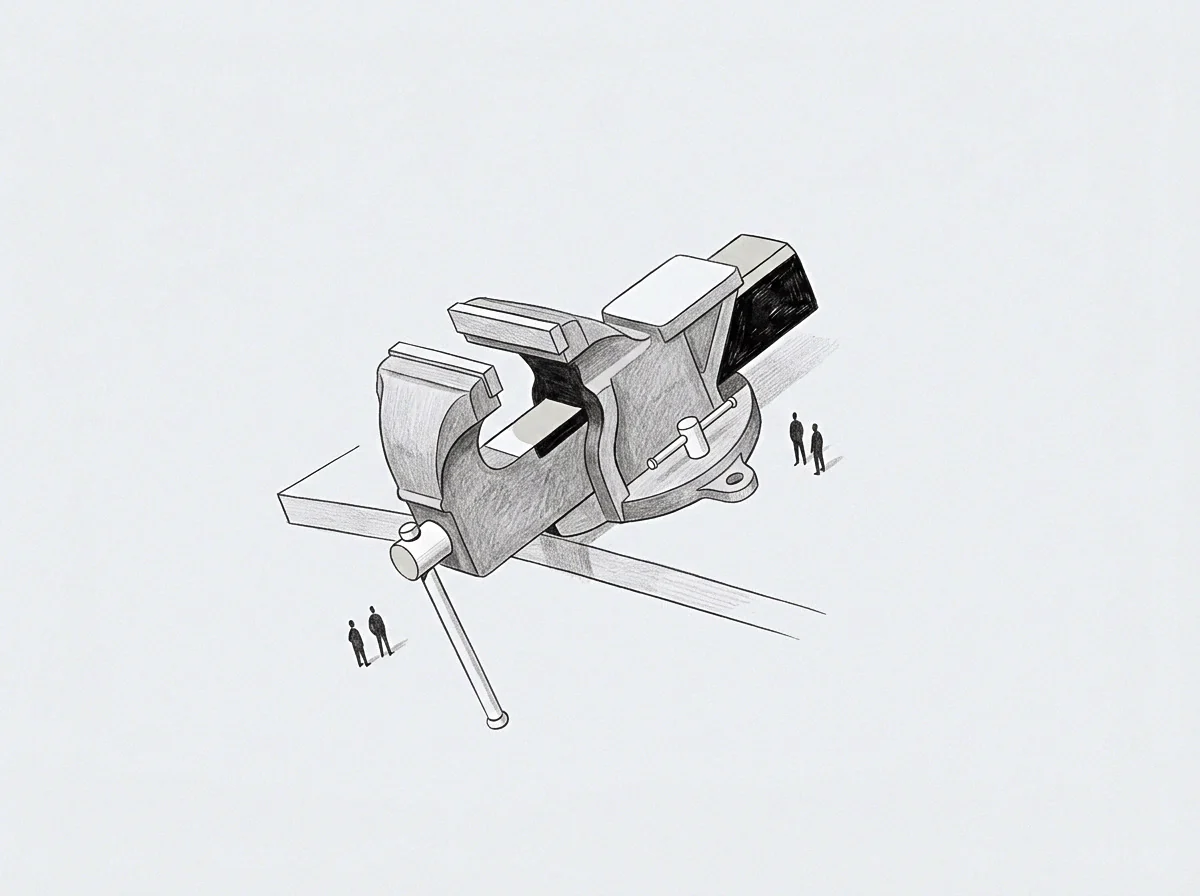
Autonomic regulation recovers when sustained solitary load gives way to repeated physical co-regulation, updating the internal baseline from threat to safety.
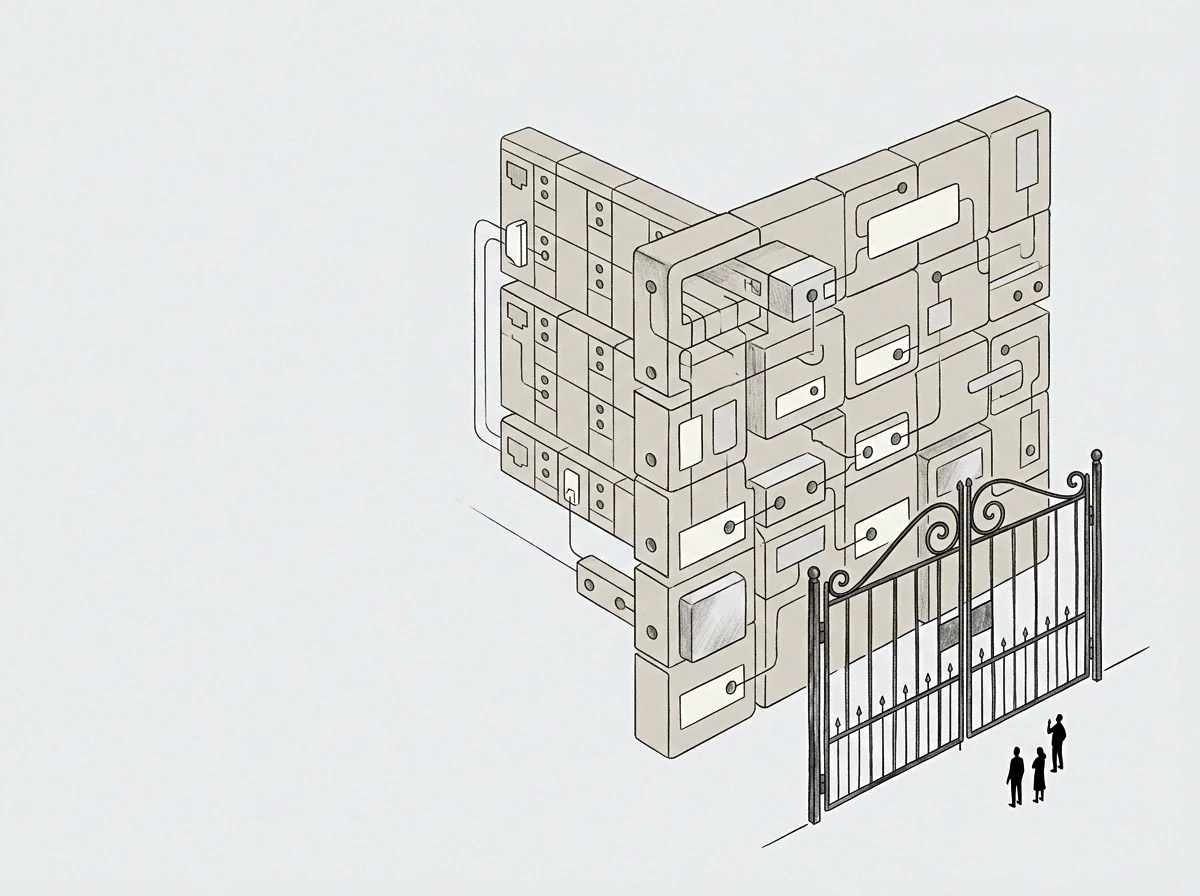
Physical proximity to a regulated partner lowers baseline autonomic threat expenditure by allowing the central nervous system to outsource environmental monitoring.
The terms are written where they belong. Each field holds three desks, and every entry a desk writes raises the terms it uses, each term given a meaning, a mechanism and the places it appears. The record on these pages stays first person and hand made; the fields grow the nomenclature.