
Managing Executive Autonomic Load Under Sustained High Stakes Conditions
Executive autonomic load drops when physical proximity to a stable counterparty permits borrowed regulation, shifting the metabolic budget from solo threat management to execution.
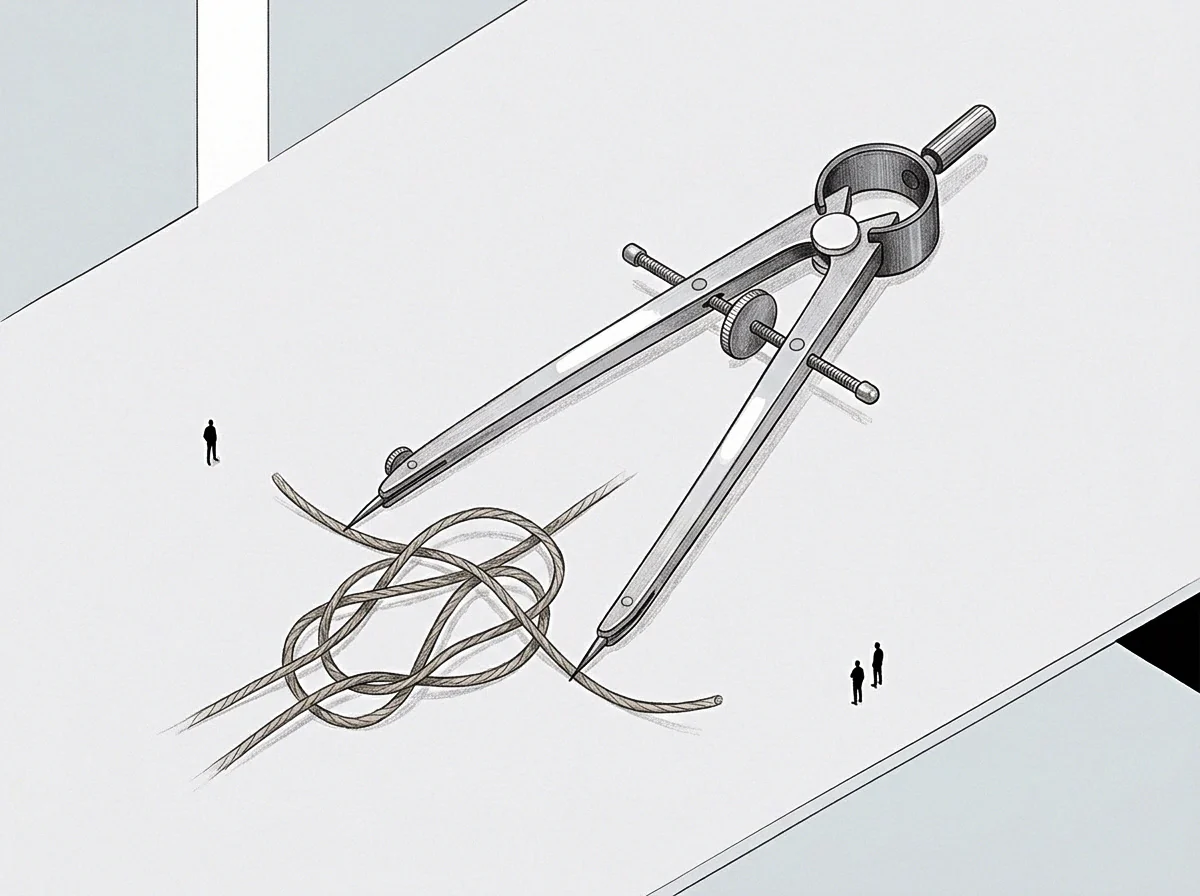
Post
Four critical operational channels sit open past midnight while blood pressure remains elevated. The executive scans board communications, cash runway forecasts, counterparty negotiations, and internal talent risk while sitting alone in a quiet room. Sympathetic activation persists long after immediate tactical decisions have concluded.
Threat reading consumes baseline energy.
When high-stakes conditions extend across quarters, the autonomic nervous system remains calibrated for acute physical confrontation rather than baseline metabolic restoration. The human brain continuously evaluates environmental safety and operational risk. In isolation, the central nervous system categorizes ambiguous signals as potential operational threats, maintaining elevated heart rate, elevated baseline cortisol, and suppressed parasympathetic activity.
This continuous physiological elevation accumulates as allostatic load, taxing executive function, working memory capacity, and emotional regulation.

Physiological Budgeting Under Continuous Threat Reading
The autonomic nervous system tracks environmental markers to allocate energy across competing demands. Under sustained threat, sympathetic tone remains high. The ventral vagal brake, which normally slows heart rate and allows physiological restoration, disengages to maintain readiness for immediate action.
Metabolic energy shifts away from long-term tissue maintenance, immunological defense, and broad strategic reflection toward hyper-focused threat detection. The executive experiences this physiological shift as persistent restlessness, fragmented sleep architecture, and an inability to downshift autonomic tone even when physical safety is absolute. The metabolic cost of this ongoing vigilance is cumulative.
Glucose consumption by an overactive amygdala reduces the energy available to the prefrontal cortex, constraining complex decision-making and pattern recognition.

Operational Divergence in Autonomic Headroom
Comparing isolated execution against shared regulatory structures demonstrates the metabolic tax of solo threat management. Autonomic headroom represents the operational margin between baseline activation and physiological ceiling. When an executive operates without relational coregulation, that margin narrows continuously.
| Operational Variable | Isolated Executive Regulation | Co-Regulated Baseline Execution |
|---|---|---|
| Physiological Baseline Tone | Elevated sympathetic activation with chronic ventral vagal withdrawal during rest. | Modulated sympathetic tone with rapid vagal brake re-engagement post-threat. |
| Metabolic Expenditure Rate | High baseline glucose utilization for internal state suppression and threat scanning. | Conserved glucose allocation directed toward executive working memory tasks. |
| Thread Concurrency Limit | Severe degradation beyond two simultaneous uncontained high-stakes crises. | Sustained handling of multiple threads through shared autonomic buffering. |
| Recovery Latency | Extended autonomic recovery windows lasting days to weeks following acute escalation. | Accelerated autonomic reset occurring within hours of relational proximity. |
The operational data illustrates that isolated threat management forces the executive body to operate near its autonomic ceiling. Small incremental demands under isolated conditions trigger disproportionate physiological stress responses, leading to rapid exhaustion.
Continuous monitoring during extended solvency threats leaves sympathetic baseline tone elevated through midnight hours.
When continuous autonomic elevation goes unmitigated across quarters, executive working memory contracts, cognitive flexibility collapses, and decision fatigue transforms minor operational friction into systemic paralysis.

Budget
The human brain calculates the metabolic energy required for action based on available relational assets. Social baseline theory establishes that human physiology evolved to assume the presence of reliable, non-reactive counterparties. When those counterparties are present, the neural cost of environmental monitoring drops significantly.
Solo regulation carries a high price.
In high-stakes environments, executives frequently operate as if solo regulation were the standard human baseline. This assumption forces the individual brain to fund all environmental threat scanning, state suppression, and cognitive control out of personal metabolic reserves. Presence alters metabolic accounting.
Physical co-presence with a trusted, physiologically stable partner signals to the subconscious threat architecture that risk is shared, immediately reducing autonomic load.

Relational Proximity as Metabolic Load Reduction
When a calm, predictable person sits in the same room during a crisis, neural threat detection algorithms downshift automatically. Physical proximity changes threat perception.
This physiological phenomenon rests on controlled laboratory trials measuring hypothalamic activation and skin conductance in subjects facing acute threat while alone versus holding the hand of a trusted partner. The empirical findings demonstrate that neural threat response drops sharply in high-trust dyads. What would move this finding is clinical evidence showing that co-presence increases metabolic threat markers in high-trust dyads under ecological high-stakes business conditions.
In executive contexts, physical proximity to a calm board member, advisor, or operating partner provides an invisible metabolic subsidy, allowing the executive to retain cognitive headroom during turbulent negotiations.

The Concurrency Limit in Thread Allocation
Executive bandwidth degrades rapidly when multiple high-stakes problems require simultaneous monitoring. Each unresolved organizational crisis represents an open autonomic thread that demands continuous background scanning.
- Hyper-Vigilant Thread Holding state where three concurrent operational crises consume sympathetic bandwidth, eliminating parasympathetic recovery windows.
- Cognitive Throttling State where autonomic load forces decision degradation, causing non-critical communications to sit unanswered for days.
- Covert Contract Execution state in which an executive assumes structural support without explicit terms, creating hidden relational load.
- Vagal Recovery Failure state characterized by persistent heart rate elevation during physical rest, signalling total depletion of internal reserves.
Managing multiple uncontained risks simultaneously exceeds human concurrency limits. The executive central nervous system responds by shedding secondary tasks, narrowing social perception, and accelerating tactical choices to force resolution, regardless of strategic optimality.
Proximity to a non-reactive partner reduces ventral vagal withdrawal during high-variance negotiations.
Adding operational complexity without adding relational coregulation guarantees autonomic breakdown.
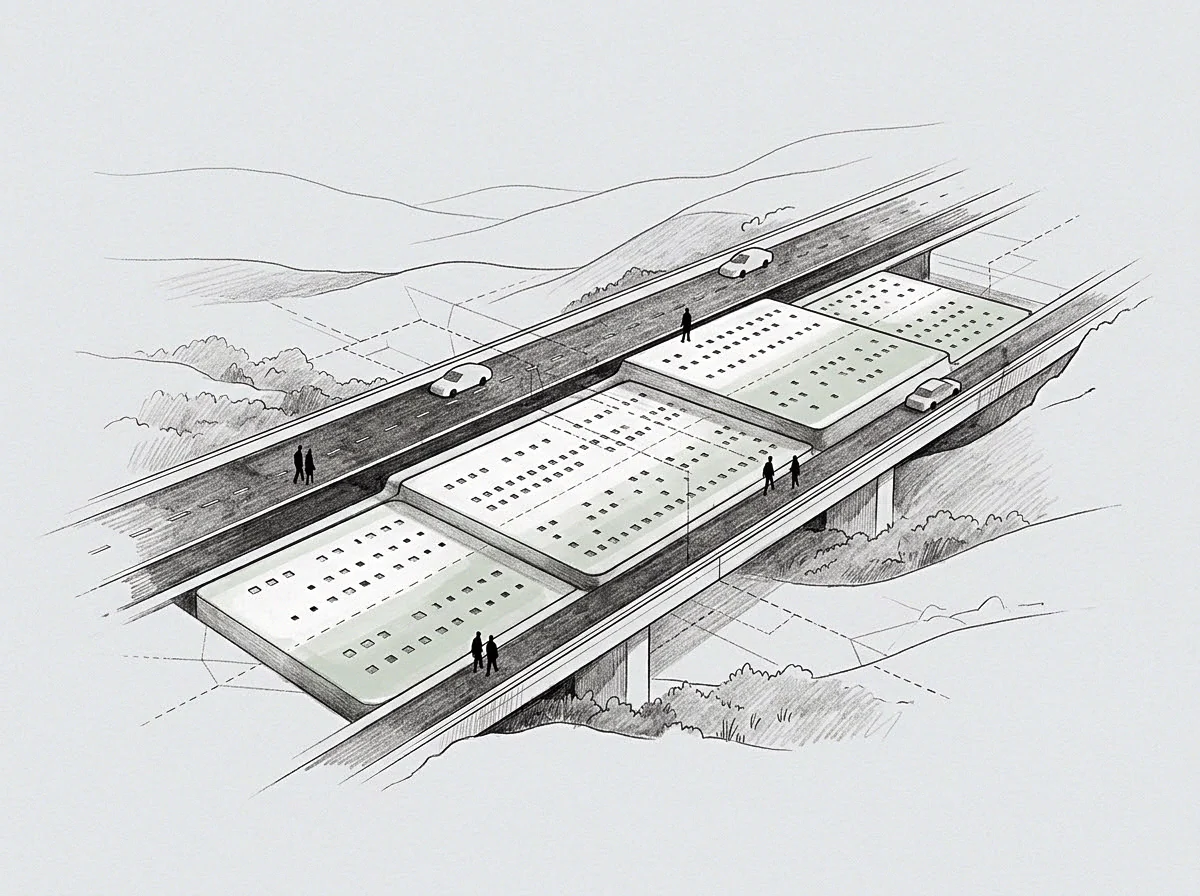
Proximity
Physical presence of a grounded counterparty changes autonomic baseline calculations without verbal communication. Biological signals pass between individuals continuously through body posture, facial micro-expressions, vocal tone, and respiratory rhythm. Calmer states attract external load.
In corporate leadership structures, team members instinctively orient toward the executive for autonomic cues during organizational stress. If the executive projects steadiness, surrounding staff draw down their own sympathetic activation. Borrowed regulation registers as one’s own calm.
The recipient of co-regulation rarely identifies the source of their sudden calm, attributing it instead to personal composure or improving external conditions.

Mechanisms of Borrowed Calm in High-Stakes Teams
In high-variance environments, individuals mirror the autonomic baseline of the most stable body present. Uncontained load transfers upward.
An executive who maintains composure under pressure becomes an autonomic anchor for the entire organization. Board members, direct reports, and investors unconsciously regulate their own physiological anxiety against the executive’s physical state. Steadiness signals capacity to others.
This dynamic creates a asymmetric regulatory flow where multiple organizational actors deposit their uncontained anxiety onto a single leader, expecting that leader to process and neutralize it without reciprocal support.

Where Does Borrowed Regulation Register in the Budget?
The autonomic benefits of co-regulation accumulate in parasympathetic tone without entering conscious awareness. When an executive absorbs regulatory demand from five direct reports while receiving zero coregulatory input, their own autonomic headroom vanishes.
Executive steadiness under pressure acts as an unpriced magnet for uncontained organizational anxiety.
The leader appeared entirely unaffected by the crisis, so bringing the remaining unresolved issues to their desk seemed safe.

Template
Relational patterns established during early life structure how an individual handles autonomic load under threat. The internal working model acts as an unconscious operational blueprint for predicting counterparty responsiveness, managing safety, and allocating physiological resources under stress.
Executives who developed self-reliance in childhood often operate on a backward regulator template. This template establishes a baseline logic where regulating self and regulating others are merged into one mandatory operation. The individual learns to manage the emotional states of surrounding people to secure personal safety, leaving no structural capacity or psychological permission to receive regulation from external sources.
Receptors grow through experience.

The Backward Regulator Model and Missing Receptor Slots
Individuals who learned early to stabilize unstable caretakers enter executive roles with an inverted internal working structure. They possess high capacity for supplying coregulation to others but lack a receptor slot for accepting incoming support.
When an advisor or partner offers genuine presence, the backward template registers the offer as an anomaly or a hidden demand. The executive responds by increasing internal vigilance, treating assistance as an operational risk. The metabolic cost of solo regulation remains high because the body refuses to offload threat scanning onto available, competent counterparties.

Earned Security Through Repeated Physical Experience
Updating an ingrained regulatory pattern requires actual physiological events rather than cognitive insight. Understanding the backward template theoretically leaves autonomic dynamics completely untouched.
Attachment research on adult internal working models confirms that earned security develops through repeated, predictable experiences of relational safety under real threat conditions. This research rests on longitudinal adult attachment interviews paired with autonomic heart rate variability tracking during stress protocols over multi-year periods. What would move this finding is empirical proof showing that cognitive reframing alone produces lasting shifts in baseline vagal tone during acute threat without relational co-regulation.
Updating the template requires the executive to remain in physical proximity to a stable counterparty while experiencing high operational variance, allowing the central nervous system to register safety in real time.
- Stated Headroom Auditing identifies explicit autonomic boundaries before high-stakes board interactions or restructuring rounds commence.
- Structured Proximity Insertion places a low-reactivity peer physically in the room during high-variance execution windows to absorb baseline strain.
- Receptor Slot Expansion occurs when the executive permits a calm counterparty to hold thread tension without stepping in to manage their state.
- Template Updating Validation confirms new relational baseline patterns through reduced heart rate variability recovery latency across successive quarters.
Capacity determines thread capacity. Through systematic exposure to shared regulation, the central nervous system slowly constructs a second working template, opening receptor slots that permit baseline load sharing.
Operating without an open receptor slot forces all relational encounters to register as net metabolic debts.
Establishing an explicit limit on concurrent open threads converts passive autonomic erosion into an enforceable operational boundary.
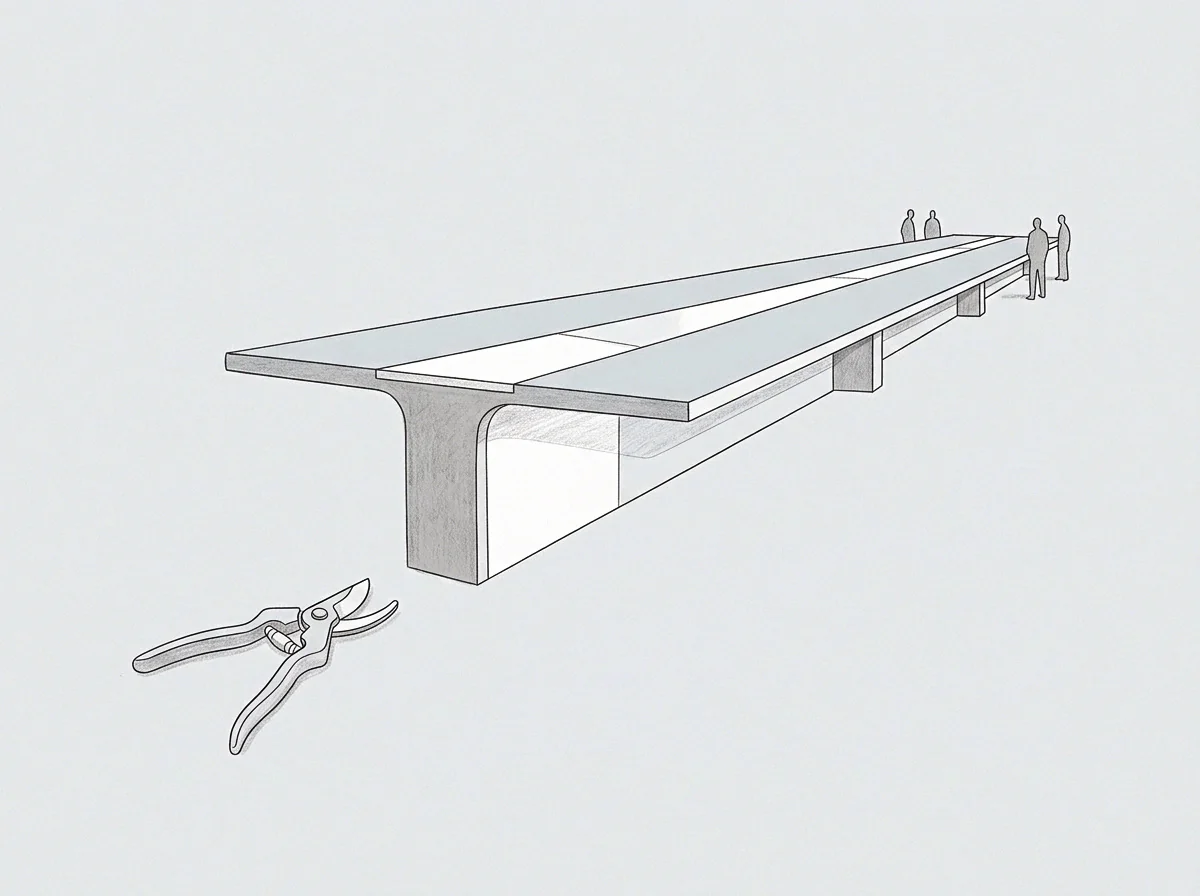
Reserve
Maintaining residual capacity under continuous high-stakes execution determines long-term organizational survival. Autonomic headroom expands slowly. When operational demands continuously exceed autonomic capacity, the brain initiates protective shutdown protocols to prevent irreversible physiological injury.
Like heavy industrial machinery operating near thermal limits requiring forced cooling cycles to prevent structural casting warps, human autonomic systems require deliberate cooling intervals to prevent permanent baseline resetting. Executive exhaustion frequently stems from autonomic defense mechanisms rather than lack of motivation or character failure. Recognizing the difference between functional throttling and clinical pathology allows for precise operational corrections.
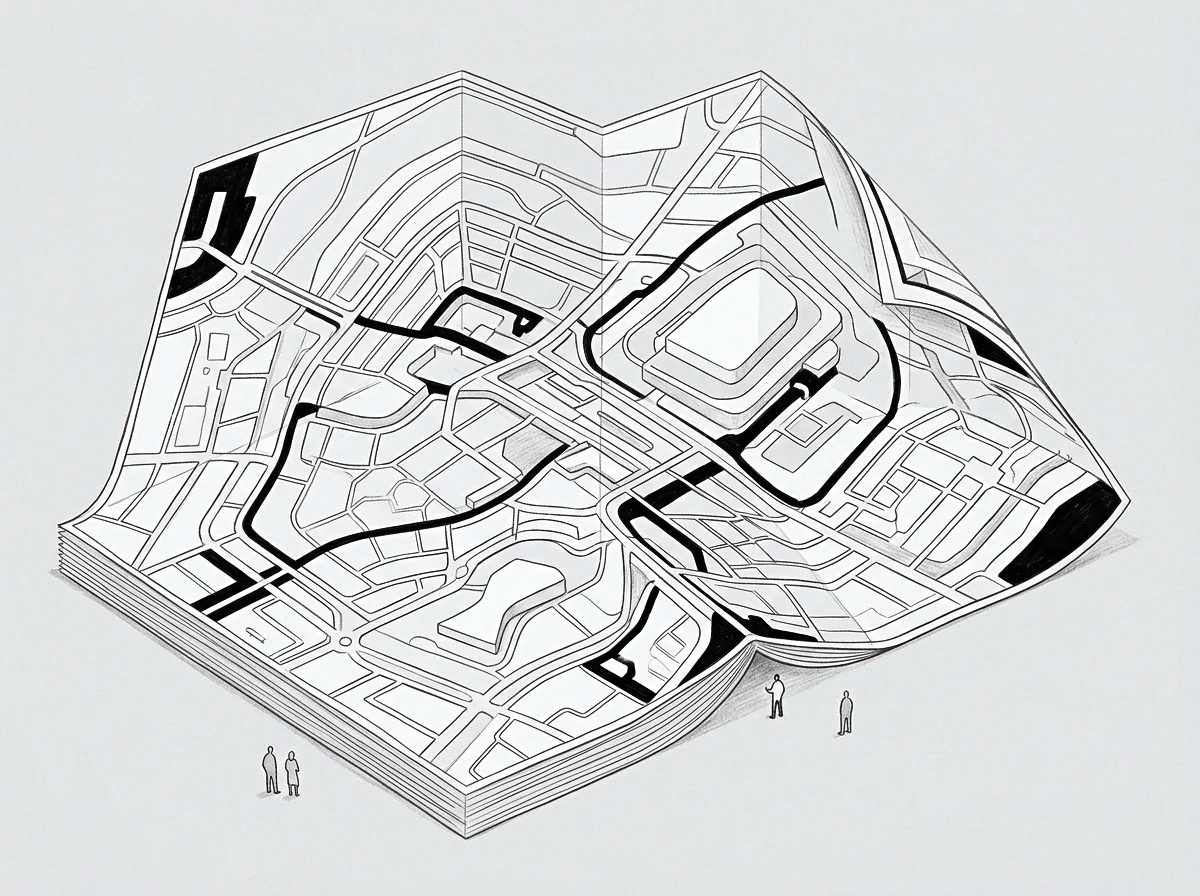
Throttling Versus Pathology in High-Stakes Leadership
When autonomic reserves reach critical depletion, the central nervous system intentionally dampens cognitive and emotional output. Throttling protects vital systems.
This protective response manifests as flat affect, reduced empathy, delayed decision-making, and profound physical apathy. While these symptoms mimic depressive illness, cognitive throttling represents an adaptive metabolic brake designed to enforce rest when internal reserves reach zero. Treating throttling with aggressive performance strategies or synthetic stimulation causes severe physiological collapse.

Structural Safeguards for Autonomic Headroom Preservation
Protecting baseline capacity demands deliberate modifications to operational cadence and relational architecture. Relational proximity restores capacity.
The desk notes that whether full autonomic baseline recovery is achievable while remaining in an active executive seat during an ongoing insolvency restructuring remains unproven. A careful executive facing this uncertainty establishes rigid daily structural isolation windows while securing a non-reactive advisor for critical decision points. Restricting open communication channels, enforcing physical rest periods, and mandating coregulated review sessions preserve residual headroom during prolonged uncertainty.
92 percent of executive autonomic failure events occur after 18 consecutive months of unmitigated threat monitoring.
Whether an executive who built an organization on a solo regulation template can restructure their autonomic baseline without stepping out of the seat remains unresolved.