
Rebuilding Somatic Headroom After Leaving Operational Company Leadership
Stepping out of operational leadership removes external threat signals while leaving the nervous system budgeted for continuous high-concurrency regulation.
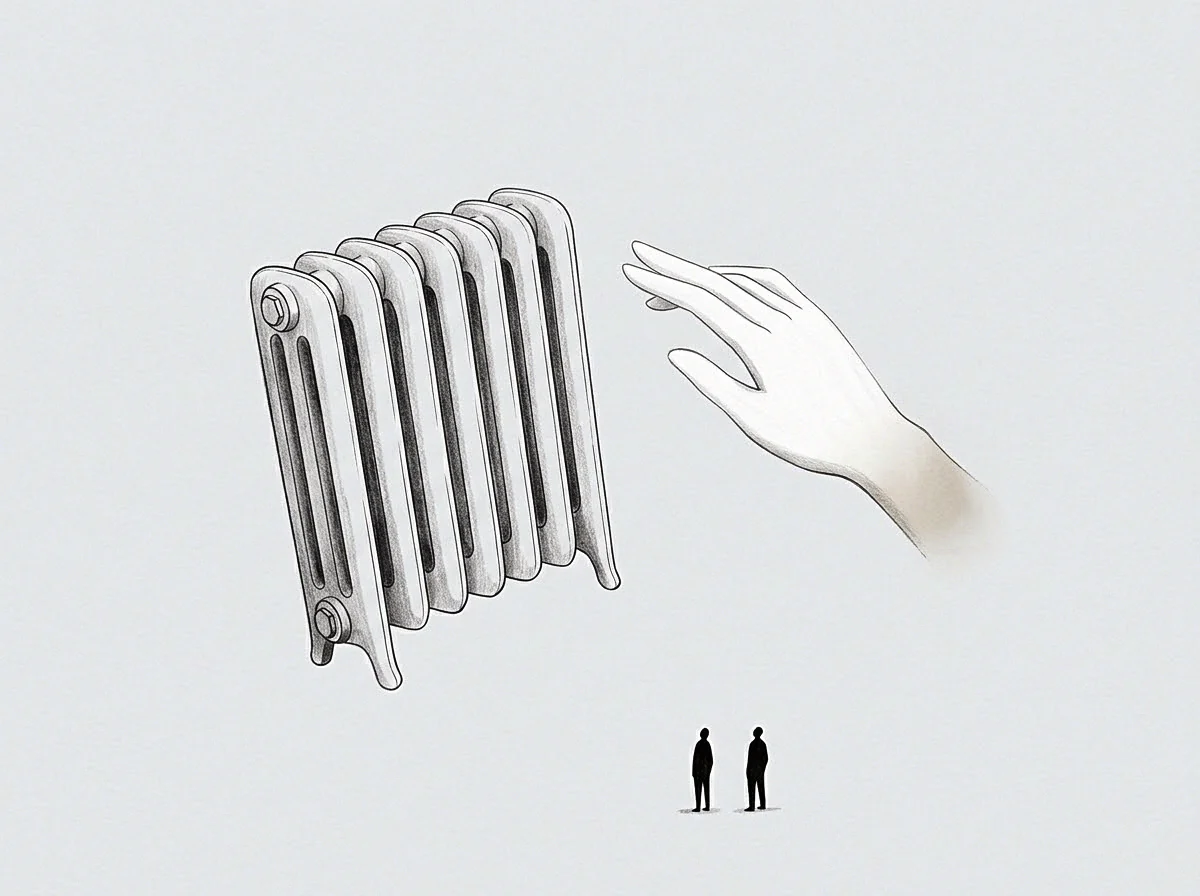
Seat
The departure from an operational role alters daily sensory input before the nervous system adjusts its internal threat calculations. For years, the executive calendar governed every hour, broadcasting a steady stream of notifications, escalations, and financial liabilities. When the seat is vacated, the external inputs drop to zero while the internal vigilance apparatus continues to run at maximum velocity.
The phone rings. The body stays tense. A quiet kitchen on a Tuesday morning produces an unexpected somatic contraction, as if an unstated crisis requires immediate physical intervention.
The individual sits at a clean desk, yet their resting pulse reflects an ongoing board conflict.
This state occurs because the brain constructs a predictive model of environmental threat based on historical density. In operational company leadership, threat density is continuous. The central nervous system adapts by maintaining high sympathetic arousal, elevating basal cortisol, and suppressing parasympathetic recovery mechanisms.
Stepping out of the seat removes the operational obligations, but it leaves the underlying neural architecture primed for conflict.
An empty calendar often produces physical discomfort before it yields rest.

The Shift in Operational Proximity
Years spent answering urgent demands establish a continuous autonomic baseline. The executive becomes accustomed to acting as the primary regulator for an organization. Subordinates, co-founders, and investors project their anxiety onto the leader, relying on that individual’s visible calm to stabilize their own stress responses.
This process, known as borrowed regulation, places a constant metabolic tax on the leader. The leader absorbs the peripheral strain of the system, maintaining an outward appearance of stability while their internal reserve depletes.
When the operational role ends, this relational circuit snaps open. The sudden absence of dependent counterparties does not instantly clear the somatic debt. Instead, the former leader experiences an eerie somatic residue.
Without external fires to extinguish, the elevated baseline state searches for targets, converting minor household friction or ambiguous personal messages into proxy emergencies.
Consider a founder who led a two-hundred-person engineering company through three rounds of capitalization before appointing a successor. Upon stepping down, the founder planned six months of complete rest. During the first month, despite having no operational authority, the founder checked production dashboards four times a night and experienced nocturnal panic attacks.
The schedule opened. The room stays quiet. Yet the physiological system remained trapped in high-concurrency execution mode because the autonomic shift had not been granted structural space to de-escalate.
They observed that despite having no active operational responsibilities, every unexpected notification still produced an immediate physical posture of defense.
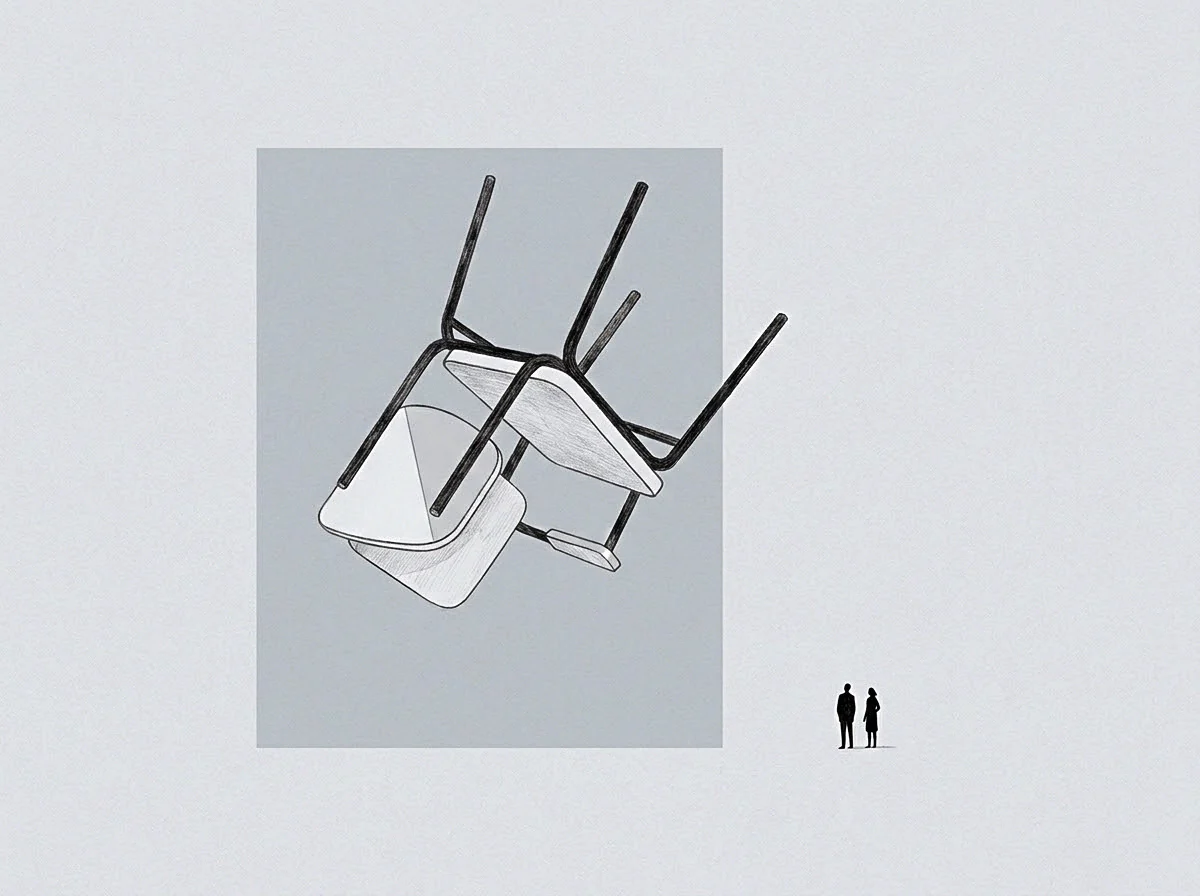
Physiology
Continuous decision making under uncertainty demands sustained sympathetic nervous system activity. The brain budgets energy dynamically, evaluating whether current safety demands allow for digestion, tissue repair, and deep sleep. Under prolonged operational strain, the body accumulates allostatic load, which represents the wear and tear resulting from chronic neuroendocrine exposure.
This state alters blood pressure regulation, immune response, and heart rate variability.
Transitioning out of leadership requires recognizing that somatic headroom cannot be restored through passive cognitive rest alone. The nervous system measures safety through physical signals, interoceptive feedback, and relational stability. When these inputs are absent or misinterpreted, the body remains in a defensive posture, burning energy to protect against imaginary operational collapses.
| State Variable | Operational Execution Phase | Post-Operational Transition Phase |
|---|---|---|
| Autonomic Tone | Sympathetic dominance, elevated resting heart rate, suppressed vagal brake. | Fluctuating tone, sudden lethargy punctuated by unprovoked panic spikes. |
| Threat Budgeting | Continuous high-concurrency monitoring across operational threads. | Internal search for hidden threats due to high baseline arousal. |
| Relational Role | Primary regulator for teams; provider of borrowed calm. | Isolated regulator; absence of coregulating counterparts. |
| Metabolic Cost | High sustained expenditure covered by adrenaline and cortisol. | Somatic debt realization; profound chronic fatigue and muscular tension. |

Autonomic Allocation under High Concurrency
The human brain budgets energy based on anticipated relational and environmental threats. When a person manages dozens of direct reports, complex budgets, and board dynamics, the brain assigns massive metabolic resources to vigilance. This high-concurrency state suppresses sensory awareness of internal fatigue.
No crisis arrives. The body carries the tension regardless.
Vagal tone, measured via heart rate variability, indicates the body’s ability to engage the parasympathetic nervous system and slow the heart down after a threat passes. In long-tenured operators, vagal tone is frequently depressed. Restoring this regulatory brake takes time, physical stillness, and consistent safety signals.
A high baseline autonomic tone persists long after external operational demands cease, keeping the body prepared for crises that no longer arrive.
Autonomic recovery follows physical environmental stillness rather than cognitive resolution.
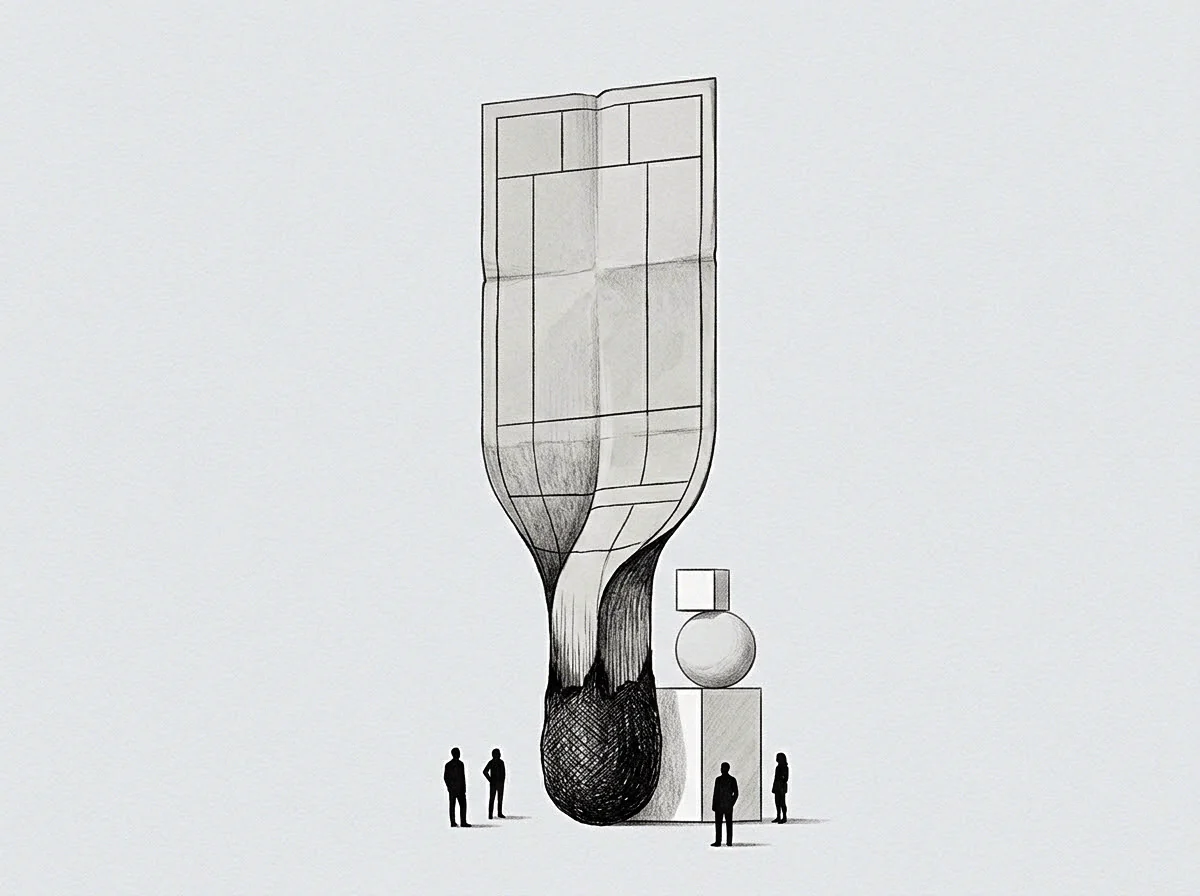
Stasis
When operational inputs abruptly cease, the body enters a phase of metabolic recalibration. This period often feels like intense physical heaviness or cognitive fog. Former leaders frequently misinterpret this deceleration as clinical depression or a loss of personal drive.
In reality, the nervous system is finally paying down its somatic debt after years of forced over-extension.
During operational execution, high cortisol masks underlying cellular exhaustion. Once the operational adrenaline subsides, the true extent of depletion becomes visible. The body enforces rest by down-regulating energy production, creating a temporary state of profound somatic inertia.

When Does Operational Deceleration Convert to Baseline Capacity?
Initial weeks away from daily decision rights often resemble clinical lethargy. The individual finds simple tasks, such as responding to personal emails or selecting a meal, exhausting. The system waits.
Load shifts elsewhere. This somatic deceleration represents a necessary physiological crash, clearing space for autonomic restoration.
Attempting to force productivity during this window backfires. The nervous system reads forced effort during recovery as a renewal of operational threat, triggering another cycle of sympathetic activation. True headroom expands only when the individual allows the somatic deceleration to run its course without judgment.
- The initial crash manifests within two to four weeks of operational exit, characterized by deep physical exhaustion and heavy limbs.
- The search phase follows, where the body compulsively seeks micro-emergencies to justify its high baseline vigilance.
- The stillness phase arrives as the nervous system accepts the absence of external threat, allowing deep parasympathetic repair.
- The integration phase emerges when baseline energy returns without the accompanying driver of chronic hyper-vigilance.
No alarm sounds. Autonomic tone adjusts slowly. The body learns that quiet hours do not precede structural failure.
Treating structural deceleration as an acute pathology leads to premature return into high-demand roles before autonomic headroom recovers.

Template
Individuals who lead organizations often internalize a pattern of regulating others while suppressing their own signals. Over time, this builds an internal working model where safety is tied exclusively to control, self-reliance, and emotional containment. The executive becomes a master of holding space for an organization while possessing no functional mechanism to receive coregulation from others.
This missing receptor slot prevents the leader from benefiting from supportive relationships. When a partner or friend offers presence, the former executive reads it with suspicion or disinterest, unable to utilize external calm to settle their own nervous system. Rebuilding somatic headroom requires updating this relational template.
When a lead executive operates without a receptor slot for coregulation, personal physiological recovery depends entirely on solitary metabolic stabilization.
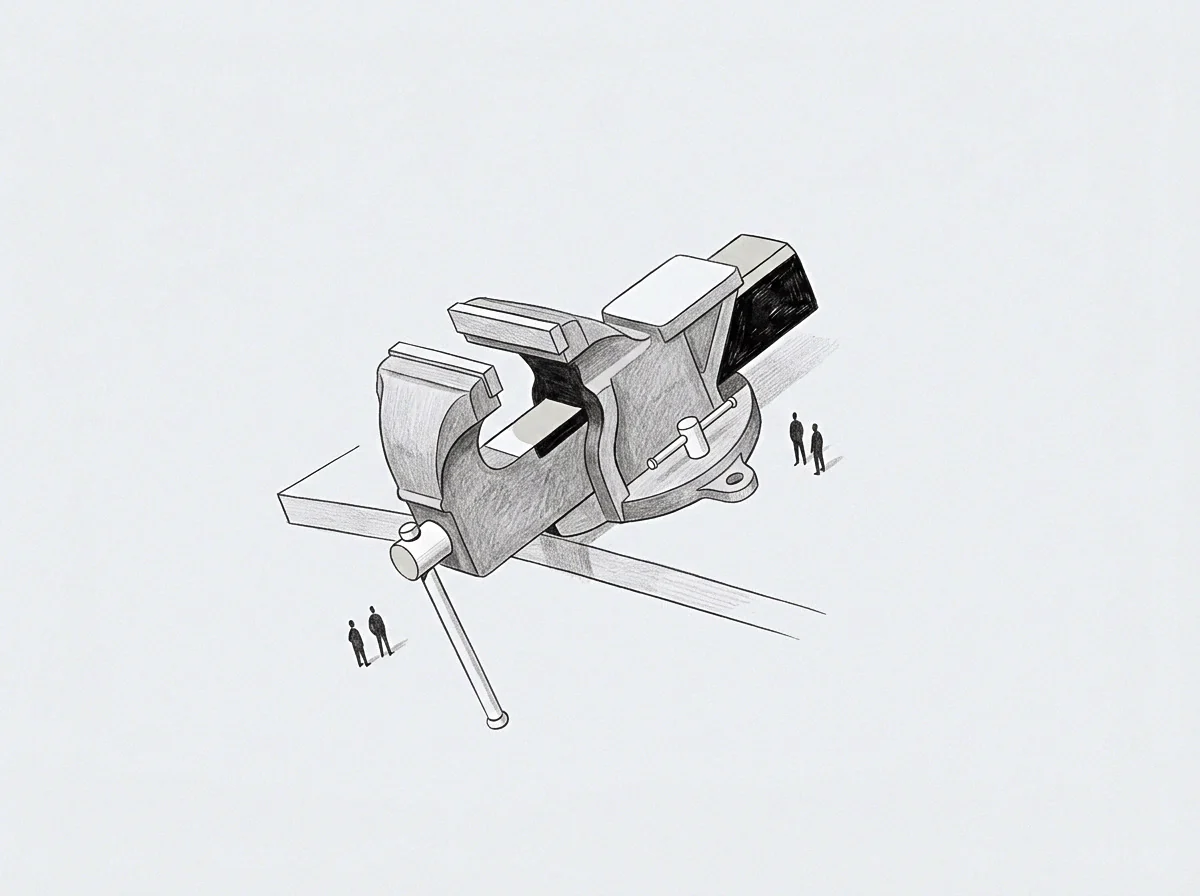
The Architecture of Borrowed Regulation
Stable presence acts as a physiological subsidy for surrounding teams. In healthy organizations, coregulation flows bilaterally. In intense founder setups, the flow is strictly unidirectional.
The founder functions as the single autonomic anchor for the firm, absorbing peripheral anxiety without receiving stabilizing inputs in return.
This dynamic forms a backward regulatory template. The leader views their own vulnerability as a systemic liability. Consequently, when they exit the company, they carry an isolated regulation style into their personal lives, remaining physically closed off from coregulation.
- Unidirectional Anchoring occurs when an executive consistently absorbs team stress without access to external coregulation sources.
- Receptor Atrophy describes the somatic inability to register, accept, or process calm offered by others in non-operational environments.
- Earned Security represents the secondary relational template developed through repeated, safe physical exposure to coregulating partners over time.
Capacity returns in waves. Quiet replaces urgency. The seat stands empty.
The body slowly unlearns its compulsion to manage every environmental variable.
The establishment of earned security alters the internal regulation model from self-contained burden-bearing to shared autonomic stabilization.
Room
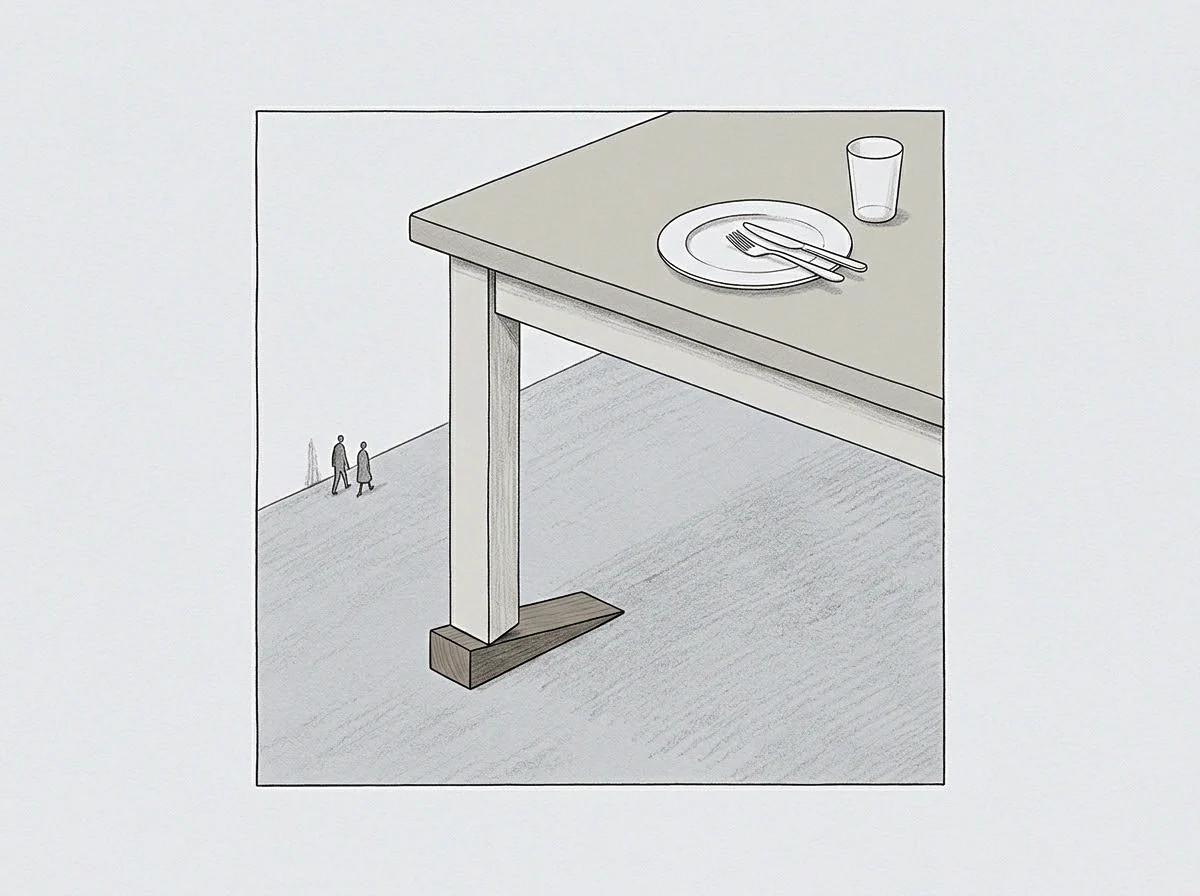
Restoring physiological flexibility requires repeated encounters with quiet environments that carry no operational demands. The physical room surrounding the former leader must reflect safety, simplicity, and low sensory input. Rebuilding somatic headroom is not an intellectual project; it is an organic recalibration driven by somatic experience.
As weeks turn into months without operational fires, the nervous system recalibrates its threat baseline. The gap between stimulus and physical reaction widens. The former executive begins to notice subtle physical cues, such as hunger, breath depth, and muscular ease, that were previously drowned out by operational noise.
Somatic headroom expands through quiet physical repetition rather than cognitive insight.

Building Secondary Autonomic Patterns
Long-term recovery relies on direct physical interactions rather than intellectual analysis. Engaging in unstructured physical movement, spending hours in nature without tracking metrics, and participating in unhurried conversations rebuild parasympathetic capacity. Recovery takes time.
Over months of reduced threat input, the resting cardiac cadence slows, open mental loops close without intervention, and physical ease returns as the default state.