Meaning
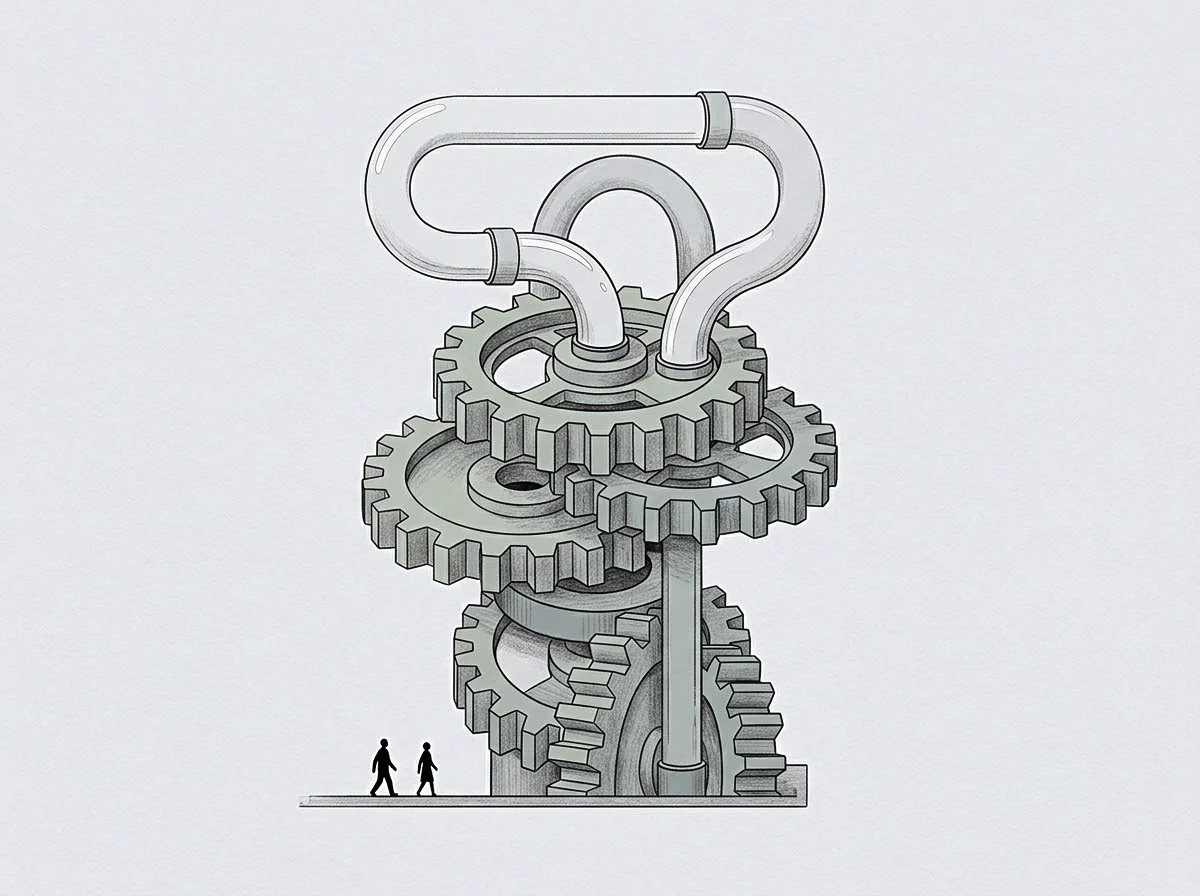
Physiological adaptation limits the sensitivity of cellular target sites through the reduction of available protein binding spots. Receptor downregulation acts as a persistent negative feedback loop that recalibrates how a system registers incoming signals. This mechanism serves to prevent saturation or excitotoxicity within an internal network when input levels remain high for an extended duration.
Cells internalize or degrade their surface molecules to manage the intensity of external messaging, effectively lowering the gain of the transducer.
Operational Capacity
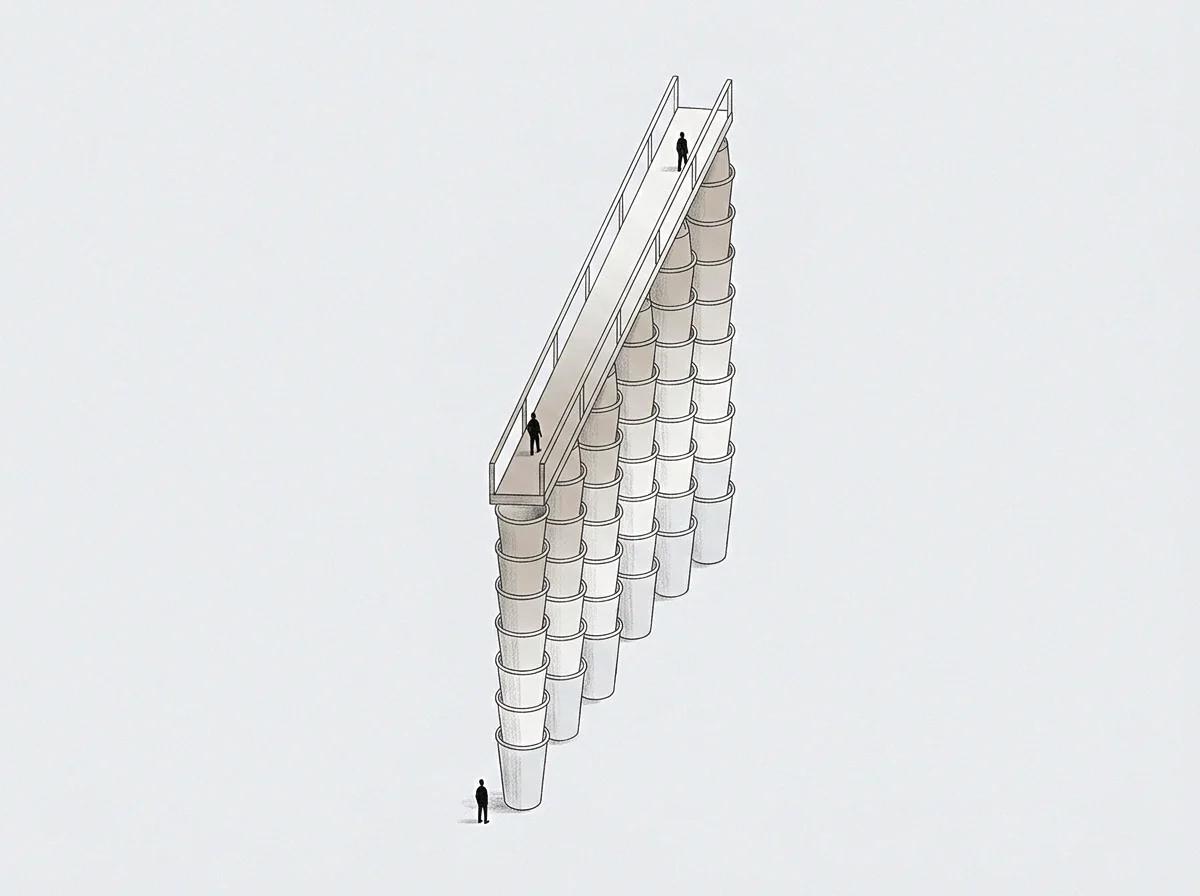
The founder undergoes this state when constant immersion in high pressure information streams reduces the reach of individual signals. A leader relies on this shift to preserve metabolic reserves when an environment demands continuous hyper-vigilance. Such an adjustment creates a protective buffer against the depletion of personal attention.
It requires more intense stimulation to trigger the same intensity of response as before the adjustment occurred.
Regulatory Limit
Chronic exposure to external stimulation forces the organism to set a new threshold for functional stability. This homeostasis ensures the preservation of internal systems despite overwhelming external data. A person loses the ability to discern fine gradations of urgency when the baseline is artificially suppressed by these persistent signals.
Functional Tradeoff
Selective sensory damping reduces the acute cost of decision making in environments with excessive noise. Energy allocation becomes focused on signals that exceed the shifted threshold, though this narrowing causes the loss of subtle environmental cues. Efficiency increases while the total bandwidth of observation decreases.