Meaning
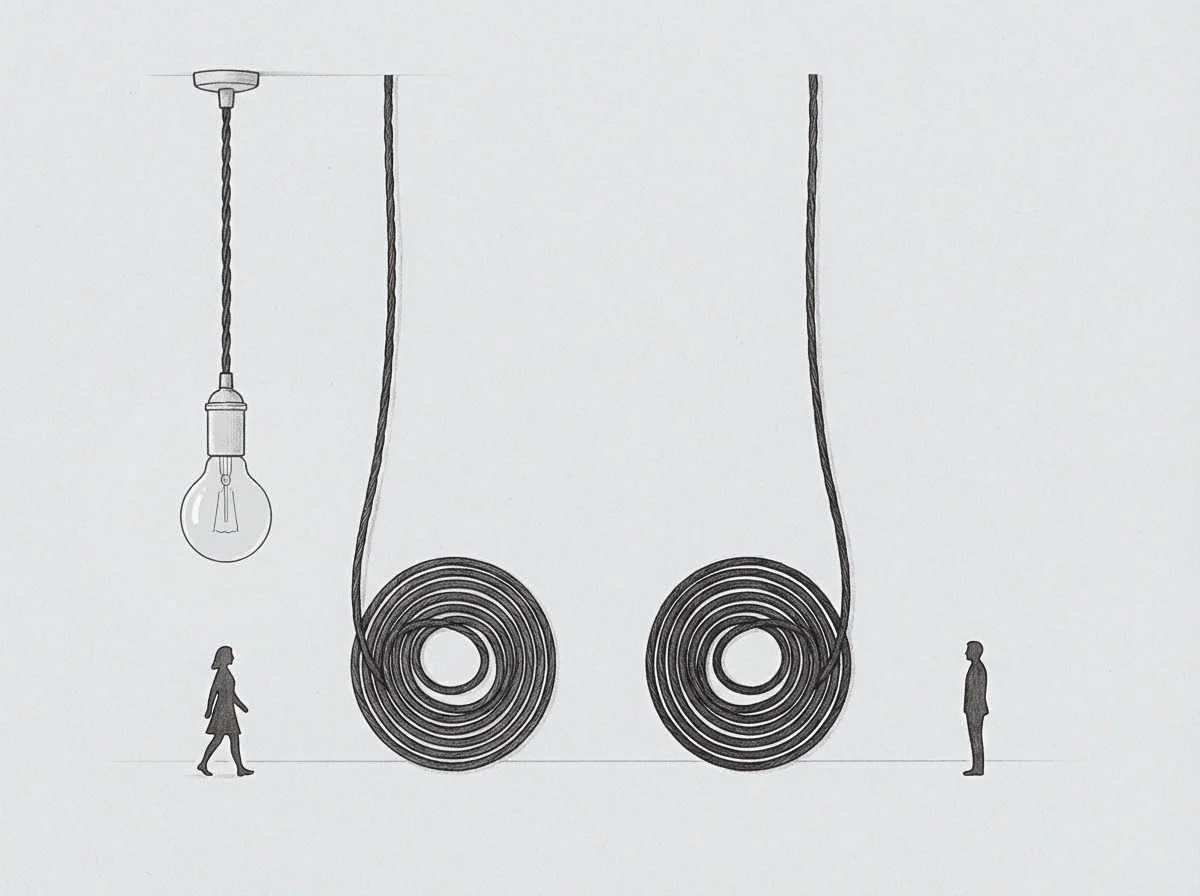
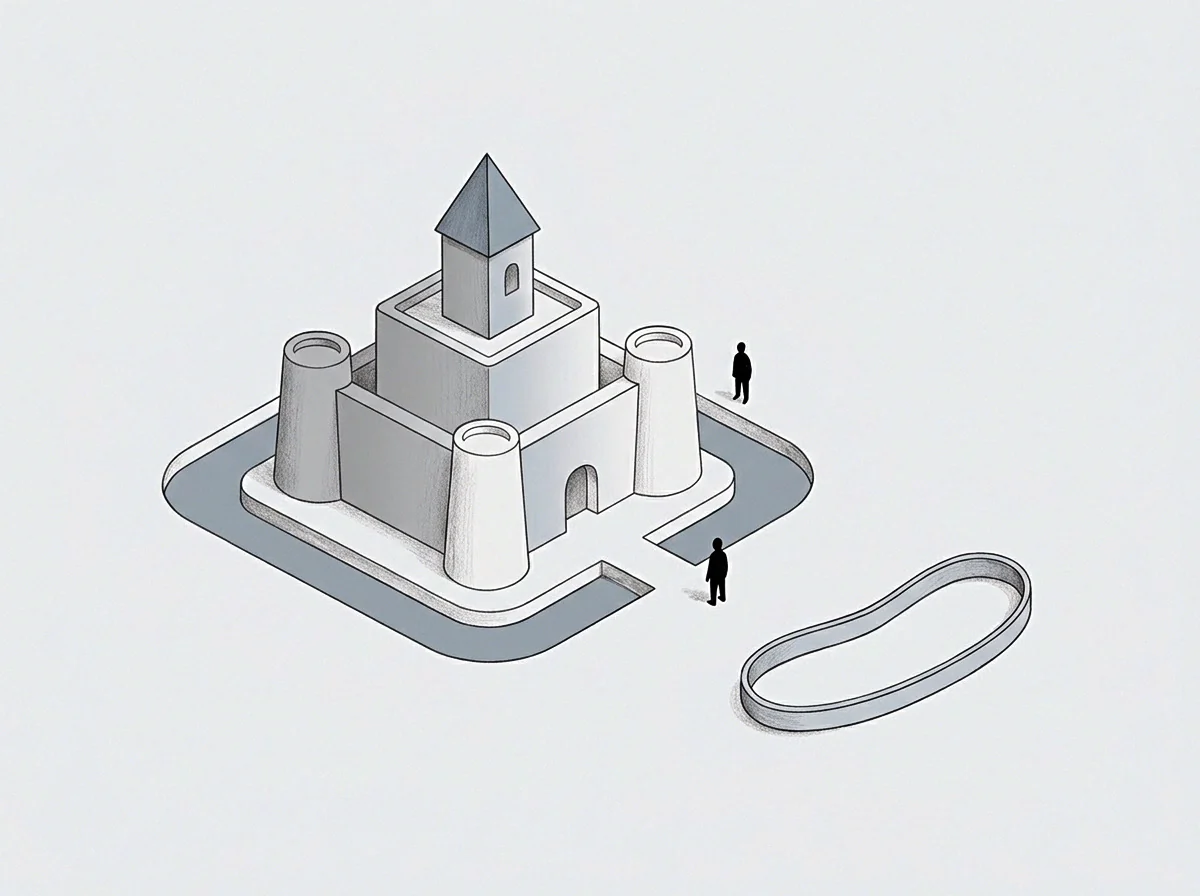
Neurological filtering processes screen out irrelevant stimuli to allow the brain to focus on a single task. Proper sensory gating ensures that background noise and secondary notifications do not constantly disrupt conscious thought. This ability is necessary for maintaining the deep concentration required for complex problem-solving in a busy office.
Neurological Filter
The brain uses specific pathways to suppress the reaction to repetitive or unimportant sensory inputs. When sensory gating works correctly, the individual can work in a noisy room without feeling overwhelmed or distracted. This process runs automatically, protecting the limited capacity of the conscious mind from being flooded with information.
It allows for the efficient processing of important signals while ignoring the noise.
Operational Impact
High cognitive efficiency relies on the ability to direct attention without being pulled away by every environmental change. The presence of effective sensory gating allows a founder to stay focused during meetings or intense writing sessions. This increases productivity and reduces the mental energy required to complete work, as the brain does not have to struggle to stay on task.
It is a critical foundation for executive focus.
Stress Degradation
Chronic pressure and lack of sleep impair this filtering mechanism, leading to a state of sensory overload. When sensory gating fails, every sound and movement demands attention, making it impossible to concentrate on a single task. This failure leads to rapid cognitive fatigue and irritability as the brain is bombarded with raw information, which ultimately breaks down the ability to perform strategic analysis.