
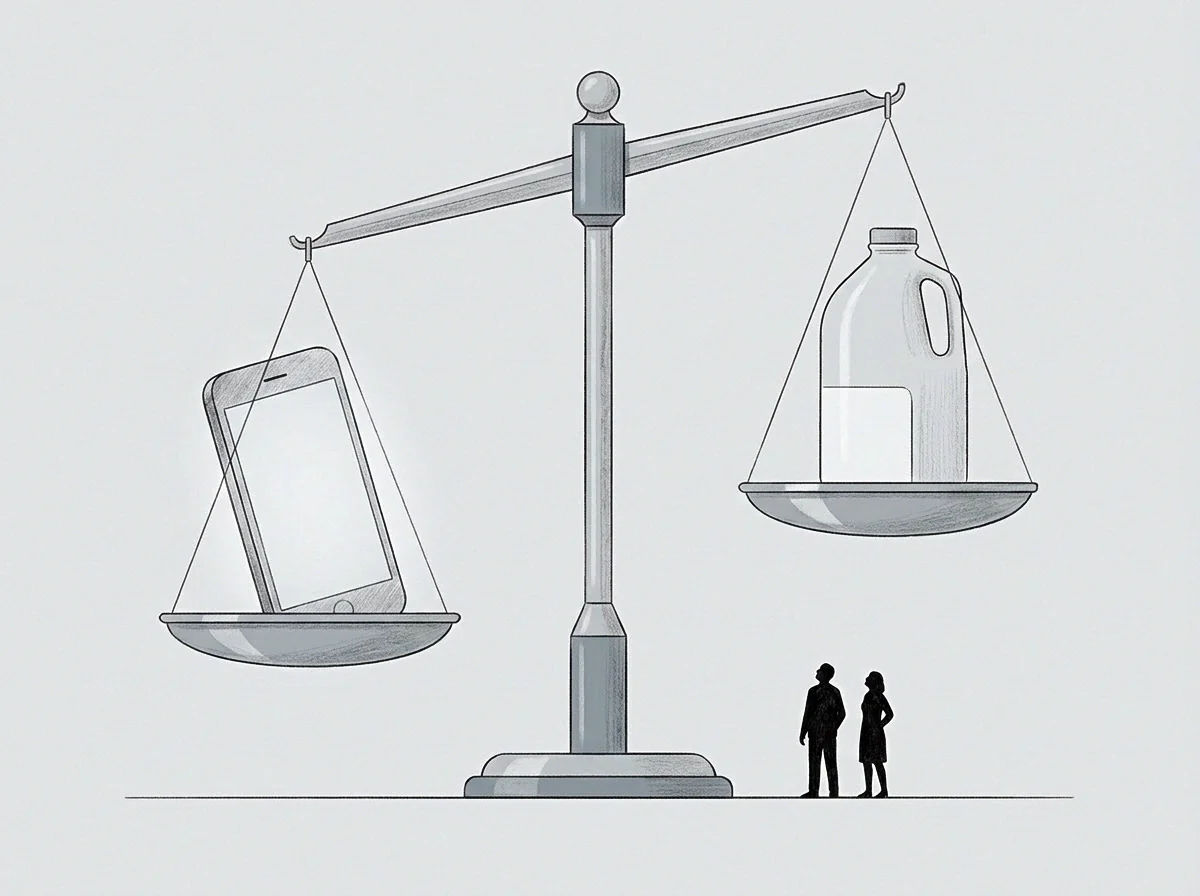
Social Baseline Economy and Coregulation Rebuilding in Post Founding Operational Life
Coregulation rebuilding requires transitioning from solitary neural budgeting to reciprocal presence that distributes metabolic loads across trusted bodies.
Coregulation rebuilding requires transitioning from solitary neural budgeting to reciprocal presence that distributes metabolic loads across trusted bodies.

Receptor downregulation under chronic overload throttles receptive neural pathways, making incoming dyadic calm register as sensory load during reentry.
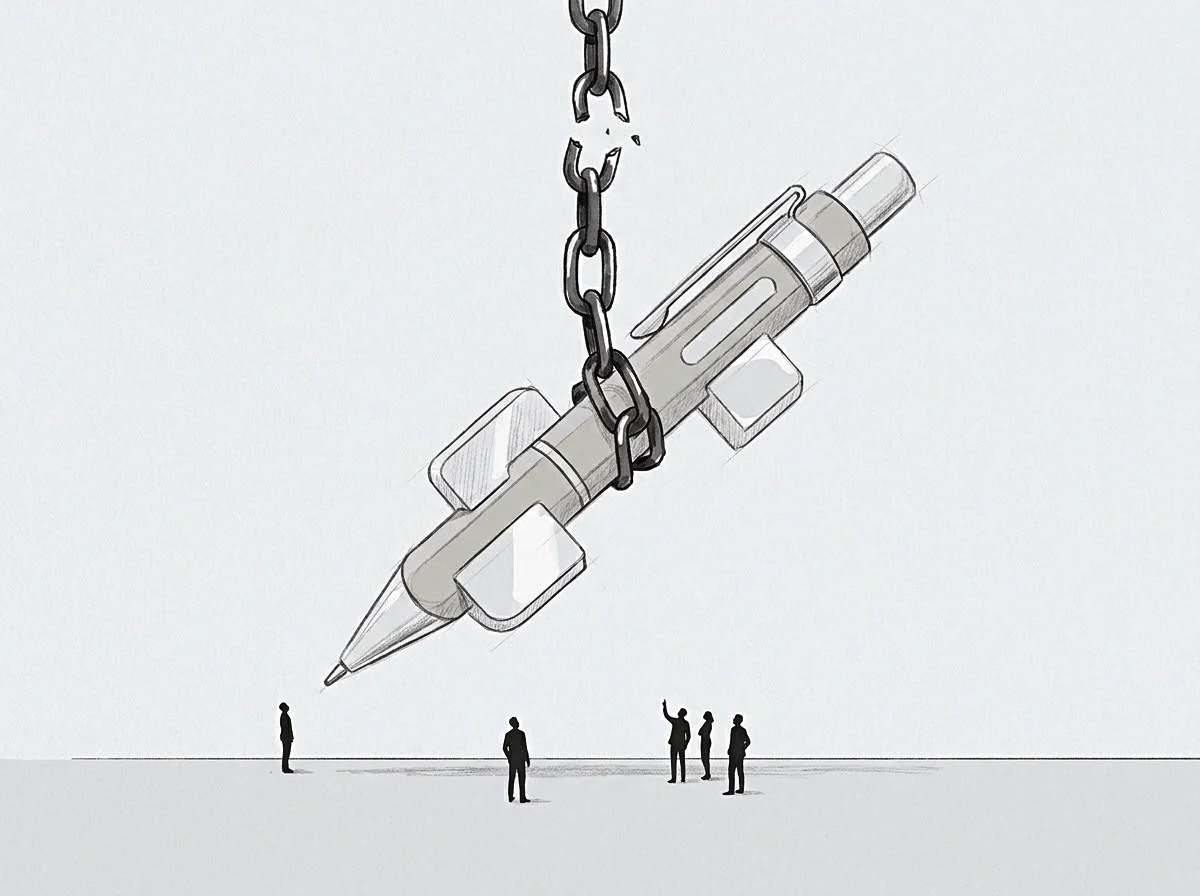
Autonomic safety after high-stress isolation requires repeated low-demand physical proximity to downregulate chronic sympathetic vigilance.
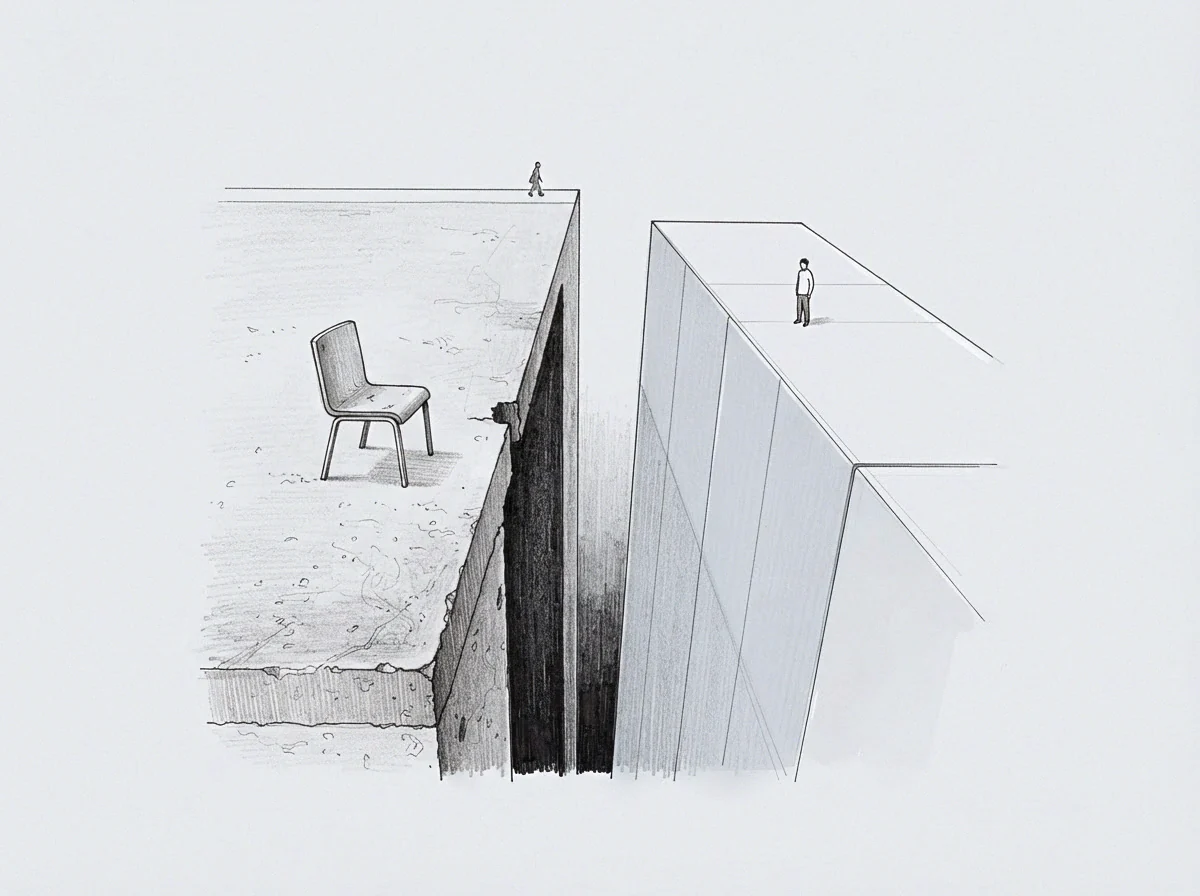
Extended solitude shifts autonomic baseline regulation to solo holding, requiring structured low-demand proximity exposure to reconstruct social receptor capacity.
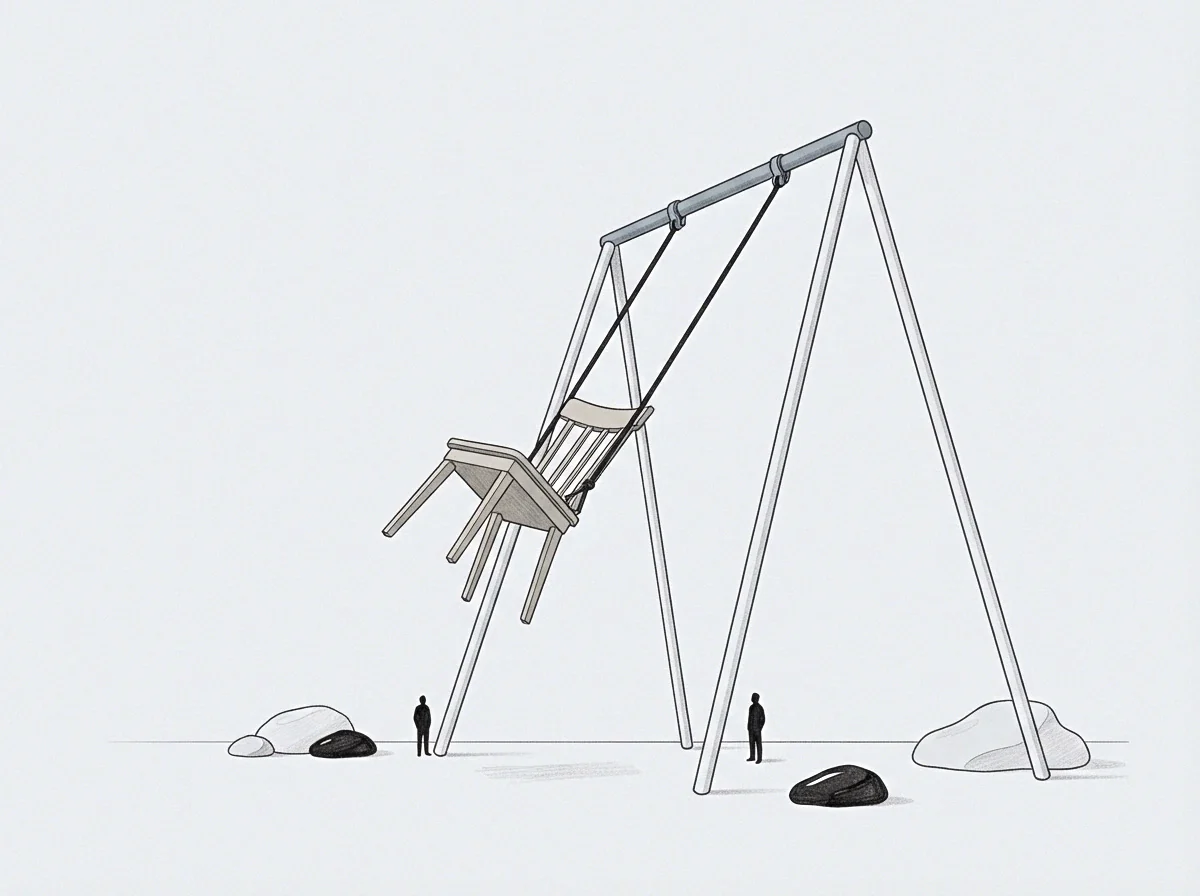
Chronic high operational load desensitizes parasympathetic receptivity, turning shared rooms from energy-conserving baselines into demanding threat environments.
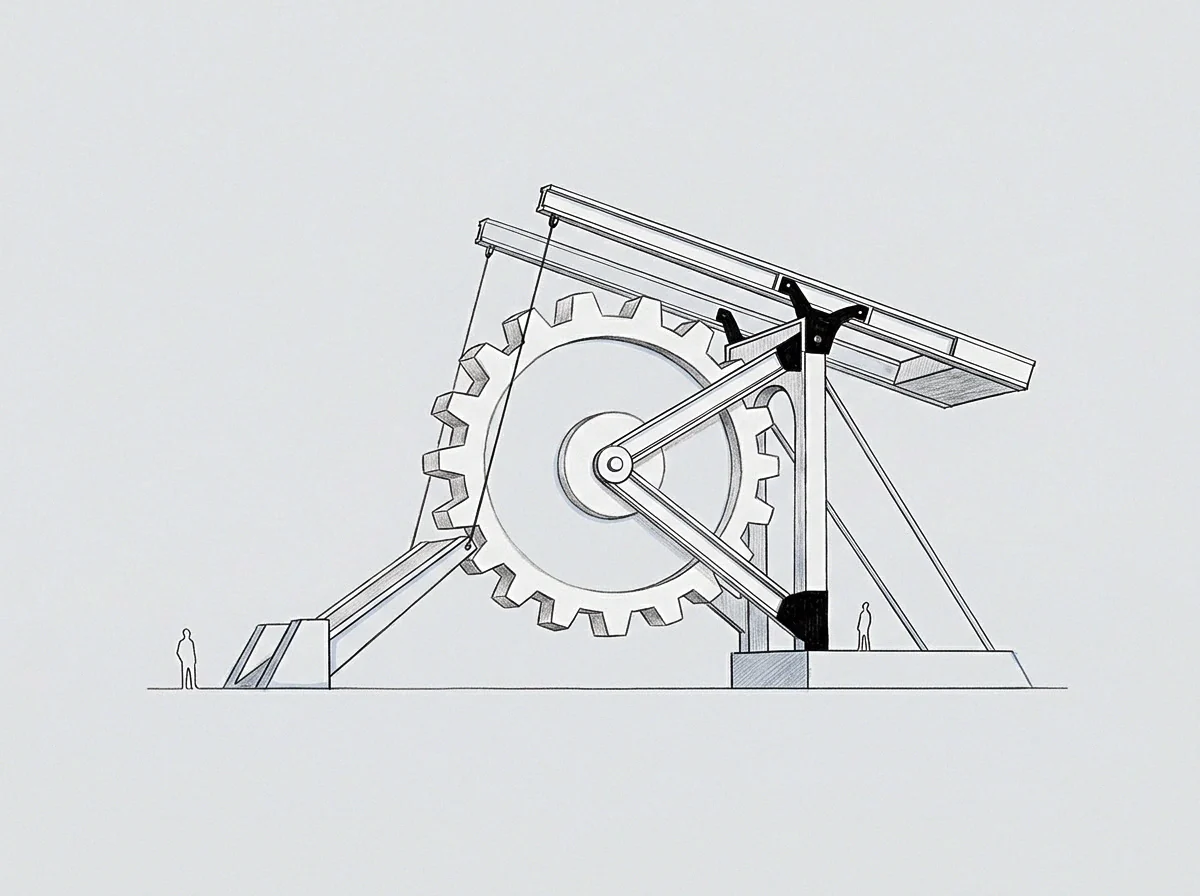
Extended solitary operation shifts the neural baseline, converting human proximity from a metabolic discount into an energetic cognitive tax.
The terms are written where they belong. Each field holds three desks, and every entry a desk writes raises the terms it uses, each term given a meaning, a mechanism and the places it appears. The record on these pages stays first person and hand made; the fields grow the nomenclature.