Meaning
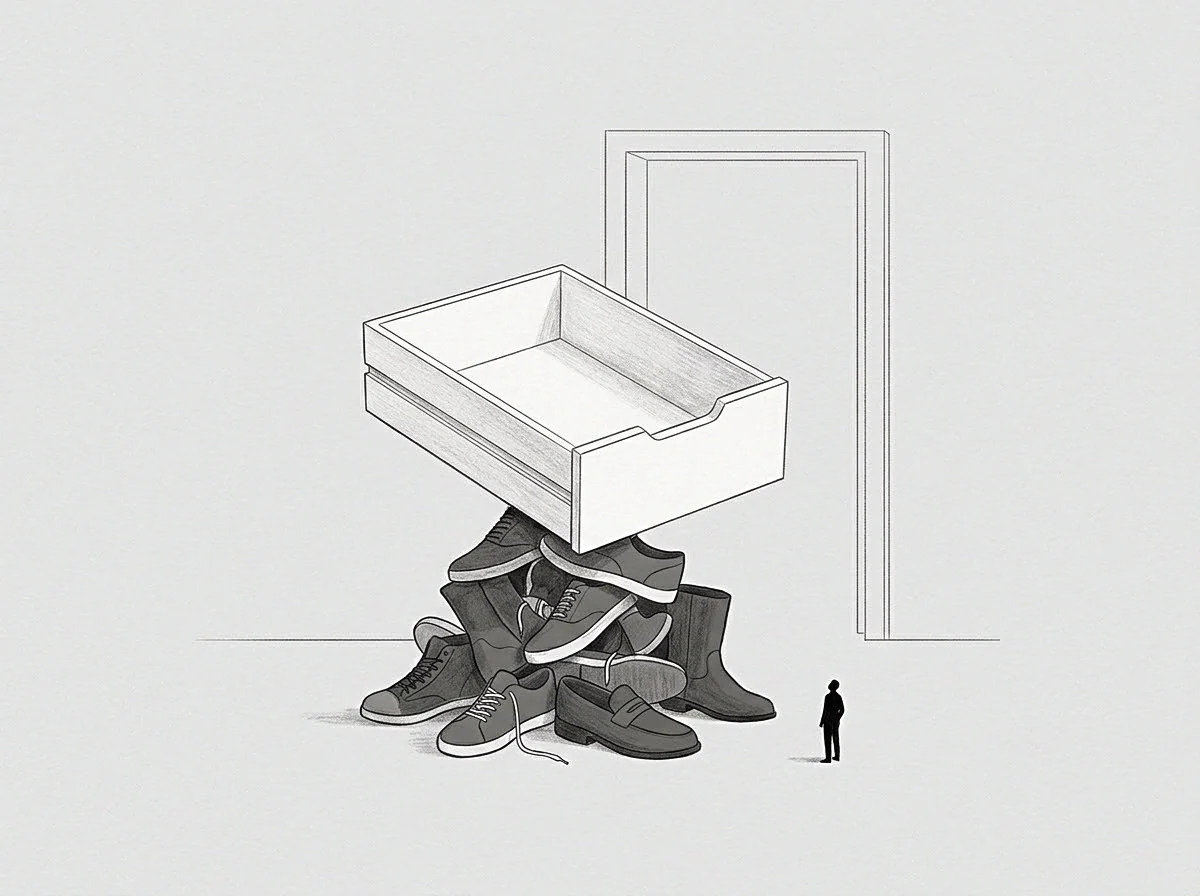
Organizational strategies that shield a team from external stress and administrative distractions protect collective focus. Engaging in threat absorption allows a leader to filter out demands before they reach the core working group. This practice maintains the stability needed for high performance.
Protective Buffer
Leaders who act as a shield prevent the anxiety of external stakeholders from disrupting the team’s workflow. By practicing threat absorption, the leader ensures that developers and designers can focus on their primary tasks. This buffering is essential for maintaining momentum during periods of external uncertainty.
Capacity Depletion
Taking on the stress of an entire organization takes a heavy toll on the individual performing the shield function. Continuous threat absorption drains the cognitive and emotional reserves of the leader. Over time, this constant pressure can lead to burnout if the leader does not have their own source of support.
Institutional Friction
A system that relies entirely on a single person to handle all external pressure is inherently fragile. When threat absorption fails due to the exhaustion of the leader, the team is suddenly exposed to the full force of organizational demands. This exposure can cause immediate disruption to ongoing projects.
Building structured redundancies into the leadership team is necessary to distribute this load and prevent a single point of failure from destabilizing the entire division.