
Resolving the Tension Between Executive Containment Capacity and Autonomous Middle Management Development
Executive containment buffers operational shock while managerial autonomy develops only through direct contact with bounded external threat signals.
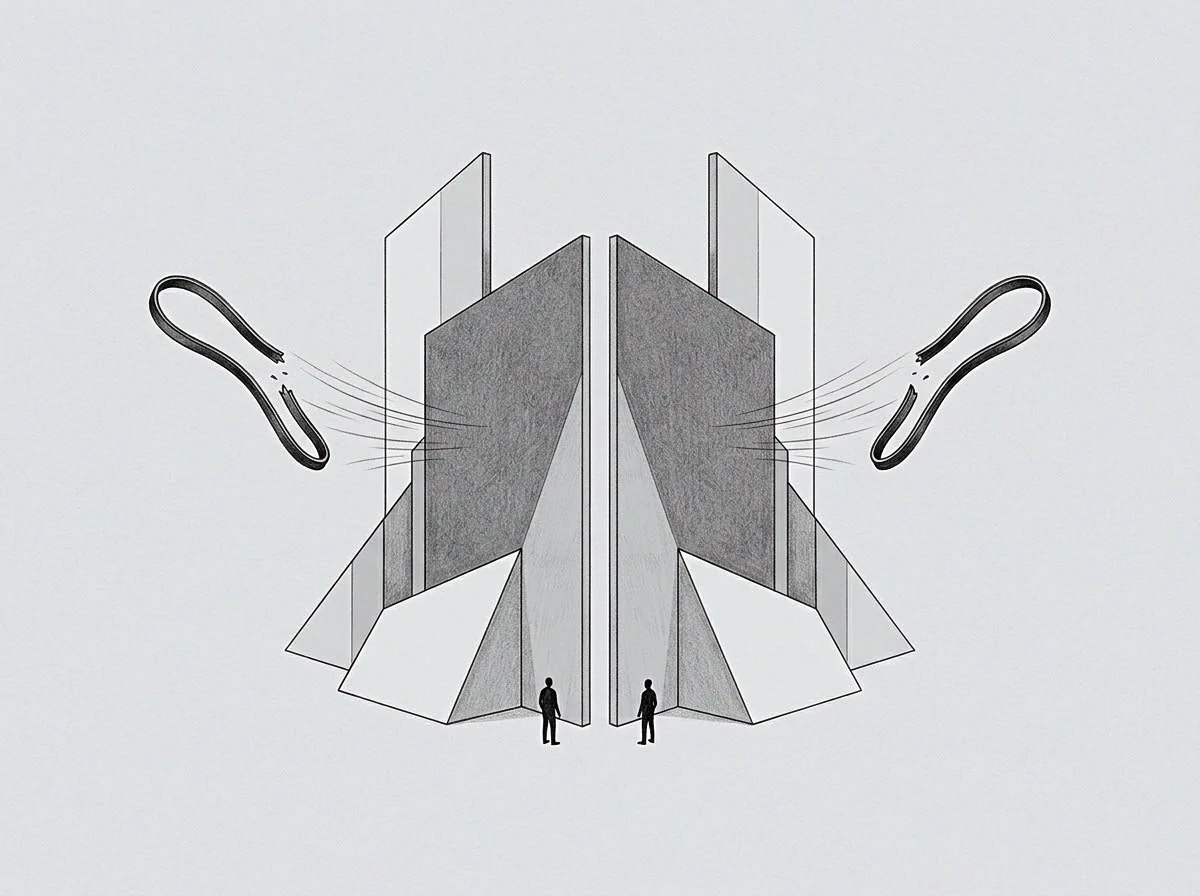
Vault
An executive sits late reviewing two conflicting escalation memos from department heads who refuse to deploy allocated capital without executive clearance. The capital allocation sits within their explicit authority, yet both managers seek top-level sign-off before vendor execution. Ten months of aggressive executive buffering have absorbed every market tremor, board inquiry, and vendor renegotiation before those tremors reached the operating floor.
The executive absorbs the impact. The floor remains quiet, execution metrics appear steady, and middle managers deliver assigned work without autonomic disturbance. That protective enclosure generates an unintended dependency.
When leadership shields operational leaders from existential tension, those leaders lose the capacity to digest ambiguity. The instinct to protect teams from distraction often hardens into a total interception of threat signals. Middle managers working inside an impenetrable shock buffer experience the company as a mechanical system where inputs reliably yield outputs and unexpected deviations represent executive failures rather than operational realities.
Quiet offices conceal hidden developmental costs. Without direct contact with volatile external feedback, the managerial layer never forms the neural and behavioral repertoires required to stand firm during structural crises.
An operator who intercepts every blow produces subordinates who treat ordinary friction as an existential emergency.
The resulting organization splits into two distinct emotional economies. The executive suite functions under chronic sympathetic arousal, holding vendor disputes, runway calculations, and client churn in continuous cognitive suspension. The management tier operates inside borrowed regulation, relying on the steady presence and decisive interventions of senior leadership to settle their working baseline.
Borrowed calm expires quickly. The moment executive presence recedes through travel, illness, or competing strategic priorities, middle management interprets normal operational variance as catastrophic instability. Escalations multiply, decision velocity collapses, and the buffered layer demands immediate containment from the very person attempting to cultivate their independence.
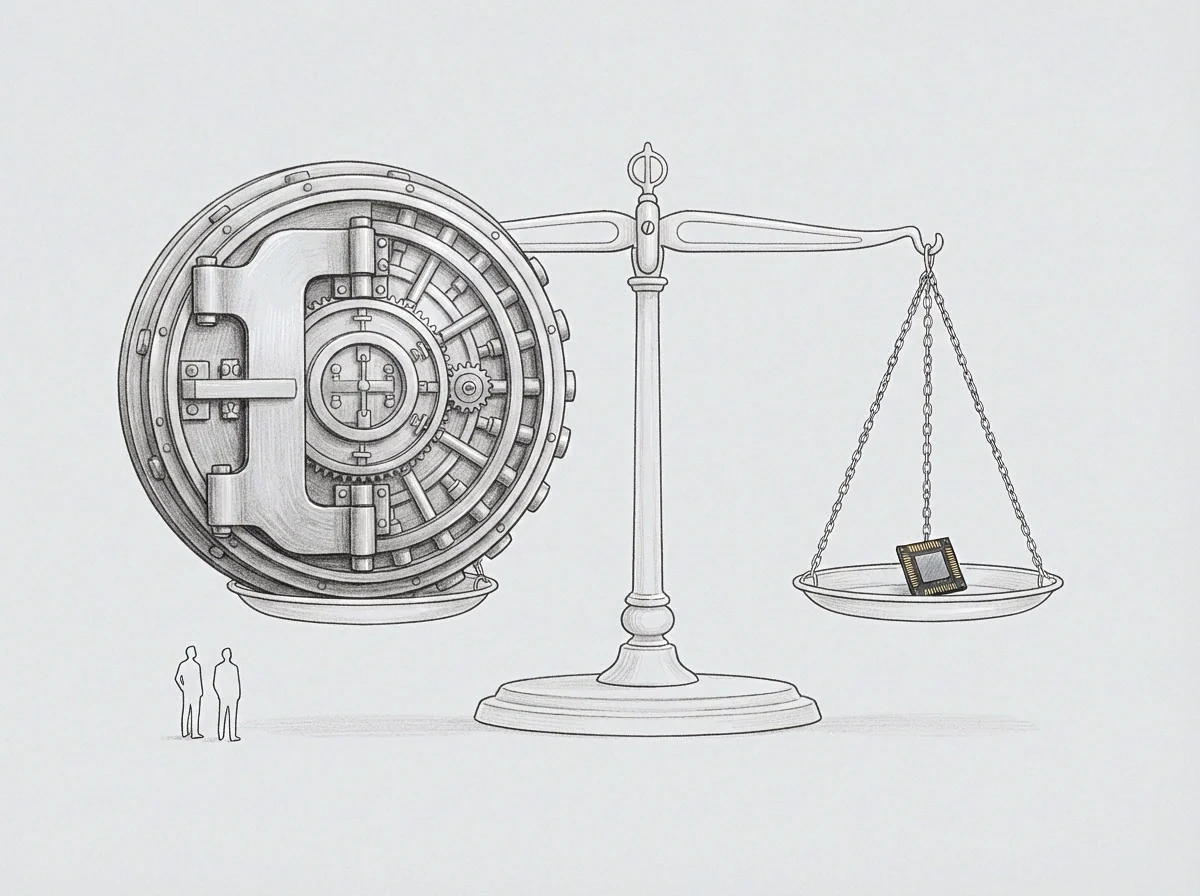
The Absorption Trap Inside Growing Teams
A capable executive frequently confuses high containment capacity with organizational health. Because the leader possesses the internal architecture to absorb external hostility without transmitting panic, the executive acts as an emotional insulator for every layer beneath the executive suite. The executive reads their own physiological strain as a necessary service to the mission.
Subordinates praise the executive for steady leadership and clear directives, reinforcing the containment pattern through social approval. Containment shields teams from reality.
This dynamic arrests the development of the internal working model across intermediate management. In human development, autonomic stability develops when an individual encounters manageable stress in proximity to a calm other, internalizing that other person’s regulating functions over hundreds of iterations. When the regulator simply removes the stressor before the individual feels its weight, the regulatory cycle short-circuits.
The developing manager never registers the connection between impending threat, personal discomfort, deliberate action, and subsequent relief. The manager learns only that the executive makes the discomfort vanish.

Terrarium Effects on Middle Tier Calibration
Inside this artificial stability, middle managers develop distorted risk tolerances. Without feeling the financial friction of a delayed product cycle or the raw anger of an unsettled enterprise client, intermediate leaders optimize for internal elegance rather than commercial survival. They debate internal tooling for weeks while runway shortens, oblivious to the ambient threat known only to the executive level.
The operator pays in stamina.
When reality eventually breaches the perimeter, the unconditioned middle manager experiences normal commercial tension as an intolerable shock. Because the intermediate manager lacks the conditioned baseline to process market hostility, the manager retreats into administrative compliance. The manager demands clearer instructions, narrower task definitions, and absolute certainty before taking calculated risks.
The executive responds by tightening control, assuming the subordinate lacks innate capability, while the subordinate concludes that the executive is erratic, withholding, and secretly unwilling to permit genuine operational authority.
Give us the exact parameters of the decision, and we will carry it out precisely as told.

Desk
Structural intervention begins at the physical surface where work meets consequence. Exposure protocols demand that intermediate leaders sit directly before the raw documents, angry clients, and capital burn rates that define commercial friction. Threat exposure shapes neural capacity.
Rather than digesting market hostility into sanitized task lists, executive leadership routes selected external pressures straight to middle management desks without synthetic dampening.
Autonomous capability requires an uninsulated contact surface. An intermediate leader who manages an enterprise relationship must sit opposite that client during contract disputes, absorbing the customer’s disappointment directly rather than receiving a digested summary from a senior vice president. Unbuffered feedback accelerates operational learning. The physical experience of sitting with the consequences of an operational error recalibrates the manager’s baseline faster than any developmental review.
When executive containment recedes deliberately, the desk becomes the location where operational sovereignty is forged.
Containment capacity functions safely when it cushions shock without hiding the trajectory of the projectile.
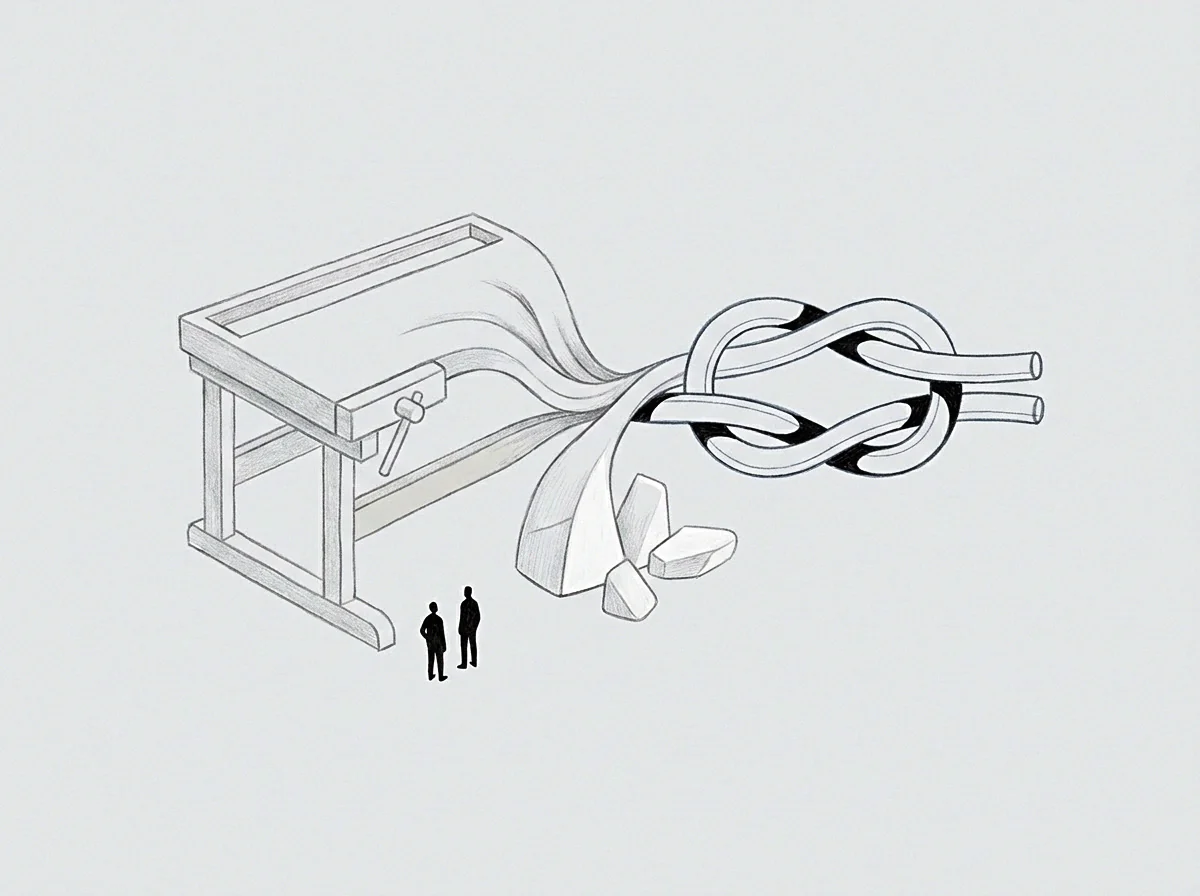
Exposure Protocols at the Operational Surface
Implementing strategic exposure requires visible boundaries around managerial authority. If an executive simply abandons containment without establishing containment boundaries, intermediate leaders experience overwhelming autonomic panic, triggering immediate paralysis or flight. The deliberate exposure model substitutes personal absorption with visible procedural rails.
The manager carries the weight of the decision, yet the parameters of potential damage remain clearly defined.
Clear architectural parameters distinguish productive developmental stress from systemic failure:
- Defined Capital Envelopes establish non-negotiable expenditure limits within which intermediate leaders commit organizational resources without executive pre-clearance or retrospective second-guessing.
- Direct Counterparty Friction mandates that managers conduct renegotiations and service restorations directly with commercial partners, experiencing the relational tension of service delivery without an executive intermediary.
- Unfiltered Variance Reporting routes raw operational performance figures directly to department leads before executive presentation, obliging managers to interpret anomalies independently.
- Transparent Runway Constraints expose the operating team to precise cash depletion timetables, aligning localized spending decisions with institutional survival metrics.
These operating rails preserve organizational safety while compelling the middle manager to engage their own neural resources. The manager feels the cold draft of existential risk, but the walls of the enterprise prevent a fatal drop. The executive shifts from an active emotional damper to a structural engineer, maintaining the envelope while leaving the internal climate to the team.
| Containment Mode | Stress Transmission | Feedback Latency | Capacity Growth | Operational Risk |
|---|---|---|---|---|
| Absolute Absorption | Zero external threat signals transmitted to middle management | High latency via executive filtering and task translation | Static dependent execution with severe risk aversion | High latent vulnerability through centralized single-point fragility |
| Unstructured Abandonment | Chaotic, unbuffered crisis dumping across all organizational layers | Instantaneous raw feedback with zero context or support | Autonomic overwhelm leading to paralysis or rapid attrition | Immediate existential exposure from uncalibrated junior errors |
| Bounded Exposure | Calibrated threat signals transmitted inside defined risk envelopes | Low latency direct feedback with post-event structural debrief | Rapid earned security through repeated consequence processing | Controlled localized variance bounded by pre-set structural stops |
Selecting absolute absorption preserves short-term tranquility while generating permanent organizational fragility. When an enterprise operates under absolute absorption for extended periods, the departure or incapacitation of the executive triggers immediate operational chaos, as intermediate leaders lack the autonomic tolerance to hold unresolved tensions, resulting in rapid departmental breakdown and systemic paralysis.
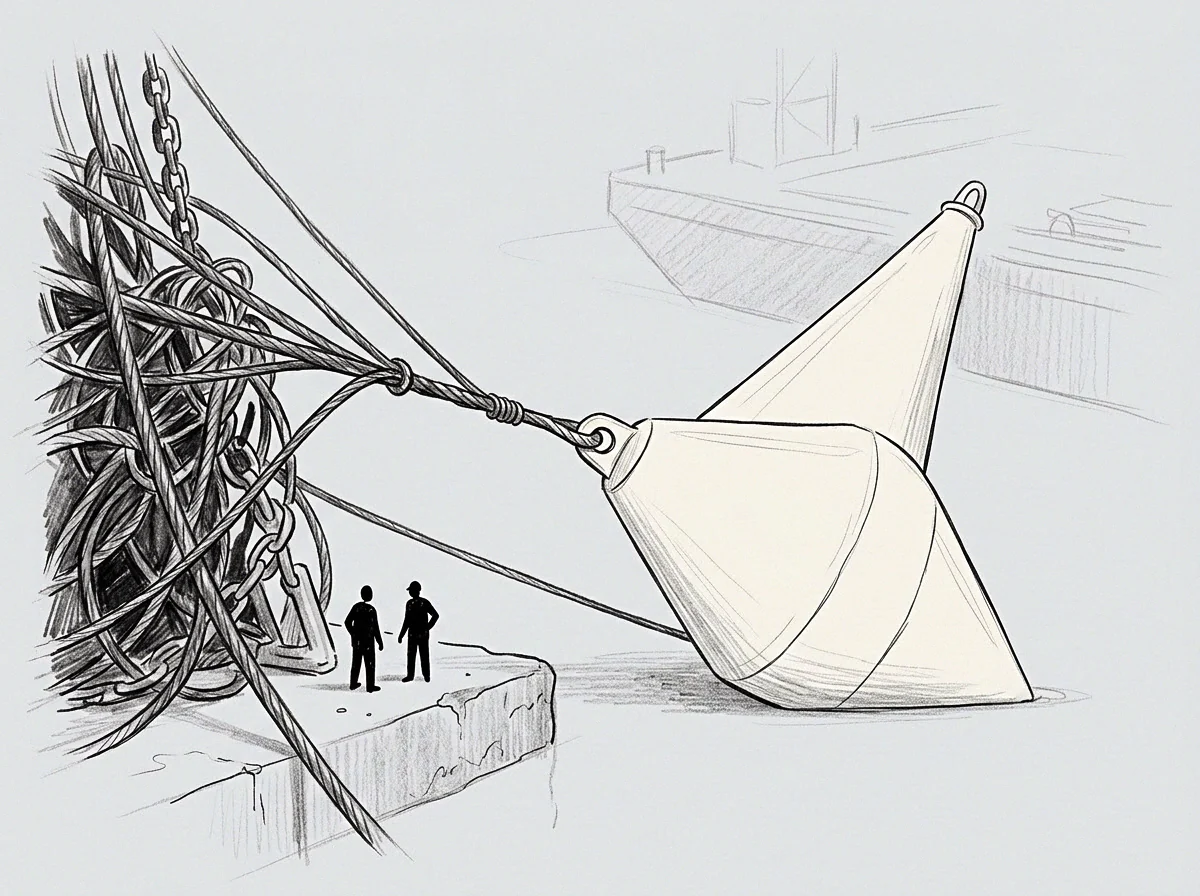
Current
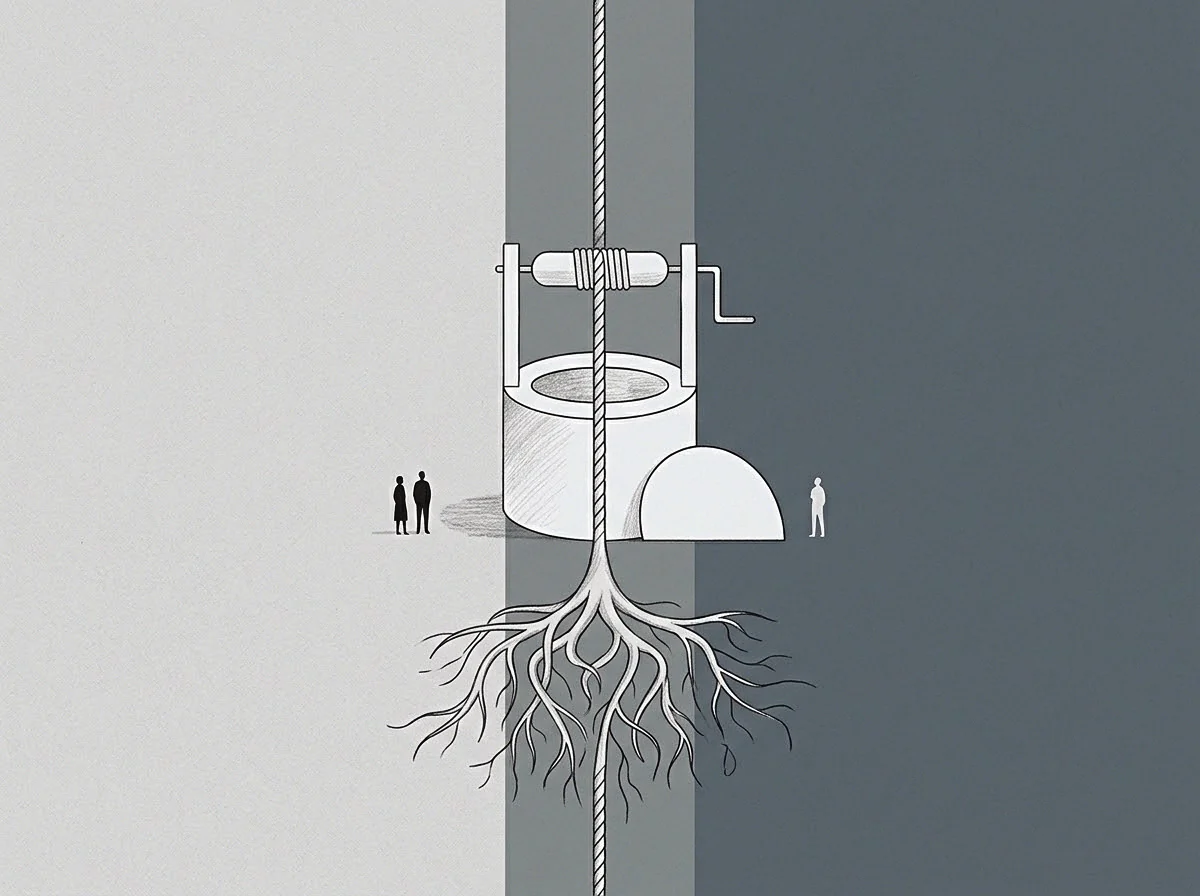
The energetic cost of continuous threat absorption registers directly in the executive organism. Affective neuroscience identifies the brain as an economic organ that budgets metabolic resources based on the availability of reliable social partners. Under social baseline theory, the human nervous system treats proximity to capable conspecifics as the default, low-cost baseline for survival.
Self-regulation alone is an expensive, emergency mode. When an executive functions as the sole containment vessel for an entire company, their biology operates in perpetual metabolic deficit, burning glucose, elevating cortisol, and sustaining dangerous allostatic wear.
Isolation raises biological vigilance. When middle managers treat the executive as an inexhaustible baseline for borrowed calm, the flow of regulation runs entirely in one direction. The intermediate tier siphons equilibrium from the leader, discharging their anxiety upward through escalations and demands for certainty.
The executive absorbs that load, processes the turbulence, and returns structured calmness to the room. The baseline redistributes survival pressure. This continuous unidirectional transfer drains the leader’s cognitive reserve, degrading strategic judgment and producing profound executive exhaustion.
When an executive dampens external volatility unilaterally, middle managers register artificial safety while the executive physiology sustains elevated allostatic load.
Neural Costs of Continuous Threat Absorption
Holding unresolved organizational tension without discharging it requires massive prefrontal inhibition. The executive must simultaneously track market threats, suppress visible manifestations of fear, project confidence, and structure the operational environment for others. This dual burden of threat processing and social buffering consumes extraordinary neural energy.
In laboratory settings measuring autonomic coordination, individuals who must suppress stress responses while coordinating subordinates demonstrate sharp drops in working memory, impaired risk calculation, and prolonged sympathetic activation during recovery periods.
Longitudinal field research on executive allostasis reveals that this containment posture cannot be sustained indefinitely. Sustained threat suppression leads predictably to sudden regulatory collapse, manifesting as emotional volatility, executive withdrawal, or sudden cognitive exhaustion. The executive suddenly stops answering messages, makes uncharacteristically impulsive commercial decisions, or retreats into hyper-controlling administrative minutiae.
Dependency masks organizational fragility.
Social Baseline Theory in Organizational Hierarchies
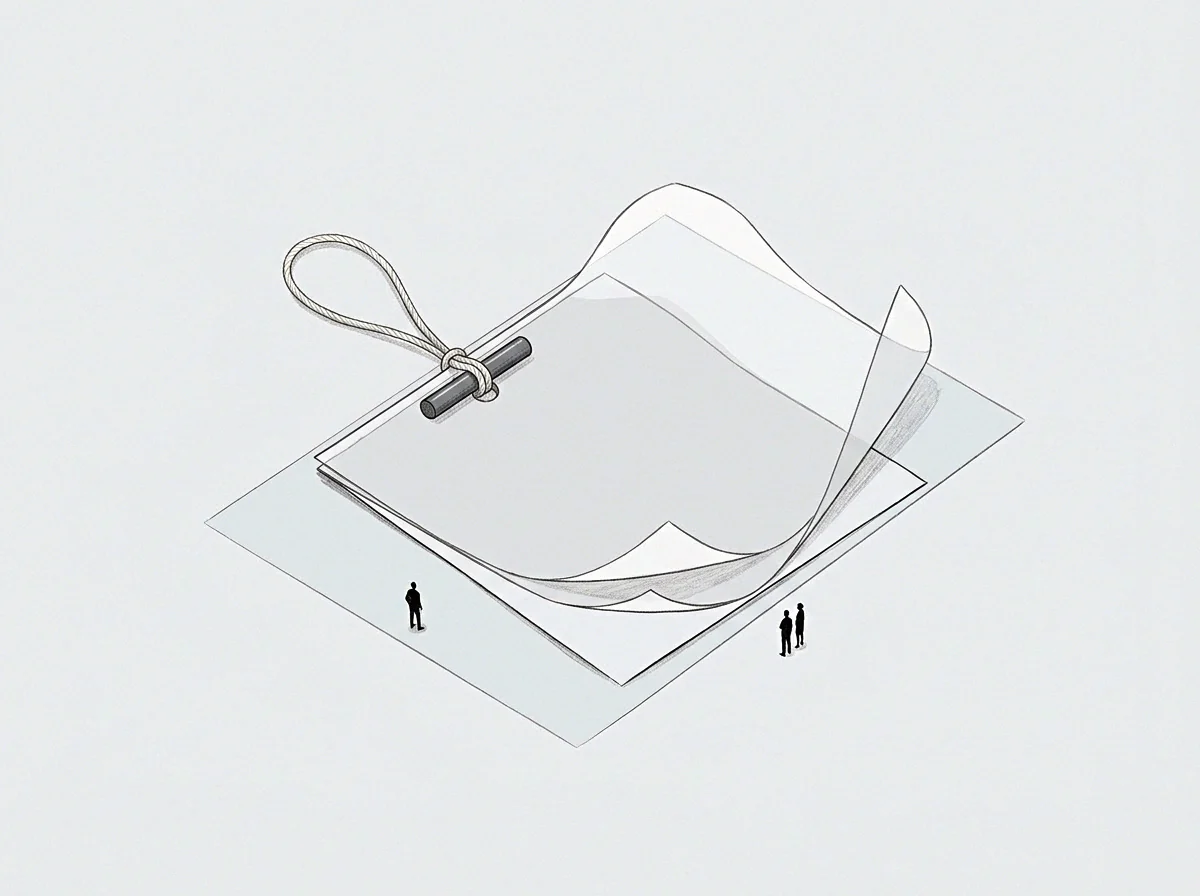
The solution requires converting a unilateral containment system into a distributed regulatory network. Social baseline theory demonstrates that when threat load is shared across multiple bonded individuals, the individual neural load drops proportionally. Brain imaging reveals that individuals exposed to threat cues show significantly dampened amygdala and insular activation when holding the hand of a trusted partner, an effect directly tied to relationship quality and shared predictability.
In an enterprise hierarchy, this hand-holding is structural: shared visibility of risk, collective ownership of variance, and mutual defense during external shocks.
Distributing this energetic burden requires the executive to abandon the posture of absolute invulnerability. Showing the real numbers, naming the actual enterprise risks, and expecting middle managers to carry their proportional share of commercial anxiety restores the natural economy of the human group. Competence demands contact with risk.
The executive ceases to be an electrical ground absorbing every lightning strike and becomes one node in a resilient, interconnected grid that absorbs shocks through distributed dispersion.
Regulatory capacity expands across a management team only when load travels through every joint in the structure rather than resting on the central post.
Grip
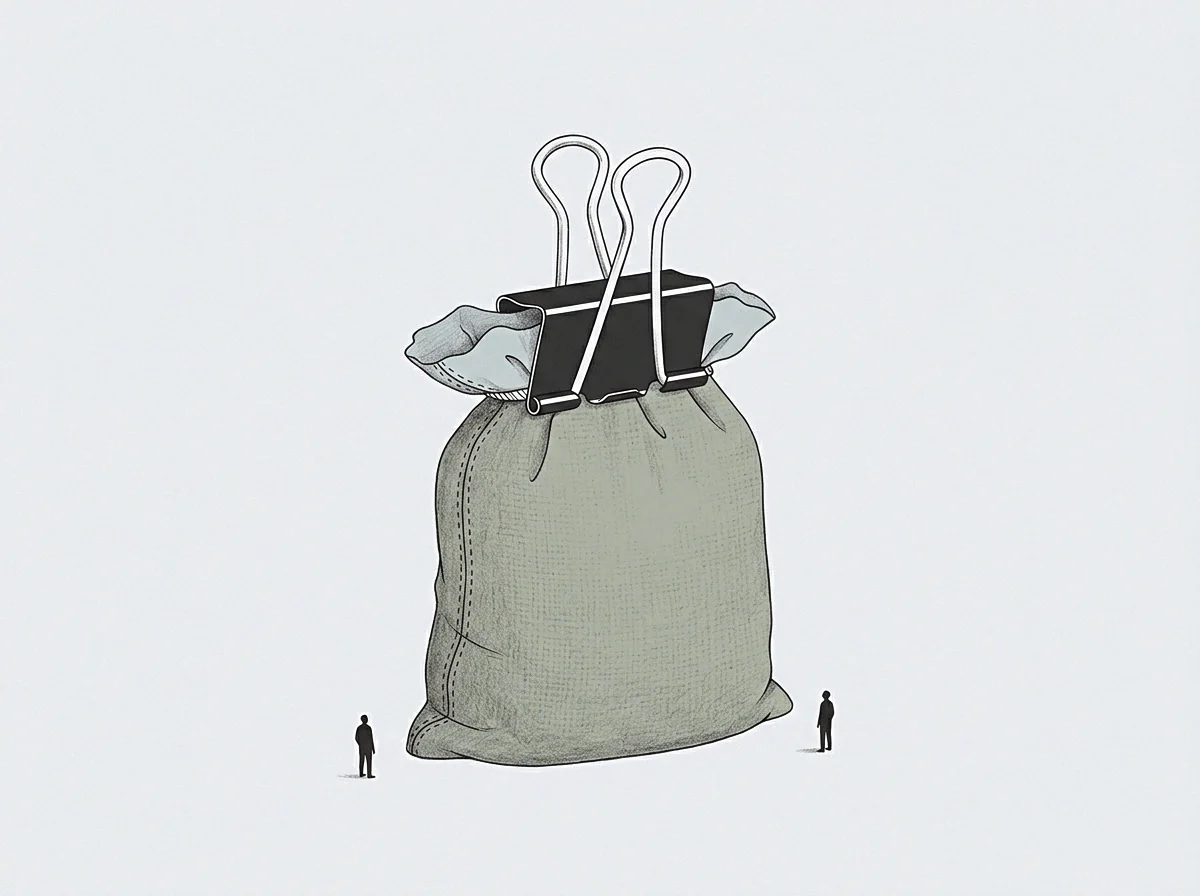
Releasing executive containment without collapsing operational integrity requires loosening the leadership grip across predictable stages. Many executives swing wildly between micro-management and total delegation, vacillating between claustrophobic oversight and reckless abandonment. Both extremes reflect an inability to manage the anxiety of distributed control.
Transferring operational sovereignty requires a deliberate handoff sequence that systematically builds earned security inside the intermediate management tier.
Autonomy is not a sentiment; it is a physiological and behavioral capacity to endure operational tension without breaking protocol. Silence signals systemic exhaustion. An intermediate manager does not become autonomous through permission or motivational coaching.
Autonomy develops when a manager repeatedly faces complex situations with real downside consequences, navigates the operational ambiguity without executive rescue, and survives the resolution with their professional baseline intact. This cycle installs a secondary regulatory template that gradually replaces the baseline borrowed from the senior leader.
Which Signals Indicate Middle Layer Autonomy?
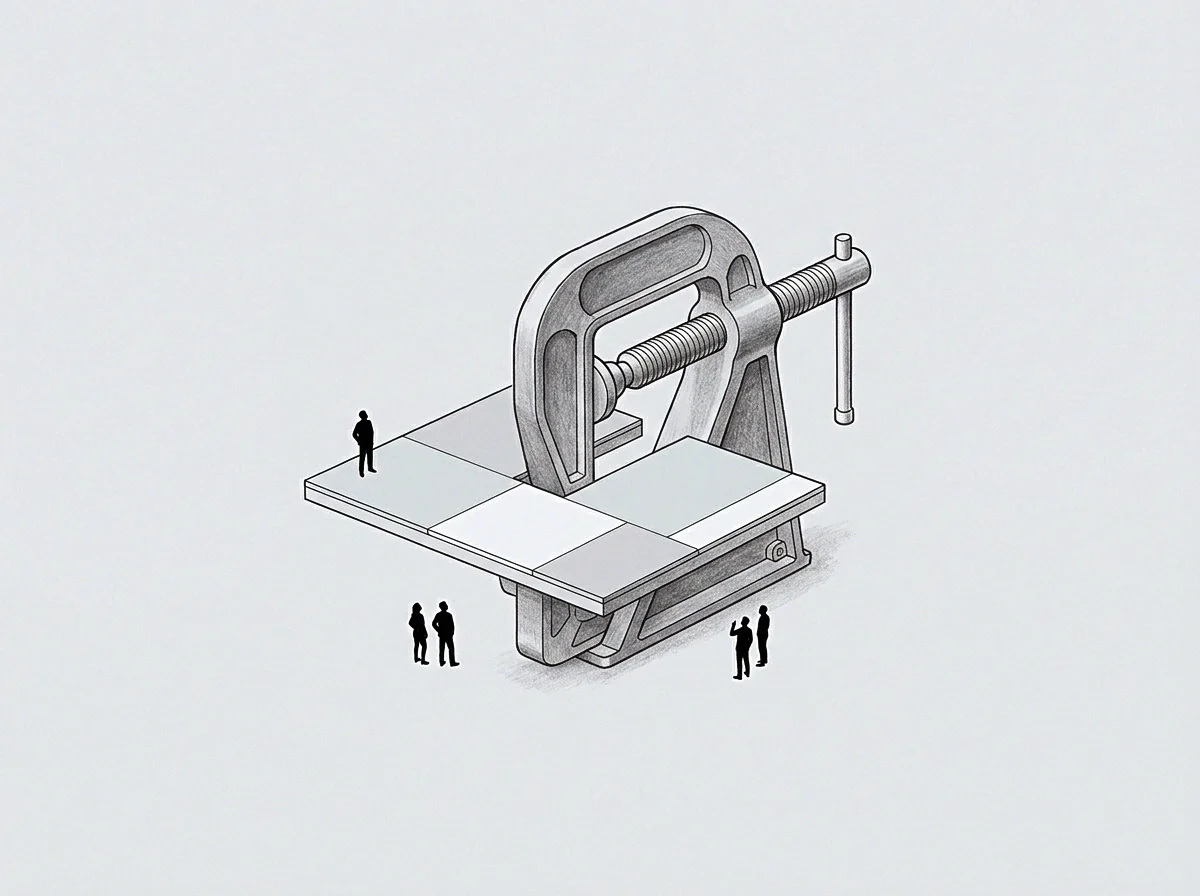
Evaluating whether a middle manager possesses genuine operational sovereignty requires examining their behavior under ambient stress. A dependent manager appears highly capable during periods of operational predictability, executing established playbooks with precision. The dependent posture reveals itself only when an anomaly occurs that sits outside standard documentation.
The dependent manager immediately escalates the anomaly or halts operations until leadership provides instructions. The autonomous manager demonstrates entirely different behavioral markers.
Concrete observable actions prove an intermediate leader can metabolize operational threat:
- Autonomous Anomaly Containment occurs when a manager encounters an unscripted operational crisis, isolates the blast radius immediately, and communicates a remediation plan rather than escalating an open-ended plea for executive intervention.
- Variance Ownership Without Blame Shifting appears when a leader presents unfavorable financial or production metrics with clear causal analysis, accepting responsibility for local outcomes without pointing to executive direction as the source of error.
- Peer Level Conflict Resolution manifests when intermediate leaders settle resource competition, scheduling collisions, and cross-functional friction directly with peer managers without seeking executive arbitration.
- Tolerance for Calculated Ambiguity shows in a manager’s willingness to commit capital or operational momentum under imperfect market information, relying on their localized risk assessment rather than demanding impossible certainty from above.

Graduated Transfer of Strategic Ambiguity
The executive achieves this transfer by altering the terms of every escalation. When an intermediate leader brings an unresolved commercial dilemma to the executive suite, the executive declines to supply the decision. The executive offers co-presence instead of answers.
By sitting with the manager, reviewing the same data, acknowledging the real hazard of the choice, yet insisting that the manager sign the final execution order, the executive functions as a developmental scaffold rather than an operating shield.
This transition alters the fundamental operating agreement between executive and intermediate leadership. The stated condition for operational independence is that the executive accepts variance in local execution while the manager accepts direct accountability for localized outcomes. The buffer eventually cracks.
Under this explicit pact, the manager no longer possesses the right to hide behind executive guidance, and the executive forfeits the right to dictate tactical execution. Both parties trade comfort for organizational resilience.
Under this operating arrangement, an escalation memo without two viable proposed resolutions and a declared preferred commitment automatically reverts to the sender unread.
Strut
Organizational resilience emerges when intermediate managers no longer treat executive leadership as a surrogate nervous system. Real stakes build earned security. When middle managers possess their own capacity to metabolize tension, the entire enterprise shifts from a brittle hub-and-spoke configuration into a distributed adaptive network.
The executive suite reclaims cognitive bandwidth for long-horizon capital strategy, while the operational layer responds dynamically to local disruptions without waiting for corporate permission.
The personal transformation required of the executive is profound. An executive who built an enterprise by personally containing every threat often derives deep psychological validation from being the indispensable center of stability. Relinquishing the containment monopoly feels dangerously close to operational negligence or personal obsolescence.
The leader must develop an internal slot for observing a subordinate struggle through a difficult commercial problem, feeling the impulse to intervene, and deliberately holding their hands back. Scaffolding must be disassembled deliberately if the building is ever to stand.
Under a defined blast radius, middle managers absorb operational loss directly while executive presence prevents total institutional collapse.
Earned Security Across the Management Layer
Earned security inside an operational team is the collective residue of survived crises. When a management team navigates a catastrophic product rollback, a major client termination, or an aggressive competitive launch without senior leadership seizing the steering wheel, their collective regulatory template updates permanently. They know what panic tastes like, they know how to coordinate actions under adrenaline, and they know that operational failure can be metabolized, repaired, and absorbed.
This shared history creates horizontal co-regulation across the middle tier. Instead of every manager looking vertically toward the executive desk for stability, peers begin regulating against one another. A department lead experiencing severe operational friction finds equilibrium through alignment with peer directors who understand the local terrain.
The regulatory budget distributes naturally across horizontal peers, dropping the metabolic cost of organizational management to sustainable baseline levels.
Dismantling the Unilateral Baseline
Dismantling the unilateral baseline requires systematic executive withdrawal from operational forums. The leader stops attending routine cross-functional syncs, closes direct monitoring channels into minor ticket queues, and redirects subordinate escalations back to department heads. This withdrawal must be announced clearly as an intentional shift in governance rather than an arbitrary emotional abandonment.
The executive makes the boundary visible, states the criteria for catastrophic intervention, and remains disciplined in refusing to cross the line for ordinary friction.
As middle management steps into this empty operational space, the quality of operational decisions changes. Localized adjustments occur in minutes rather than days. Operational friction meets immediate containment at the perimeter of the department rather than traveling to the executive core.
The executive containment capacity, once deployed as a daily operational dampener, is preserved for systemic institutional shocks: sudden regulatory interventions, existential capitalization rounds, and macroeconomic collapses. The executive rests in reserve, holding systemic boundaries while the autonomous middle tier governs the interior with steady hands.
The enterprise reaches maturity, yet it leaves open whether an executive conditioned by years of existential founding stress can permanently inhibit the reflex to reach into the machinery when an autonomous subordinate makes a mistake that damages personal wealth.