
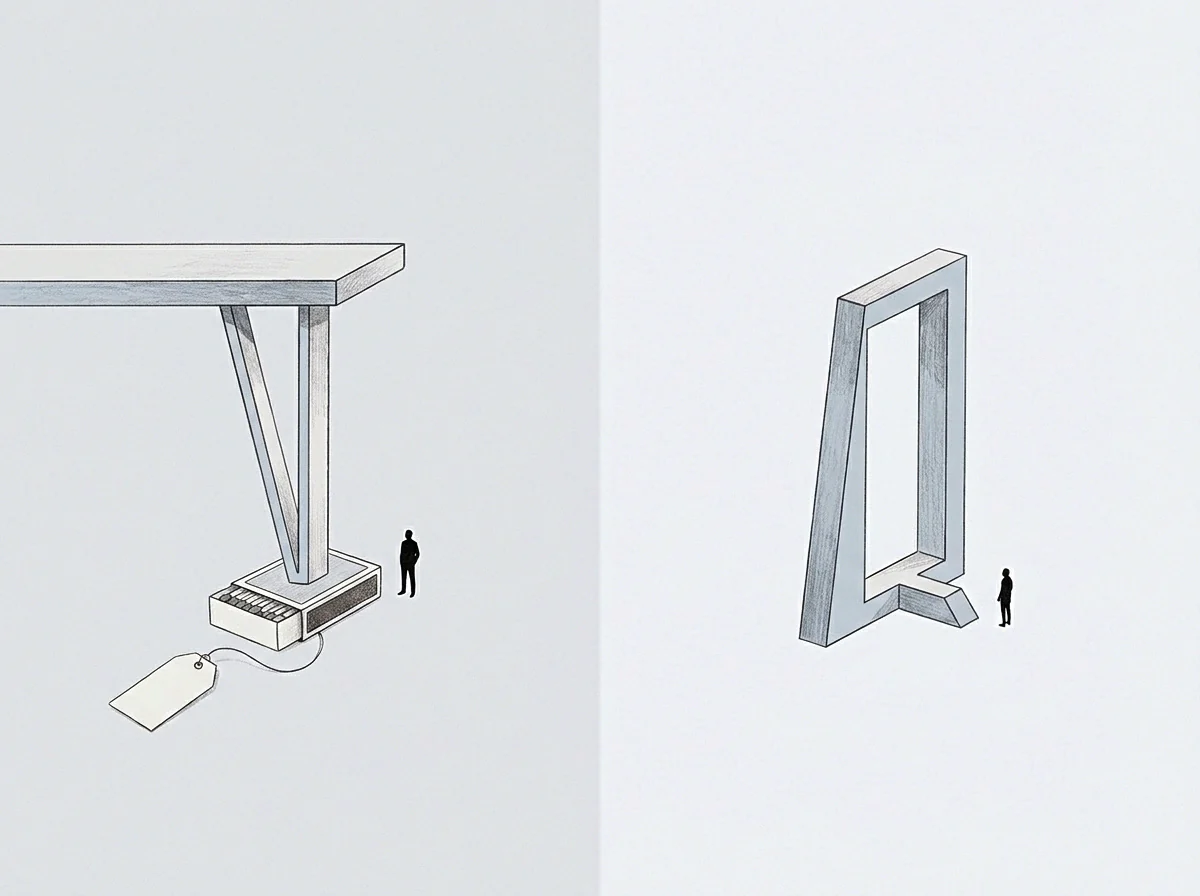
Measuring Regulatory Load Transfer in Early Stage Leadership Structures
Regulatory load transfer measures how structural ambiguity moves operational and emotional stabilization demands from team members onto early stage leaders.
Regulatory load transfer measures how structural ambiguity moves operational and emotional stabilization demands from team members onto early stage leaders.

Extended solo regulation forces neural budgets to reallocate biological fuel from long-term maintenance to continuous prefrontal threat monitoring.
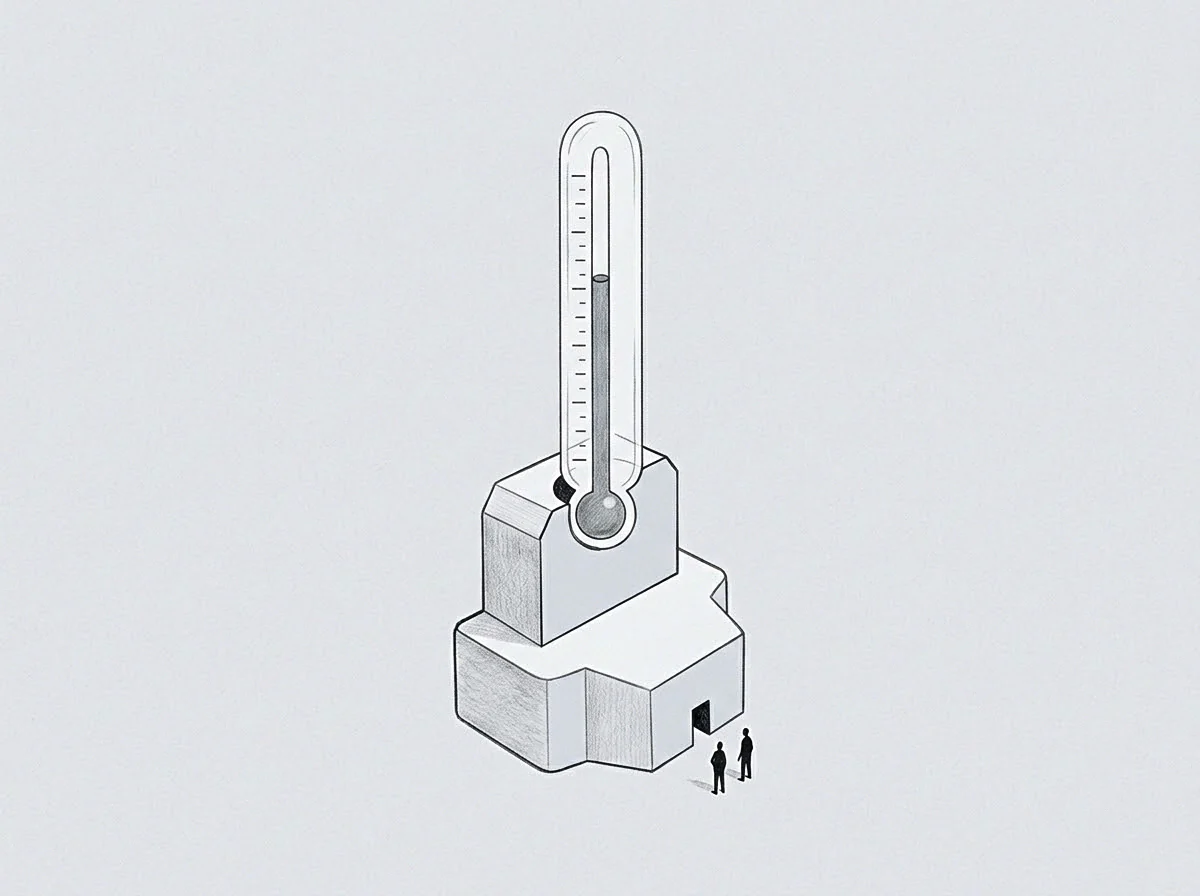
Social baseline theory shows human brains treat proximate reliable state as energy savings, concentrating operational strain onto whoever remains regulated.

Functioning as a primary relational regulator suppresses autonomic recovery and elevates metabolic expenditure by replacing co-regulatory relief with solo buffering.

When company builders act as an emotional baseline without stating capacity caps, team stability relies on borrowed calm that exhausts executive neural reserves.

An executive limit acts as a structural term that redirects incoming operational load once personal regulation reaches setpoint thresholds.

High-growth corporate systems collapse when individual operational capacity replaces explicit governance terms to absorb continuous transactional throughput.

Enterprise decision latency under severe exhaustion measures structural processing lag caused by allostatic depletion, shifting choices toward default outcomes.
The terms are written where they belong. Each field holds three desks, and every entry a desk writes raises the terms it uses, each term given a meaning, a mechanism and the places it appears. The record on these pages stays first person and hand made; the fields grow the nomenclature.