
Structural Protocols for Reciprocal Co Regulation and Template Updating under Persistent Allostatic Load
Persistent high load forces individuals to borrow physiological calm from stable partners, shifting neural regulation costs while delaying template updates.
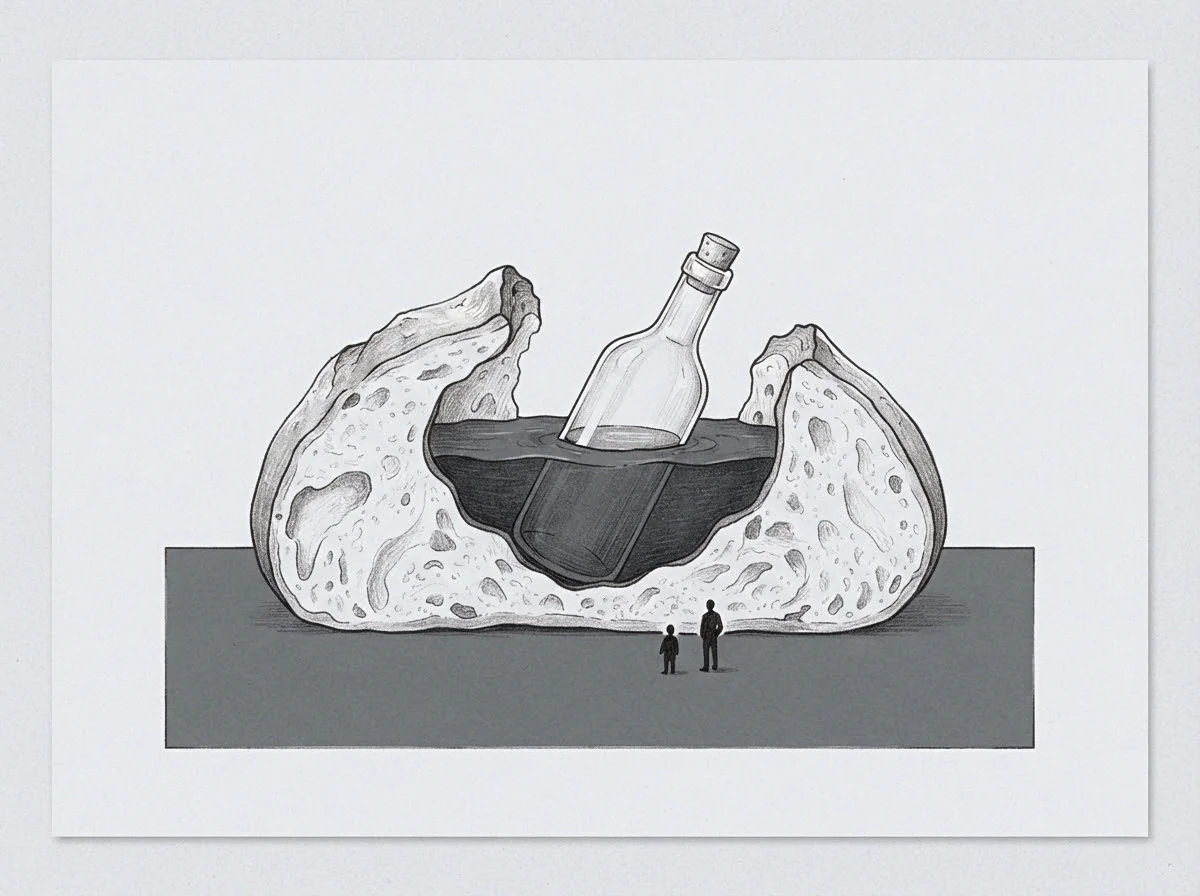
Cost
Four messaging channels remain open at midnight while system alerts cascade across the primary monitor. The operator holds a steady heart rate, drafting concise status reports while three team members rely on that composure to manage their own rising anxiety. This quiet containment keeps the immediate operation running, yet the physiological debt accumulates silently inside the operator’s nervous system.
Allostatic load represents the wear and tear on biological systems subjected to repeated or chronic stress. When an individual operates under continuous operational pressure, the brain constantly evaluates environmental threats alongside internal reserves. Social baseline theory demonstrates that human neural architecture evolved to assume proximity to reliable social partners, effectively outsourcing portions of metabolic regulation to the surrounding group.
Solitary regulation raises metabolic expenditure. Proximity to a steady partner lowers the biological energy needed to process incoming threats.
Metabolism dictates available neural capacity. When an individual functions as the primary emotional anchor for an organization without receiving reciprocal stabilization, the brain treats the environment as fundamentally resource-deficient. The prefrontal cortex must work harder to suppress sympathetic arousal, diverting glucose and oxygen away from long-term cellular maintenance and strategic cognitive processing.
Over extended horizons, this unhedged expenditure manifests as persistent fatigue, systemic inflammation, and compromised executive function.
Neural Budgets under Continuous Load
The neural economy operates on strict biological constraints. In high-demand environments, individuals often mistake their ability to remain calm for biological immunity to stress. The brain continues to budget threat responses based on historical access to supportive co-regulators.
When those supportive loops are absent, the brain registers elevated environmental risk, increasing baseline cortisol secretion and hyper-activating the hypothalamic-pituitary-adrenal axis.
In one key line of research investigating physiological threat response during social baseline manipulation, researchers measured neural activation in participants receiving mild electric shocks while either alone, holding a stranger’s hand, or holding a partner’s hand. The findings demonstrated that threat-related neural activation in the hypothalamus and insula decreased significantly in proportion to relational closeness and perceived partner responsiveness. This effect rests on studies conducted with healthy adult cohorts in low-threat laboratory environments; should future trials with traumatized or high-vigilance populations show equivalent neural expenditure regardless of partner proximity, the assumption that physical presence universally reduces baseline regulatory cost would require revision.
- Autonomic Hypervigilance occurs when the brain permanently elevates baseline threat detection due to extended periods of unreciprocated regulation under high operational load.
- Metabolic Exhaustion develops as continuous prefrontal inhibition depletes cellular glycogen reserves, causing sudden drops in executive control during routine decisions.
- Allostatic Overshoot manifests when normal biological recovery mechanisms fail to return systemic markers to baseline after an operational crisis ends.
- Somatic Numbness sets in as a defensive neural dampening strategy, flattening emotional range to protect remaining biological capacity.
When an individual repeatedly absorbs environmental stress without reciprocal biological dampening, the nervous system eventually enforces stabilization through systemic shutdown.
Proximity
Physical presence alters biological signaling long before explicit communication occurs. Biological motion, vocal timbre, respiratory rhythms, and micro-expressions provide continuous data streams to nearby nervous systems. When two individuals share a workspace, their autonomic nervous systems engage in continuous passive calibration, matching heart rate variability and respiratory patterns through subconscious neural pathways.
Physical presence reduces metabolic regulation expenditure only when the present partner exhibits measurable autonomic stability.
Borrowed regulation functions through passive neural alignment. A calm individual acts as a biological shock absorber for an agitated partner. The agitated partner’s nervous system reads the stable individual’s low autonomic arousal as a signal of environmental safety, down-regulating their own threat response without conscious cognitive effort.
This borrowed stability registers internally as personal calm, hiding the reality that the composure belongs to the neighboring body.
Physical Presence and Borrowed Stability
The direction of regulatory flow depends on relative autonomic stability. The individual with the more stable, low-arousal baseline pulls the dysregulated partner toward equilibrium, assuming the extra metabolic burden of processing the shared distress. If the stable partner is already operating near their own allostatic capacity, taking on this extra load accelerates their path toward systemic exhaustion.
| Model Parameter | Unilateral Absorption | Reciprocal Allocation |
|---|---|---|
| Primary Regulator Load | Absorbs ambient team distress continuously without buffer | Distributes biological stress across multiple stable nodes |
| Secondary Regulator State | Borrows composure passively without updating internal model | Engages active co-regulation to stabilize primary anchor |
| Long-Term System Resilience | Vulnerable to sudden single-point structural collapse | Maintains operational continuity through shared baseline |
| Template Update Frequency | Zero; reinforces historical pattern of solitary reliance | High; builds earned security through structural reciprocity |
The partner who routinely relies on another’s composure rarely perceives the biological cost imposed on the provider. They report feeling steady, clear-headed, and capable after joint sessions, attributing their improved state entirely to personal resilience or strategic alignment. The provider leaves the exact same interaction depleted, carrying an unvoiced weight that accumulates silently across consecutive quarters of operational stress.
Everything feels manageable whenever you sit in the room with me.
Wire
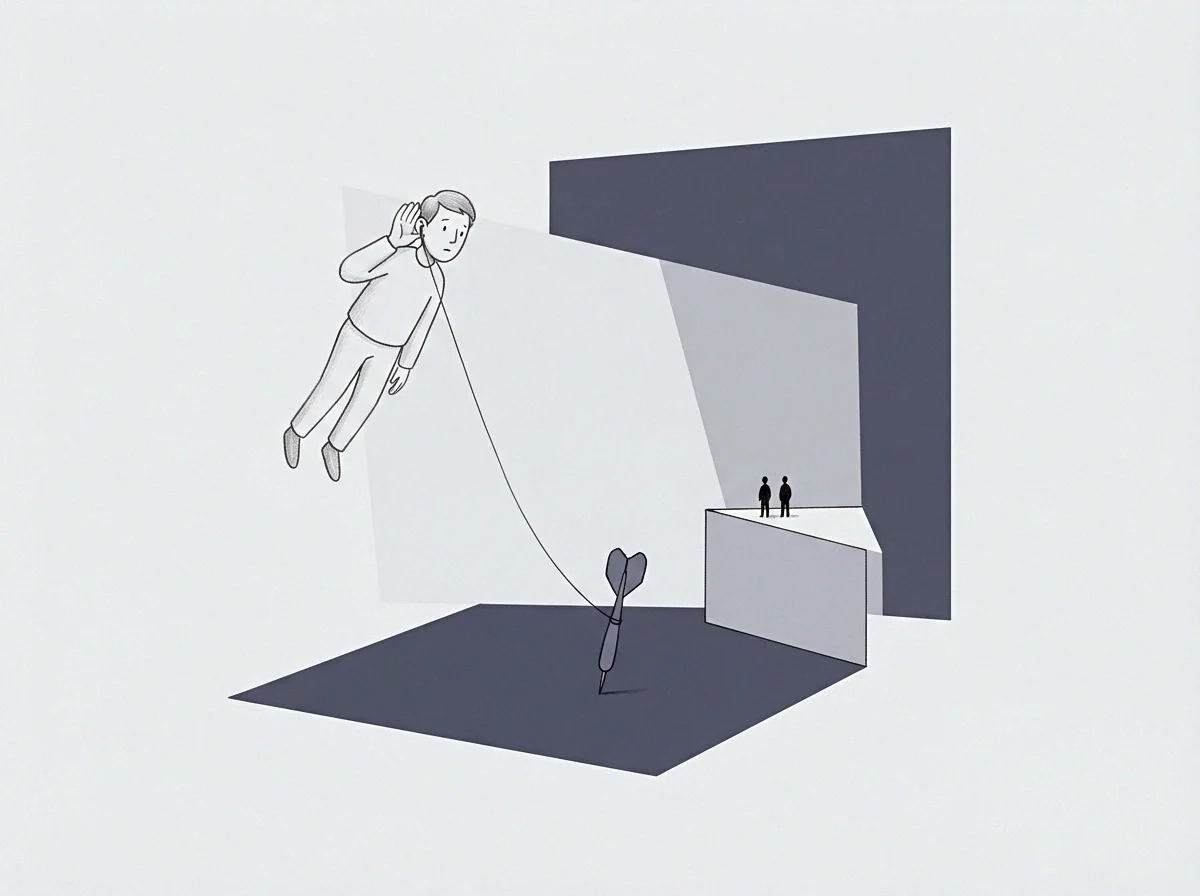
Signal transmission across biological systems depends on structural dampeners. In marine engineering, specialized shock absorbers absorb wave energy to prevent structural steel frames from fracturing under sudden impact forces. Human neural networks rely on similar structural protocols, utilizing interpersonal co-regulation to absorb ambient environmental shock before it degrades internal cognitive machinery.
Unstated operational expectations convert borrowed calm into an unbilled metabolic debit carried entirely by the secondary regulator.
An internal working model forms during early development as a blueprint for relational availability. This template dictates whether an individual expects others to be reliable sources of regulation during threat conditions. When early environments require a child to regulate their caregivers, the developmental process runs backward.
The individual internalizes a template where safety means being the sole regulator, leaving no functional receptor slot for receiving support from external sources.
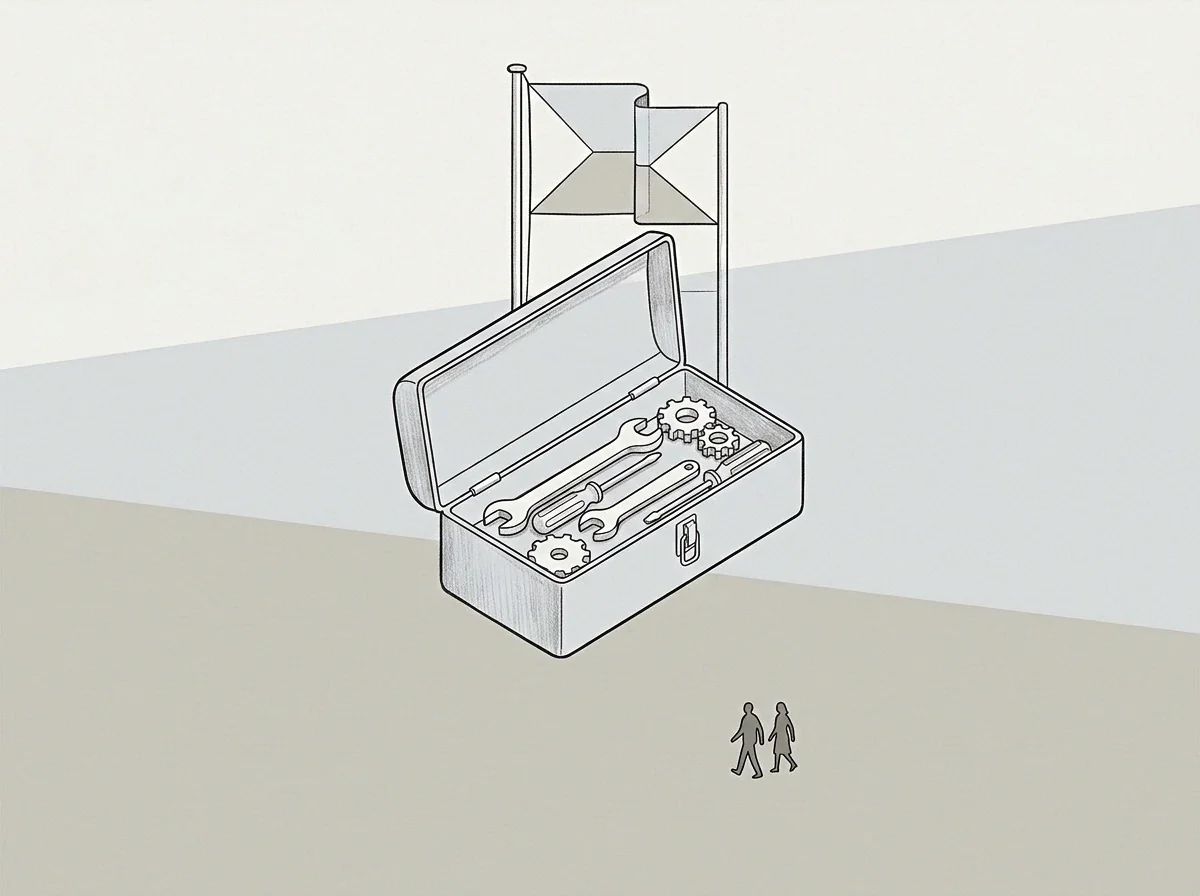
Signal Transmission Across Shared States
The backward template persists into professional life. Founders, executives, and operational leaders with this developmental history naturally seek positions where others depend on their composure. They build organizations structured around their capacity to absorb unbudgeted stress, creating operational environments that mirror their internal regulatory layout.
The organization operates efficiently until the leader’s allostatic load reaches biological ceiling.
Signal clarity drops under fatigue. As allostatic load rises, the prefrontal cortex loses its capacity to fine-tune threat assessment. The brain begins to misinterpret neutral interpersonal signals as active demands, treating an unread notification or a brief pause in conversation as an incoming stressor.
This perceptual distortion forces the operator to spend energy on defensive cognitive processing, further reducing the capacity available for genuine reciprocal co-regulation.
A persistent finding in attachment literature indicates that internal working models remain stable across the lifespan unless interrupted by major structural life events or deliberate relational interventions. This conclusion rests primarily on longitudinal studies tracking non-clinical western populations over multiple decades. Should future research utilizing continuous physiological monitoring reveal that high-intensity professional stressors systematically rewrite internal models without requiring relational safety interventions, the standing principle that insight alone cannot alter the underlying attachment template would require structural reassessment.
Unspoken terms create operational debt, and the nervous system eventually collects that debt through complete functional withdrawal.
Transfer
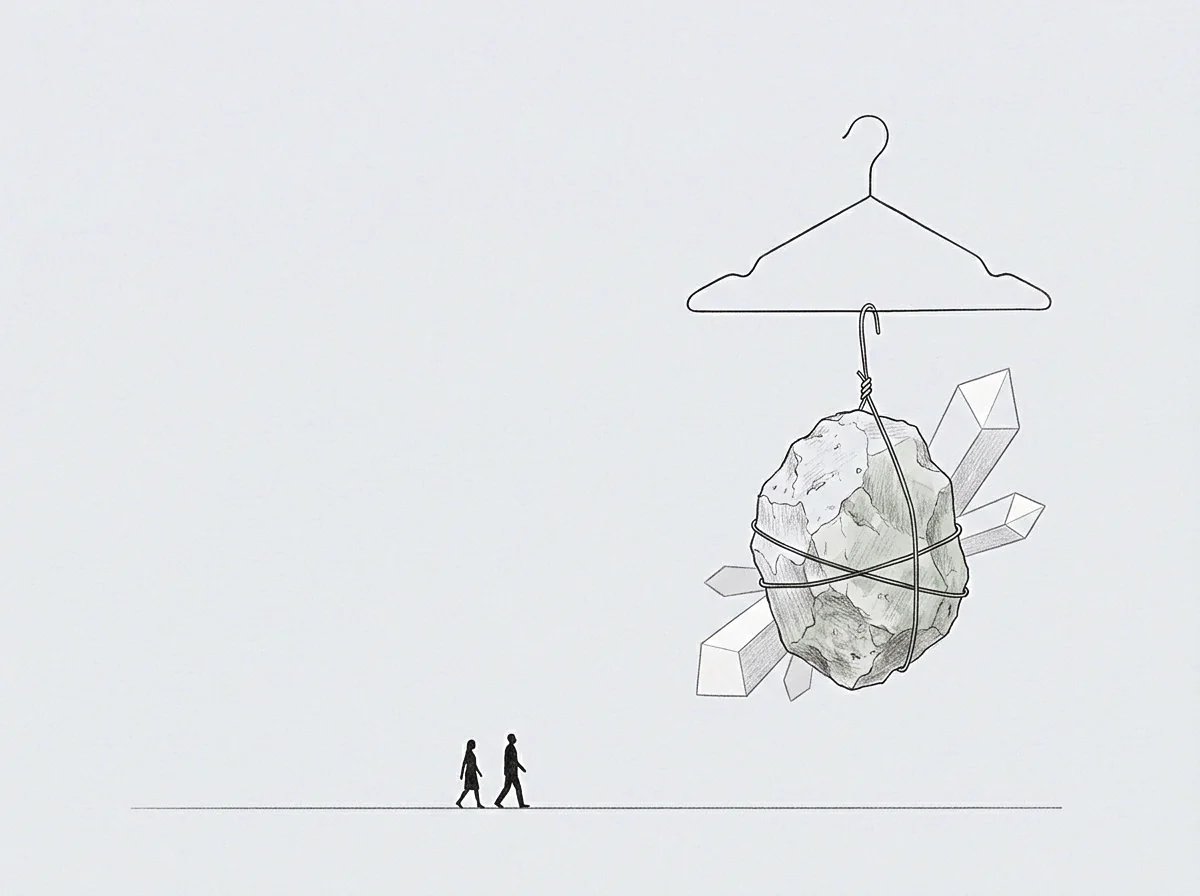
A regulator proven capable under threat attracts additional incoming load from the surrounding system. Team members, board members, and personal partners naturally tilt toward the person who demonstrates continuous composure under pressure. This natural migration of distress creates a structural imbalance: the stable node receives an endless stream of dysregulated input while receiving zero stabilizing input in return.

Whose state absorbs the unbudgeted stress?
The secondary buffer absorbs ambient stress until its own internal capacity is spent. In founder dynamics, this pattern manifests as an asymmetric regulatory contract. The founder holds space for executive anxiety, investor impatience, and customer dissatisfaction, maintaining a calm exterior to keep stakeholders aligned.
The founder’s nervous system acts as the ultimate sink for all organizational friction, carrying a biological cost that never appears on financial spreadsheets.
A regulator proven capable under threat receives additional incoming load until structural limits are explicitly declared.
The receptor slot for being held remains closed in individuals with a backward regulatory template. Even when a supportive partner offers presence, empathy, or practical relief, the overloaded leader struggles to register the input as stabilizing. The brain categorizes the incoming gesture as an anomaly or an implicit obligation, treating the offer of help as another task requiring management rather than as a source of biological rest.
Capacity limits determine baseline stability. A person operating under continuous allostatic load cannot simply decide to open a closed receptor slot through sheer willpower. The nervous system views letting down its guard as a catastrophic failure of threat management.
Lowering defenses requires concrete evidence that the surrounding environment contains a secondary regulator capable of holding structural load without collapsing.
A stated limit alters load allocation instantly by establishing clear operational conditions for continued availability.

Reciprocity
Rebalancing biological load demands a transition from covert absorption to explicit reciprocal co-regulation. This shift requires both parties to recognize regulation as a shared metabolic resource with finite limits rather than an inexhaustible personal trait. Without explicit protocols for reciprocal stabilization, high-load partnerships inevitably devolve into unilateral exhaustion models.
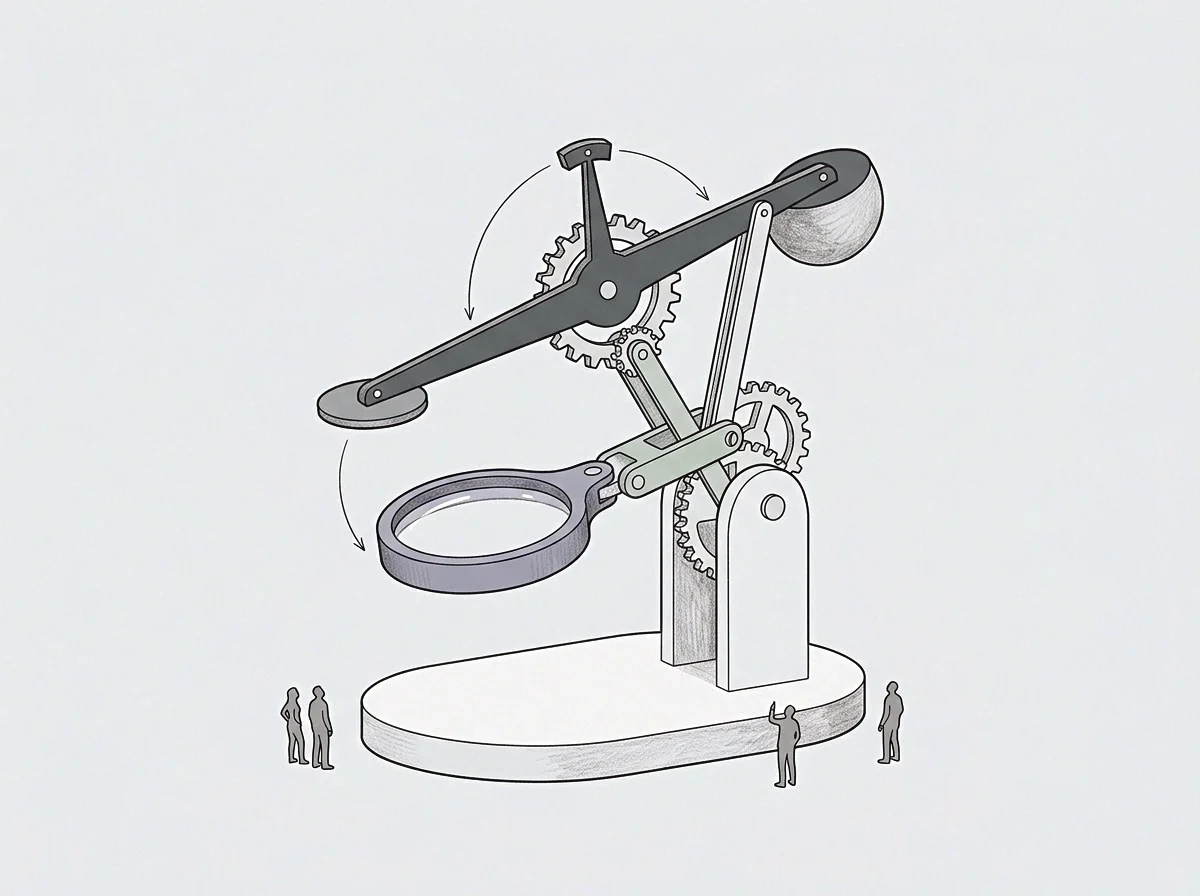
Rebalancing Biological Load Allocation
Reciprocal co-regulation functions through deliberate state synchronization. Both partners monitor their own autonomic reserves and communicate their biological availability before engaging in high-stakes problem-solving. When one partner operates near capacity, the other steps forward to provide temporary baseline dampening, provided that the primary regulator routinely yields the floor and allows their own system to be held.
- Explicit declaration of current autonomic capacity prior to engaging in high-intensity strategic syncs.
- Implementation of structured pause protocols when biological stress metrics exceed predefined operational thresholds.
- Deliberate handoff of regulatory responsibility during acute crisis management cycles to prevent single-node fatigue.
- Scheduled periods of shared non-functional proximity designed specifically for passive biological recalibration.
Insight identifies the structural imbalance while repeated physical experience replaces the historical template.
Somatic signals precede conscious awareness. Establishing true reciprocity requires learning to track non-verbal physiological markers in real time. Increased heart rate, shallow breathing, muscle tension, and rapid speech signals indicate that a partner’s system is entering sympathetic overload, signaling the need for immediate co-regulatory dampening before cognitive performance breaks down.
The literature remains uncertain regarding the precise threshold where borrowed regulation transitions from a supportive biological bridge into a maladaptive dependency that stifles individual regulatory growth. Practitioners operating under this uncertainty establish clear temporal boundaries around co-regulatory sessions, ensuring partners alternate between shared dampening and deliberate solitary stabilization exercises.
What structural modifications must occur within high-pressure operational environments to ensure that primary regulators can lower their defenses without threatening the stability of the broader system?

Update
Direct experience shifts internal models over extended operational horizons. Intellectual comprehension of an attachment pattern changes nothing about the body’s subconscious threat assessment. A backward regulatory template updates only when the nervous system experiences repeated instances of surviving high threat while allowing a secondary regulator to share the metabolic load.

Earned Security Through Repeated Experience
Earned security represents the structural reconfiguration of an internal working model through adult relational experience. When an individual who historically regulated alone repeatedly yields control to a steady, responsive partner during acute stress, the brain gradually rewires its baseline assumptions. The neural circuits governing threat detection learn that proximity to a trusted other offers genuine metabolic relief, slowly opening the receptor slot for shared regulation.
The delta over time measures template transformation. Early in the updating protocol, allowing another person to hold space triggers temporary anxiety spikes, as the backward template interprets yielding control as dangerous. Over months of consistent, predictable reciprocal experiences, these anxiety spikes diminish in amplitude and duration, replaced by a measurable reduction in baseline resting cortisol and improved autonomic recovery rates following acute operational shocks.
Habitual patterns persist without friction until deliberate structural protocols force a change. As the second template consolidates, the individual gains the ability to alternate smoothly between supplying composure and receiving support. The nervous system no longer operates as a solitary, unhedged shock absorber for the surrounding environment, establishing an operational baseline where shared biological stability sustains long-term strategic execution.