
The Biological Limit Of Solitary Executive Regulation Across Prolonged Corporate Crises
Solitary executive regulation across extended corporate crises triggers somatic throttling when prefrontal metabolic expenditure exceeds human allostatic limits without social co-regulation.

Ceiling
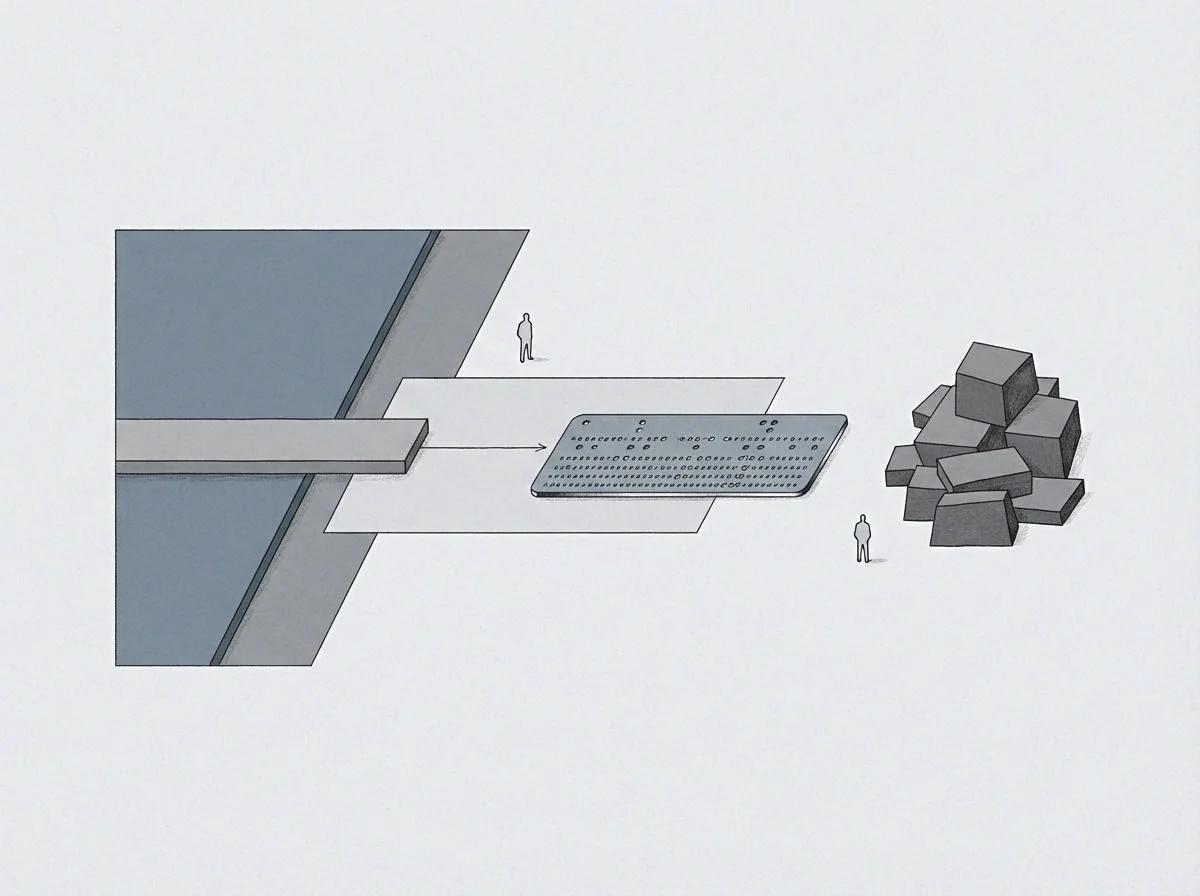
Late on a Thursday night after eleven consecutive months of cash runway preservation, four distinct operational emergencies arrive simultaneously on an executive screen. The board requests an emergency cash flow forecast, the VP of Engineering reports a critical security incident, a major enterprise customer demands an immediate contract renegotiation, and two co-founders engage in an escalating dispute over equity dilution. The body sitting alone in the chair handles these inputs through a single biological infrastructure.
Epinephrine spikes impair prefrontal regulation.
Metabolic Allocation Under Prolonged Threat
Extended corporate turbulence transforms acute stress responses into chronic biological load. When a leader attempts to govern a complex organization through an extended downturn without active social co-regulation, the brain budgets the environment as a hostile, high-cost domain. Social baseline theory establishes that the human brain treats solitary threat management as the absolute maximum cost mode of operation.
In the presence of a trusted, physiologically calm peer, the neural calculation of threat changes immediately. Glucose utilization in the prefrontal cortex drops, autonomic arousal moderates, and baseline vigilance costs decrease. Solitary regulation forces the central nervous system to supply its own baseline calm through continuous top-down inhibition.
This metabolic premium accumulates quietly across quarters. During acute crises lasting a few days, autonomic mobilization serves its evolutionary purpose: blood pressure elevates, attention narrows to immediate hazards, and non-essential somatic processes pause. Across an eighteen-month turnaround, however, sustained sympathetic activation depletes prefrontal glycogen stores and disrupts hypothalamic-pituitary-adrenal axis sensitivity.
Metabolic expenditure escalates rapidly.
The human brain calculates environmental threat as a direct tax on metabolic energy when no secondary regulator is present in physical space.

Allostatic Accumulation and Sympathetic Drive
Cardiovascular and endocrine systems sustain elevated activity when revenue targets collapse. Allostatic load refers to the cumulative wear and tear on tissues and neural circuits resulting from continuous autonomic adaptation. When an executive operates as the sole shock absorber for organizational panic, their physiology remains locked in high-intensity threat response mode.
Cortisol synthesis remains elevated.
Research in affective neuroscience confirms that top-down cognitive suppression of anxiety carries a severe physiological cost. A leader who maintains a calm facade for investors and staff while absorbing operational risk alone experiences higher peripheral vascular resistance and accelerated autonomic strain than a leader who co-regulates within an aligned executive team. The body tracks real threat balance rather than professional performance goals.
Continued solitary regulation under ceiling conditions leads directly to neuroendocrine dysregulation, cognitive rigidity, and eventual somatic collapse.

Budget
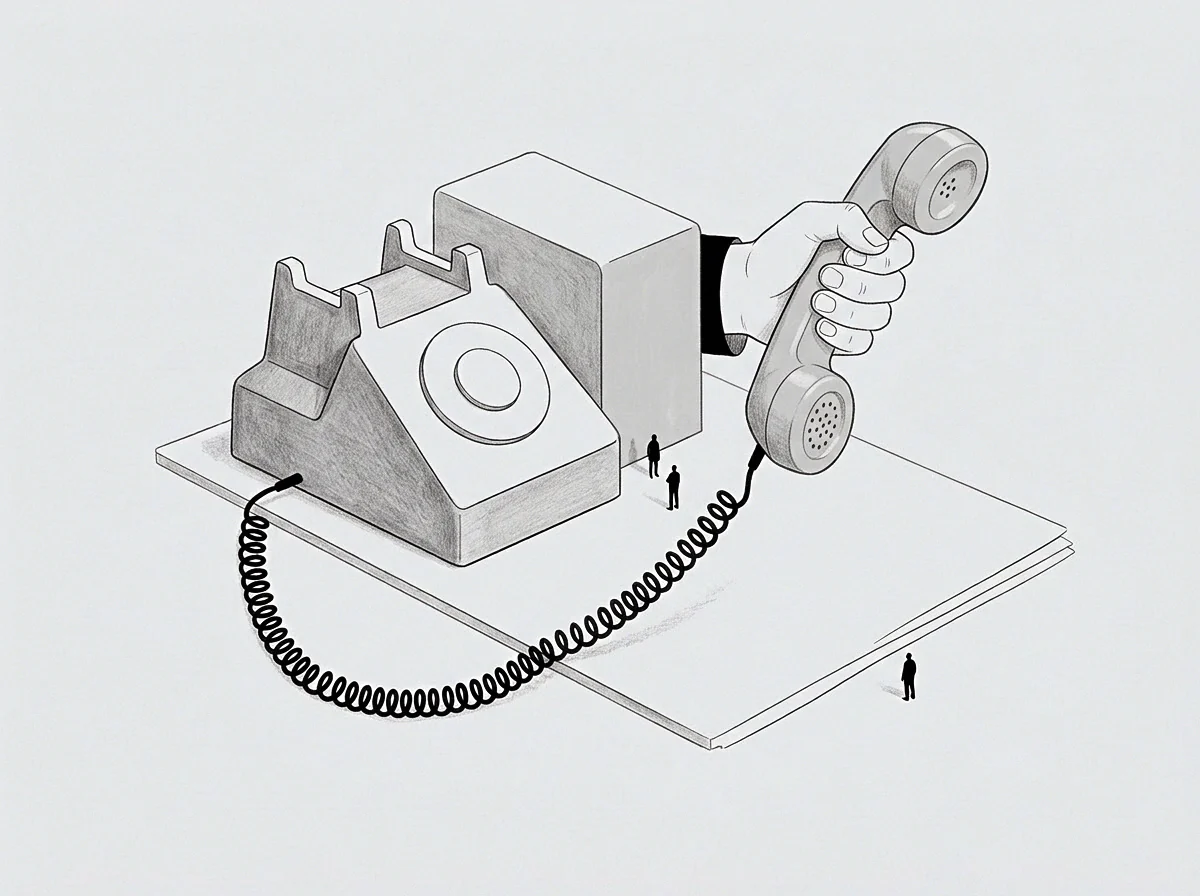
Autonomic nervous systems reduce metabolic expenditure by assuming proximity to reliable conspecifics. When an executive sits in a firm’s primary leadership seat, the biological expectation of shared effort often collides with the reality of solitary responsibility. The brain calculates the energy required to monitor environmental risks, make high-stakes decisions, and maintain behavioral control based on the presence or absence of predictable support.
Vagal nerve activity drops.
Social Baseline Economics in High-Stakes Environments
Human nervous systems baseline their neural expenditure around the availability of relational support. In evolutionary terms, isolation represents an acute increase in mortality risk. When a founder or chief executive faces a multi-front crisis without a peer who actively shares the biological load, the central nervous system registers the situation as an unmitigated threat environment.
The neural baseline shifts under chronic threat.
This baseline dynamic explains why self-regulation alone is energetically unsustainable over long horizons. A leader who attempts to maintain operational equilibrium through pure willpower burns cognitive bandwidth that would otherwise serve strategic reasoning. The internal economy of regulation operates on strict physiological trade-offs:
- Baseline Load Offloading distributes neural processing of environmental threats across nearby individuals, lowering baseline cortisol secretion.
- Vagal Tone Suppression occurs when an isolated individual sustains continuous vigilance, exhausting glycogen reserves in prefrontal networks.
- Concurrence Throttling restricts the number of active high-stakes strategic decisions an unassisted prefrontal cortex can process simultaneously.
Static loads demand active compensation. When a corporate turnaround stretches past a half-year, the solitary executive who relies solely on internal regulation consumes biological capital at twice the rate of a co-regulated team.
A regulatory term left unstated forces the isolated leader to absorb organizational threat through personal physiological exhaustion.

The Physiological Overhead of Unshared Signal Handling
Solitary operational supervision multiplies the energetic cost of processing ambiguity. Every unresolved operational metric, market shift, or investor dispute acts as a continuous ping on the executive’s nervous system. Neural efficiency decreases without proximity.
Without a responsive peer to externalize risk calculations, the isolated leader’s prefrontal cortex remains in continuous computation mode. The biological budget for creative problem-solving drops to zero as resources shift toward somatic threat containment. This energetic siphon explains why experienced executives, despite high intellect and institutional support, experience cognitive paralysis during prolonged market downturns.
The explicit inclusion of a co-regulatory contract condition, where leadership duties and risk processing are explicitly shared across a peer peer group, immediately resets the brain’s baseline metabolic projection.

Panel
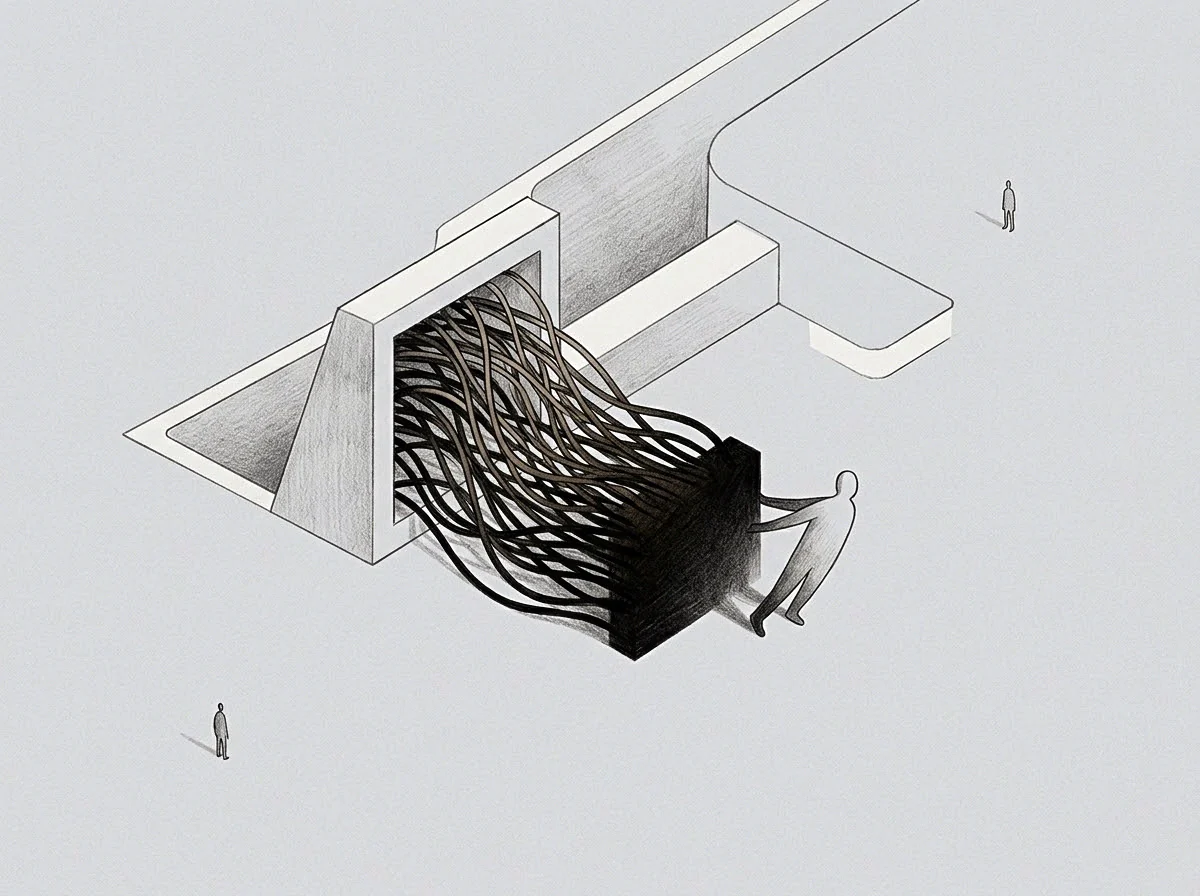
Continuous high-frequency crisis messages force prefrontal networks into rapid task-switching that degrades executive clarity. In a sustained corporate downturn, the volume of incoming high-priority signals routinely exceeds human prefrontal capacity. The concurrency threshold collapses.

Signal Processing at the Concurrency Limit
Executive attention collapses when concurrent operational streams surpass biological capacity. When five critical decisions hit an executive desk simultaneously, the brain cannot process them in parallel. It rapid-switches between competing threat vectors, spending metabolic energy on context switching rather than resolution.
Thermal energy dissipation increases.
| Regulatory Dimension | Solitary Executive Mode | Co-Regulated Baseline Mode |
|---|---|---|
| Glucose Burn Rate | Elevated continuous prefrontal consumption | Modulated baseline consumption |
| Threat Perception Threshold | Hypersensitive; minor variances trigger sympathetic spikes | Calibrated; minor variances filtered without systemic panic |
| Prefrontal Throttling Speed | Rapid onset of cognitive fatigue and decision paralysis | Sustained strategic capacity across extended shifts |
| Vagal Brake Engagement | Chronically suppressed; poor somatic recovery | Flexibly engaged; rapid autonomic recovery after crises |
Consider a worked situation involving a fourteen-month corporate restructuring. Assume two executives govern an enterprise under identical financial pressures: a $15M debt refi, product delivery delays, and board conflict. Executive A operates as a solitary shock absorber, maintaining complete decision authority while masking strain.
Executive B operates within a co-led structure with a trusted COO who holds equal decision power and absorbs direct operational risk. By month six, Executive A demonstrates clear signs of somatic throttling: decision delay grows from 24 hours to 9 days, email response time triples, and physiological markers show continuous autonomic arousal. Executive B retains strategic flexibility, processing identical operational signals with a 40 percent lower biological energy footprint because threat processing is shared across two sympathetic nervous systems.

What happens when the receptor slot remains unformed?
Early behavioral adaptations frequently train individuals to serve as emotional anchors while disabling their own receptive capacity. A founder who developed an internal model where personal safety required regulating volatile parents brings that exact mechanism into the executive suite. They build an organization where everyone attaches to their stability, yet they possess no internal receptor slot to receive regulation from others.
When an investor or board member offers genuine support, the leader with an unformed receptor slot experiences the offer as an operational anomaly or an exposure of weakness. The offer fails to register as co-regulation. Instead, it triggers heightened vigilance, as the executive assumes the offer carries hidden strategic costs.
Allostatic overload terminates executive flexibility.
The team reads the executive’s steady stance as infinite capacity, concluding that more operational risk can be assigned to the leader’s desk without impact.

Lever
Early developmental adaptation often leads individuals to externalize calm while suppressing internal cues of overload. Leaders who excel during early-stage company formation frequently possess an inverted regulatory template. They absorb ambient team anxiety, प्रोजेक्ट baseline stability, and maintain operational momentum under chaos.
This capacity attracts reliance from investors, employees, and board members alike.
The Reversal of the Internal Working Model
When a leader internalizes a relational model focused entirely on regulating others, self-soothing becomes an isolated task. In attachment theory terms, their internal working model operates backwards: they act as the responsive other for the entire firm while retaining no mental representation of a responsive other who can hold them. Cognitive bandwidth degrades linearly.
This structural arrangement functions well during short operational sprints. During multi-year corporate crises, however, the inverted template becomes a biological trap. Strength under stress attracts more load.
The organization perceives the leader’s calm as proof of available capacity, transferring more operational strain onto a single nervous system that is already burning glycogen at maximum rates.
- The executive detects subtle emotional turbulence across team members and instinctively stabilizes the room through calm vocal tone and posture.
- Subordinates anchor their physiological regulation to the leader, increasing their reliance on the executive during every operational variance.
- The leader receives continuous incoming load without registering an internal request for external support or shared load distribution.
- Biological throttling manifests as sudden emotional numbness, somatic fatigue, and strategic paralysis across multi-quarter crises.
Absorbing Strain Without Receptor Capacity
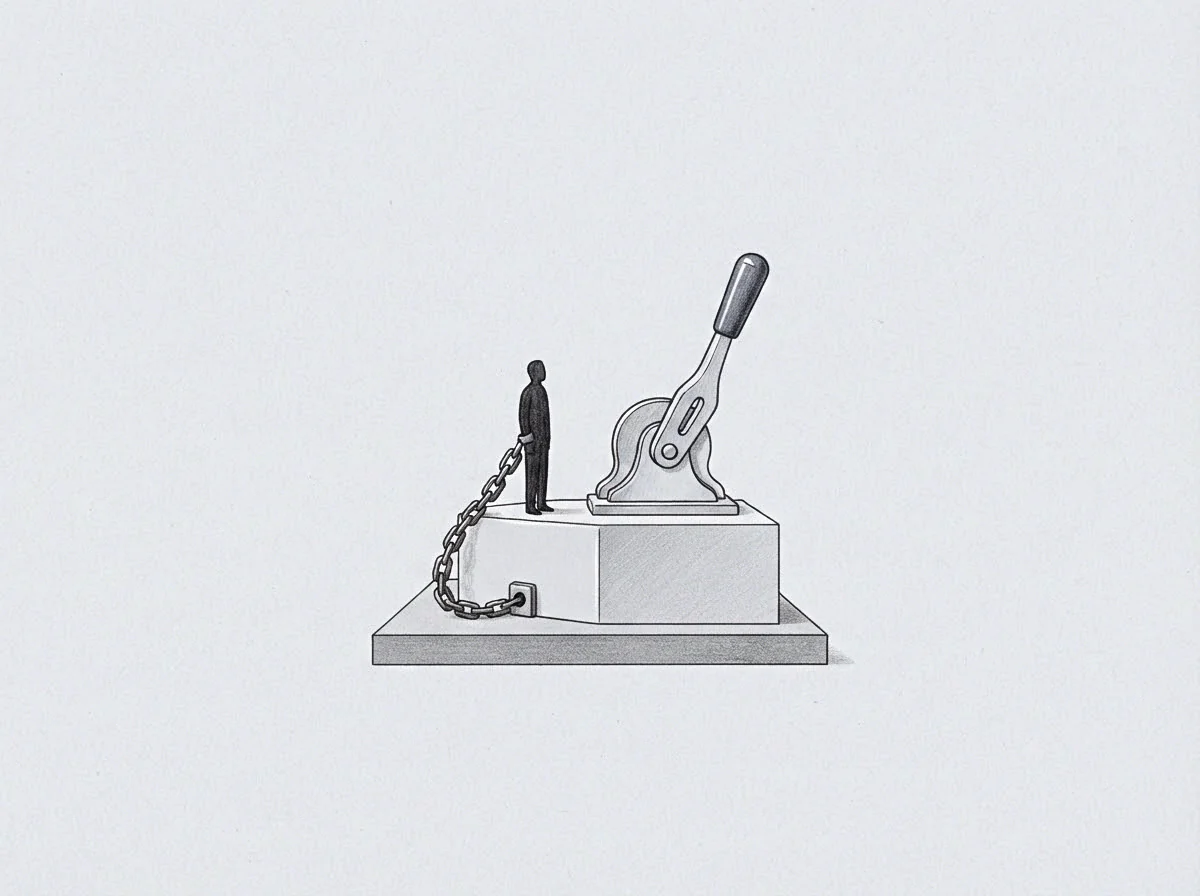
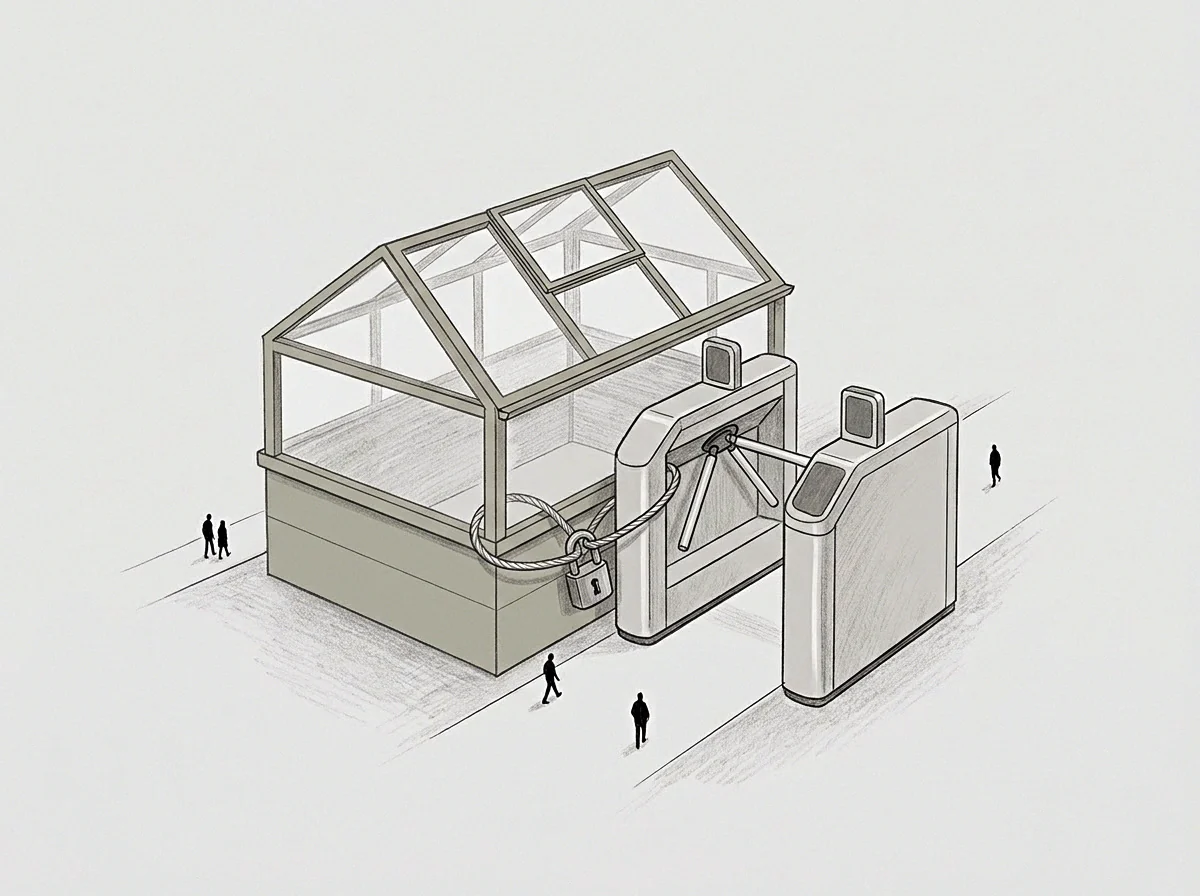
Corporate crises amplify the pressure on individuals who act as solitary shock absorbers. Because the inverted leader lacks a functional receptor slot for borrowed regulation, presence offered by peers or external advisors cannot land. The leader remains biologically isolated even in a room full of supportive colleagues.
This dynamic creates a subtle structural boundary. How long can an executive seat remain functional when the human occupying it treats every offer of shared regulation as an operational threat?
Fault
Prolonged sympathetic activation eventually triggers an involuntary parasympathetic shutdown mechanism known as somatic throttling. When the central nervous system recognizes that solitary regulation energy is fully exhausted and no relational baseline is available, it engages the dorsal vagal circuit. This is not a personal failure or psychological weakness; it is a hard biological brake designed to prevent lethal systemic burn.

Systemic Failure Modes in Extended Crisis Management
Autonomic exhaustion degrades prefrontal function over extended operational downturns. Somatic throttling presents as sudden emotional detachment, executive inertia, and an inability to process complex risk matrices. The leader who was previously hyper-vigilant suddenly stops responding to urgent operational signals.
This shift confuses board members and executive teams. Systemic exhaustion masquerades as indifference. The board often misinterprets this physiological shutdown as a loss of executive motivation or strategic competence, escalating pressure precisely when the leader’s autonomic system has reached absolute capacity.
When an executive state is treated as infinite capacity, the autonomic system enforces a sudden shutdown that halts decision making.

Throttling Misread as Apathy or Burnout
Observers often interpret biological conservation responses as a lack of professional commitment. Conventional management literature labels this state as burnout or clinical depression, prescribing individual wellness measures or temporary time off. These interventions fail because they treat the condition as an individual cognitive distortion rather than a baseline physiological limit.
Placing an exhausted executive in isolation for a two-week retreat does not fix an absent regulatory baseline; it returns them to solitary processing, maintaining high metabolic costs upon their return. True restoration demands updating the regulatory template through real physical co-presence and shared operational responsibility.
A leader operating at biological ceiling will disengage from decision authority the moment incoming threat signals exceed prefrontal recovery rates.

Ledge
Updating an ingrained internal model demands repeated physical exposure to shared regulation during acute stress. Insight alone cannot alter an autonomic threat calculation. An executive can read the clinical literature on social baseline theory and recognize their own inverted regulatory template, yet their nervous system will continue to burn glycogen at high rates until concrete relational conditions change.

Constructing Earned Security Through Repeated Physical Experience
Neural pathways supporting relational safety require concrete experiential verification over extended timeframes. Earned security develops when a solitary leader systematically tests delegating real operational risk to co-executives who remain steady under pressure. Receptor capacity requires physical co-presence.
This re-patterning process happens through small, high-stakes iterations. The founder hands over critical investor negotiations or restructuring decisions to a peer, sits in the room during the interaction, and physically observes the peer absorbing and managing the stress without collapsing or transferring the load back. The brain records this outcome as a valid update to its threat budget model.
Establishing Explicit Limits in High-Load Seats
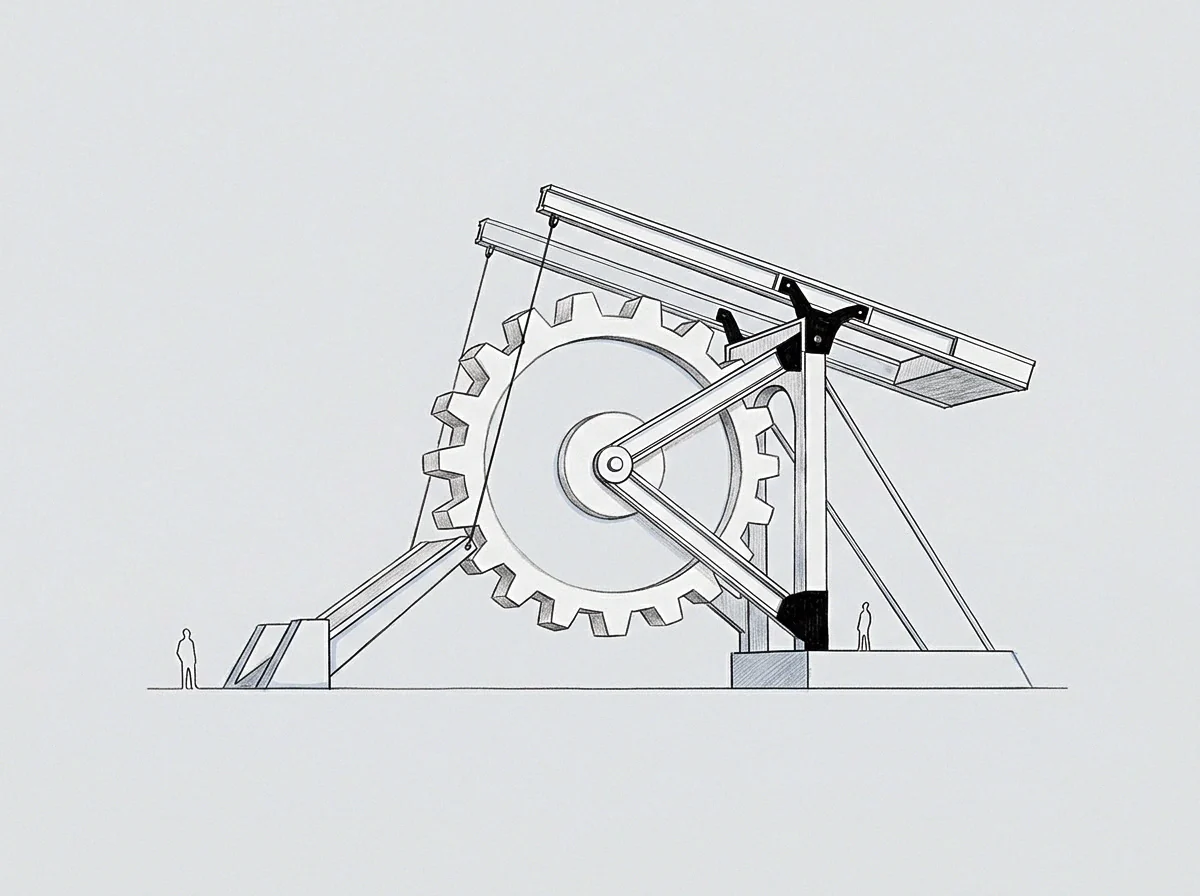
Formal governance boundaries act as physical circuit breakers for biological energy. To prevent biological ceiling collapse during extended corporate crises, organizations must construct structural limits around the executive seat. These limits replace solitary heroic regulation with explicit systemic load sharing.
Explicit limits include mandating dual-signoff governance on critical debt facilities, establishing mandatory co-led crisis committees, and structuring operational seats so no single executive serves as the sole shock absorber for investor panic. When these terms are written into corporate governance and lived out in weekly operational rhythms, the central nervous system shifts its baseline assumption from isolation to shared load, preserving prefrontal function and executive clarity across long turbulence.
The delta over twelve months between an executive operating alone and one operating within a co-regulated governance structure shows up directly on the balance sheet. Strategic errors decrease, executive retention stabilizes, and operational decision latency remains low even as external threats escalate.