
The Energetic Cost Of Carrying Operational Tension Alone
Carrying operational tension without co-regulation elevates baseline threat calculations, forcing the nervous system to spend high metabolic energy on solo risk management.
Circuit
Four messaging queues remain open at midnight on a Tuesday while cash reserves cover eight weeks of operating expenses. The individual managing the enterprise reviews vendor terms alone in an empty office. When an individual manages high-stakes operational volatility without a responsive counterparty, the central nervous system treats the environment as continuously unsafe.
Social baseline theory demonstrates that the human brain defaults to expecting shared threat monitoring. Absent a reliable presence, the brain recalibrates its baseline risk estimations upward, mobilizing blood glucose, elevating cortisol output, and maintaining sympathetic autonomic arousal.

Operational Tension as Physiological Threat
Uncertainty regarding payroll, counterparty performance, or strategic solvency registers in the body as physical threat. The brain does not distinguish between a predatory threat in proximity and an unresolved legal query over liabilities. In isolation, every incoming data point requires full metabolic investment from a single prefrontal cortex.
The physiological cost accumulates silently because the individual remains stationary at a desk while internal systems expend resources equivalent to continuous physical exertion.
Baseline risk calculations elevate glucose utilization whenever a person processes threat without a predictable partner present.
The Metabolic Demand of Unshared Threat Computation
Continuous processing of unresolved exposure forces the central nervous system to alter its energy distribution. The prefrontal cortex consumes a disproportionate share of systemic energy during real-time risk calculations. When a partner or co-lead shares the operational weight, threat computation costs drop instantly through social baseline effects.
Without co-regulation, the organism must continuously run baseline predictions without external validation, draining cellular energy reserves and reducing executive capacity.
When an individual treats unshared regulation as a permanent administrative discipline, sustained cardiac sympathetic drive degrades cognitive efficiency long before operational failure becomes visible.

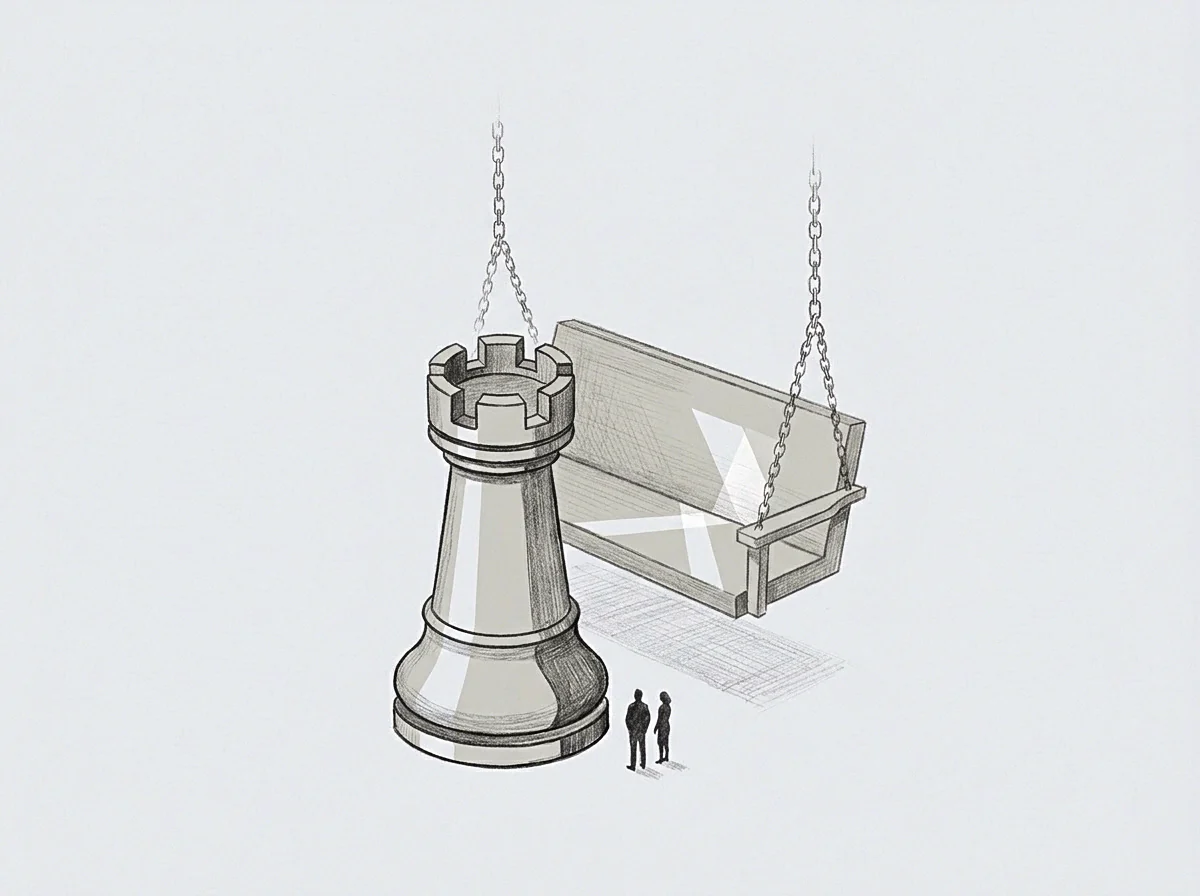
Post
The structural role of anchor within an organization often falls to the person least likely to request support. Early relational experiences establish automated templates for managing environmental risk. A person who learned early in life to stabilize surrounding instability carries that template directly into organizational leadership.
They become the steady post around which team members, investors, and clients anchor their own emotional baseline.
How Internal Working Models Dictate Load Distribution
The individual who ran the relational cycle backward in childhood internalizes a model where regulating oneself and regulating others are unified into one action. Teammates subconsciously register this stability and transfer their own anxiety onto the leader. The anchor absorbs incoming operational panic, processes the volatility internally, and outputs composed directive communication.
| Regulation Mode | Autonomic Arousal Profile | Glucose Utilization Rate | Cognitive Headroom | System Recovery Speed |
|---|---|---|---|---|
| Solo Threat Regulation | Elevated sympathetic baseline with high cardiac output | High continuous consumption by prefrontal networks | Severely restricted by background scanning | Slow, incomplete during sleep intervals |
| Co-Regulation in Proximity | Vagal tone dominance with rapid baseline recovery | Moderate consumption bounded by shared tasking | Preserved for strategic decision complexity | Accelerated through physiological dampening |
The Internalization of the Backward Cycle
When a person learns in youth to stabilize panic in surrounding adults, self-soothing becomes linked with taking responsibility for others. The individual develops a highly refined capacity to sense subtle shifts in team dynamics, market conditions, and investor sentiment. This acuity enables rapid intervention, yet it creates an asymmetric dynamic.
The organization thrives on the leader’s calm, while the leader possesses no internal receptor slot to accept incoming regulation from others.
- Absence of the receptor slot prevents incoming attempts at co-regulation from registering as safety within the nervous system.
- Automatic signal suppression masks escalating autonomic strain behind measured vocal cadence and calm physical posture.
- Asymmetric load attraction draws dysregulated team members toward the anchor to stabilize their own physiological state.
A person whose steadiness under pressure absorbs room volatility accumulates unseen neural fatigue while remaining the quietest presence in the building.
The organization operates smoothly because the person at the top never appears troubled by the volume of decisions.
Gauge
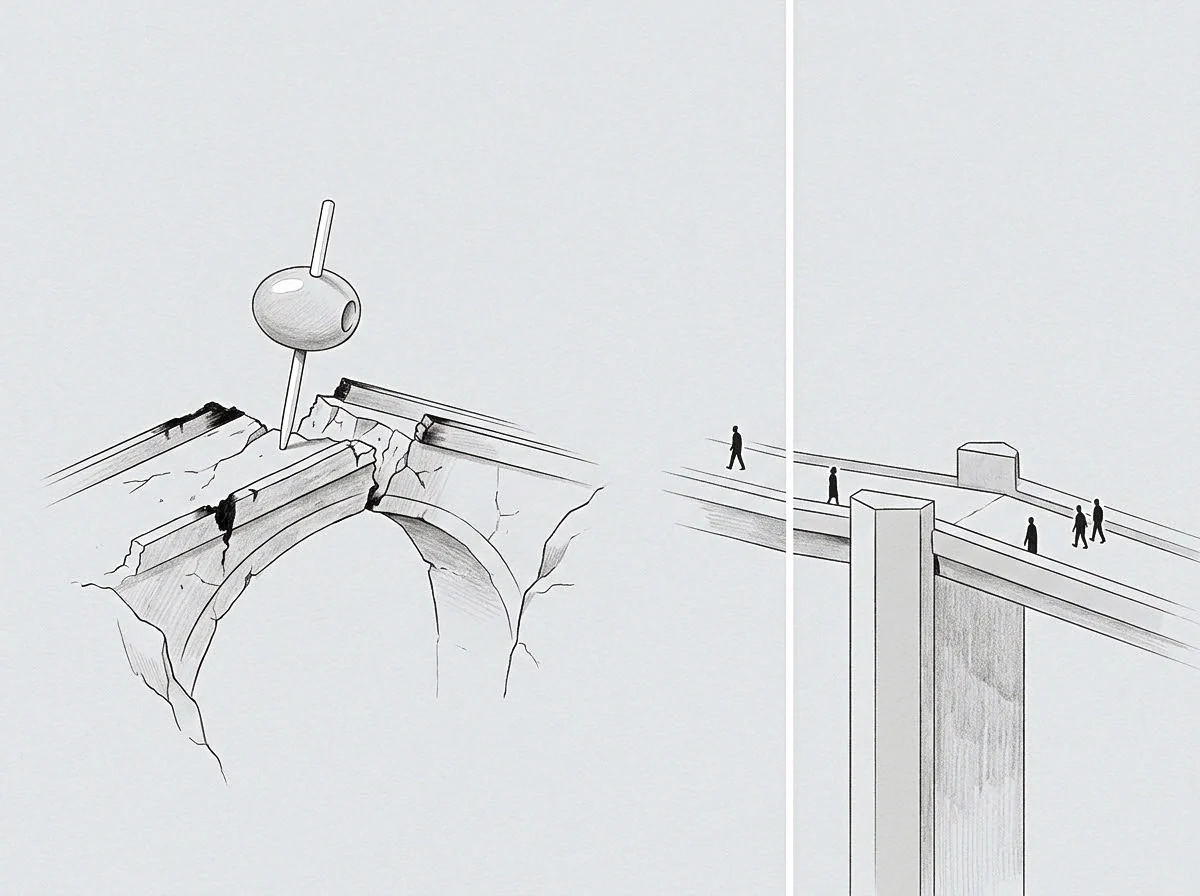
Longitudinal accumulation of unshared stress alters physiological baselines through allostatic load. The body’s continuous mobilization of energy resources to maintain operational equilibrium causes structural wear on cardiovascular, neuroendocrine, and immune systems. When unshared operational tension persists for quarters or years, the central nervous system initiates protective throttling measures to prevent catastrophic tissue damage.
Distinguishing Allostatic Throttling From Mood Disorders
Systemic exhaustion often displays surface features that mimic clinical depressive states. Flattened affect, diminished risk appetite, and withdrawal from non-essential interactions represent functional energy preservation mechanisms rather than psychiatric pathology. The brain intentionally reduces exploratory behavior and non-critical motivation when allostatic load reaches critical thresholds.
Throttling is an adaptive protective response to unmitigated biological energy drain.
Allostatic load forces systemic energy contraction when continuous high-stakes monitoring consumes available metabolic reserves.

When Capacity Drops Before Output Declines?
Vigilant operators sustain target performance long after autonomic reserves reach exhaustion. The person in the primary seat uses sheer willpower to override underlying physiological exhaustion signals. This decoupling of internal state from external output hides the true operational tax.
Output remains flat while internal capacity declines steeply. The nervous system operates on borrowed biological capital, increasing vulnerability to sudden systemic collapse.
Sustained unshared responsibility converts operational vigilance into chronic neural taxation regardless of psychological commitment.
Proximity
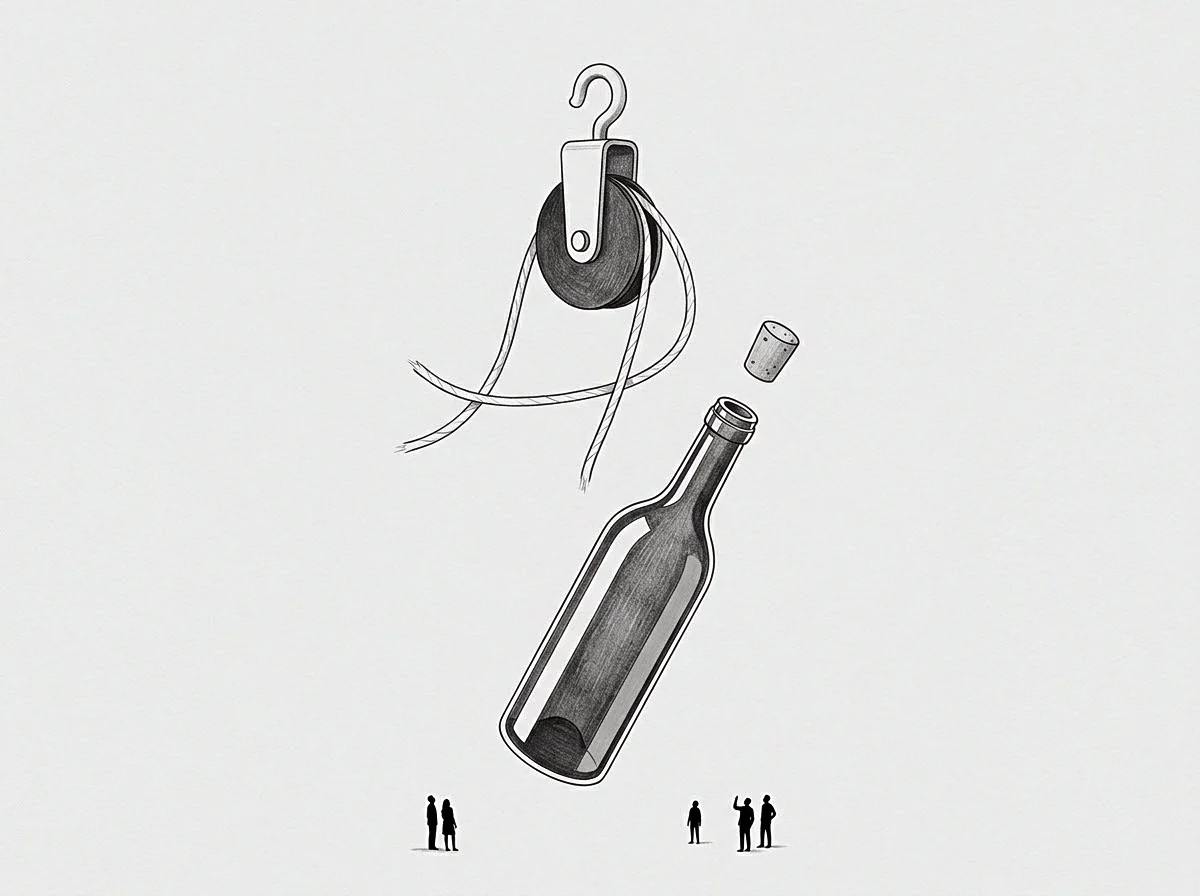
Social baseline theory establishes that physical proximity to a reliable, regulated conspecific instantly alters brain resource allocation. When two individuals sit in the same physical room facing a shared crisis, baseline threat calculations adjust down. The biological cost of managing uncertainty drops because the brain budgets threat resolution across two distinct nervous systems working in tandem.
The Neural Discount of Shared Threat Processing
Mammalian nervous systems allocate biological resources on the assumption that conspecifics share environmental monitoring. Co-regulation allows individuals to pool cognitive and physiological resources. When an operator faces complex decisions alongside an equally invested co-lead, neural metabolic expenditure decreases.
Biological discount occurs through real-time eye contact, shared auditory cues, and mutual physiological synchronization.
- Explicit ceiling declaration establishes the precise operational threshold where continuous real-time monitoring halts.
- Predictable availability windows protect physiological recovery intervals from unpredictable emergency communication pings.
- Clear risk transfer protocols mandate that individual liabilities shift onto formal governance structures.
Clear operational limits preserve neural headroom by removing the requirement for perpetual background monitoring.

Structural Boundaries as Regulation Controls
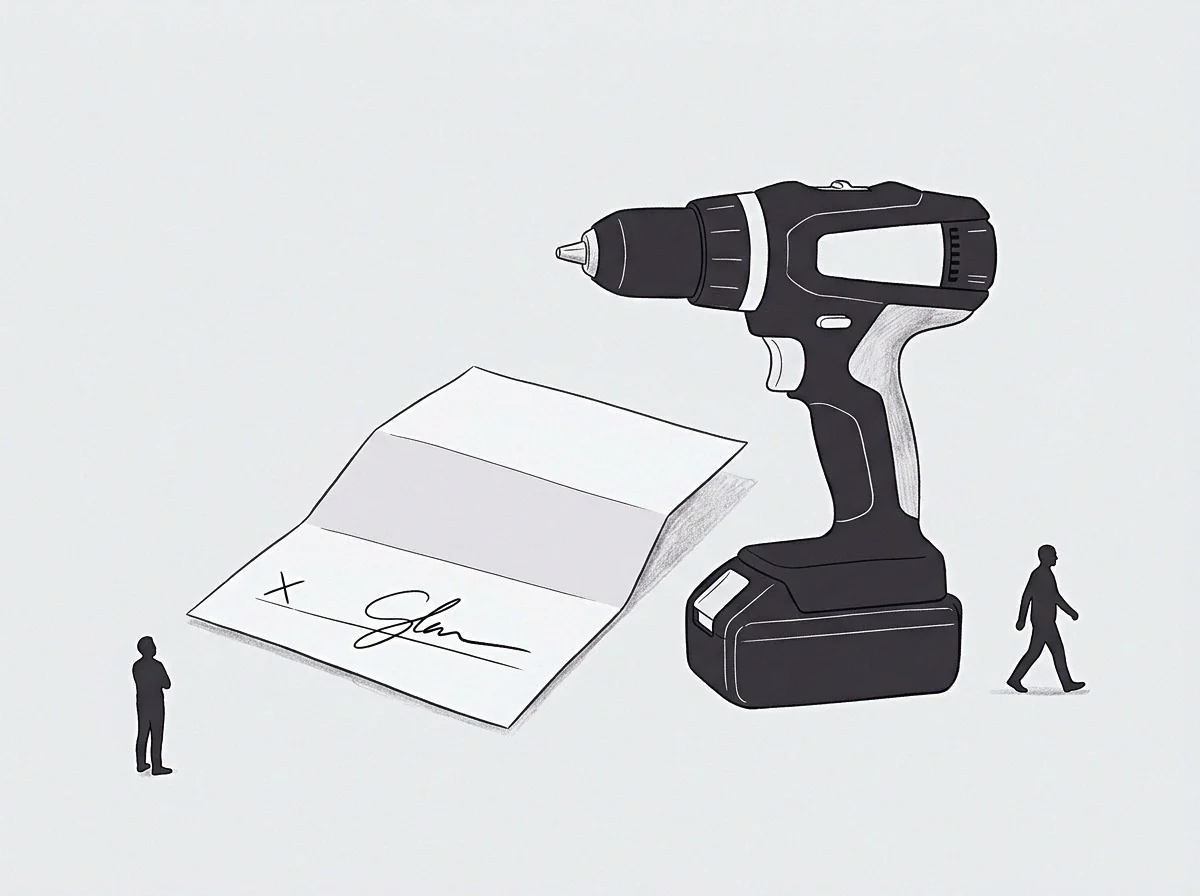
Formal governance mechanisms function as non-biological surrogates for interpersonal regulation. Explicit contracts, clear operational boundaries, and rigid decision authority matrices serve as external stops on internal vigilance. When an individual establishes firm operational limits, the central nervous system receives permission to disengage continuous threat scanning during off-duty hours.
The introduction of an explicit availability clause converts continuous passive monitoring into scheduled, bounded assessment windows.

Scale
Transitioning from solo regulation to shared regulation requires updating deep relational templates. Conceptual knowledge of relational history leaves autonomic threat detection unmodified. An operator can thoroughly comprehend their early attachment patterns without altering their real-time physiological response to crisis.
Updating the template demands repeated, physical experiences of allowing another person to share core operational liability under genuine risk conditions.

Earned Security Through Repeated Physical Experience
Autonomic recalibration happens incrementally through lived operational scenarios. Take two operators who build an enterprise over three years without formal risk-sharing agreements. Assume the primary operator holds complete final authority and personal guarantees on corporate debt.
To update the underlying template, the primary operator must step back from specific high-stakes negotiations while watching a co-lead handle the exposure successfully.
During the first six months of this structural transition, the primary operator’s autonomic arousal spikes during delegated negotiations. The brain misinterprets reduced control as heightened environmental danger. Only after repeated instances where risk is handled by the counterparty without organizational failure does the central nervous system update its baseline prediction models.
Earned security emerges through surviving real-world load transfer.

Growing the Capacity to Receive Co-Regulation
A person trained to absorb volatility must build novel neural pathways to tolerate incoming stabilization. Receiving support feels foreign to an individual conditioned to act as the sole anchor. Initial attempts by team members or partners to provide co-regulation often meet internal resistance or cognitive dismissal.
The operator must consciously practice remaining physically present during moments of shared tension rather than automatically seizing control.
Over a twelve-month period of structured risk-sharing, the physical baseline of the primary operator changes measurable parameters. Resting heart rate declines, heart rate variability increases during crisis events, and cognitive capacity recovers faster post-negotiation. The operator shifts from solo threat computation to collaborative regulation, transforming both internal metabolic balance and organizational resilience.
Whether a leader whose internal architecture was built on solo threat regulation can allow another person to share core operational liability remains unanswered until real exposure tests the contract.