
Updating Relational Working Models Through Undemanding Shared Physical Space
Undemanding shared physical space resets relational working models by providing social baseline proximity that reduces threat vigilance without interactive demands.
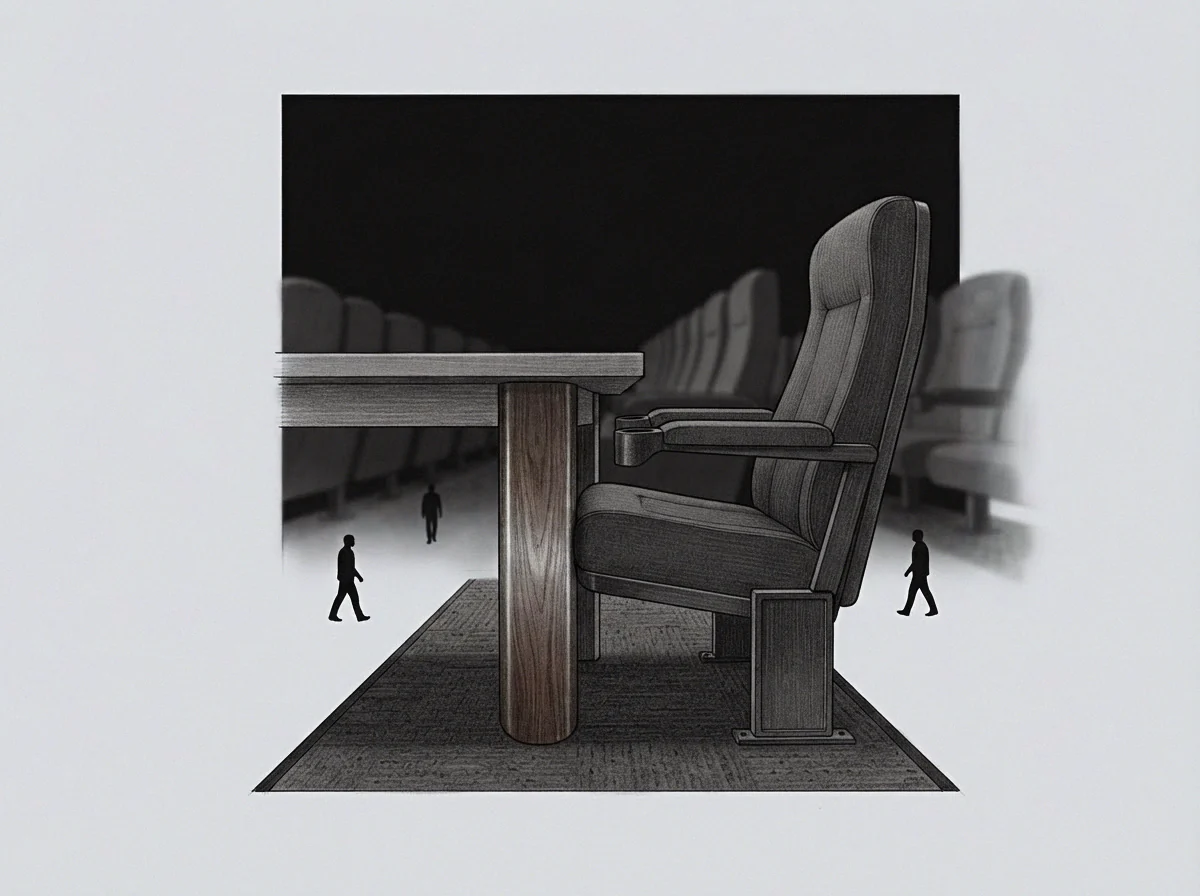
Strain
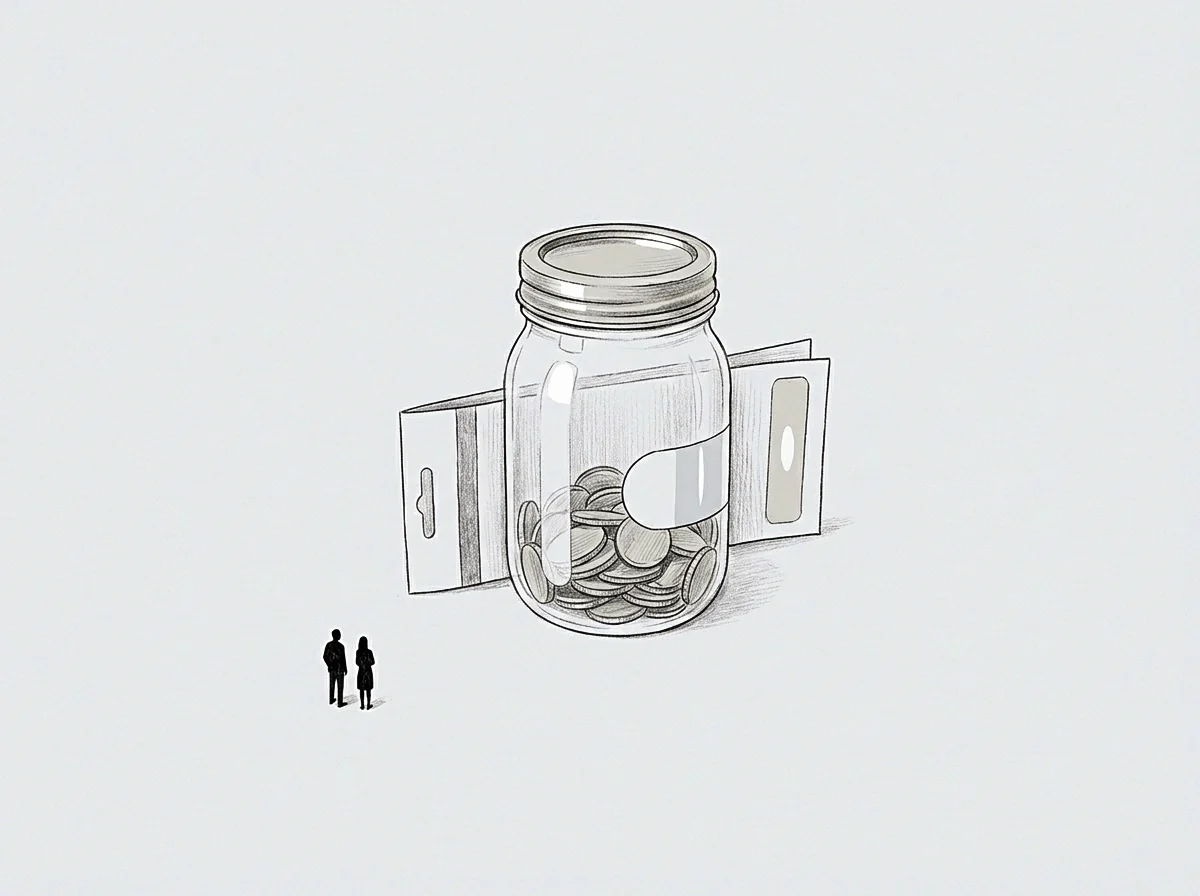
Four browser windows remain open at midnight while three direct reports wait for decisions on capital allocation. The room is cold, yet the person seated before the screen remains motionless, answering messages with even cadences that conceal an elevated heart rate. When peers describe this individual, they cite exceptional resilience and steady composure under operational pressure.
Other operators bring their acute crises to this seat because the person in it never visibly fractures. What appears as autonomous equilibrium is an expensive mode of isolated physiological management. The autonomic nervous system sustains elevated vascular tone to keep performance stable in the absence of external support.
The solitary actor carries the entire metabolic cost of composure alone.
People who operate as solitary stabilizers usually formed an internal working model where personal distress signals yielded no protective response from early caregivers. In attachment research, an internal working model functions as an automated neural map forecasting whether social proximity provides relief or imposes additional threat. When early environments penalize dependency, the developing brain organizes self-regulation as an exclusive solo circuit.
The individual becomes their own surrogate caregiver, internalizing a template where safety exists only through complete self-containment. In adulthood, this architecture produces an operator who regulates everyone in their perimeter while lacking any operational receptor to receive regulation from another human body.
A stable posture maintained under unshared pressure consumes systemic energy that never appears on an operational balance sheet.
Every relational interaction introduced to such an individual is instantly interpreted by the nervous system as a demand for performance. When a well-meaning partner or colleague asks how the person feels, the question registers as an intake inquiry requiring cognitive curation and emotional output. Verbal processing forces prefrontal cortical activation, converting what was intended as care into an evaluative task.
The solitary regulator tightens their somatic defenses, produces an acceptable response, and experiences further energetic depletion. Direct therapeutic dialogue frequently encounters this defensive barrier because conversational exchange itself demands executive regulation. The person holding the stable posture paid for it.
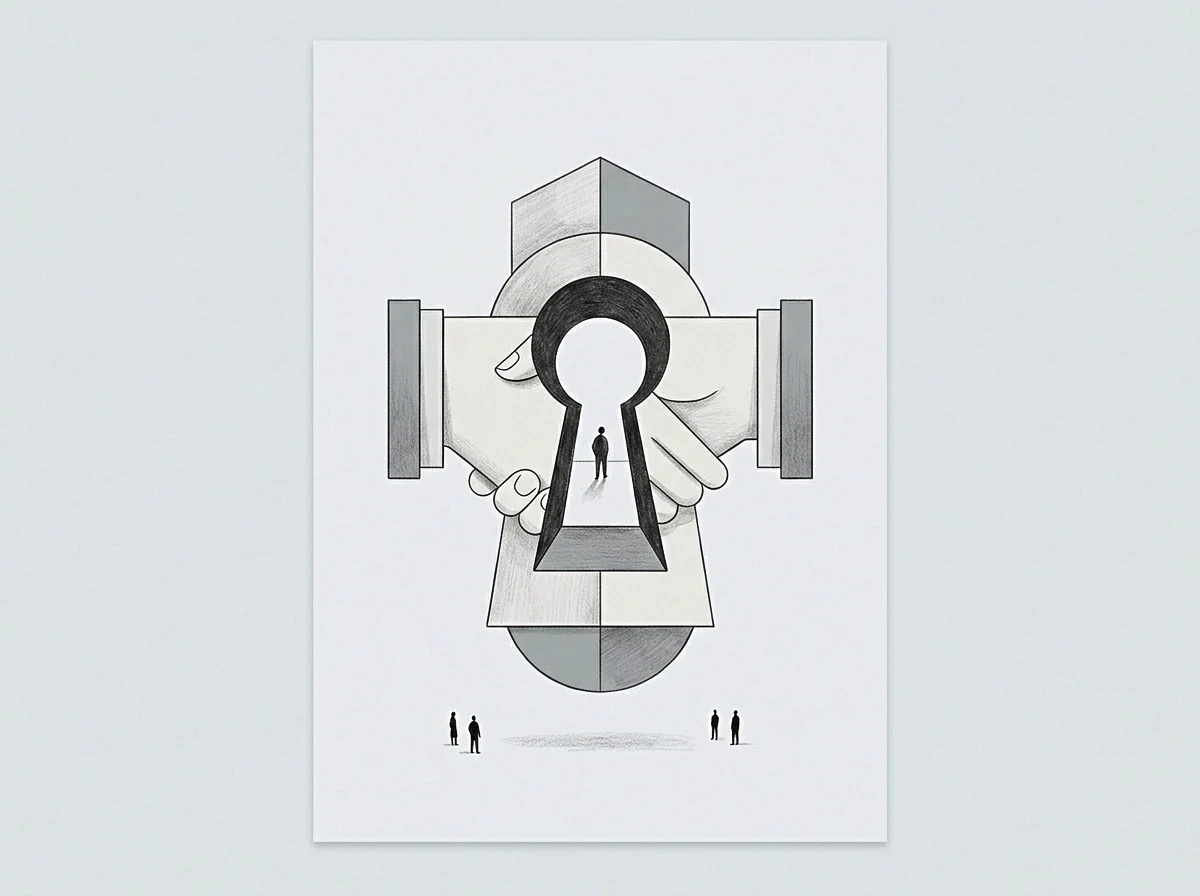
The Solitary Observer at Midnight
Repeated solitary containment alters how somatic afferents communicate with the insular cortex. Bodily cues of exhaustion, elevated cortisol, and muscular tension are systematically muted to prioritize task execution. The person continues making payroll projections while their peripheral microvasculature remains constricted in chronic sympathetically driven preservation.
Because this adaptation prevents visible decompensation, external observers assume zero replenishment is needed. The founder becomes a functional anchor for forty employees, absorbing their operational turbulence while running on internal reserves that receive no metabolic subsidy. This prolonged exertion without physiological sharing produces the specific neuroendocrine exhaustion characteristic of late-stage venture execution.
When this pattern hardens over years, entering a room with another person provokes an immediate calculation of relational overhead. The nervous system anticipates having to manage the other person’s emotional state, read subtext, or defend against perceived encroachment. Attempts to resolve this isolation through verbal vulnerability exercises produce heightened sympathetic arousal, causing the solitary regulator to retreat further into autonomous work.
The relational working model remains completely impervious to cognitive insight or conscious intention. Persistent operational isolation ultimately deteriorates somatic baseline health, accelerating vascular wear and leaving the nervous system unable to downshift without pharmacological intervention.
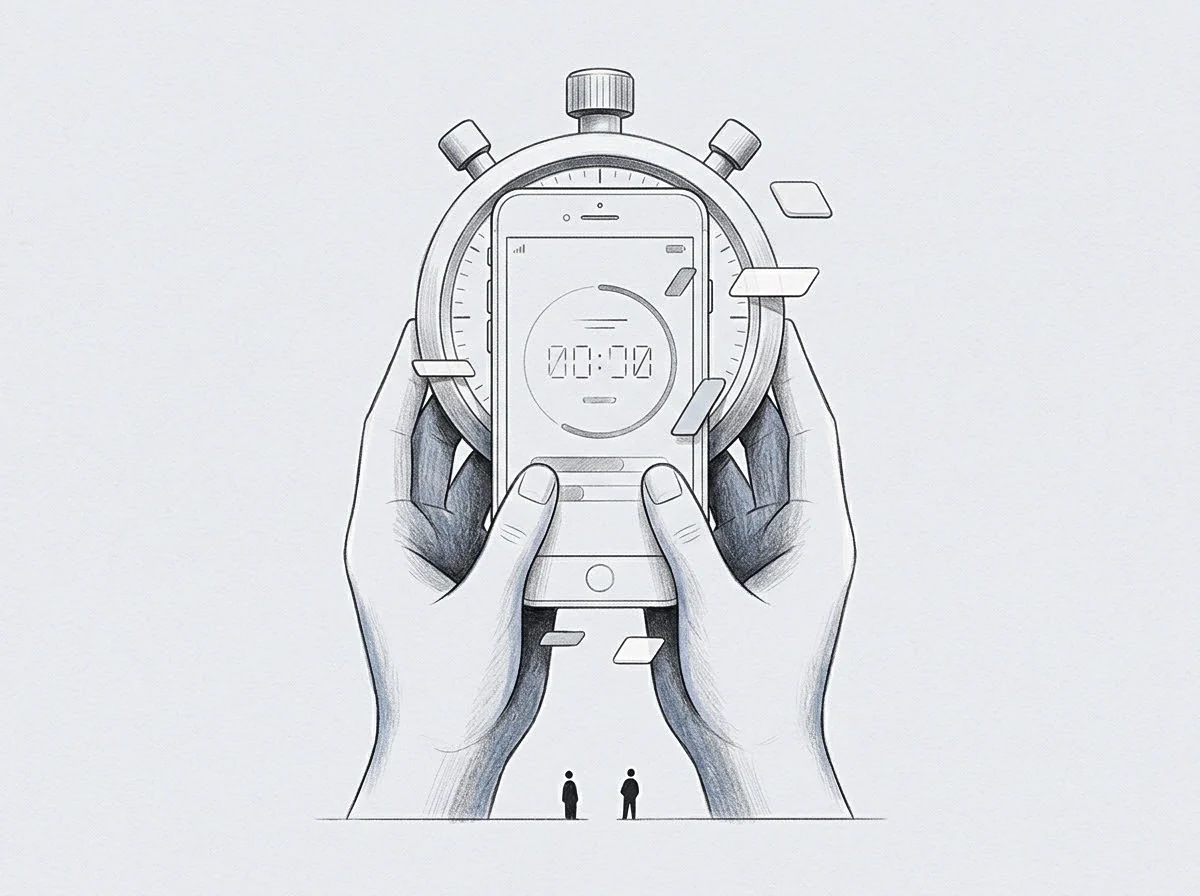
Bench
Social baseline theory establishes that the human brain treats physical proximity to familiar, non-threatening conspecifics as the default ecological baseline. In social baseline research utilizing functional magnetic resonance imaging during threat of electric shock, the presence of another person significantly attenuates activity in the dorsal anterior cingulate cortex, insula, and hypothalamus. When a person is physically alone, the brain categorizes the environment as resource-scarce and threat-rich, allocating higher metabolic energy to baseline environmental vigilance.
Proximity distributes the neural load of threat monitoring across two biological systems. The nervous system calculates proximity.
Physical co-presence without interactive obligation operates through sensory pathways that bypass discursive appraisal. Peripheral vision registers the steady breathing, micro-movements, and neutral physical posture of another body occupied with its own task. Olfactory, acoustic, and somatosensory channels feed the ventral vagal complex directly, signaling that the immediate geography contains no predatory or competitive demand.
Because the other person expects neither speech nor emotional performance, the prefrontal cortex can release its supervisory hold. The autonomic baseline drops.
Shared physical presence without communicative expectation lowers metabolic vigilance before conscious appraisal begins.
This physiological relief relies on strict conditions documented in observational proximity paradigms. Research on neural threat attenuation under proximity rests on laboratory protocols where hand-holding or silent co-presence was tested with predictable, non-hostile partners during acute stress induction. If replicated trials utilizing hostile counterparts or predatory cohorts demonstrated identical amygdala down-regulation, this neurobiological model would require substantial revision.
The down-regulation depends entirely on the verified absence of social evaluative hazard. When those protective conditions exist, metabolic savings occur spontaneously.
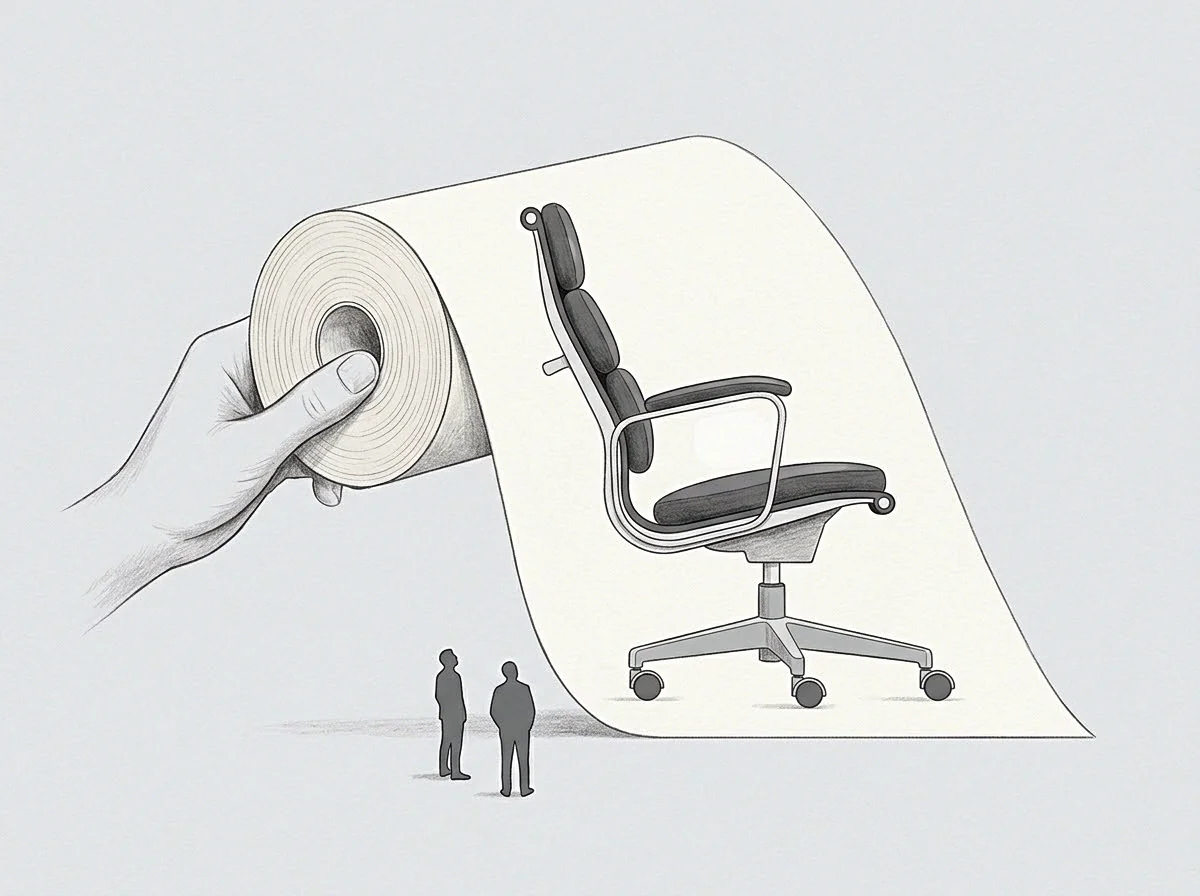
Sensory Channels of Unshared Effort
Parallel activity occupies the attentional focus of both participants, removing direct interpersonal gaze. Two people reading in the same library corner or working on separate engineering schematics across a single wooden surface share physical acoustics without social friction. The physical distance matters.
When neither party makes relational claims, the dorsal anterior cingulate cortex ceases scanning for interpersonal evaluation.
- Ventral vagal stabilization occurs through involuntary auditory tracking of non-threatening human breathing rhythms.
- Attentional uncoupling releases the default mode network from calculating immediate conversational responses, allowing endogenous cognitive recovery.
- Metabolic redistribution shifts glucose utilization away from defensive muscular tone toward visceral repair.
- Non-demanding proximity permits the nervous system to sample safety while completely retaining personal autonomy.
An operator who spent decades regulating others cannot accept an explicit offer of comfort because the offer activates an ancient expectation of retaliatory exploitation or relational debt. Undemanding physical space sidesteps this defensive barrier by presenting zero interactive payload. The person sits on an adjacent bench, reads a physical document, and asks for nothing.
The nervous system registers the stabilizing biological mass of the companion without triggering the protective alarms of the relational template. This quiet environmental co-presence establishes the physical precondition under which a closed working model can receive external regulation without knowing it was accepted.
Contrast
Examining how the autonomic nervous system processes different relational settings demonstrates why verbal connection frequently fails solitary regulators. Interactive intimacy requires high-frequency micro-adjustments in facial affect, vocal prosody, and semantic coherence. These social demands require continuous dorsal and prefrontal activity, keeping the solitary individual inside an operational performance posture.
Parallel presence, by contrast, removes all communicative obligations while maintaining the full biological economy of shared physical geography. The room stays silent.
| Evaluation Domain | Active Interactive Engagement | Undemanding Parallel Presence |
|---|---|---|
| Attentional Focus | Continuous interpersonal monitoring and cue interpretation | Parallel engagement with independent neutral objects |
| Executive Energy Demand | High prefrontal expenditure for response formulation | Minimal prefrontal expenditure with sensory stabilization |
| Autonomic Trajectory | Sympathetic mobilization during perceived evaluation | Gradual parasympathetic dominance through passive presence |
| Working Model Activation | Triggers historical relational defenses and performance | Bypasses relational threat detectors through neutral context |
| Receptor Accessibility | Rejected as an invasive demand for vulnerability | Absorbed involuntarily as environmental background safety |
The comparative data reveals why conventional therapeutic advice regarding communication often backfires for exhausted operators. When a founder is told to discuss their vulnerability, the act of articulating inner turmoil to a listening partner activates the very performance apparatus that caused autonomic depletion. The individual must organize sentences, monitor the partner for signs of disappointment, and maintain an acceptable conversational posture.
The partner remains reading. No performance is required.
A relational environment that demands zero conversational output prevents defensive vigilance from locking the autonomic nervous system into solo regulation.
Decoupling physical proximity from conversational demand creates an entirely different physiological accounting. When two individuals occupy a room while reading separate books, the brain receives the neural subsidy of social baseline safety without paying the cognitive tax of social engagement. Cortisol rhythms gradually normalize because the threat detection circuitry detects a conspecific who is calm, engaged elsewhere, and displaying no intention to evaluate or demand.
The person sitting by the window paid for it.
The Shift in Neural Load Allocation
Longitudinal attachment investigations using the Adult Attachment Interview demonstrate that internal working models remain extraordinarily stable across adulthood unless interrupted by somatic experiences that contradict historical conditioning. This attachment stability rests on multi-decade cohort studies examining adult populations through narrative coherence assessments. If short-term cognitive reframing interventions without sustained physical co-presence demonstrated equivalent structural reorganization of attachment classifications, the premise that working models require visceral, non-verbal disconfirmation would fall.
The evidence indicates that symbolic cognitive understanding alone cannot rewrite a subcortical defense system. The body tracks distance.
A companion who understands this distinction refrains from offering unsolicited commentary, advice, or relational check-ins. They sit down, open their own ledger or novel, and allow the quiet weight of their presence to do the work. Over ninety minutes of shared silence, the solitary regulator exhibits spontaneous physiological downshifts: the shoulders lower by two centimeters, respiration deepens from thoracic to diaphragmatic rhythms, and the jaw releases its habitual bite tension.
The companion notices these markers yet says nothing, refusing to convert a biological victory into a social evaluation. They simply sit there, content to leave the air untouched and the space unburdened.
Friction
Introducing non-demanding physical presence into a life structured around self-reliance invariably triggers an acute testing phase. The solitary regulator has spent decades operating on the axiom that all proximity carries an eventual bill. When a companion offers quiet physical presence without demands, the old working model interprets this absence of friction with intense suspicion.
The nervous system anticipates a latent trap, scanning the quiet room for concealed expectations or sudden emotional claims. Silence absorbs the load.
During commercial aviation long-haul oceanic crossings, two pilots sit side by side inside a flight deck for eight hours in near total vocal silence, monitoring instrument clusters across thousands of miles of empty water. Their physiological metrics remain synchronized and stable because each pilot trusts the quiet physical competence of the other without requiring constant conversational validation. A solitary regulator attempting to sit in a quiet living room with a partner experiences the exact inverse of this cockpit calm.
Their internal alarm systems project relational demands into the quiet air, treating the silence as an unexploded minefield. The baseline resets quietly.
Will Parallel Hours Alter an Established Relational Template?
The exact quantity of parallel hours necessary to permanently alter an entrenched working model remains outside the precise measurement capabilities of contemporary neuroimaging. A solitary actor operates under this uncertainty by observing involuntary somatic markers rather than relying on an arbitrary temporal schedule. The update occurs through repeated exposures where anticipated relational intrusions consistently fail to materialize.
- Initial vigilance initiates acute sensory scanning for latent conversational demands or passive-aggressive withdrawals.
- Somatic exhaustion temporarily increases as the nervous system strains to maintain performance readiness in a room with zero demands.
- Involuntary motor relaxation occurs when peripheral vision confirms the other person has not shifted attention or formulated an approach.
- Parasympathetic tone establishes baseline equilibrium, registering external biological presence as a net resource rather than an energetic drain.
The transition between these phases is fraught with autonomic friction. The solitary regulator will often attempt to provoke an interaction, breaking the silence with an operational update or an anxious administrative question. This behavior represents a defensive effort to force the relational setting back into familiar territory: a performance environment with explicit rules and predictable demands.
If the companion answers briefly with neutral warmth and immediately returns to their independent activity, the provocation fails to produce an evaluative loop. The old template meets an entirely new outcome: proximity without consequence. No debt accumulates here.
The nervous system registers this anomaly with profound biological confusion. Over weeks of recurrent, non-demanding shared hours, the solitary regulator discovers that an adjacent human presence does not inevitably consume glucose, demand emotional reporting, or impose supervisory oversight. The receptor slot for receiving external regulation begins to widen, not through conscious vulnerability, but through the brute sensory fact of unpunished co-presence.
The threshold shifts downward. What specific duration of quiet co-presence finally breaks the internal conviction that solitary containment is the only reliable sanctuary?
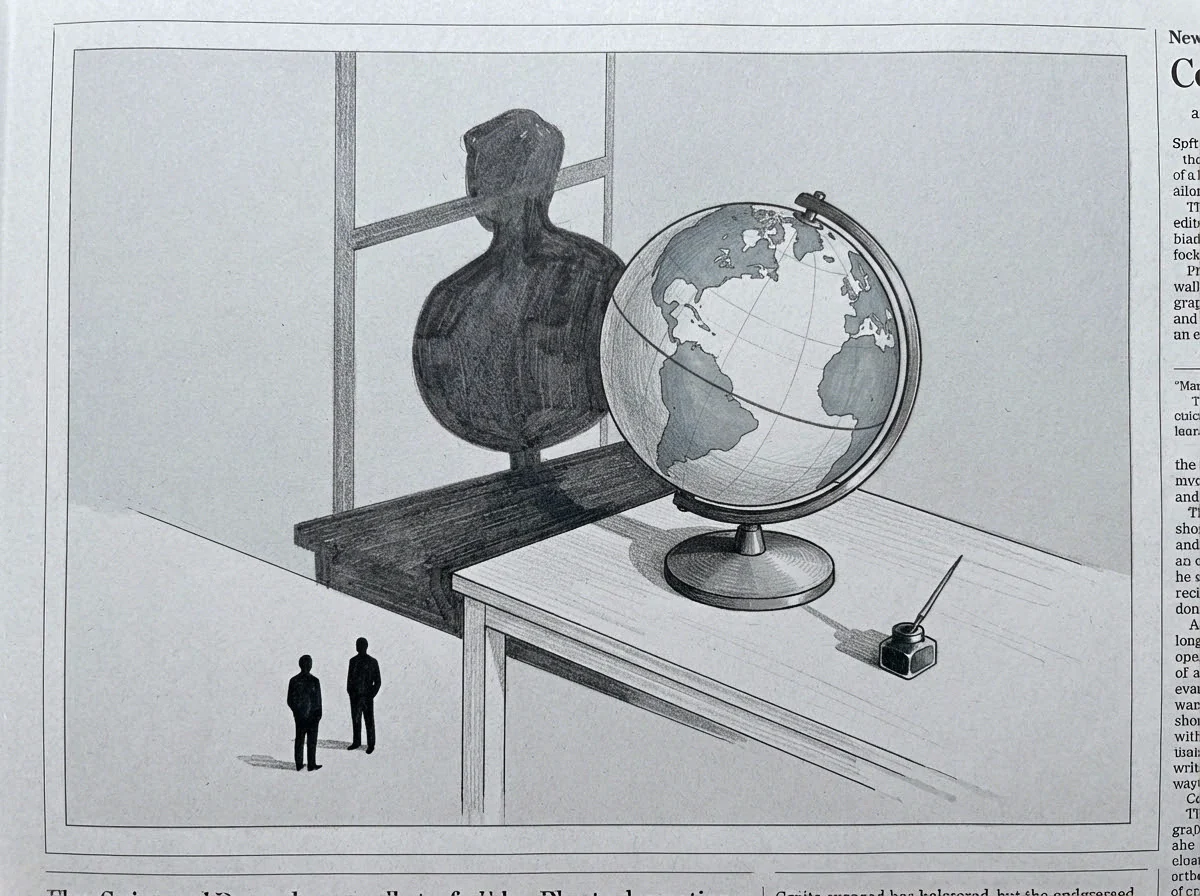
Deposit
Earned security is not an intellectual accomplishment; it is the accumulated somatic residue of thousands of unpunished physical interactions. When an individual updates an avoidant or hyper-autonomous internal working model, they do not discard their capability for independent action. They gain the biological capacity to down-regulate their central nervous system through the proximity of another person.
The receptor slot, once entirely missing from their operational architecture, is slowly carved out by the continuous presence of someone who occupies the same floorboards without making demands. The hours pass without conversation.
This structural change manifests in practical, observable founder behavior. An operator who previously worked late into the night in total isolation begins to complete financial audits at the kitchen table while their partner reads nearby. The presence of the partner no longer triggers an internal dialogue about emotional duty or defensive containment.
The solitary regulator works with steady, unhurried focus, drawing on the biological mass in the room as an energetic subsidy that quietens the amygdala. Presence lowers neural expense. The second template forms slowly.
A relational template updates only when physical experience consistently disproves the survival necessity of isolation.
The regulatory budget shifts its direction permanently. Instead of burning internal reserves to maintain an artificial facade of invulnerability, the operator allows their nervous system to borrow the calm of the surrounding environment. This borrowed regulation registers not as a conscious feeling of debt or dependence, but as a spontaneous drop in baseline tension, an ability to make complex decisions without cardiovascular panic, and a quiet tolerance for stillness.
The individual remains capable of intense autonomous execution, but isolation is no longer their sole operational strategy. A quiet room shared with a steady body without conversational tax remains the most reliable pathway to resetting a strained human nervous system.