
Allostatic Capacity Ceilings in Structural Load Transferring Founder Architectures Under Continuous Concurrency Push
Continuous concurrency push past allostatic capacity forces structural load transfer from personal nervous system regulation to explicit architectural terms.
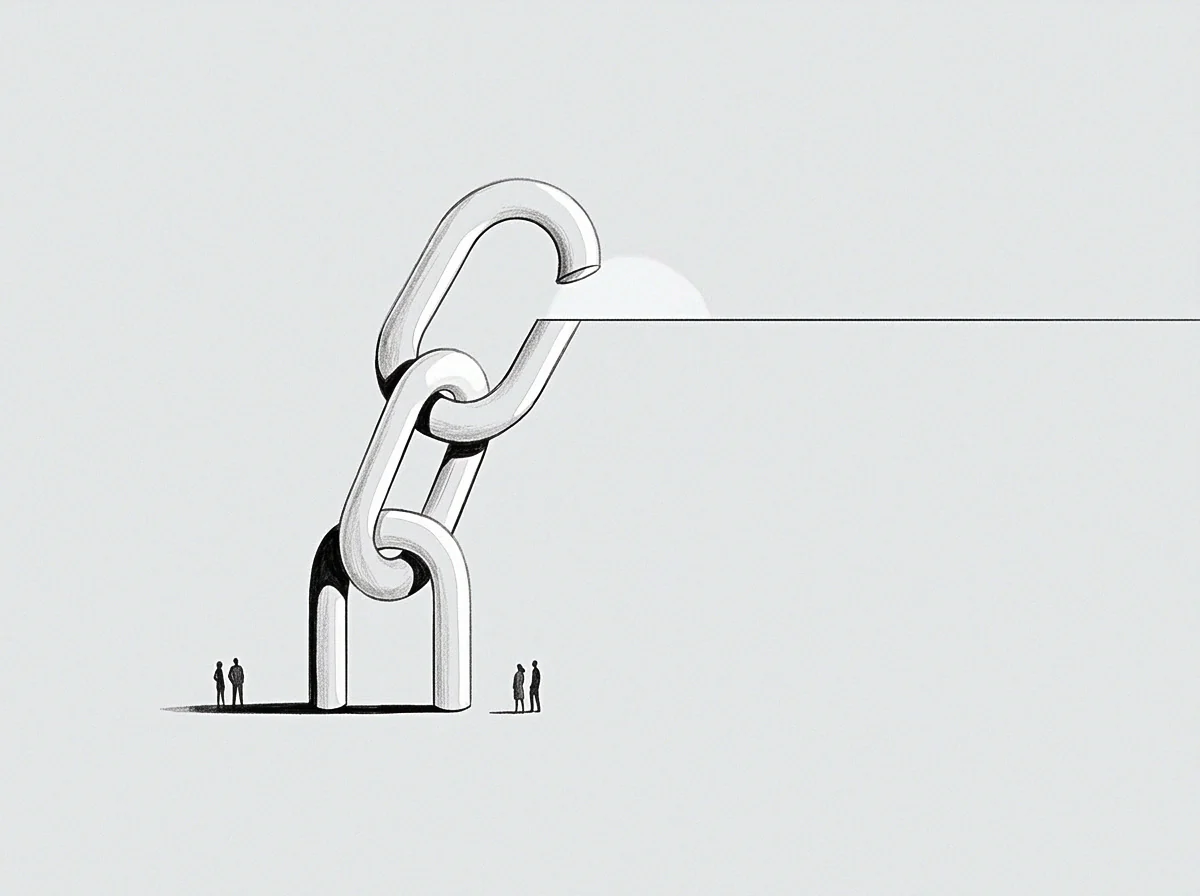
Pressure
Four distinct escalation notifications arrive on a single personal screen at twenty minutes past midnight. The first detail involves a database locking bug stalling deployment, the second concerns an early enterprise client threatening cancellation over a missing security audit, the third signals a compensation dispute between two principal engineers, and the fourth is a routine operational question from an investor. None of these four senders coordinated with the others.
Each sender routed their immediate friction directly to the central operating node because the organizational architecture lacks intermediate structural filtering. The individual sitting in the seat receives all four inputs as simultaneous urgent demands requiring neuroendocrine mobilization, executive decision making, and interpersonal containment.
When an early organization builds its operating rhythm around a single resilient individual, that individual functions as a human shock absorber for the entire venture. Operational variance, emotional turbulence, capital anxiety, and product ambiguity flow toward the central node because the system contains no other mechanism designed to convert chaos into order. Structural load transferring describes this reliance on a primary co-regulator.
Early stage teams frequently operate under the unstated assumption that the leader possesses an infinite capacity to absorb incoming noise, clear operational bottlenecks, and stabilize group nervous systems through personal presence.
Allostatic capacity represents the physiological setpoint ceiling within which a human organism can actively maintain stability through change. Neural circuits, adrenal hormone cascades, cardiovascular responses, and metabolic allocations combine to manage acute environmental demands. Under temporary surges, this biological adaptive machinery performs efficiently, restoring baseline baseline parameters once the demand recedes.
When the concurrency push becomes continuous, the physiological cost of repeated adaptation accumulates without baseline recovery. The biological system encounters a rigid ceiling where metabolic reserves deplete, cognitive flexibility drops, and neural circuits governing risk evaluation shift into persistent hyper-vigilance.
Excessive incoming concurrency converts individual adaptive capacity from an informal operating shock absorber into an unbuffered structural failure point.
Continuous concurrency push operates as a relentless incoming rate of operational events that exceeds the reset latency of the biological receiver. The issue is not the total weekly volume of work; the issue is the absence of inter-stimulus clearance intervals. Human neuroendocrine systems require defined periods of continuous low-demand safety to down-regulate sympathetic arousal and clear metabolic byproducts.
When operational inputs hit the central node across sixteen hours a day through fragmented digital channels, the allostatic load escalates continuously. Allostatic load defines the cumulative physiological wear and tear resulting from chronic, unbuffered stress exposure.
The transition from functional high performance to structural failure occurs quietly behind high personal commitment. Because the central co-regulator continues to answer pings, clear blockers, and soothe team anxiety, the surrounding organization observes no external signal of structural fatigue. The team reads the leader’s continued availability as evidence of structural durability.
This misreading leads to increased escalation rates, as the organization shifts further decision load onto the single functioning node. The system continues pushing until the biological ceiling forces an unexpected, non-negotiable stoppage.
Unbuffered operational demands transferred directly to human physiology always compound until the receiver enforces a rigid structural boundary. Leaving allostatic limits unstated guarantees that the enterprise converts human biological burnout into an operational crisis.

Rig
Architectural design in early ventures often reflects the immediate personal energy of the founders rather than explicit load-bearing limits. During the initial sprint phase, this arrangement provides maximum speed and low decision overhead. The organization relies on informal co-regulation, where team members calibrate their sense of safety and direction against the calm demeanor of the central leader.
Social baseline theory demonstrates that proximity to a trusted, highly capable co-regulator reduces the neural energy individual team members must spend on threat vigilance and self-regulation. The team delegates its environmental regulation directly to the founder node.
As the enterprise scales its client base, headcount, and operational complexity, the volume of incoming concurrency increases non-linearly. The single human node, previously acting as an informal absorber, becomes a high-latency bottleneck. Every decision, conflict, and ambiguity routes through one set of neuroendocrine circuitry.
Concurrency throttling occurs when incoming inputs overwhelm executive processing state, forcing the central node to drop low-priority signals or slow response times across all channels.
| Configuration State | Buffer Depth | Escalation Latency | Allostatic Drag | Fail-Safe Behavior |
|---|---|---|---|---|
| Unbuffered Co-Regulator | Zero minutes | Immediate (0-15 mins) | Maximum biological wear | Abrupt cognitive collapse |
| Informal Gatekeeping | Variable (1-4 hours) | Moderate (1-6 hours) | High metabolic load | Selective signal dropping |
| Explicit Terms Rig | Fixed (24-48 hours) | Deterministic queue | Low biological load | Graceful load shedding |
The structural load transferring model breaks when the internal operational volume demands systemic load shedding that the individual’s biology cannot provide. In control theory, a system meeting continuous step-input increases without a dissipation path must either expand its dissipation surface or experience catastrophic thermal breakdown. Human physiology obeys identical limits.
When individual capacity ceiling meets persistent organizational expansion, personal willpower cannot override the neuroendocrine ceiling.
- Unbuffered Input Channels direct raw operational noise to executive attention without rate-limiting or domain triage.
- Covert Regulation Expectations require the central node to absorb organizational panic without explicit compensation or boundary terms.
- State-Gated Decisions defer critical choices until the physiological regulation of the decision maker permits analytical processing.
- Borrowed Regulation Dependency occurs when satellite team members lose independent problem-solving capacity and rely entirely on leader presence.
The operational cost of maintaining an unbuffered rig shows up in decision quality long before operational failure occurs. Chronic allostatic load impairs prefrontal cortex function, reducing working memory capacity and biasing choice selection toward immediate threat avoidance rather than long-term strategic value. The leader begins making defensive, short-horizon decisions designed solely to diminish incoming signal pressure.
State-gated acts are actions that can only execute when the underlying physiological state permits the necessary cognitive bandwidth.
A load transferring system pushes every available human regulator until it meets a explicit term that refuses to yield.
The partner expects the central node to remain calm, available, and clear-headed under every surge because the past operating rhythm established immediate availability as the default baseline.

Breach
Physiological setpoints do not negotiate with enterprise schedules or investor updates. When cumulative exposure to continuous concurrency push breaches the biological ceiling, the central node enters acute allostatic overload. This condition is distinct from temporary fatigue; it represents a systemic neuroendocrine shutdown where the organism actively revokes executive processing capacity to protect vital biological functions.
The individual experiences severe sleep architecture fragmentation, cognitive fog, emotional blunting, and an inability to process complex interpersonal inputs.
When the biological breach occurs, the informal load-transferring architecture collapses overnight. Tasks routed to the central node stall indefinitely. Operational decisions accumulate in an unread queue, and the surrounding team experiences sudden destabilization because the borrowed regulation source has gone silent.
The enterprise discovers that what it treated as a robust management structure was merely the uncompensated biological strain of one person.
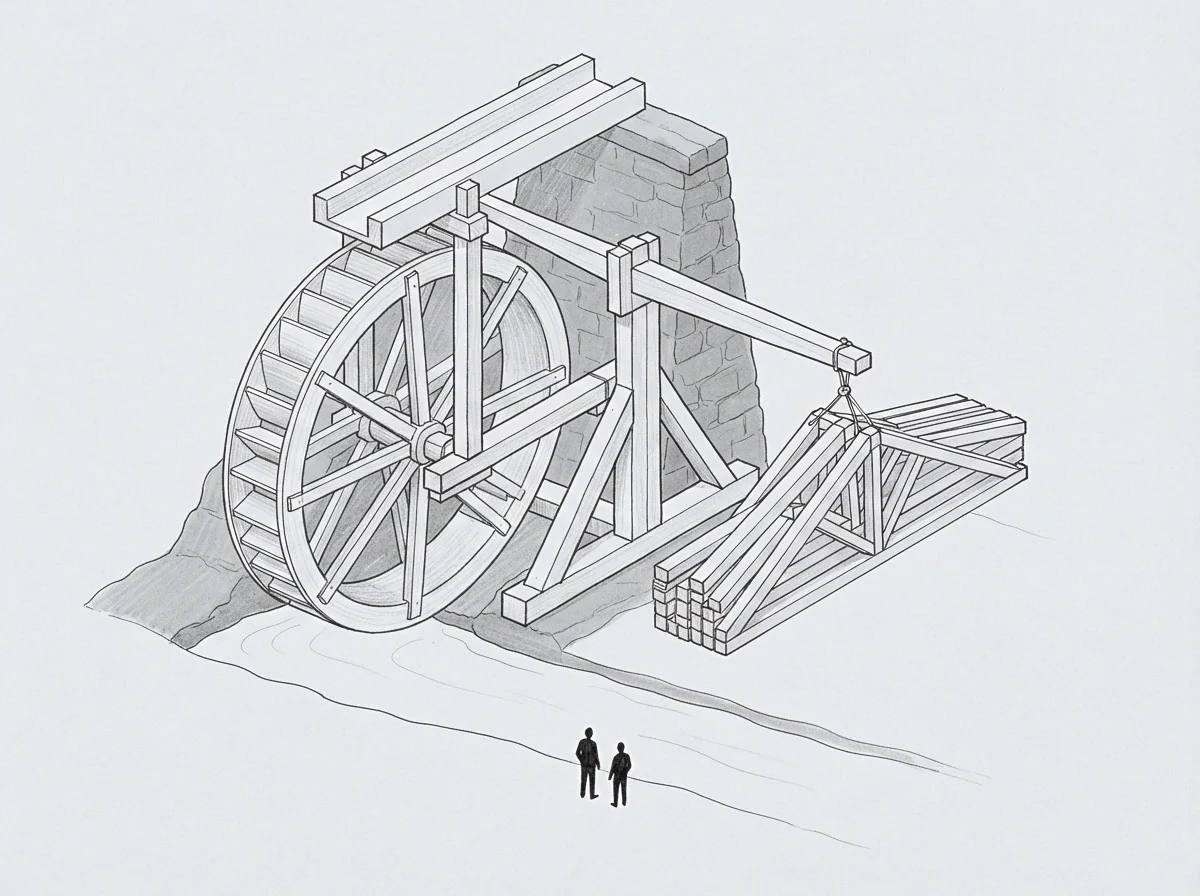
Where Does Exceeded Allostatic Capacity Transfer Load Next?
Structural failure inside the central node forces the surrounding system to reallocate operational weight across remaining nodes or face complete execution halt. If the enterprise lacks explicit secondary load-bearing structures, the load spills chaotically onto peers, mid-level operators, or external partners who are unprepared to receive it. This chaotic transfer creates widespread organizational friction, as unbuffered signals hit nodes that lack both authority and systemic context to handle the incoming pressure.
- The central node experiences neuroendocrine exhaustion and drops incoming communications without prior notice.
- Operational queues back up rapidly across client service, product delivery, and financial management streams.
- Unanchored team members experience heightened threat perception, increasing internal peer conflict and decision paralysis.
- Secondary team members attempt emergency co-regulation, taking on unbuffered load without clear operational terms.
- The organization establishes formal rate limits and structural filters out of operational survival.
The primary systemic risk during a breach is the sudden exposure of hidden operational dependencies. Dependencies that were previously masked by the founder’s continuous intervention become immediate critical failures. The enterprise pays for its historic structural efficiency through acute organizational crisis.
Structural failure of the primary regulator exposes every covert dependency that the informal architecture masked.
Does the organizational load transfer cleanly into explicit operational contracts, or does it continually fracture team capacity until the venture dissolves?
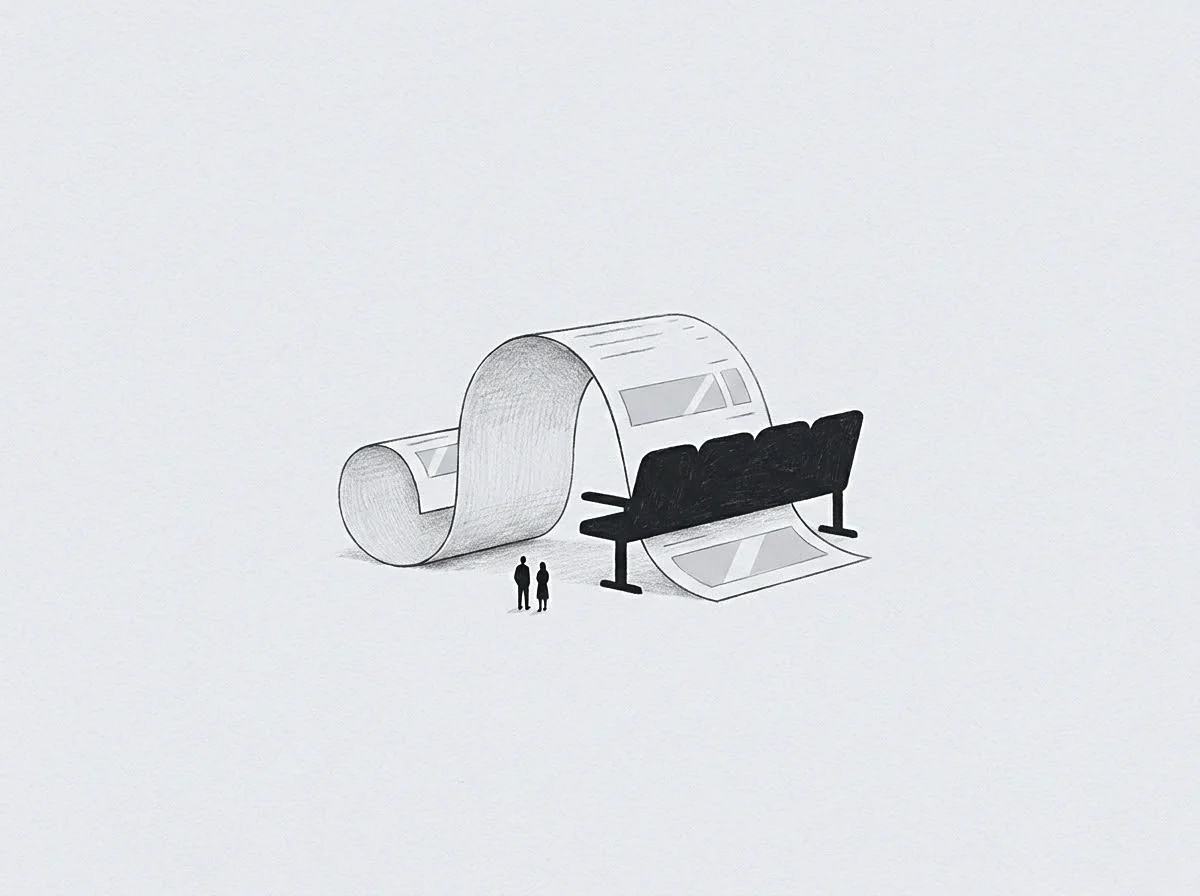
Pact
Replacing biological co-regulation with architectural boundary terms requires shifting from informal willingness to explicit structural agreements. A stated limit functions as a rigid wall within the operating system, replacing personal endurance with defined operational rules. Rather than asking the leader to decide, manage, and absorb inputs continuously, the organization implements pre-negotiated protocols that govern signal flow, escalation thresholds, and decision rights.
Take two founders who operating a high-growth logistics platform for three years without explicit boundary terms. Assume both founders hold equal equity, but one founder serves as the primary operational shock absorber, taking all nighttime escalations, team grievances, and investor updates. Under this informal arrangement, the operational founder reaches acute allostatic ceiling, experiencing chronic insomnia and decision fatigue.
The venture faces stalling revenue due to delayed operational approvals. To survive, the founders replace their covert understanding with a formal operating pact that establishes deterministic signal queues, enforces 24-hour non-emergency communication blackouts, and redistributes client escalation ownership.
A stated limit operates as a physical object inside the enterprise architecture. When an incoming input meets a stated limit, the input does not evaluate the leader’s emotional availability or personal resilience; it meets a pre-defined rule that dictates where the input must wait, who must handle it, or how it must be transformed before reaching executive attention. Decision-gated acts are operational moves that proceed strictly based on clear, pre-established criteria rather than live emotional permission.
Availability derived from explicit operational terms builds systemic resilience while protecting individual physiological capacity.
The transition to explicit terms changes how surrounding team members interact with the central node. Availability is no longer announced through personal promises of open-door access; availability is derived by external parties observing explicit positions and costs. When the team learns that executive access requires a structured written memo and a 24-hour queuing window, the team adjusts its signal submission behavior.
Low-priority noise drops dramatically, and intermediate team members build independent problem-solving capacity.
The specific clause specifying a 48-hour quiet window for non-emergency operational decisions shifts signal processing load directly onto functional leads, instantly restoring biological recovery space for the central node.

Signal
Communication channels serve as the primary conduits through which allostatic load transfers across an enterprise. In an unbuffered architecture, every communication tool functions as a continuous ping generator, signaling potential threat or immediate demand. The central node receives these pings as a steady stream of micro-interruptions, each triggering minor sympathetic nervous system activations.
Over time, the biological cost of processing continuous pings matches the cost of major operational crises.
Silence as position represents an intentional architectural choice to clear communication channels of continuous background noise. When a leader establishes that specific communication channels will remain silent outside scheduled operational windows, that silence ceases to mean neglect or absence. Silence becomes an explicit structural stance that signals system stability, forcing team members to process operational friction through designated local channels before escalating.
Evaluating state against mood is essential when monitoring capacity ceilings inside leadership architectures. Mood is a transient emotional output that carries minimal diagnostic information regarding structural load. State represents the physiological transfer function that determines how an individual processes an incoming input.
A leader may exhibit a calm mood while operating in a severely depleted biological state, masking approaching allostatic breach. Effective architecture evaluates load through measurable state variables like processing latency, sleep continuity, and cognitive retention rather than superficial emotional presentation.
The channel that remains silent without triggering panic proves that the organizational architecture has successfully decoupled execution from individual biological regulation.
The ping arithmetic governs the daily operation of structural load transferring. Every incoming message demands a specific quantum of executive attention and physiological regulation. When the daily ping volume exceeds the calculated processing capacity of the node, the system must either throttle incoming pings or accept catastrophic decay in decision precision.
High-performing architectures restrict high-priority ping channels to explicitly defined emergency scenarios, preserving executive processing bandwidth for long-term strategic execution.
A stated term stated early enough operates as a physical wall, while a limit stated under acute exhaustion reads as a relational rejection.