
Automated authority transfer protocols during acute operational load escalation
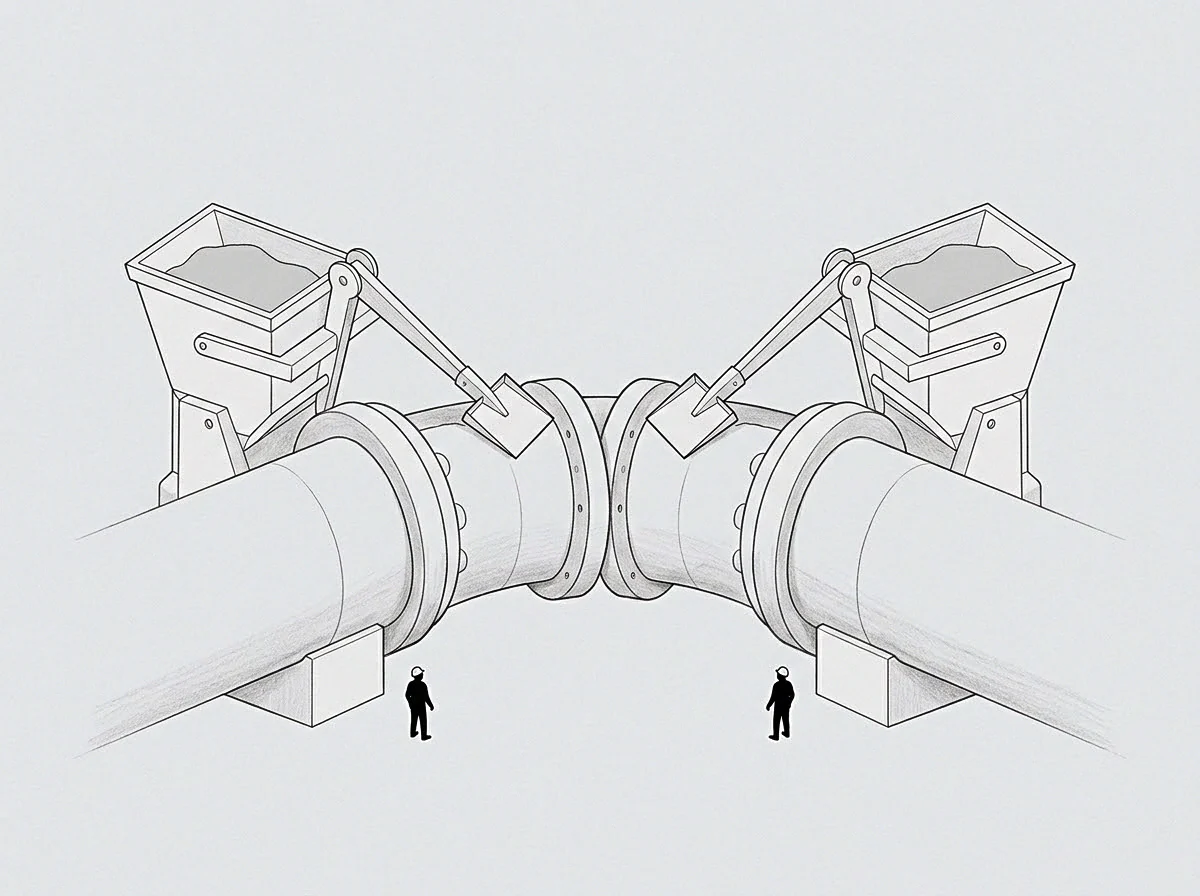
Automated authority transfer systems reallocate operational execution permissions to frontline nodes when telemetry metrics breach predetermined saturation thresholds.

Trip
Saturation Latency in Escalating Systems
Operations break along predictable fault lines during volume spikes. Influx surges compress response intervals while incoming incident notifications multiply across communication conduits. Cognitive throughput degrades under sudden message density, creating an operational stall.
The individual in the command seat continues reading alerts while decision volume outpaces biological processing limits. Retaining unilateral sign-off authority during a load spike guarantees system stall.
Manual delegation fails during rapid operational saturation because transfer actions demand the exact executive attention that has already been depleted. Handing off incident response requires evaluating candidate capabilities, drafting context briefings, and transmitting explicit permissions. Each administrative step adds drag to an overloaded manager.
Automated authority handoff resolves this stall by removing human intervention from the elevation process. System telemetry detects operational thresholds, activates pre-scripted delegations, and transfers operational boundaries without waiting for manager confirmation.
A predefined telemetry breach reassigns operational permissions without requiring human intervention.
Pre-scripted handoffs operate on unambiguous operational indicators. Queue depths, unresolved ticket velocity, and transaction failure rates serve as mechanical triggers. When sustained pressure breaches predefined tolerances, the governance infrastructure reallocates authorization boundaries.
Execution mandates bypass the standard managerial hierarchy, landing directly on specialized frontline nodes. The organization exchanges procedural consensus for survival speed.
Failure to implement automated transfer during load escalations forces frontline personnel into unauthorized improvisations while backlogs compound, producing cascading delivery outages and unrecoverable administrative exhaustion.

Switch

Telemetry Thresholds for Mechanical Transition
Mechanical transfers rely on strict numerical conditions evaluated across defined measurement intervals. Raw volume counts fluctuate erratically, making transient spikes poor indicators of structural overload. Production environments demand sustained rolling averages combined with rate-of-change indicators.
A five-minute moving average of queue latency paired with a negative service resolution delta provides reliable evidence of systemic saturation.
The activation sequence operates through tiered states of operational authority. Each tier grants wider operational autonomy to decentralized units while constraining managerial review windows.
- Saturation sensor verification samples system backpressure metrics across three independent data collectors to prevent false transfers from faulty telemetry nodes.
- Permissive threshold activation expands incident mitigation parameters, allowing shift supervisors to approve balance sheet adjustments up to fifty thousand dollars without prior executive clearance.
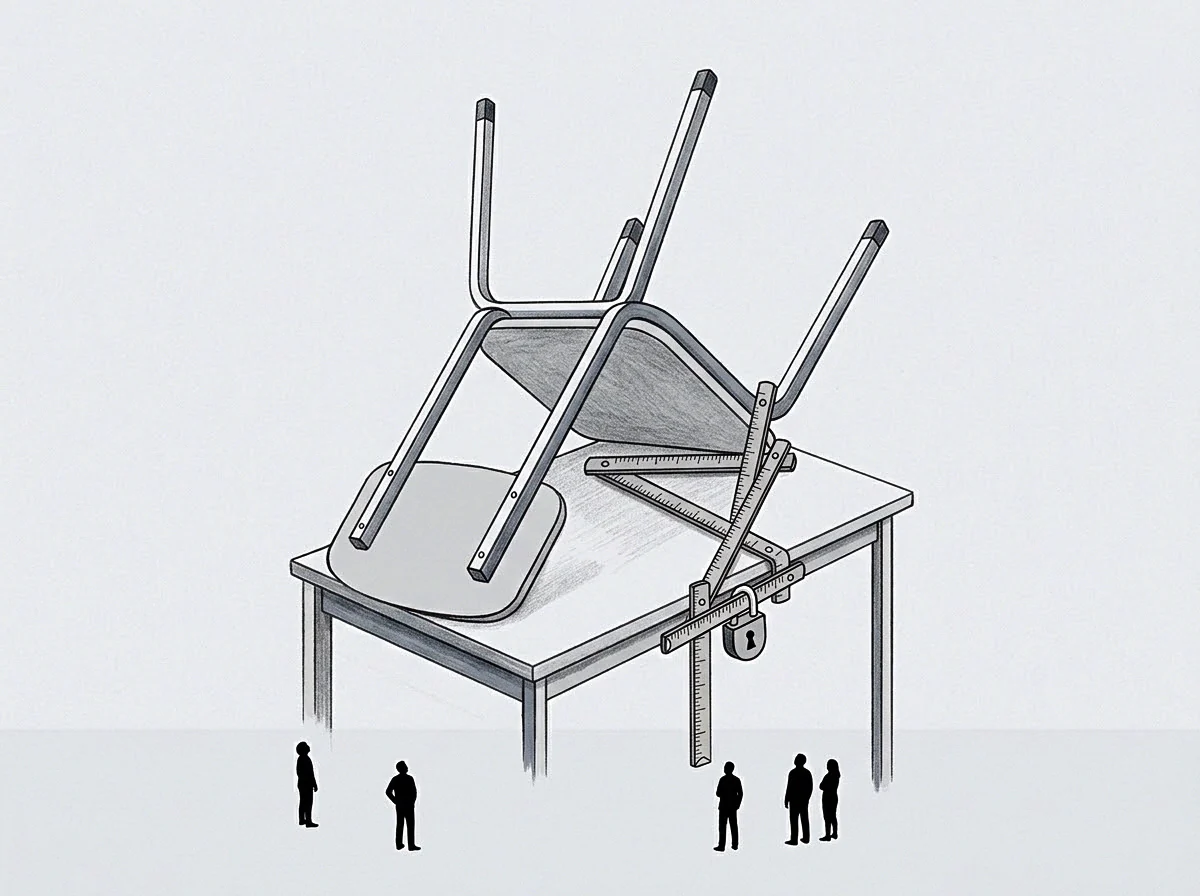
- Protocol enforcement lock restricts executive override channels during active incidents, preventing saturated leaders from revoking local autonomy until system pressure drops below safety boundaries.
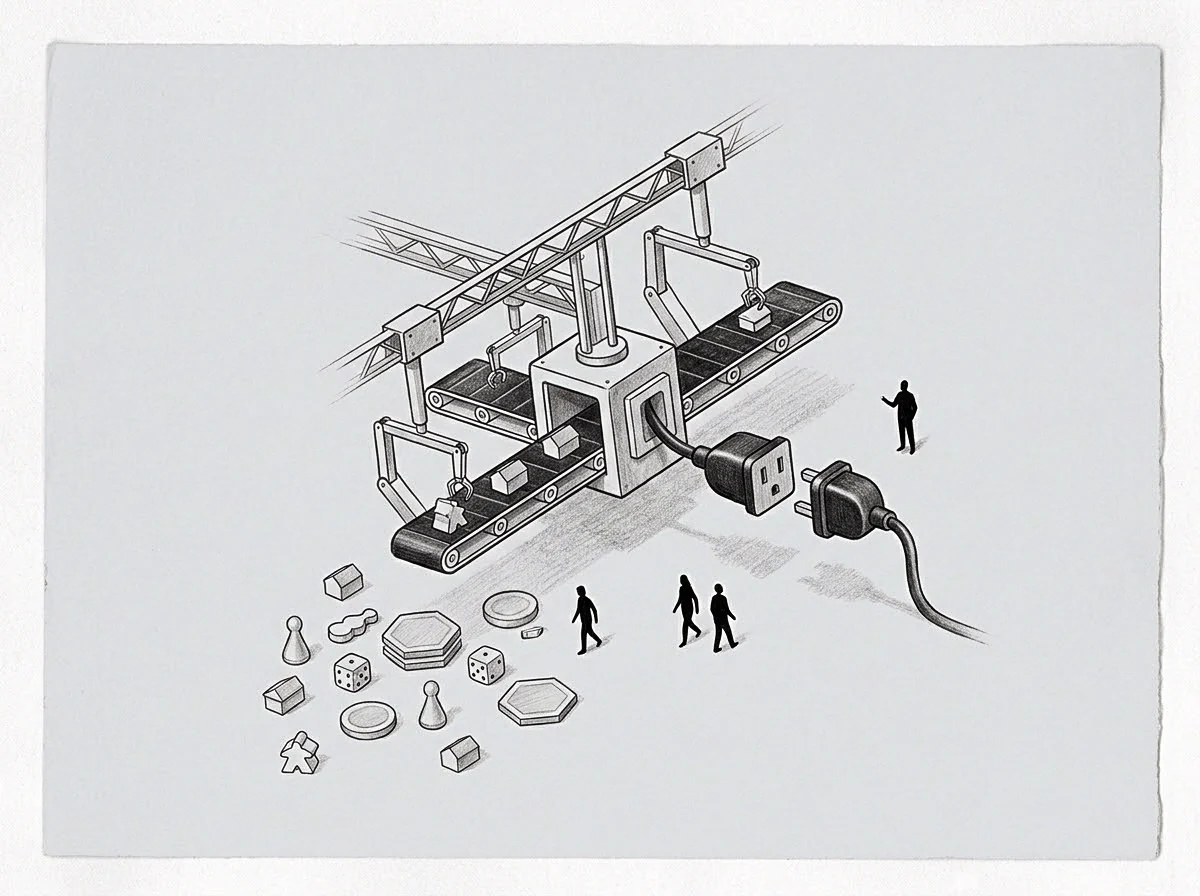
Telemetry metrics govern the transition point between normal hierarchy and emergency decentralization. The governance engine monitors queue backpressure continuously. Shift operators assume predefined spending powers and release controls the instant telemetry logs confirm an escalation threshold.
Operational permissions expand precisely as central capacity contracts.
Telemetry confirmations across multiple sensing nodes prevent fraudulent emergency state activations.
Engineering these automated transitions demands explicit demarcation of authority domains. Spending limits, system rollback permissions, and public communication releases require separate mechanical circuit breakers. Grouping distinct risk domains under a solitary trigger invites organizational catastrophe.
A payment processing failure demands rapid balance clearing, whereas core infrastructure outages demand aggressive traffic shedding. Independent sensor groups ensure operational permissions activate solely within distressed operational vectors.
The automated emergency override clause remains active until telemetry confirms queue backpressure has remained below nominal capacity for thirty consecutive minutes.
Relay

Decentralized Command Distribution
Systemic escalation reallocates execution authority downward toward frontline operators. Incident command distributes operational permissions across functional cells rather than pooling choices within an executive office. This distribution preserves systemic responsiveness by co-locating authority with real-time situational awareness.
Frontline engineers observe infrastructure degradation minutes before consolidated dashboards notify corporate leadership. Automated handoffs grant immediate tactical remedies to those direct witnesses.
Central offices often resist automated transfer architectures. Executives experience the mechanical revocation of their veto power as an institutional failure. This reaction confuses personal control with organizational resilience.
A decentralized operating model treats leadership bandwidth as a finite, fragile operational component. Automated reallocation protects central directors from cognitive exhaustion while safeguarding organizational survival.
Transfer architectures distribute operational power through immutable, pre-signed tokens. Tactical responders hold cryptographic authorizations that activate solely when central monitoring systems emit emergency load signals. These keys unlock production access, infrastructure redirection, and vendor re-routing permissions.
Authority resides in verified protocols rather than administrative rank. The organization shifts from hierarchical deference to distributed execution.
Authority shifts to pre-signed cryptographic tokens during systemic operational overshoots.
Dispersed operational units execute pre-approved incident playbooks with total procedural independence. These playbooks set bounded action menus, restricting emergency operations to validated stabilization moves. Local nodes modify network routing, throttle client consumption tiers, and provision standby hardware.
They cannot alter corporate balance sheets or permanently modify system architecture. Bounded execution prevents emergency actions from creating irreversible structural liability.
Operational personnel will state that leadership abandoned the helm during the crisis and left frontline engineers to clean up structural damage.
Table

Comparative Authority Architectures Under Pressure
Organizations navigate operational escalations through divergent authority structures. Selecting an appropriate model requires evaluating administrative latency against secondary liability risk. Manual approval retains pristine governance records at the expense of terminal execution delay.
Fully automated transfer prioritizes operational continuity while increasing the likelihood of uncoordinated local decisions. Hybrid relay frameworks combine mechanical thresholds with bounded procedural scopes.
| Operational Architecture | Trigger Source | Decision Latency | Secondary Error Risk | Recovery Friction |
|---|---|---|---|---|
| Manual Hierarchical Sign-off | Administrative Discretion | High | Low | Low |
| Static Threshold Delegation | Single Metric Breach | Low | High | Moderate |
| Dynamic Mechanical Relay | Composite Telemetry Array | Immediate | Moderate | Controlled |
| Total Autonomous Failover | Heartbeat Failure | Instantaneous | Severe | High |
Dynamic mechanical relays provide balanced protection for high-velocity operations. Deploying composite telemetry arrays insulates systems against false triggers caused by localized sensor dropouts. Immediate handoffs eliminate cognitive bottlenecks at the executive tier.
Secondary error risk stays manageable because emergency playbooks limit tactical actions to pre-tested containment steps. Recovery friction remains controlled through automated state tracking and synchronized rollback procedures.
System stress reveals operational reality. Bureaucracies rely on informal relationships during peacetime operations, relying on corridor conversations and unspoken accommodations. Acute escalation tears these informal contracts apart.
When transaction volume quadruples in twelve minutes, unwritten understandings evaporate. Explicit, programmatic delegation systems survive this stress. They replace ambiguity with executable operational law.
Formal mechanical transfers replace ambiguous managerial assumptions during catastrophic system overshoots.
Automated transfer rules prevent administrative freezing during critical operational moments. Teams that document emergency delegations in static policy binders discover their uselessness during live incidents. Static documents require human retrieval, interpretation, and consensus building.
Automated systems bypass human reading time entirely. Operational code enforces predefined delegations the moment telemetry crosses structural boundaries.
Pre-scripted emergency delegations survive operational crises while conversational accommodations evaporate under fire.

Return

Hysteresis and Operational Authority Restoration
Reclaiming operational authority presents equal systemic vulnerability as emergency offloading. Immediate resumption of manual hierarchy once metrics dip below critical thresholds induces severe operational oscillations. Incident loads bounce erratically around trigger values during recovery phases.
Premature reversion revokes frontline permissions moments before secondary volume waves hit the organization. Systems require mechanical dampening to normalize command structures securely.
Hysteresis loops govern stable transition back to routine governance. The return threshold sits materially lower than the escalation trigger. An organization activating distributed handoffs at eighty percent server utilization maintains distributed operations until load metrics decline below forty-five percent.
This statistical gap prevents chaotic authority cycling between managers and frontline teams. Operations stabilize within decentralized execution modes before leadership resumes administrative oversight.
Post-incident reconciliation verifies all decentralized actions executed during the escalation window. Frontline units document balance adjustments, infrastructure changes, and resource allocations within shared operational registries. Automated scanning tools audit these adjustments against bounded protocol limits.
Discrepancies flag for administrative review during scheduled post-mortem sessions. Verification balances rapid crisis execution with rigorous long-term institutional accountability.
How an organization proves that automated authority transfers do not erode baseline leadership competence during prolonged periods of operational stability remains unresolved.