
Deriving Operational Capacity Limits Through Codified Contractual Stated Terms
Contractual stated terms transform subjective capacity boundaries into objective operational walls that regulate incoming operational load automatically.

Gate
Four operational requests land in an inbox late on a Friday evening, each marked urgent by senders who operate without visibility into the recipient’s daily throughput ceiling. The executive seat holds ultimate responsibility for execution, yet total personal capacity is already exhausted from resolving mid-week distribution bottlenecks. In the absence of written operating terms, the default assumption of counterparties is infinite elasticity.
Senders push incoming load forward until meeting explicit friction. When no stated term defines maximum daily volume or processing hours, the pushing system encounters only the personal stamina of the individual in the seat. Unstated limits encourage push.
Personal stamina fluctuates with fatigue, turning capacity management into an ongoing, exhausting negotiation.
A load-transferring system continuously redirects operational stress toward the least resistant entry point. Without codified contractual boundaries, the founder becomes that entry point. Incoming demands accumulate until the individual either absorbs the burden through extended hours or refuses the task through informal conflict.
Informal refusal carries high emotional friction, forcing the person to defend personal limits as personal preferences rather than operational laws. The seat imposes limits. When boundaries rely on real-time personal enforcement, counterparties perceive every refusal as a subjective choice or a temporary lack of enthusiasm.
Operational stability collapses when external parties treat executive attention as an open, unmetered utility. Systems theory establishes that dynamic control loops require clear setpoints to prevent structural overload. In commercial arrangements, contractual stated terms function as those exact regulatory setpoints.
A contract clause defining explicit turn-around windows or maximum weekly commitments creates a firm operational wall. Load transfers instantly. The wall exists outside the individual, transforming what was once a personal dispute over availability into a matter of simple contractual compliance.
Leaving operational capacity limits unstated converts executive bandwidth into an infinite buffer that eventually destroys operational precision.
Vector
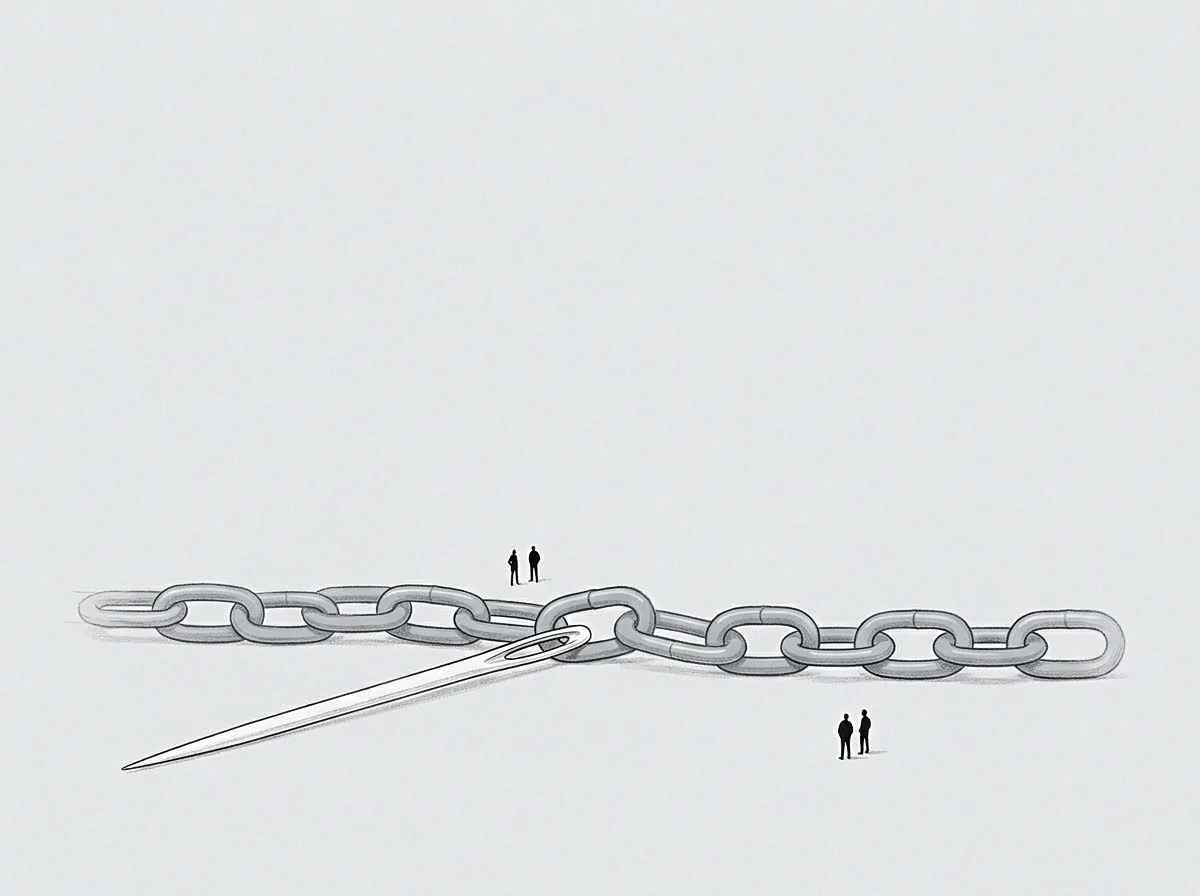
Load transfer inside commercial partnerships follows directional vectors determined by structural friction. When one entity operates with clear operational constraints while the other maintains vague boundaries, stress flows naturally from the bounded entity to the unbounded individual. The human nervous system interprets continuous, unbuffered operational demands as a persistent threat state, elevating standard biological setpoints and reducing decision quality over extended horizons.
This physical reality remains unchanged regardless of organizational ambition or strategic intent. State dictates execution.
An uncodified capacity ceiling converts every incoming task into an direct test of personal endurance.
Internal state represents the underlying transfer function governing how an executive processes operational inputs. Mood, conversely, is an unstructured output carrying no objective system information. Counterparties routinely misinterpret state-driven exhaustion as a temporary phase of low energy, leading them to resubmit requests once the emotional tone appears to soften.
Codified contractual terms eliminate this misinterpretation by decoupling capacity boundaries from transient personal mood. A written term stating that technical reviews require five business days operates independently of whether the operator feels energized or depleted on a given morning.

Structural Paradigms of Capacity Regulation
Organizing operational capacity requires choosing between dynamic personal negotiation and static contractual enforcement. The differences between these structural choices determine how an organization absorbs incoming pressure and manages operational headroom under load.
| Dimension | Uncodified Tolerance | Codified Term Limits |
|---|---|---|
| Primary Setpoint | Subjective emotional bandwidth | Contractually bound operational ceiling |
| Load Absorption Mechanism | Individual executive fatigue | Explicit queue governance and SLAs |
| Escalation Pathway | Interpersonal friction and debt | Formal contractual renegotiation |
| Strategic Latency | Unpredictable delays based on burnout | Deterministic turn-around timelines |
A capacity wall holds. Operating under uncodified tolerance forces the individual to absorb systemic variance through personal exertion. Over time, this reliance on individual strain creates hidden organizational liabilities, as systemic throughput becomes dependent on unsustainable personal output.
Codified terms shift this burden from human physiology to written protocols. The contract absorbs pressure. Establishing clear contractual vectors ensures that incoming operational load encounters pre-defined structural limits rather than the personal reserve of key operators.
The counterparty expects immediate response because no written boundary ever indicated that executive capacity had reached its ceiling.
Clause
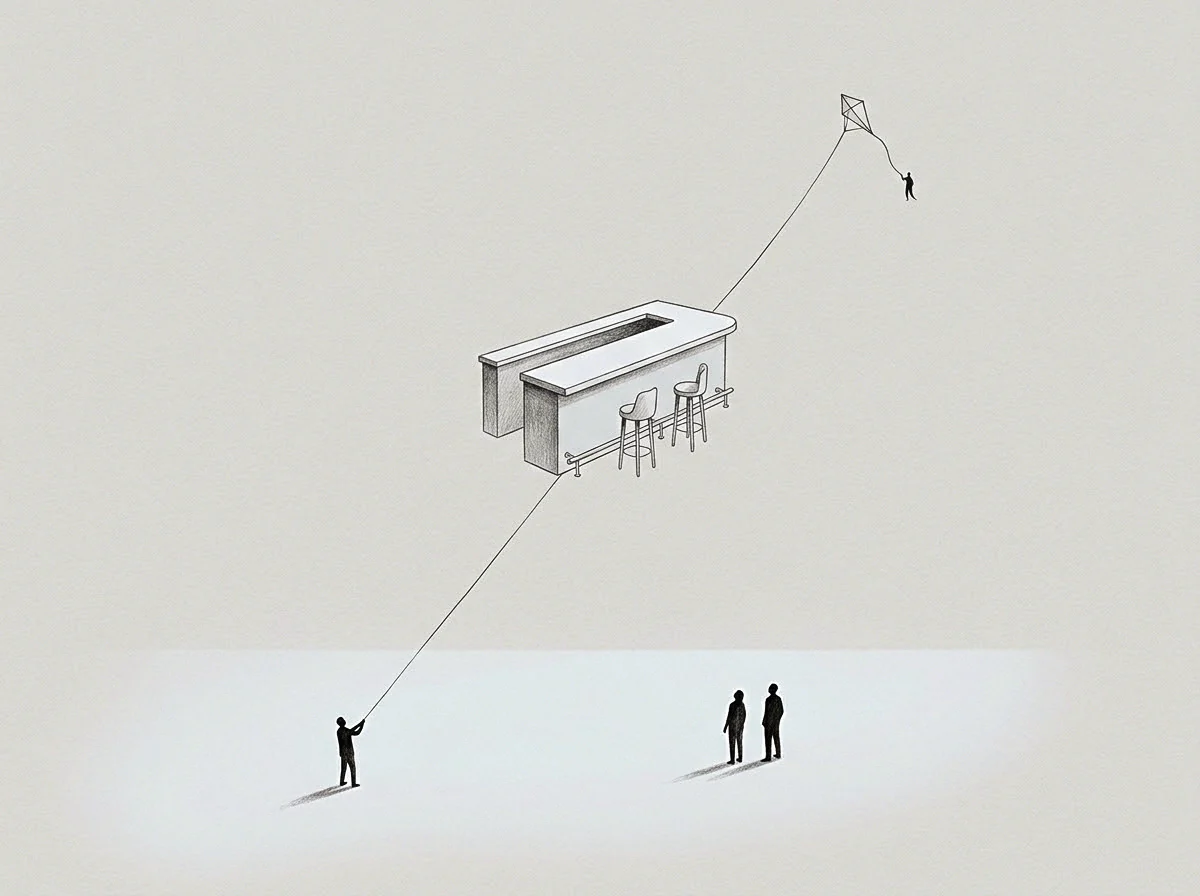
Deriving operational capacity limits through codified contractual stated terms requires translating physiological and cognitive boundaries into precise legal and operational parameters. Consider a worked situation involving a technology venture where two founders built operations for three years without written capacity limits. Assume the chief operating officer holds equity and oversees vendor integrations, client delivery, and internal infrastructure.
In this baseline setup, client agreements specify rapid delivery targets but omit maximum concurrent project caps or explicit client intake ceilings. As client volume doubles, incoming technical queries overwhelm the operating officer, reducing strategic execution bandwidth to zero while operational errors compound across all active delivery channels.
To resolve this structural failure, the enterprise drafts explicit operational clauses into standard client service agreements and internal governing documents. The revised terms introduce three specific structural boundaries:
- Concurrent project throughput caps that strictly limit active client onboarding instances to four parallel streams per operational squad.
- Mandatory triage queue latency establishing a seventy-two hour minimum window for non-emergency feature requests before technical evaluation begins.
- Explicit emergency escalation thresholds defining severe system outages as the sole trigger for off-hours executive notification.
When contractual stated terms define maximum weekly throughput, operational capacity limits become readable to external partners without real-time negotiation.
The implementation of these terms fundamental changes the operational transfer function. When a fifth client requests immediate onboarding during a peak cycle, the account manager points directly to the contractually codified concurrent project throughput cap. Terms establish actual capacity.
The push from the client meets an external legal object rather than the operating officer’s personal willingness to work late. The client either accepts a scheduled start date in the following quarter or pays a pre-defined premium fee to fund additional squad capacity. Strategic options emerge immediately because the limit was stated in advance as an operational wall.
Uncertainty in operational management frequently stems from the misapplication of executive decision-making to state-gated actions. Certain operational tasks require specific cognitive headroom and low background stress to execute correctly. No amount of personal discipline or executive decision produces high-quality strategic architecture when cognitive load sits at ceiling.
State-gated acts cannot be forced through pure willpower without introducing severe structural errors into the system. Codified clauses protect the baseline operating state necessary to execute complex strategic acts by filtering out routine operational noise before it reaches the executive seat.
A clause that fixes response latency to forty-eight hours transfers the burden of active triage from the executive seat back to the sender.
Inserting a seventy-two hour maximum turnaround clause for strategic deliverables shifts the default operating state from reactive emergency management to scheduled batch processing.
Ping
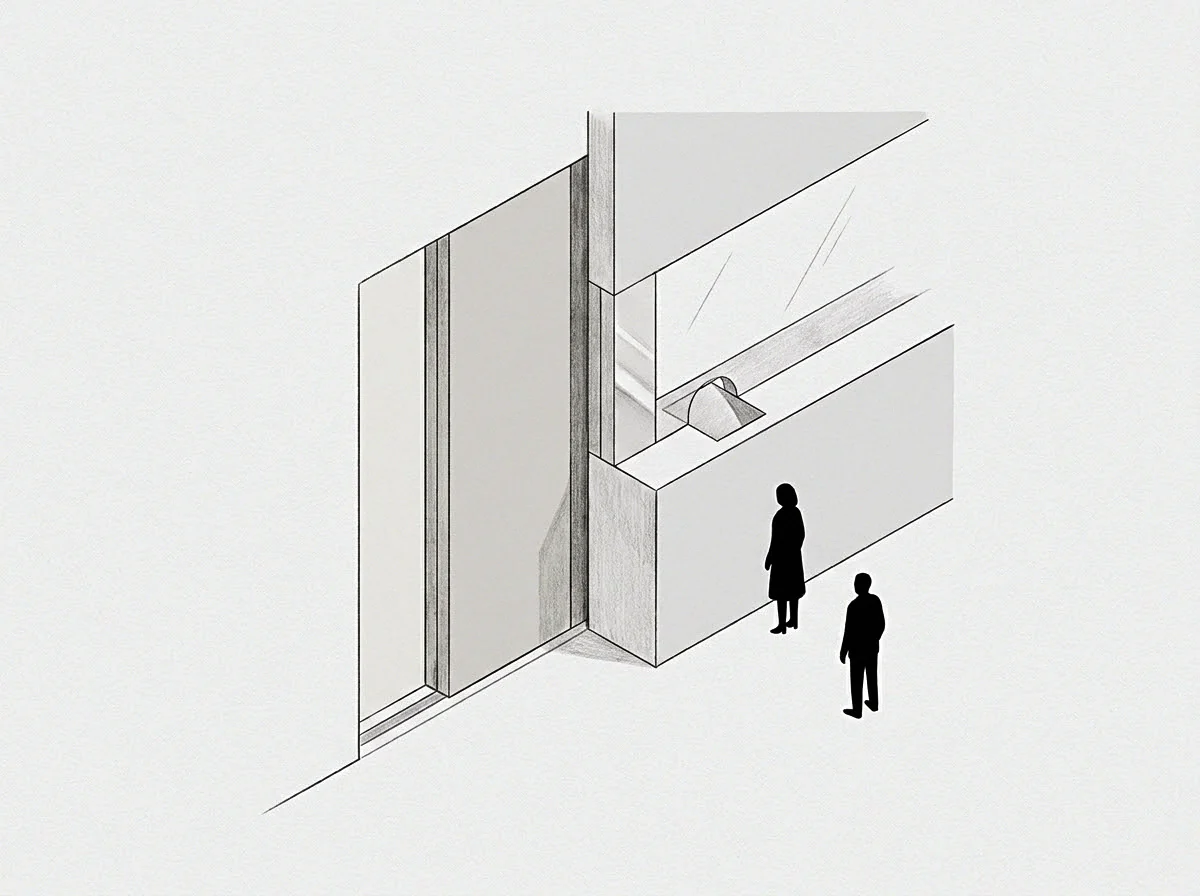
Communication channels serve as the primary sensor network for incoming operational load. Every notification, message, and call represents an attempt by an external party to extract executive attention and capacity. The channel that pings continuously without contractual restriction signals a complete absence of operational governance.
Priority demands cost. When access is cheap and unrestricted, external actors default to sending low-priority inquiries through real-time communication vectors, effectively outsourcing their own triage process to the receiving operator.
The channel that pings continuously during off hours reflects a missing structural wall rather than urgent operational necessity.
What Determines Operational Priority Across Parallel Communication Channels?
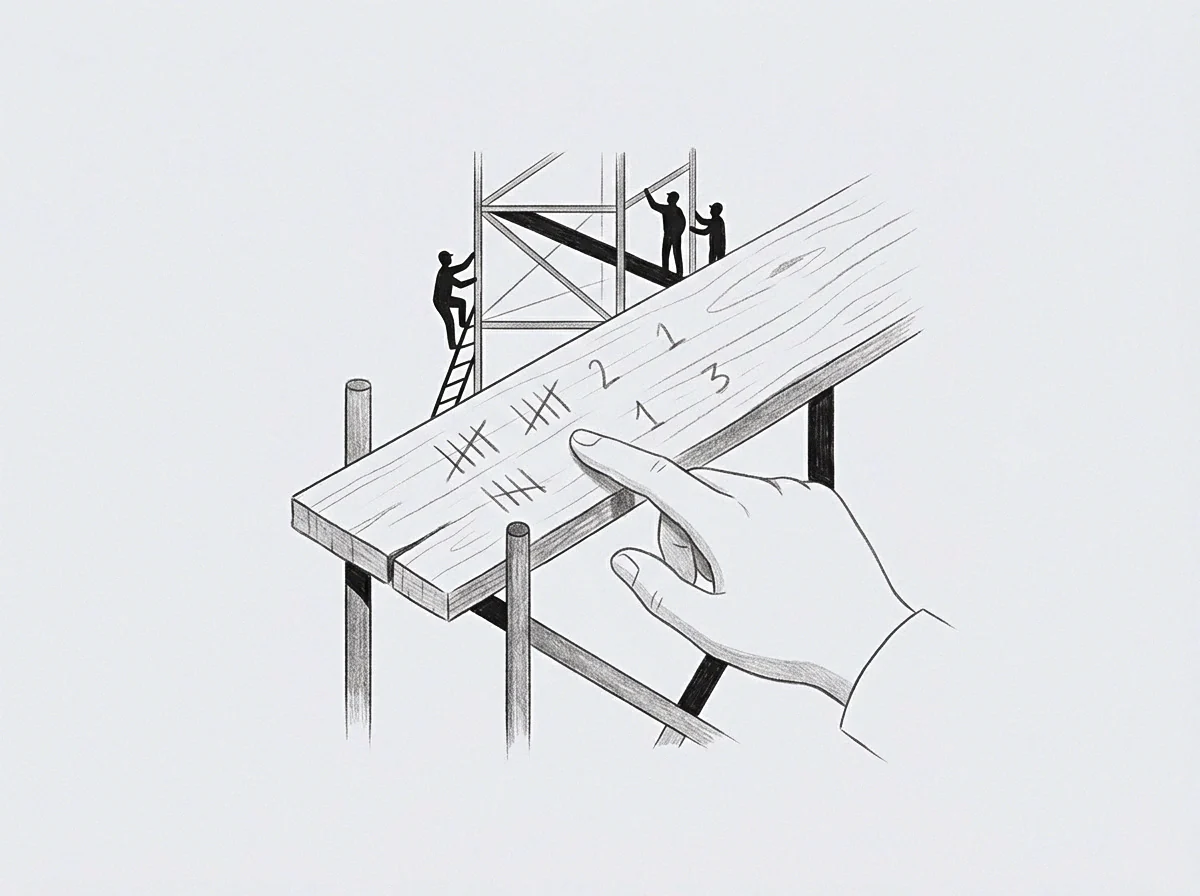
Determining true operational priority requires observing how incoming requests interact with contractually defined access rules across distinct communication vectors.
- The sender transmits an unscheduled operational request through a primary communication vector during off-peak operational hours.
- The receiving system filters the incoming message through stated channel terms rather than personal mood or immediate availability.
- The non-emergency ping remains unacknowledged until the contractually designated operational processing window opens.
- The sending party calculates actual operational priority based on observed response latency rather than initial personal expectations.
Silence communicates position. When an executive refrains from answering off-hours notifications, the resulting latency communicates operational structure far more effectively than an angry broadcast about work-life boundaries. Latency reveals priority.
External parties adjust their operational behavior when they realize that real-time response vectors are reserved exclusively for contractually defined operational emergencies. Availability is derived by the counterparty through observed patterns of response, cost, and explicit contractual positions.
It remains uncertain how rapidly a counterparty adjusts internal resource allocation when a key partner systematically enforces hard channel limits across all operational interfaces.

Floor
Maintaining long-term enterprise functionality requires establishing a non-negotiable operational floor below which executive capacity cannot be drawn. This structural baseline guarantees that sufficient cognitive and physical reserves remain available for unforeseen strategic shocks and core governance duties. Headroom protects systemic safety.
When an organization operates at one hundred percent capacity without structural buffers, minor operational shifts produce systemic failures. The capacity floor represents the permanent line between sustainable enterprise throughput and structural exhaustion.
State-gated acts differ fundamentally from decision-gated acts in their relationship to personal capacity. A decision-gated act, such as approving an invoice or signing a routine agreement, requires minimal state preparation and executes rapidly upon command. A state-gated act, such as re-architecting a failing supply chain or navigating a complex shareholder dispute, demands high cognitive stability and low physiological load.
Decisions fail against state. Attempting to execute state-gated acts while operating below the structural capacity floor results in strategic mistakes, compromised terms, and severe long-term value destruction.
The floor prevents collapse. Stated terms protect this floor by establishing absolute operational limits before operational stress reaches critical levels. Codified agreements specify maximum workload commitments, mandatory rest periods, and clear escalation boundaries, transforming personal maintenance into an organizational mandate.
The seat holds value only when the person occupying it retains the capacity to render sound judgements under pressure. Codified contractual terms serve as the ultimate operational instrument to preserve that capacity across all operating environments.
A capacity floor held through explicit contract terms protects systemic health far more effectively than personal discipline applied against continuous incoming demands.