

Managing Operational Demands Against Stated System Limits
A stated limit functions as a wall only when operational intake halts automatically at capacity without relying on ongoing personal refusal.
A stated limit functions as a wall only when operational intake halts automatically at capacity without relying on ongoing personal refusal.

Executive bandwidth bounds investor friction by converting open-ended legal inspection covenants into batch-processed, calendar-gated information disclosures.

State-gated authorization protocols evaluate system telemetry rather than human discretion to permit or reject transactions during extreme operational load.

Stating operational limits as fixed structural terms stops lateral load transfer by forcing adjacent leaders to resolve ambiguities internally.

An operational floor trigger automates executive authority suspension during severe physical depletion, replacing subjective judgment with mechanical lockouts.
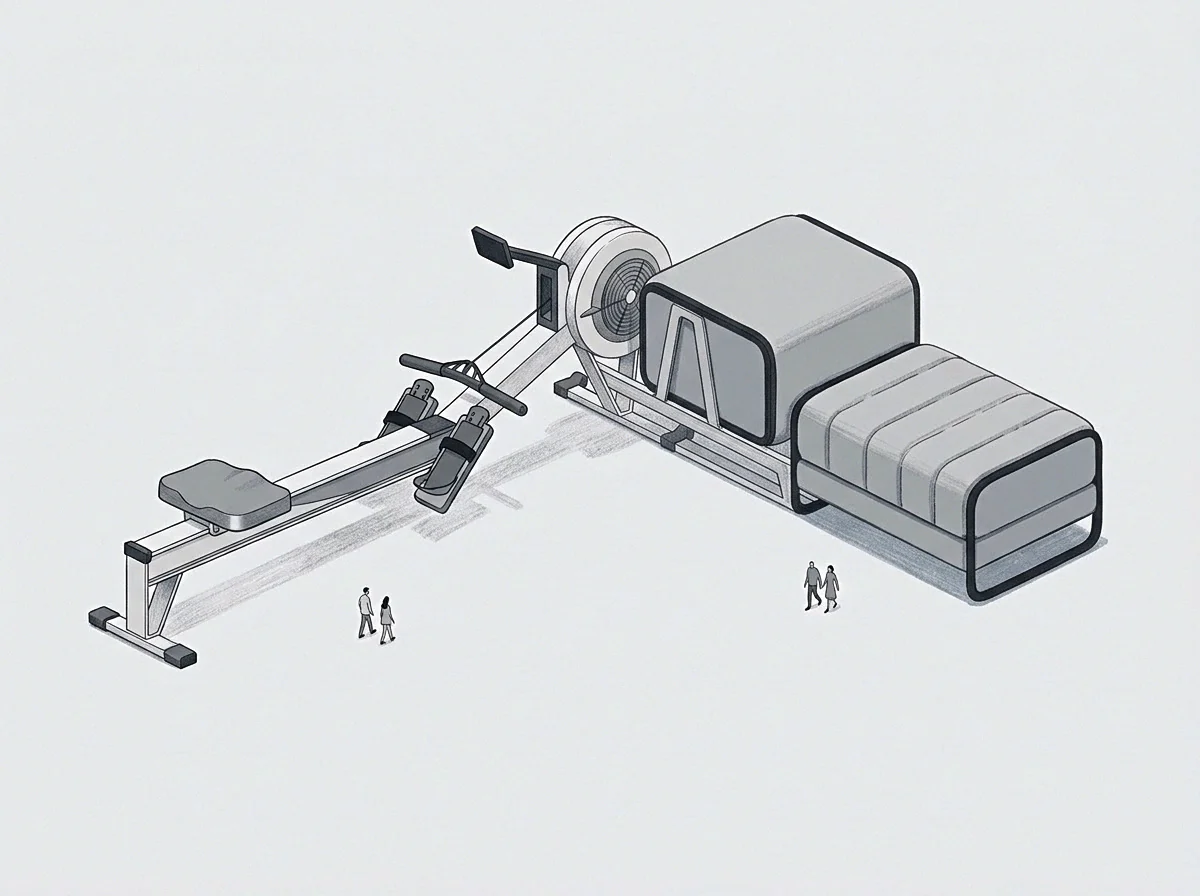
Executive throughput bottlenecks occur when centralized clearance rights outpace processing capacity, requiring explicit state gated delegation thresholds.
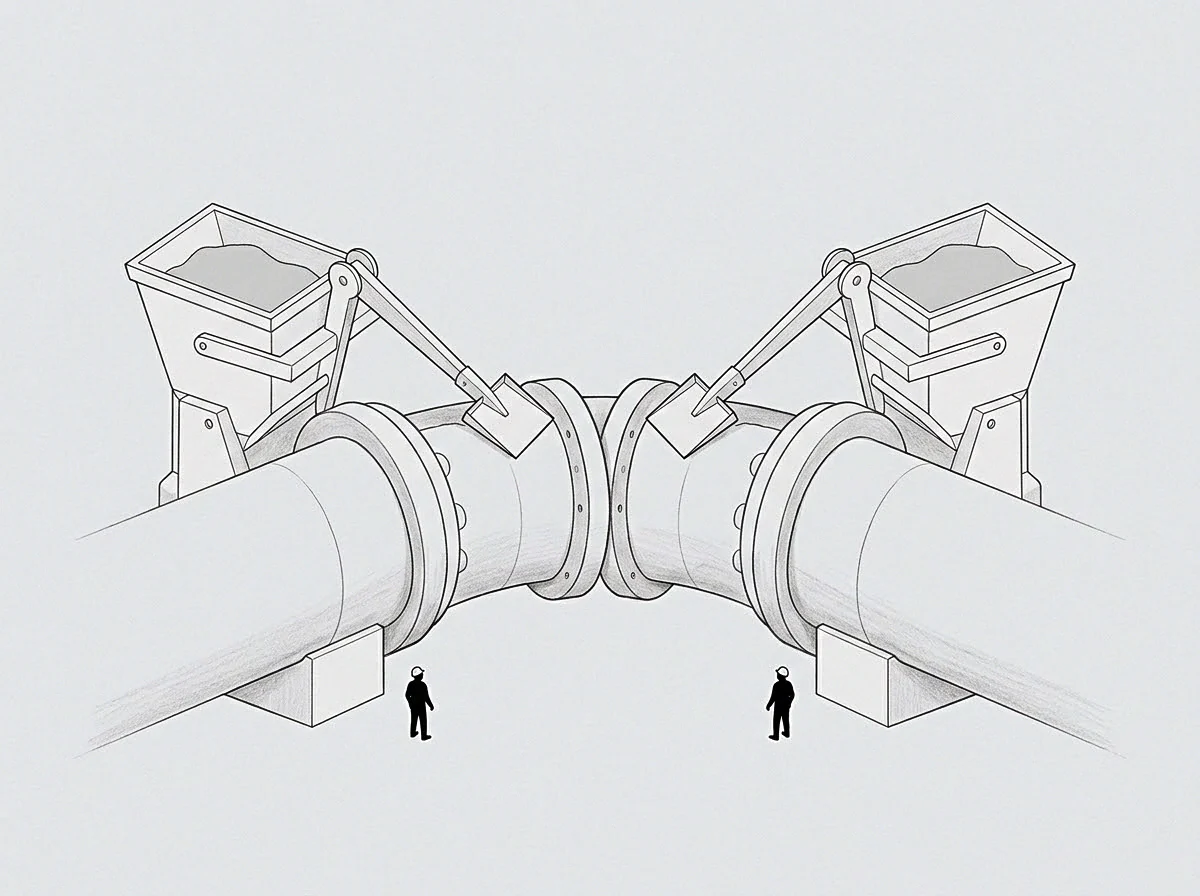
Transitioning from unilateral buffering to distributed accountability requires hard governance latches that force local teams to absorb operational variance directly.
The terms are written where they belong. Each field holds three desks, and every entry a desk writes raises the terms it uses, each term given a meaning, a mechanism and the places it appears. The record on these pages stays first person and hand made; the fields grow the nomenclature.