
Designing Structural Throttling Mechanisms in Rapidly Scaling Management Systems
Structural throttling installs explicit operational boundaries, concurrency locks, and temporal buffers to prevent human collapse during rapid organizational expansion.

Wall
Rapid growth breaks management structures through unchecked volume rather than flawed intent. A person running an operational unit wakes to forty unread escalations across four platforms. The messages demand immediate adjudication on hiring allocations, vendor exceptions, pricing adjustments, and personnel friction.
Informal availability worked when the entire company sat at one table and shared context silently. That same availability operates as an open circuit when staff doubles within six months. Operational traffic flows toward whoever resolves friction fastest.
A competent operator becomes an accidental shock absorber for the entire organization, absorbing every variance until cognitive collapse halts throughput.
Load moves toward perceived responsiveness. When an administrative tier senses that an executive answers questions at midnight, the organization stops solving ambiguities locally. The management layer transfers the physiological burden of decision-making upward.
Stress physiology designates this cumulative toll as allostatic load, the neuroendocrine cost of maintaining stability through continuous adaptation. Without mechanical boundaries, operational intake grows exponentially while human biological settlement capacity remains strictly linear. The system eventually stalls, yielding missed deadlines, erratic executive decisions, and exhaustion misidentified as personal weakness.
A load-transferring structure accelerates intake until it encounters a boundary independent of individual endurance.
Protection requires establishing a physical or procedural barrier between the operator and incoming operational strain. A stated limit serves as a structural partition. It replaces informal discretion with hard rules governing intake.
The barrier deflects low-severity decisions back to originators before they touch executive attention. The team quickly discovers where the boundary holds and where it gives way under pressure.

Mechanics of Operational Saturation
Unthrottled operational intake generates predictable pathologies in administrative performance. As incoming requests outpace processing bandwidth, switching costs consume available cognitive headroom. An operator switching between strategic allocation and micro-approvals thirty times an hour experiences severe fragmentation.
Every interruption forces a complete mental re-indexing of contextual parameters.
The resulting operational decay follows a standard degradation pathway:
- Unbounded queueing degrades processing speed as backlog volume distracts operators from executing active transactions.
- Context erosion forces hasty approvals because complex backgrounds get lost across sprawling, fragmented conversation threads.
- Executive bypass occurs when autonomous leads stop taking initiative and instead route routine operational friction upward.
Direct exposure to raw operational demand destroys administrative efficiency. Without a formal barrier, the executive layer deteriorates into an unreliable bottleneck that starves downstream operations of timely clarity.

Baffle
Absorbing shock requires mechanical deflection rather than personal stoicism. Industrial piping uses internal baffles to break fluid velocity, dissipate kinetic energy, and prevent pipe rupture. Organizational design demands identical components.
A management system requires concrete administrative baffles that intercept, parse, and slow escalations before they strike central decision-makers. Baffles enforce friction on inbound demands, filtering frivolous interruptions while preserving high-urgency pathways.
A functional baffle decouples receipt from evaluation. Incoming requests land in asynchronous staging environments rather than personal messaging channels. Dedicated intake forms, automated triage tiers, and designated routing deputies hold incoming demands.
They evaluate the completeness of each request against explicit standard operating requirements. An escalation lacking a defined monetary impact, two proposed options, and local manager endorsement gets rejected automatically at the perimeter.
A structural boundary holds only when administrative friction turns unverified escalations back to their point of origin.
Friction alters organizational habits. When sending an escalation requires completing a rigorous intake dossier, peripheral teams reconsider the necessity of their requests. Many problems resolve locally when forced through a formal evaluation rubric.
The baffle forces decentralized resolution by raising the mechanical effort required to delegate upward. It preserves executive bandwidth for complex institutional deadlocks.

Escalation Filtering and Boundary Enforcement
Management teams frequently debate whether structural filtering slows organizational agility. Opponents argue that formal intake protocols introduce bureaucratic drag during periods of critical expansion. Proponents demonstrate that unmitigated interrupt traffic destroys deep operational execution.
Structured interfaces separate noise from operational signals.
| Structural Variable | Direct Adjudication | Baffled Intake |
|---|---|---|
| Intake Routing | Real-time chat and direct messages | Asynchronous parameterized ticketing repository |
| Interrupt Frequency | Continuous across operating hours | Discrete processing batches twice daily |
| Context Requirement | Ad hoc verbal elaboration | Standardized written briefing documents |
| Local Resolution Rate | Below fifteen percent | Exceeds sixty-five percent |
| Operator Cognitive Reserve | Rapid depletion under burst conditions | Sustained predictable capacity headroom |
A baffle changes interpersonal expectations across functional departments. Team leads who previously relied on immediate personal interventions must adapt to standardized administrative interfaces.
We needed an immediate exception approved for that client, but the system forced us to write an options memo that solved the problem internally before anyone read it.

Clock
Time functions as an absolute structural governor. Spatial filtering alone cannot prevent organizational exhaustion if operational requests demand continuous, real-time attention. Uncontrolled notification pings dismantle attention spans, rendering strategic reflection impossible.
A management system requires strict temporal rate limiting, enforcing discrete operational windows where transactions settle in batches rather than continuous streams.
Biological rhythms mirror this mechanical requirement. Human attention relies on state stability to calculate second-order trade-offs. Continuous alertness maintains high autonomic arousal, inducing physical exhaustion over sustained operational campaigns.
Enforcing rigid operational intervals creates dependable resting phases. The organization learns that executive attention opens only during predetermined schedule blocks.
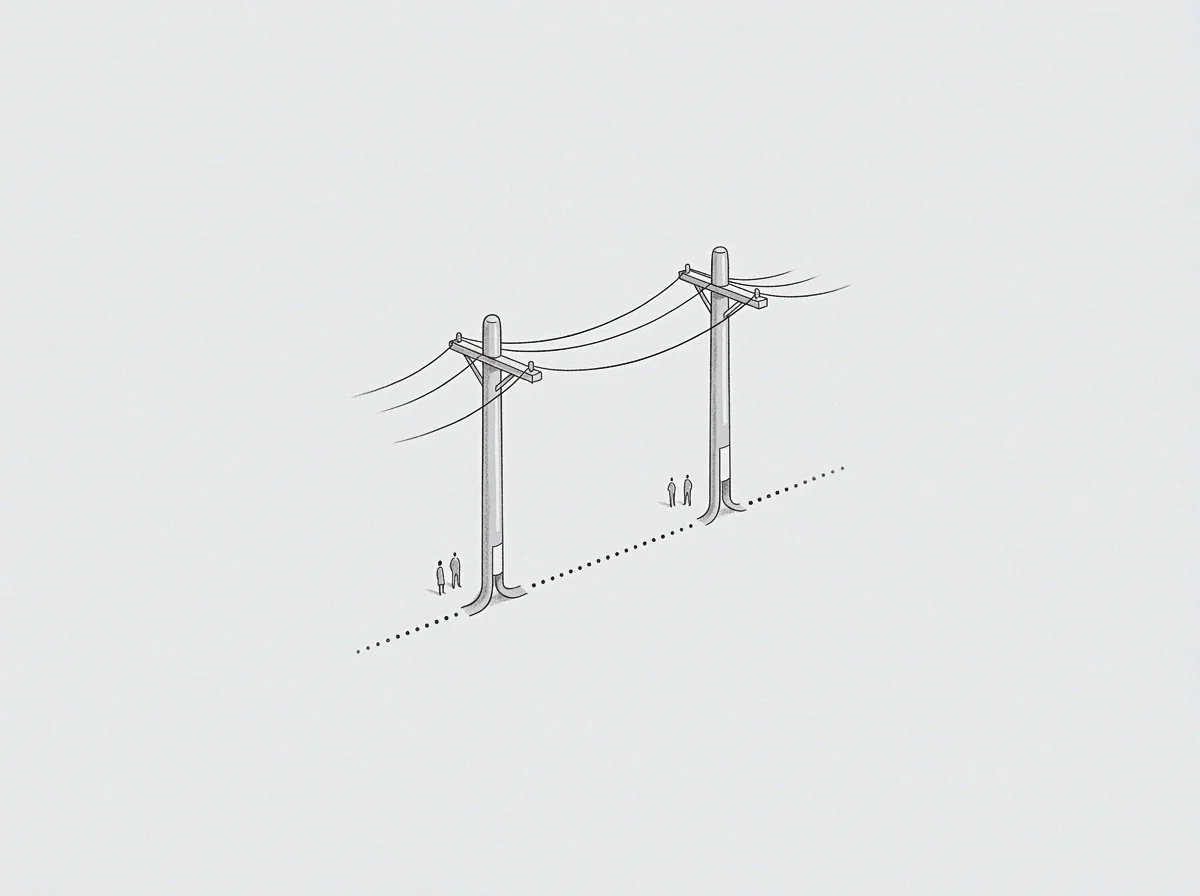
Is Headroom Sufficient To Absorb Burst Traffic?
Preserving operational capacity requires establishing strict temporal boundaries across administrative layers. When urgent crises coincide with routine operating cycles, systems lacking temporal separation inevitably sacrifice long-term planning to extinguish immediate operational fires. Buffering temporal reserves prevents systemic failure during unanticipated transaction surges.
Implementing temporal throttling operates across three formal phases:
- Batch consolidation groups disparate non-critical operational approvals into two scheduled daily evaluation intervals.
- Silence windows lock communication channels during deep focus periods, turning off push notifications for operational teams.
- Settlement latency floors deliberately enforce an administrative delay on non-critical tickets, enabling natural decentralized problem resolution.
The channel that does not generate real-time alerts reveals its secondary status instantly. Operational leads adapt their cadence to match established temporal availability. They learn to assemble comprehensive context packages before scheduled intake windows open, eliminating the erratic volatility of constant interruption.
Operational availability left undefined expands until total attention dissolves in trivia.
Batch processing aligns administrative cadence with human cognitive physiology. Evaluating twelve operational exceptions in a single dedicated thirty-minute session consumes significantly less metabolic energy than addressing twelve individual interruptions throughout an eight-hour working day. The mind settles into a uniform evaluation mode, reducing residual operational switching drag.
The rhythm of adjudication dictates the pace of institutional composure.
Lock
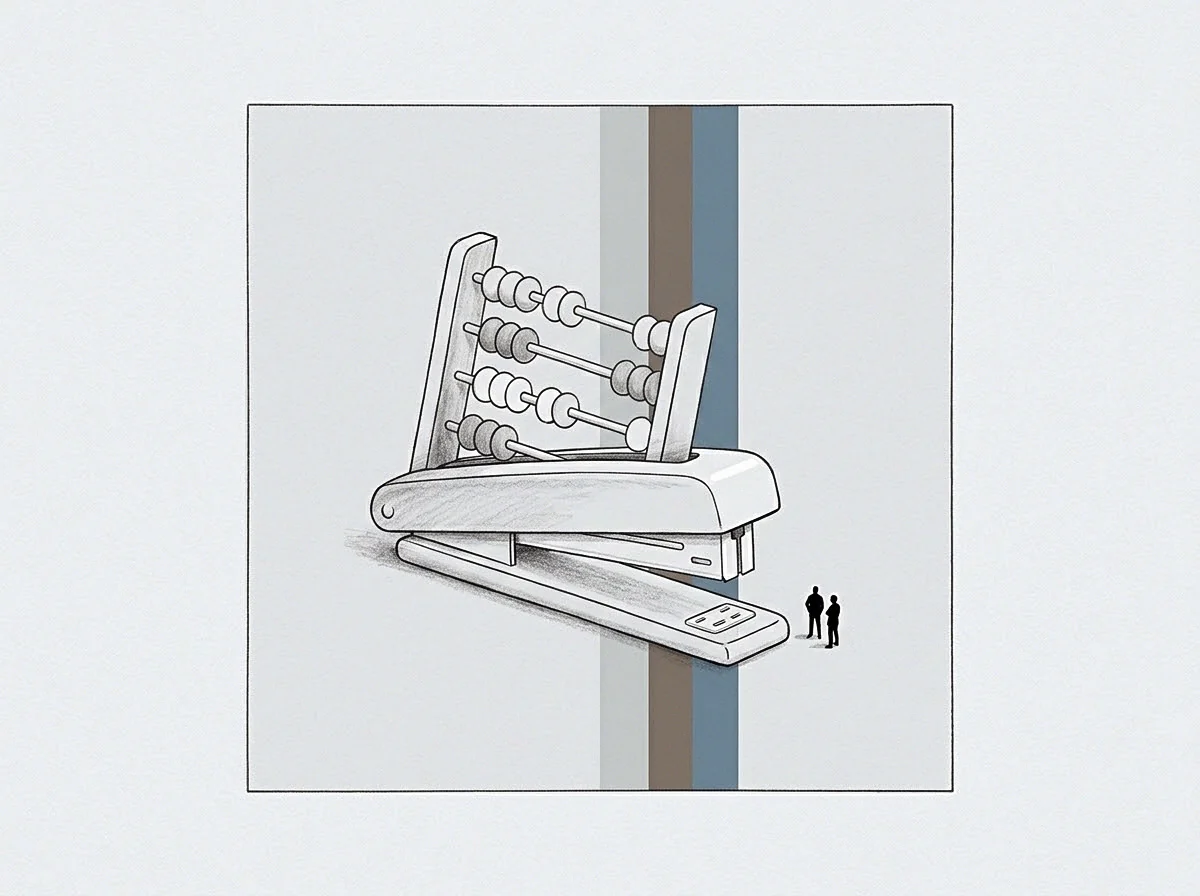
Capacity limits protect resources from sudden exhaustion. Software architecture implements concurrency limits to prevent simultaneous processes from overwhelming central database memory. Management structures require identical constraints.
A leadership group that permits fifty concurrent cross-functional initiatives invites operational stagnation, late deliveries, and widespread quality defects. Setting explicit concurrency locks caps active work streams at levels compatible with real executive bandwidth.
A concurrency lock enforces strict work-in-progress limits across the organization. If a business unit maintains a hard concurrency cap of four active company-wide priorities, admitting a fifth initiative requires formally completing, pausing, or canceling an active project. No degree of executive urgency overrides the lock.
The barrier remains mechanical and detached from emotional pleading.

Allocation Limits Under Resource Scarcity
Teams resist concurrency locks because saying no carries social friction in corporate environments. Unchecked commitments allow managers to appease stakeholders temporarily by promising focus without allocating bandwidth. This practice creates invisible bottlenecks, as stalled projects clog internal communication channels and drain management attention.
Structural locks resolve this dynamic by elevating capacity constraints to formal operating policy. The leadership group establishes that new strategic programs remain parked in an intake buffer until an active initiative clears all production milestones. Work progresses faster because focus concentrates on fewer concurrent execution threads.
A team that attempts to accelerate everything finishes nothing of institutional value.
Engineers design circuit breakers to trip before electrical wire melts under excess load. Management concurrency locks protect the human nervous system from severe structural overextension. The system rejects additional volume before stress fractures damage team cohesion or induce personal health failures.
Under this provision, any operational directive exceeding the active concurrency ceiling stalls automatically in staging until a formal closure memo releases its operational seat.
Cost
Throttling mechanisms extract real administrative costs that organizations must balance deliberately. Structural barriers can frustrate creative talent accustomed to fast, informal collaboration. High-velocity operators occasionally leave environments that replace direct executive access with structured intake procedures.
Implementing formal governance creates friction, generates paperwork overhead, and risks alienating key performers during early execution phases.
These governance overheads represent insurance premiums against catastrophic operational failure. A business that grows from twenty to two hundred employees without formal throttling mechanisms inevitably suffers sudden managerial collapse. Key personnel burn out, critical operational balls drop, and administrative errors compromise customer trust.
Accepting minor administrative drag preserves organizational longevity.
Leadership teams must choose whether to pay through deliberate structural friction or through organizational failure. Unbounded availability appears flexible in the short run, yet it invariably destroys the very leaders it relies on to function. Throttling preserves executive clarity, protects operational execution, and guarantees that growth builds institutional value rather than administrative chaos.
How much operational velocity can an expanding enterprise surrender to structural throttling before the stabilizing mechanisms themselves suffocate institutional initiative?