
Long Term Structural Capacity Preservation When Operating Under Investor Consent Rights
Structural capacity under investor consent rights is preserved by replacing ad hoc approvals with explicit contractual thresholds and budget carve-outs.

Clamp

Protective Provisions as Fixed Mechanical Obstacles
Protective provisions arrive inside the investment agreement as legal safeguards for preferred capital. The text restricts executive actions: issuing equity, taking on debt beyond a ceiling, selling intellectual property, altering board size, or approving acquisitions. An operator often treats these restrictions as interpersonal check-ins.
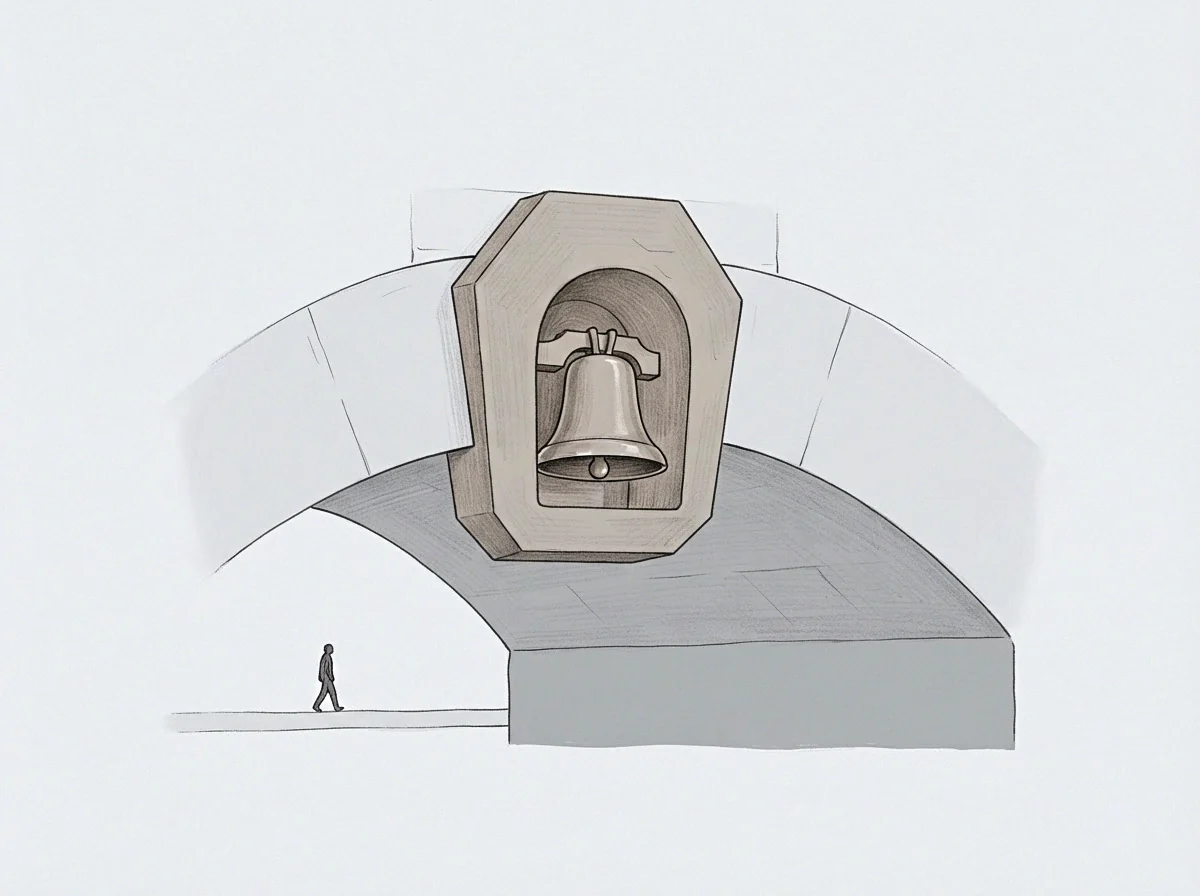
When that happens, governance becomes a continuous emotional negotiation. Consent rights act as physical clamps on operational velocity. Every uncarved restriction introduces a pause into the operational cadence, drawing attention away from execution toward external clearance.
Structural capacity preservation depends on treating these legal controls as static structural walls. A counterparty holding consent authority seeks downside risk management. That priority remains structural rather than malicious.
When an executive seeks ad hoc approvals for ordinary recurring outlays, the approval channel clogs with minor judgments. That administrative congestion burns political equity.
A protective clause functions as an unyielding boundary rather than an invitation to debate personal competence.
Each transaction crossing an investor threshold triggers documentation, legal review, and formal resolutions. When the operator runs cash allocations right against the agreed approval trigger, operational rhythm breaks down. The friction compounds through multiple serial pings across communication channels.
Executive attention disperses across the investor syndicate.
Systemic Friction Points Across Early Governance
The friction that erodes operating stamina clusters around recurring structural events:
- Indebtedness Thresholds limit short-term trade finance, requiring formal investor consent for operational credit facilities that exceed arbitrary standard triggers.
- Compensation Adjustments subject senior technical compensation decisions to investor compensation committee review, chilling fast counteroffers during hiring cycles.
- Commercial Licensing introduces legal delays on routine customer terms because an standard intellectual property carve-out remained unstated in the covenants.
Failing to establish structural buffers against these clauses converts ordinary operational cadence into an unrelenting compliance crisis.

Span

Thresholds and Carve-Out Mechanics
Preserving long-term structural capacity under investor controls depends on widening operational bands. An agreement that mandates consent on every debt instrument or lease contract consumes executive stamina. The operator preserves bandwidth by establishing cardinal monetary floors below which executive action proceeds unencumbered.
A debt covenant triggering approval at any nominal figure forces constant formal petitions. A carve-out pegged to three months of forward payroll permits the company to arrange working lines without convening an ad hoc shareholder panel.
The capacity to govern turns on where the threshold sits relative to standard operations. If the threshold intersects weekly spending runs, friction becomes chronic. Clear contractual carve-outs insulate ordinary operations from investor oversight.
Structural capacity expands when thresholds stay well above normal operational variation.
Uncarved consent thresholds convert standard management tasks into formal governance petitions.
A well-drafted schedule of exceptions changes governance interactions. The operator presents quarterly aggregate figures instead of piecemeal requests. The investor observes financial outcomes through reporting channels rather than tactical sign-offs.
That separation protects the company from strategic paralysis.
We see you asking for autonomy, but the covenant says we hold final discretion on capital commitments.

Table

Structural Governance Across Operational Modes
The table below compares relational consent management against thresholded structural governance across standard corporate operational workflows.
| Operational Domain | Relational Consent Pattern | Thresholded Governance Pattern | Executive Capacity Impact |
|---|---|---|---|
| Senior Hiring | Ad hoc discussions on candidate salaries | Approved annual compensation band with title triggers | Eliminates weekly compensation reviews |
| Capital Outlays | Individual sign-offs on capital equipment purchases | Pre-approved annual budget with variance tolerances | Restores autonomous technical purchasing |
| Debt Facilities | Investor sign-off on simple equipment lease deals | Blanket carve-out for trade debt under agreed ceilings | Removes legal review cycles for ordinary equipment |
| Contract Commitments | Subjective investor review on multi-year customer deals | Defined annual value and termination liability thresholds | Maintains sales closing momentum without administrative pauses |

Where Does Executive Discretion Meet Investor Consent?
The boundary between autonomous operational authority and investor consent depends on strict contractual definition. Operational friction drops when consent rights link to specific negative covenants rather than general corporate resolutions. When investors retain undefined oversight rights, operations halt while legal counsels exchange drafts.
Consider two companies operating under identical five-hundred-thousand-dollar expenditure limits. Company A defines the threshold around unbudgeted individual line items. Company B defines the threshold against quarterly consolidated budget variances exceeding fifteen percent.
Company A expends dozens of leadership hours seeking consent for single software vendor agreements. Company B executes software procurements without friction, seeking consent solely when overall organizational spending deviates beyond the agreed envelope.
Contractual drafting clarifies authority. The variance clause preserves management autonomy by converting transaction-by-transaction investor checks into periodic aggregate reviews.
Shield

State Against Tactical Mood in Governance
An operator managing under consent rights faces severe state-dependent cognitive load. When operational cash drops or customer renewals soften, investor appetite for approvals constricts. If the operator reads investor hesitation as personal friction, governance discussions turn defensive.
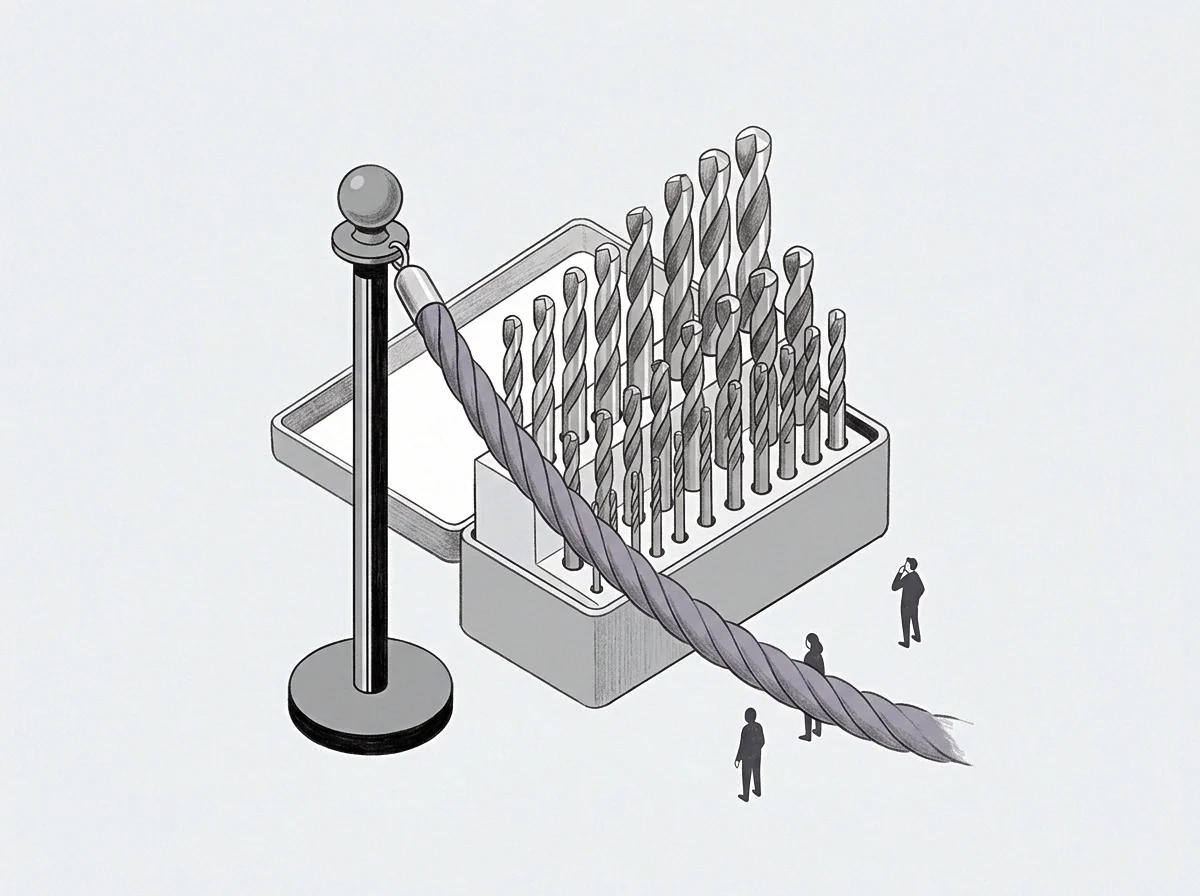
The system operator must view protective covenants as mechanical control loops. Investor responses reflect systemic risk tolerances written into fund charters.
Control theory shows that unbuffered feedback loops cause systemic instability. When every corporate act requires investor confirmation, delays escalate. The operator becomes exhausted by continuous justification routines.
That state degradation impairs long-term strategic decision-making. Preserving operational capacity demands structured communication channels that buffer internal operations from external turbulence.
Stated terms eliminate tactical anxiety by converting governance requests into objective contract compliance checks.
Stamina improves when the leadership team adopts rigid administrative boundaries:
- Pre-Cleared Annual Budgets convert dozens of transactional approval conversations into an annual board review.
- Standard Negative Covenant Carve-Outs exclude normal commercial activities from formal investor consent checklists.
- Deemed Approval Timers stipulate that an investor consent request automatically clears if no written objection arrives within ten business days.
Clear rules protect operational momentum far better than diplomatic persuasion.

Radius

Long-Term Preservation of Operational Latitude
Operating autonomy contracts when negative covenants expand into standard day-to-day decisions. Structural capacity preservation requires setting boundaries early in the financing cycle. Once rights enter an investor rights agreement, removing them during later financing rounds proves exceptionally difficult.
Investors treat existing protective covenants as structural baselines.
Preserving capacity across subsequent corporate stages involves steady performance against stated budgets. When the operating team hits projections consistently, investor reliance on tactical consent rights declines. Over time, that operational consistency justifies expanding the threshold carve-outs during subsequent equity rounds.
The leadership team uses performance records to raise debt ceilings, elevate expenditure thresholds, and lift hiring review limits.
Legal boundaries govern corporate actions. Operational stamina endures when leaders defend structured autonomy against creeping administrative entanglements. Whether future corporate charters will successfully replace individual investor vetoes with objective algorithmic financial covenants remains uncertain for emerging enterprises.