
Managing Operational Intake Load Spikes Through Stated Structural Concurrency Limits
Structural concurrency limits convert incoming intake spikes into deterministic queue delays by establishing explicit limits on simultaneously active work items.

Volley
Four internal messaging channels, two task boards, and an emergency intake queue display unread requests simultaneously on a Tuesday evening. The operator sits in the primary execution seat attempting to filter incoming demands through real-time personal judgment. Each incoming message presents a unique context, requiring the operator to evaluate urgency, business alignment, and client sentiment before deciding whether to accept the work.
By nine in the evening, twenty-two distinct operational requests have entered the intake stream, each awaiting a manual response.
An intake system operating without fixed bounds treats incoming load as an open volume. When counterparties perceive an unbounded channel, they send work at the precise rate their internal operations generate it. The receiving operator attempts to manage this volume through internal dynamic throttling, relying on personal state, emotional bandwidth, or reactive refusal to slow the influx.
Dynamic throttling fails under load spikes because evaluating whether to accept a task consumes cognitive capacity identical to executing early task setup. Load spills outward.
An operational intake channel without stated capacity bounds converts every incoming message into an immediate demand for personal evaluation.
Without an explicit structural wall, rejection becomes an ongoing interpersonal negotiation. The requester hears a temporary refusal as a reflection of current mood or transient busyness rather than an absolute systemic constraint. Consequently, counterparties re-submit requests within hours, adjusting their phrasing or escalating urgency to test whether the operator’s intake threshold has shifted.
The absence of a published structural limit leaves the regulator exposed to continuous pressure until system collapse occurs.
When intake spikes occur without stated structural limits, the operator absorbs the load through continuous context switching, depleting execution capacity long before the incoming stream subsides.

Queue
Concurrency mechanics separate incoming work into active execution slots and bounded holding pools. A stated structural concurrency limit establishes a fixed numerical ceiling on active work items. Operating under a declared maximum concurrency cap transforms intake processing from continuous personal evaluation into a deterministic state-gated entry mechanism.

Active Slot Mechanics and Holding Pools
Structural limits define the maximum number of operational tasks running in parallel at any single moment. When active execution capacity reaches its numerical cap, the intake channel automatically transitions into a queuing state. Incoming tasks do not reach the operator’s active mental field; they enter a structured holding pool where their position remains visible to the submitter.
- Active Slot Saturation: The operating system reaches its stated cap of concurrent tasks, locking new execution admissions.
- Holding Pool Retention: Incoming requests remain in a passive buffer where visibility rests with the requester.
- Deterministic Backpressure Signal: The clear wall informs upstream submitters that new work awaits processing capacity.
- Shedding Unprocessed Load: Excess requests past holding pool bounds return to the sender without human evaluation.
Capacity remains finite. Pressure meets resistance. The operational state shifts entirely when the boundary becomes an explicit architectural property rather than a daily personal decision.
Under structural limits, a task remains in the queue strictly until an active execution slot clears. The operator maintains focus on current active slots without evaluating queued items until system headroom re-opens.
A stated concurrency cap forces incoming tasks into a holding pattern whenever active slots reach maximum capacity.
The insertion of a maximum active concurrency clause of three parallel projects converts arbitrary intake pressure into a predictable work sequence.
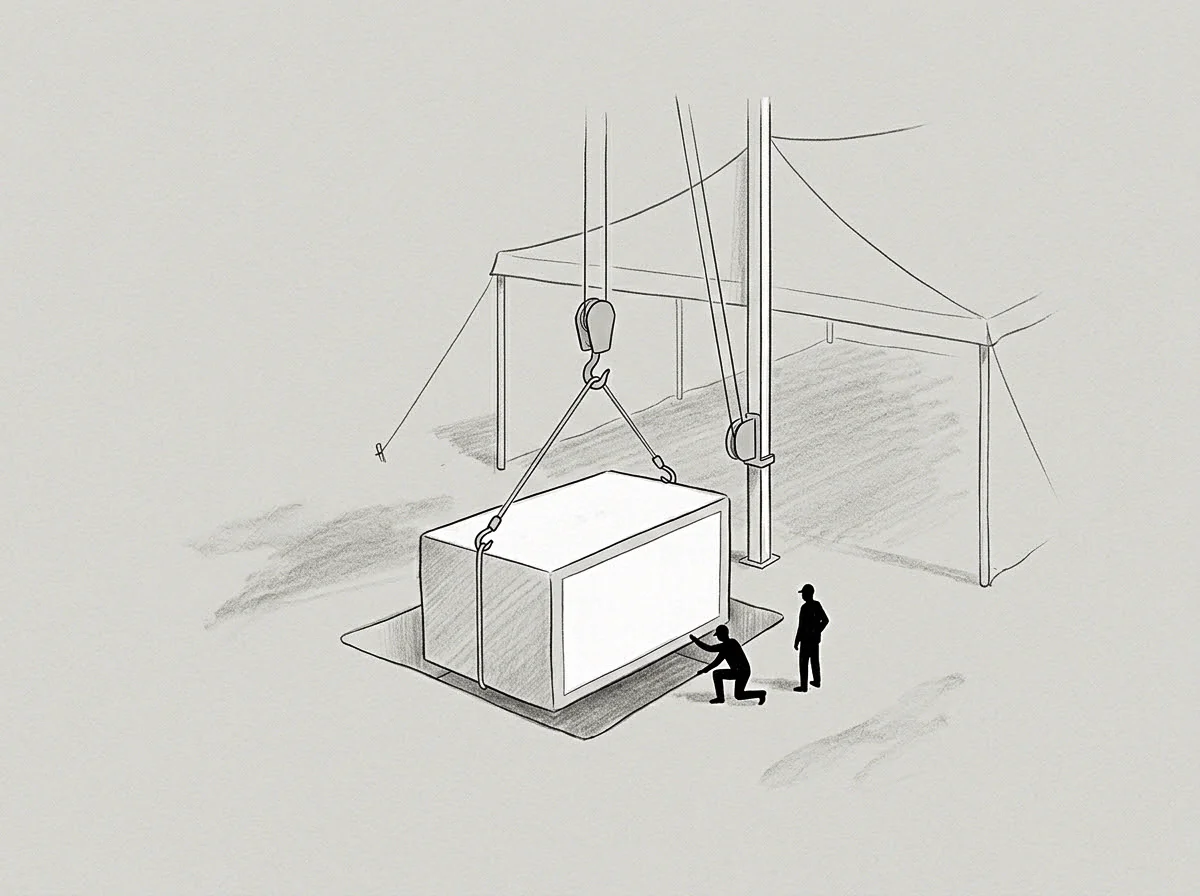
Sluice
Operational intake mechanisms determine whether incoming volume hits human attention or structural walls. Systems relying on dynamic human regulation experience severe performance degradation when intake rates exceed standard operational baselines. Establishing structural boundaries isolates execution capacity from incoming demand fluctuations.

Which Operational Boundaries Survive Intake Pressure?
Static numerical limits withstand sudden volume surges because they require zero real-time evaluation. When an intake spike hits a system governed by published concurrency caps, the incoming volume encounters a fixed structural wall. Execution halts early.
Slots fill rapidly. System boundaries hold. The system rejects or queues overflow items automatically based on predefined slot availability.
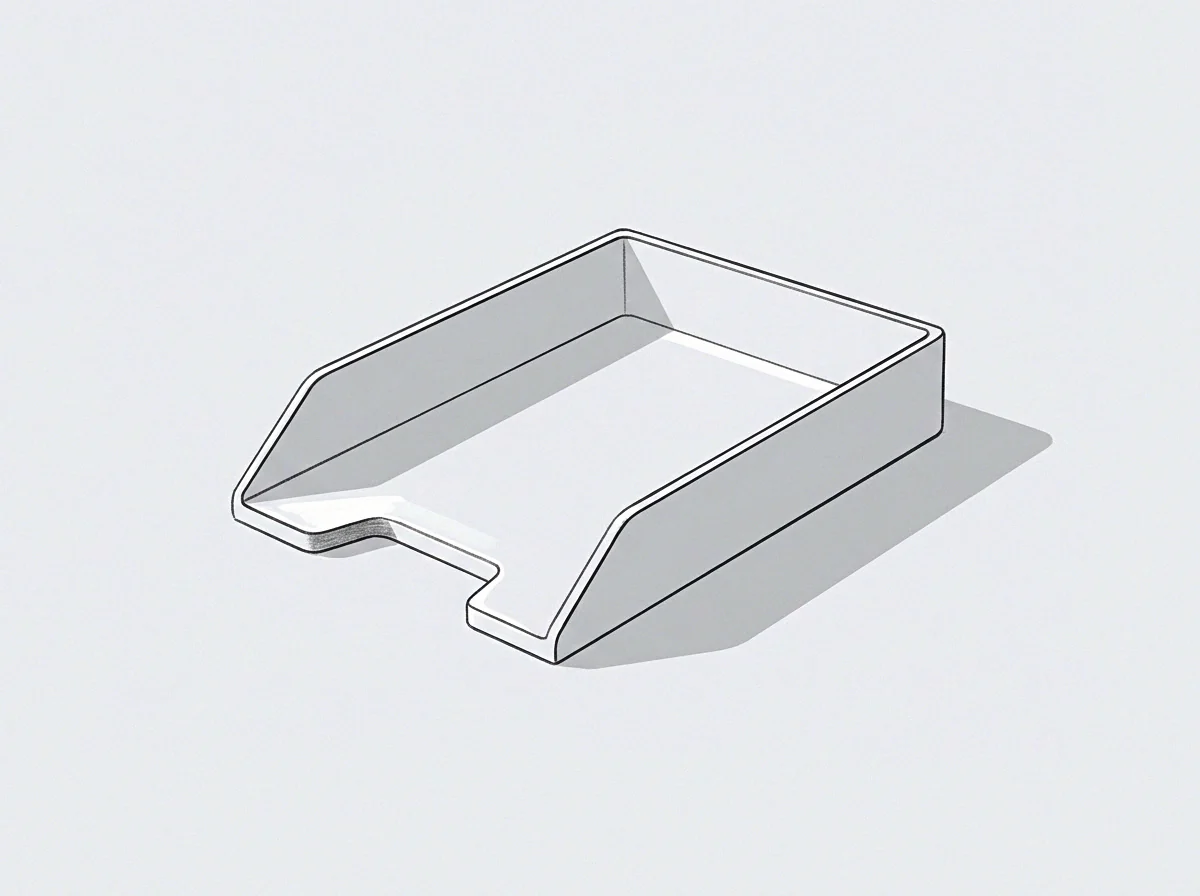
Comparing Dynamic Filtering Against Stated Hard Constraints
Evaluating control architectures reveals fundamental differences in how systems handle intake spikes. The table below compares three intake management structures across critical operational metrics under severe volume spikes.
| Control Mode | Admission Policy | Queue Visibility | System Cost Under Spike |
|---|---|---|---|
| Dynamic Human Filtering | Case-by-case cognitive review | Opaque to submitter | Exponential cognitive depletion |
| Buffer Pooling | Unbounded passive queueing | Partial queue depth visible | Delayed task latency explosion |
| Stated Concurrency Limit | Fixed active execution slots | Explicit capacity state published | Flat predictable system overhead |
The barrier remains. Priority reveals itself. The comparison demonstrates that structural concurrency limits maintain flat, predictable system overhead regardless of incoming volume height.
By contrast, dynamic filtering causes exponential cognitive costs as operators attempt to evaluate every incoming item during volume surges. Buffer pooling avoids immediate cognitive collapse but introduces unbounded latency spikes that break counterparty expectations downstream.
Publishing a fixed concurrency cap transfers the burden of task prioritization back to the requesting party.
“The request will sit in the queue until an active execution slot clears next week.”
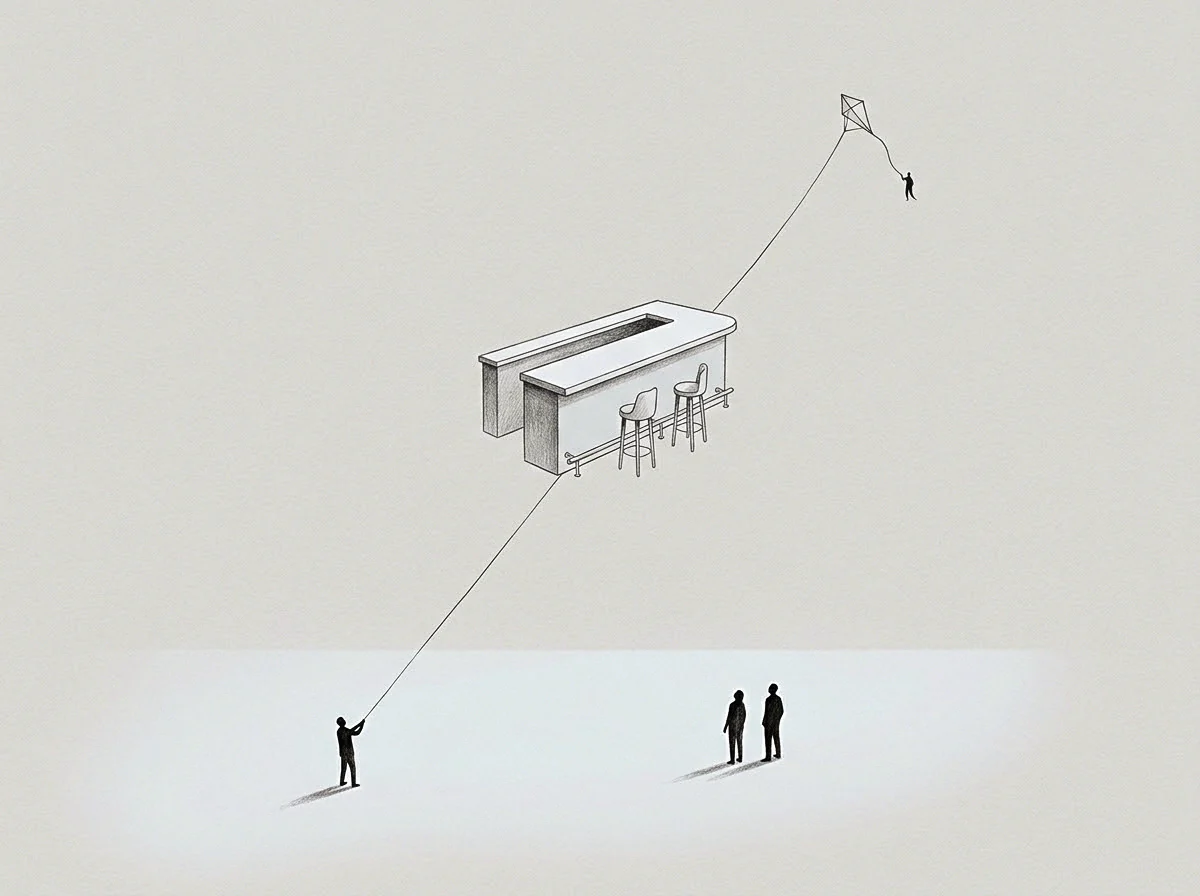
Gate
Stating operational availability as a concrete number changes how counterparties submit new tasks. When an operator declares a structural concurrency cap of two active projects, counterparties can no longer view availability as an negotiable personal disposition. Availability is derived directly from slot status.
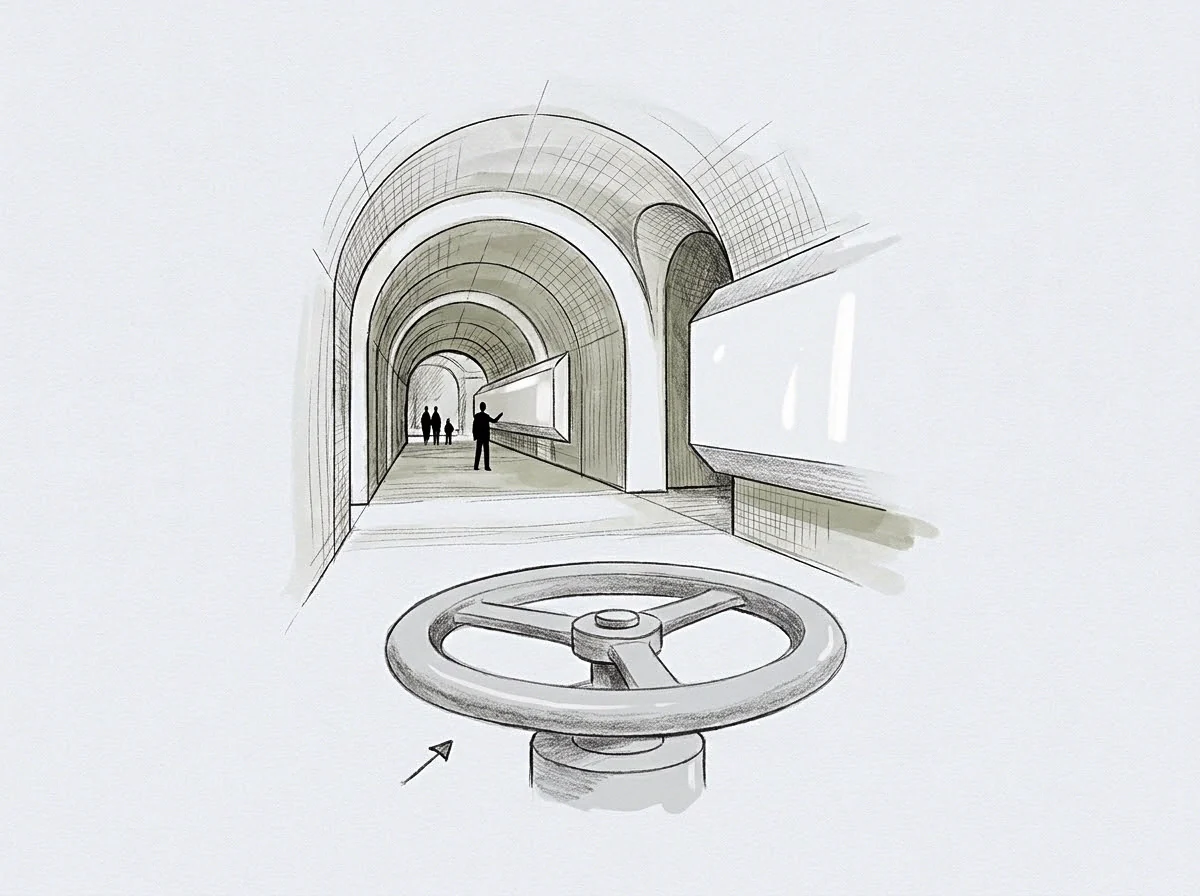
Stating Hard Capacity Bounds to Upstream Requesters
Communicating a fixed limit of two active concurrent engagements eliminates endless renegotiation. Requesters adjust speed. The cap holds.
Silence alters behavior. When the active slots are full, counterparties recognize that submitting additional high-urgency requests cannot accelerate intake without removing an existing active project. The trade-off becomes explicit to the requester.

The Silence of the Fixed Intake Slot
Channels that stop pinging during volume spikes demonstrate that counterparties have derived priority independently. When intake channels remain quiet despite high operational demand, the silence signals that counterparties have performed internal load filtering before submitting work. The stated limit acts as a passive filter operating continuously at the system perimeter.
- Continuous Interrupt Spikes: Upstream requesters issue repeated status pings when active capacity remains unstated.
- Cognitive Context Fragmentation: Operators attempt concurrent execution beyond structural thresholds, degrading output accuracy.
- Implicit Contract Inflation: Counterparties interpret rapid initial responses as an absolute commitment to unlimited volume.
- Systematic Headroom Collapse: Available emergency reserve hours dissolve under ambient intake background noise.
Unstated limits lead directly to systemic failure modes that erode operational headroom. Publishing the concurrency limit establishes clear boundaries that protect cognitive focus. The operator no longer explains or defends workload choices; the system state communicates current capacity independently.
An operational limit stated as a structural property of the system protects focus far better than personal refusal.
Clear operational caps maintain output quality during volume surges.

Conduit
Systemic load distribution relies on downstream backpressure to preserve core operational stability. When active execution capacity is locked by explicit concurrency caps, incoming pressure cannot pass into the execution layer. Backpressure shifts outward.
Operational clarity returns. The limit governs.

Downstream Load Transfer Dynamics
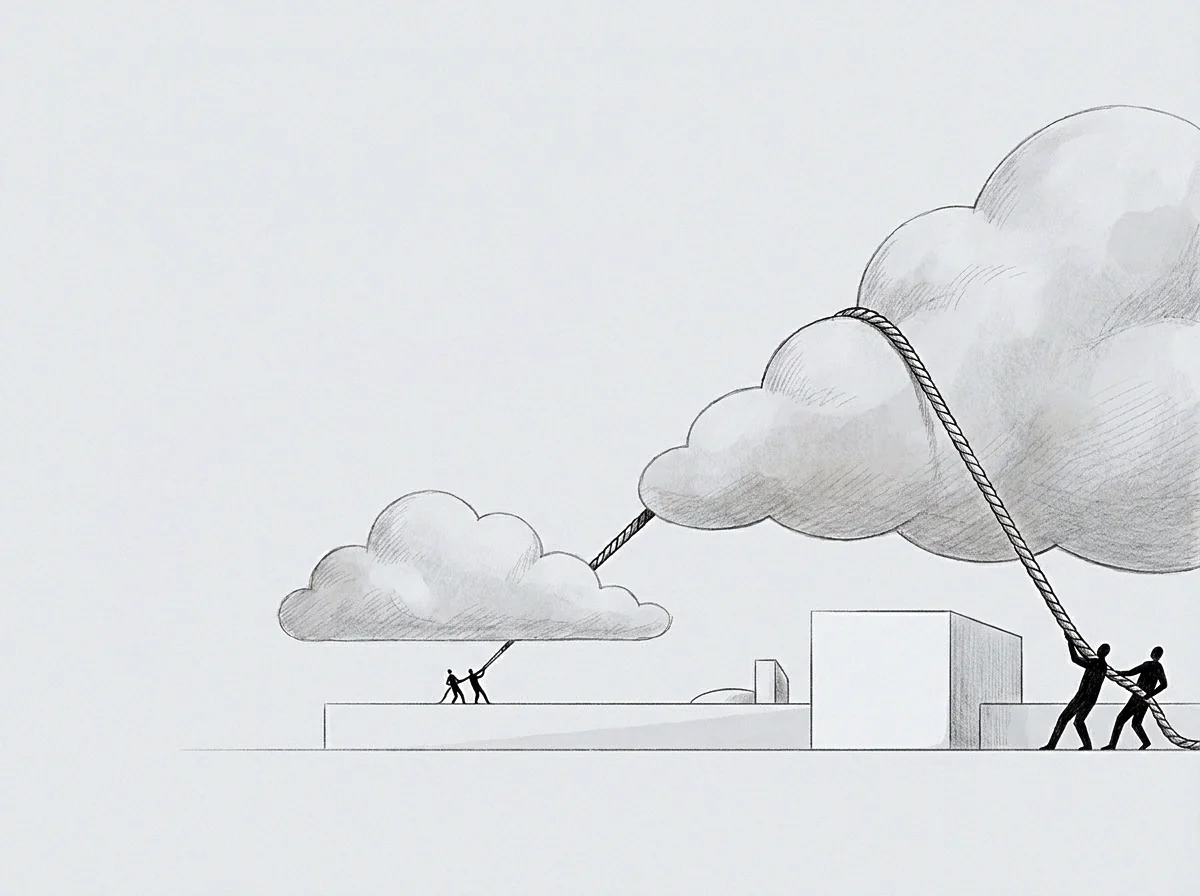
Pressure applied to a closed intake boundary forces external actors to re-evaluate task urgency. In physical water infrastructure, mechanical pressure relief valves prevent pipeline rupture by diverting overflow into dedicated bypass channels during unexpected volume surges. Operational intake channels operate on identical mechanical principles: when structural limits block incoming volume, the excess pressure transfers back to the requesting system, forcing upstream prioritization.
Structural Protection of Cognitive Headroom
Maintaining internal processing reserves ensures operational resilience during unannounced emergency intake demands. Occupational health and cognitive research demonstrates conclusively that context switching across multiple active work streams increases error rates and inflates task completion times. However, determining exact numerical limits for parallel project handling involves empirical variability, with literature indicating effective human concurrent focus caps between two and four active complex projects depending on task domain density.
Establishing stated structural concurrency limits preserves cognitive headroom by capping concurrent execution strictly at design capacity. Upstream systems adapt to the declared throughput, smoothing intake spikes into manageable execution queues without crashing the primary operating seat.
Whether organizations can sustain stated concurrency limits when external market volatility demands immediate parallel execution remains an open structural question.