
Setting Operational Limit Conditions To Protect Executive Headroom
Operational limit conditions protect executive headroom by converting implicit availability into explicit structural boundaries that halt continuous load transfer.
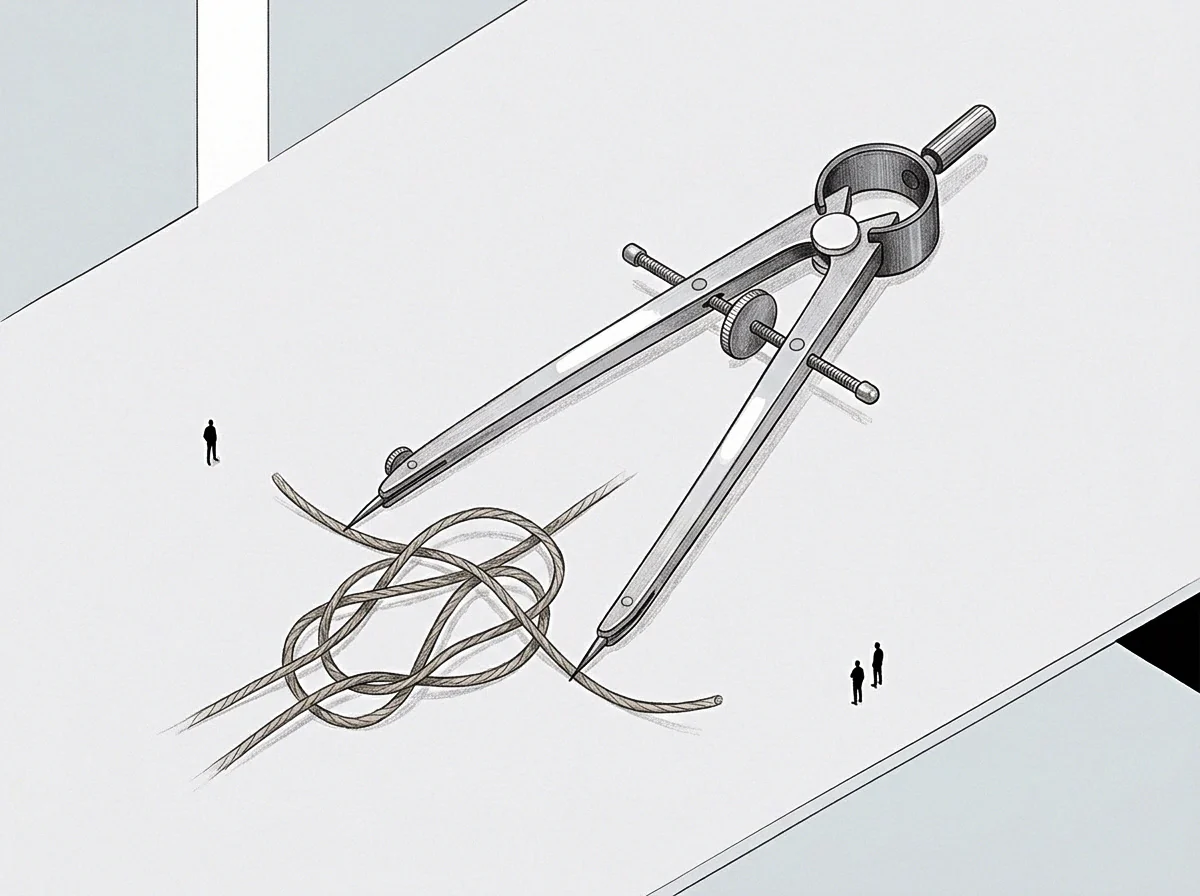
Room
Four operational streams present simultaneously on an executive interface while baseline load rests at capacity. Product deployment stalls in testing, a lead investor requests an unscheduled call, sales leadership requests pricing overrides for a trailing deal, and key infrastructure monitors flag elevated error rates. The executive sitting at the desk processes each input as an immediate call on cognitive processing.
Capacity vanishes under continuous intake. In the absence of pre-stated intake thresholds, an organization treats executive availability as infinitely expandable. Every unassigned operational anomaly migrates upward until it encounters a boundary capable of resisting its weight.
Operational baseline load represents the continuous energetic cost of holding strategic state while monitoring organizational output. When incoming signals arrive without filtering or latency, the executive seat transitions from deliberate synthesis to reactive processing. Stress physiology establishes that continuous high-vigilance states elevate allostatic load, draining the specific cognitive bandwidth required for high-order decision making.
Unstated capacity acts as open access. The systemic push of an operating business automatically fills unthrottled capacity, using the executive seat as a universal safety net for unresolved friction.
An unstated capacity limit functions within an organization as an invitation to assign pending operational friction.
Establishing operational headroom requires treating executive capacity as a finite physical resource rather than an elastic behavioral commitment. High incoming signal velocity forces short-term focus, limiting the time available to evaluate long-term systemic risks. When operational volume exceeds baseline capacity, executive decisions degrade in quality while increasing in emotional cost.
The organization reads the executive seat’s silent accommodation as capacity, ensuring that signal volume remains above sustainable thresholds. Whether an executive can restore cognitive setpoints while remaining continuously visible to the operational layer remains a matter of active inquiry.

Lock
Concurrency thresholds dictate how many open decisions an operator can evaluate before execution degradation occurs. An unthrottled executive seat operates under continuous task switching, which introduces substantial cognitive switching costs. Every unclosed operational loop demands memory resources, reducing the working headroom left for strategic synthesis.
Systems push against regulators until they encounter a firm structural boundary. When a founder or executive attempts to absorb operational variance through personal effort, the surrounding organization stops developing internal problem-solving capacity.

Concurrency Thresholds in Load Transferring Systems
Load-transferring systems in growing enterprises naturally shift complexity toward the point of least explicit resistance. If the executive seat lacks clear intake criteria, operational friction flows upward unimpeded. State-gated acts depend on physiological and cognitive capacity, rendering them impossible to execute effectively when baseline energy is depleted.
Decision-gated acts require only clear authority, yet they become bottlenecked when cognitive overload impairs analytical clarity. Protecting executive headroom requires shifting routine operational interventions from state-gated endurance to decision-gated structural rules.

Can Executive Capacity Be Recovered Without Throttling Input Streams?
Operational recovery cannot occur while intake volume exceeds processing thresholds. Throttling preserves critical processing bandwidth. Establishing firm intake locks allows the executive to isolate high-impact strategic choices from routine operational noise.
The seat defines the operational threshold. Without explicit concurrency limits, organizational demands scale until executive capacity breaks.
- Primary operational streams register as continuous noise until explicit throughput constraints exist.
- Secondary escalation paths automatically migrate toward any uncalibrated executive seat.
- Systematic throttling establishes a structural barrier that halts external friction accumulation.
An unthrottled seat invariably becomes the repository for every unassigned operational failure.

Ping
Channel activity registers priority signals across an organization with immediate structural clarity. Real-time chat platforms and continuous notification feeds create an implicit expectation of instant response latency. When an executive responds to operational pings within minutes, the organization derives that executive availability is absolute.
Availability is derived rather than announced. Silence converts potential requests into posture. A channel that remains continuously silent regarding low-priority operational updates forces lower-level managers to resolve issues independently.

Silence as Position in Signal Mechanics
Silence establishes an operational boundary that communicates capacity constraints without requiring repeated negotiation. Position establishes the working baseline. When an executive seat establishes predictable latency on secondary communication channels, incoming message volume declines as teams adjust to asynchronous execution.
Load transfers toward the quietest regulator. By establishing deliberate response delays, the executive seat forces operational issues to settle at lower organizational tiers before reaching the strategic level.
Executive headroom drops whenever response latency drops to zero across secondary channels.
Consider two operational models within a mid-stage enterprise managing software delivery. In the first model, the lead executive sits in all primary project channels, responding to updates within ten minutes. Operational team members routinely tag the executive for minor clarifications, effectively delegating low-level trade-offs upward.
In the second model, the executive exits real-time project channels entirely, establishing a single asynchronous intake report delivered once weekly at a fixed hour. Operational updates must pass through designated team leads who format trade-offs before escalation. Under the second model, incoming decision requests drop by two-thirds within thirty days, while team leaders establish independent resolution patterns.
Failing to restrict communication cadence forces the executive seat to absorb the full operational variance of the enterprise.

Vault
Internal state defines the mathematical transfer function that maps incoming friction to execution outputs. Executive performance relies on maintaining stable setpoints for attention, physical energy, and working memory. System setpoints override internal intentions.
When incoming load continuously exceeds capacity, physiological fatigue transforms executive decision-making from deliberate strategic synthesis into immediate risk avoidance. Mood functions as an uninformative output signal of baseline strain, whereas state dictates the physical limits of cognitive processing.

State Architecture Against Reactive Mood
Decoupling operational execution from emotional fatigue requires explicit structural constraints. Input velocity dictates decision fatigue rates. When an executive attempts to manage capacity through willpower or mood regulation alone, organizational demands systematically erode those personal limits.
Protecting executive headroom requires building structural locks around cognitive resources, ensuring that baseline processing state remains protected regardless of immediate operational volatility.

Comparative Regulation Regimes
Evaluating operational regulation modes demonstrates the stark structural differences between unconstrained availability and explicit condition-based intake.
| Evaluation Dimension | Default Implicit Availability | Conditioned Operational Throttling |
|---|---|---|
| Cognitive Allocation | Continuous reactive processing driven by real-time incoming signal volume. | Protected strategic blocks with scheduled, batched operational reviews. |
| Load Transfer Point | Operational friction automatically migrates upward to the executive seat. | Friction resolves at the operational boundary through explicit protocol. |
| Error Signal Latency | Zero-latency escalation prevents lower tier operational self-correction. | Calibrated latency forces team leaders to execute internal remediation. |
| Executive Headroom Preservation | Headroom collapses under rising intake velocity, driving decision fatigue. | Headroom remains stable due to strict throughput capping and boundary locks. |
High incoming velocity converts executive processing from deliberate synthesis to continuous reactive triage.
The operational leadership assumes complete continuous availability unless physical boundaries actively block access.
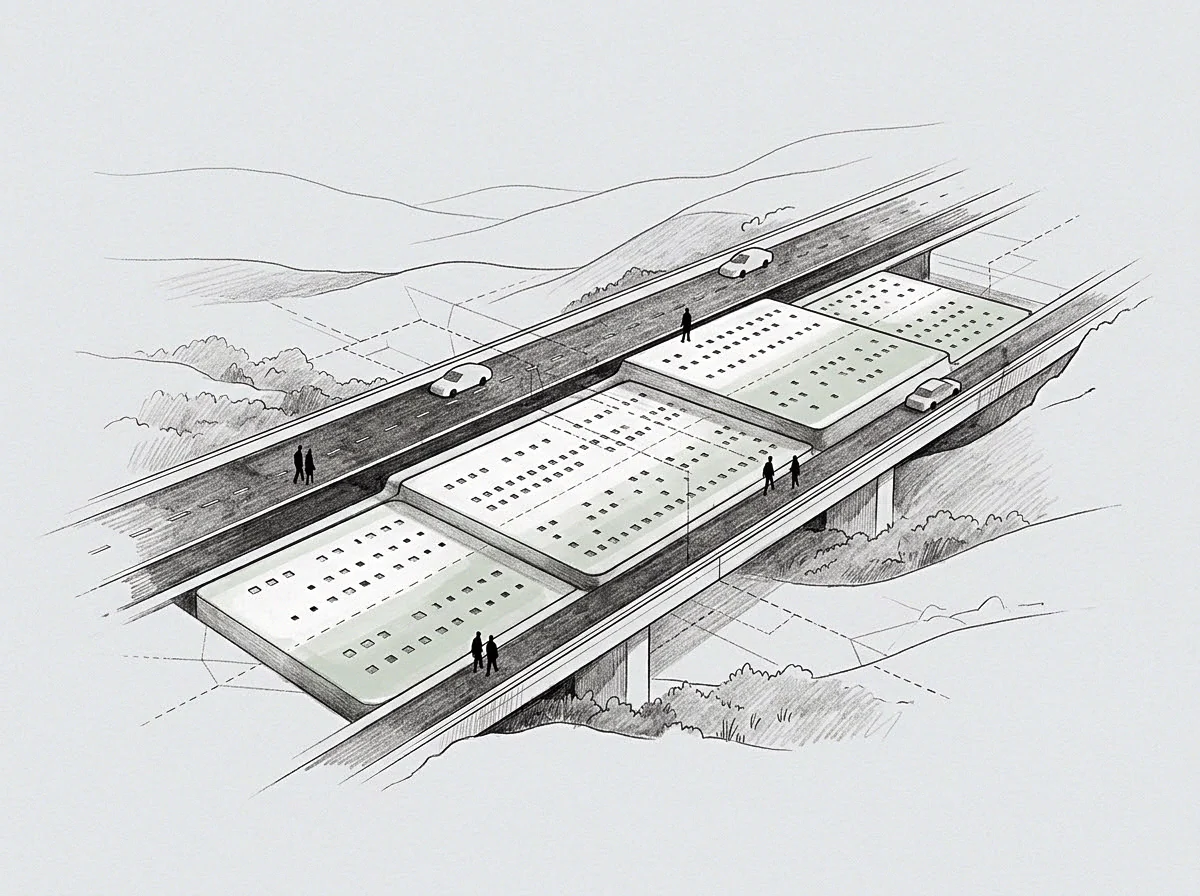
Shield
Explicit operational terms construct a wall that absorbs incoming pressure before executive energy depletes. Stated terms must function as objective rules rather than subjective personal requests. A wall absorbs incoming operational stress.
When an executive establishes clear operating conditions—such as required documentation formats for escalations, minimum financial thresholds for executive sign-off, and strict meeting-free focus windows—the organization adjusts its execution patterns to match those parameters.
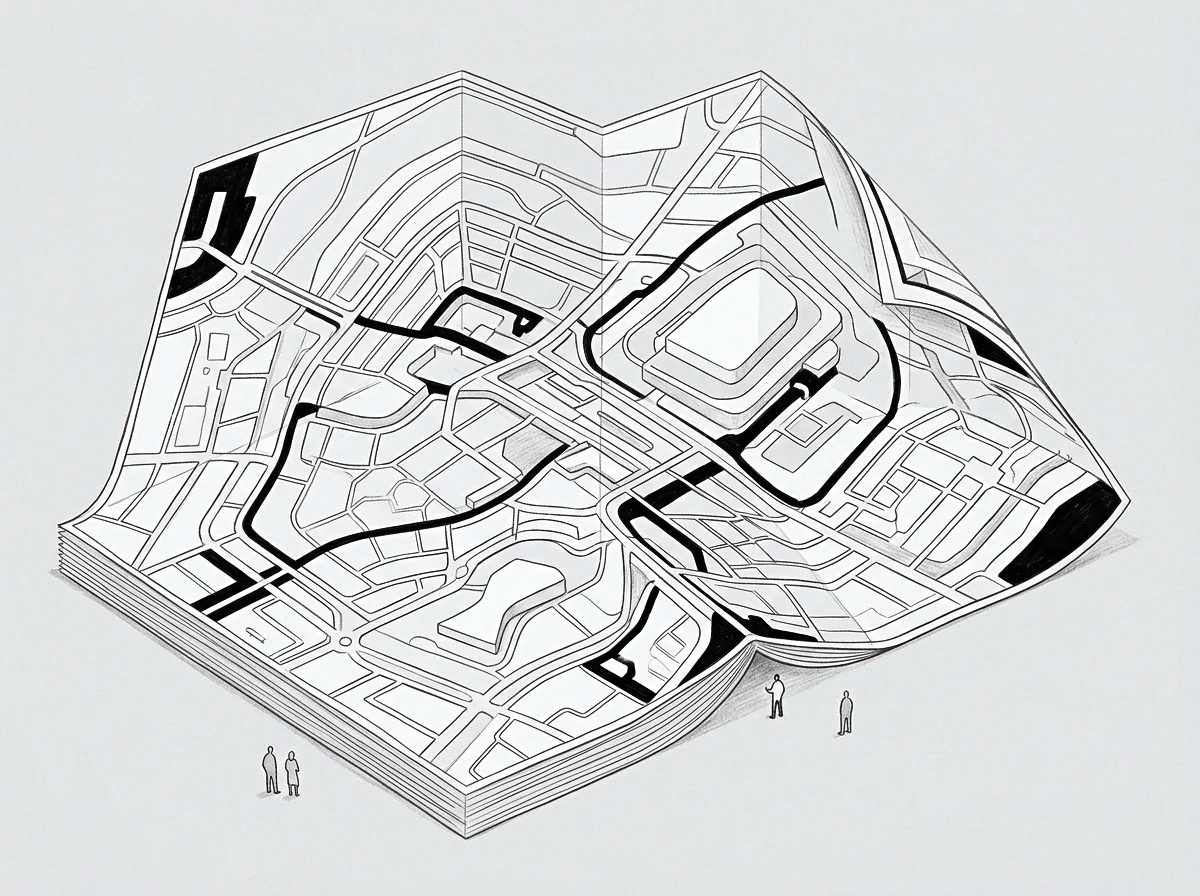
Constructing Stated Terms for Executive Headroom
Stating terms once and holding them creates a stable load-transferring environment. Explicit terms halt perpetual load shifting. When operational conditions are stated clearly, incoming escalations hit an established operational requirement rather than an executive’s personal endurance.
Throttled input protects high-order synthesis. The boundary exists as an organizational fact, forcing operational teams to prepare thorough analysis before engaging executive processing time.
Stated operational terms protect processing capacity far more effectively than internal emotional restraint.
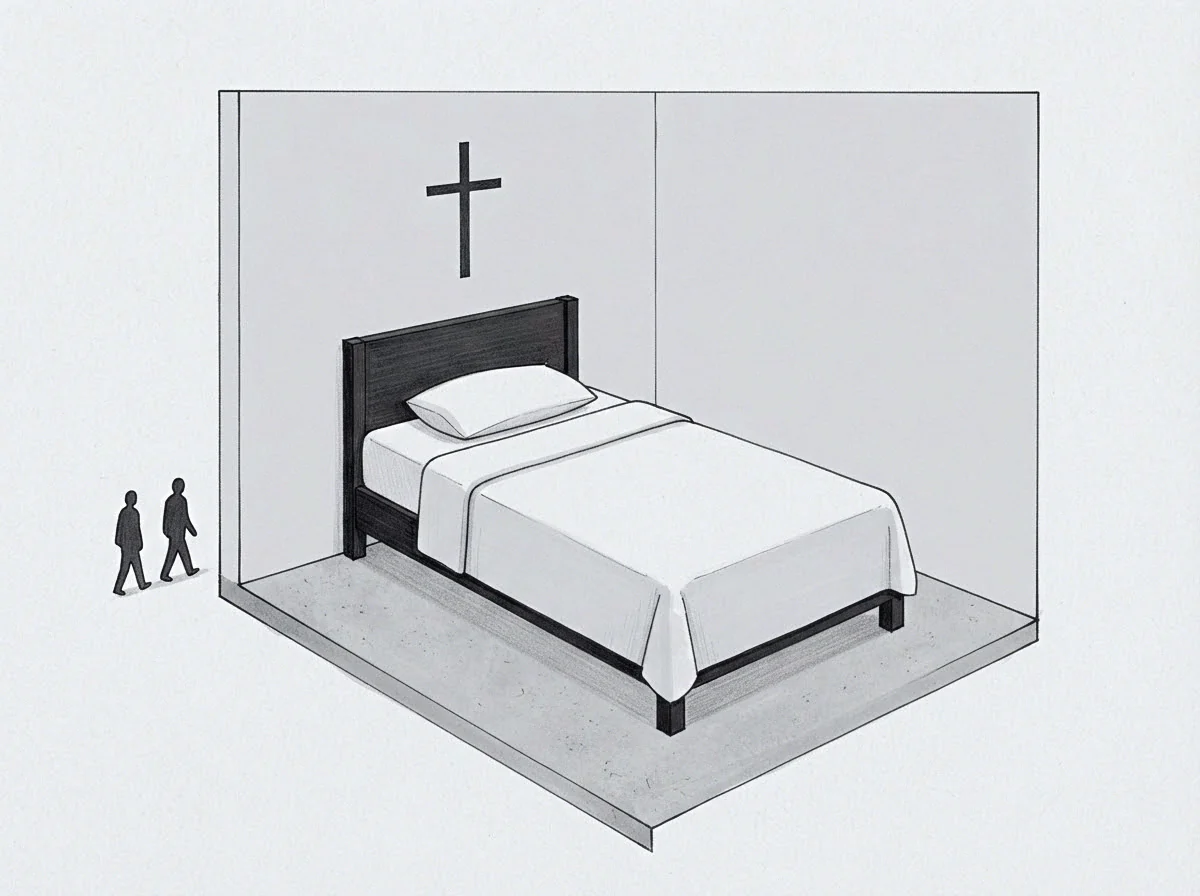
Post Push Equilibrium and Capacity Recovery
Following the introduction of firm intake conditions, an organization undergoes an initial push phase testing the permanence of those boundaries. Operational teams may test whether urgent exceptions bypass the stated rules. Maintaining structural boundaries through this period establishes a durable post-push equilibrium, permanently transferring routine friction away from the executive seat.
- Explicit Intake Windows define exact temporal frames where high-order decisions occur, excluding real-time operational noise.
- Asynchronous Escalation Protocols require operational teams to format friction into structured memos before requesting intervention.
- Hard Concurrency Limits cap active strategic initiatives at three, forcing cancellation or deferral of lower priorities.
A stated operational term restricting real-time escalation access to designated crisis thresholds shifts the burden of routine problem solving back to frontline managers.