
State Gated Decision Failure Across Depleted Leadership Teams Handling Friction
Depleted leadership teams fail at high-friction decision points because biological state exhaustion overrides cognitive capacity and forces default choices.

Signal
Four severe operational friction points land on an executive team at nine o’clock on a Tuesday evening while biological capacity sits at baseline exhaustion. A key supplier announces an immediate twelve percent margin adjustment, two senior staff members submit simultaneous resignations, a regulatory inquiry requires an emergency compliance posture, and a capital deployment deadline expires in forty-eight hours. The leadership team sits in the room, reads the incoming telemetry, and agrees on a high-level strategic pivot.
By Thursday morning, zero execution has occurred. The work orders remain unissued, the communications stay unsent, and the emergency meetings yield only repeated re-examinations of the initial problem. The team mistook an intellectual agreement for an executable output.
The decision was made, but the state required to implement it was entirely absent.
Human execution capacity operates through explicit physiological constraints. The cognitive literature separates state-gated acts from decision-gated acts. A decision-gated act requires only logical selection: given sufficient information and nominal processing capacity, the individual or group selects option A over option B. A state-gated act, by contrast, demands a minimum baseline of neurobiological headroom, metabolic energy, and regulatory stability to translate that selection into physical execution.
When allostatic load accumulates past critical setpoints, executive functioning throttles downward. The prefrontal cortex prioritizes energy conservation, defaulting behavioral output to established, low-cost operational loops. High-friction decisions almost always represent state-gated acts.
Attempting to force a high-friction pivot through a severely depleted executive team produces an immediate structural breakdown: the team repeatedly approves the direction in principle while remaining physiologically incapable of driving the friction-heavy actions that direction demands.
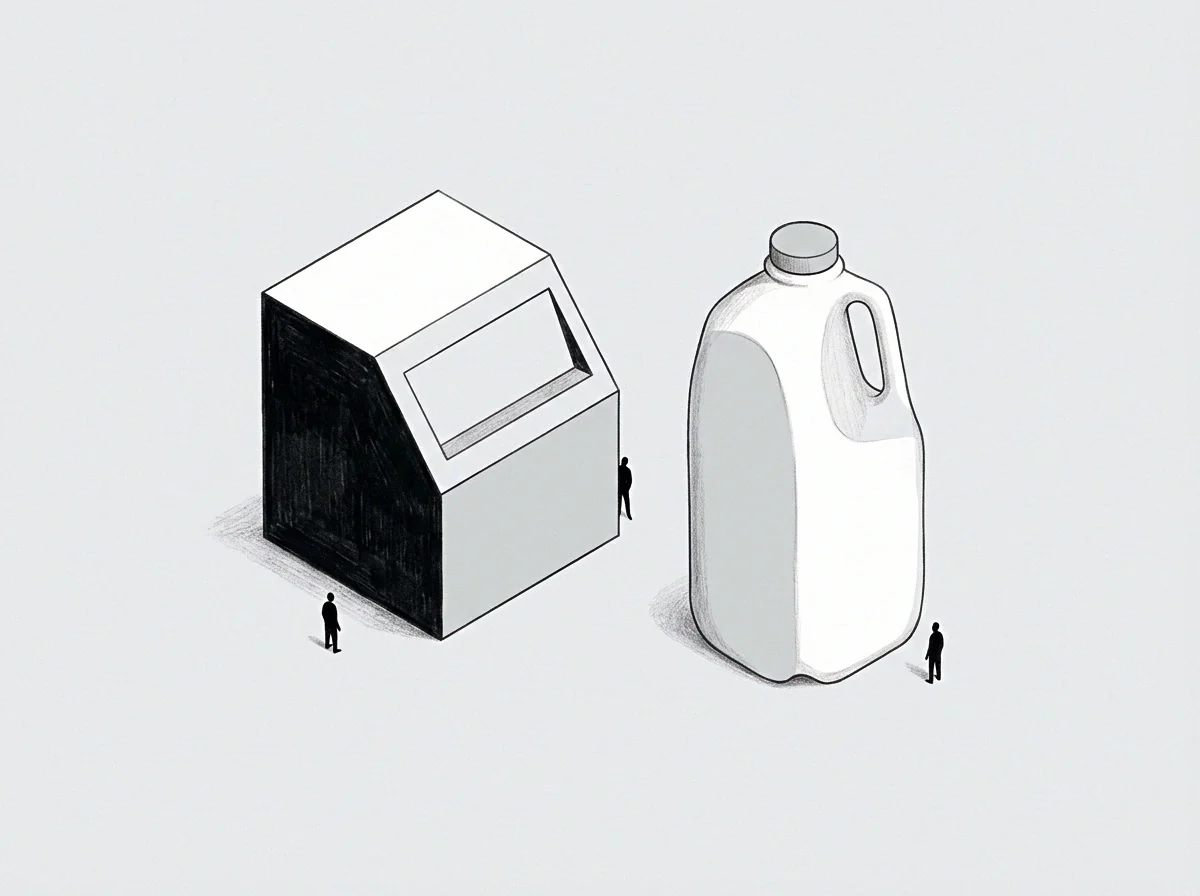
Operational Load and the Physiology of Execution
Biological reserves dictate how incoming telemetry gets processed by leadership groups under stress. When heart-rate variability drops and systemic physiological strain remains elevated over extended quarters, the brain reallocates metabolic resources away from costly temporal integration towards short-term threat management. Strategic synthesis demands multi-step working memory, inhibition of automatic responses, and the sustained tolerance of social discomfort.
These functions consume heavy glucose and require high regulatory headroom. Under acute depletion, the neural transfer function alters. Incoming friction is no longer evaluated as an operational variable to be solved; it is registered as an immediate systemic overload.
State governs execution.
Teams operating in depleted states display distinct behavioral patterns that resemble strategic misalignment but stem directly from biological exhaustion. The group experiences an internal paralysis where every high-friction initiative triggers an acute defensive posture. Rather than stating a direct refusal, the team generates secondary analytical requirements, requests further data points, or schedules additional alignment sessions.
These activities simulate operational velocity while consuming zero state-gated reserves. The system creates a protective buffer of continuous process to shield itself from the metabolic cost of direct friction.
Depleted leadership teams mistake state-gated capacity limits for deficits in strategic alignment.
A continuous accumulation of unaddressed friction creates compounding regulatory debt across executive tiers. When leadership teams operate at capacity limits for months without structural relief, their ability to absorb unexpected operational shocks drops to zero. A single added variable triggers immediate systemic failure, forcing the organization to collapse its operational horizon from quarters to hours.
In this defensive posture, long-term strategic targets are routinely sacrificed to buy short-term physiological relief for the individuals holding the seats.
The executive team approved the target on Monday but completely halted execution the moment friction appeared on Thursday.

Threshold
Biological limits set the ceiling for team performance long before strategic competence comes into question. In high-pressure operational environments, depleted leadership teams encounter a strict concurrency limit. An executive team can process only a finite number of active, high-friction operational variables simultaneously.
When incoming friction exceeds this internal threshold, the system reallocates energy by quietly dropping high-cost strategic initiatives in favor of routine operational maintenance. The drop is rarely announced; it manifests as a sudden, inexplicable loss of execution speed across critical growth vectors.

Cognitive Concurrency Limits Under Sustained Friction
Working memory capacity across a leadership group acts as a load-transferring system. When one executive seat reaches maximum allostatic load, its operational burden automatically spills onto adjacent seats through increased coordination overhead, emergency sync calls, and constant emotional coregulation. If the adjacent seats are similarly depleted, the entire leadership cluster enters a state of hyper-reactive synchronization.
The group spends its entire daily energy budget managing its own internal friction rather than resolving external operational threats.
The capacity collapses.
Stress physiology research confirms that under high allostatic load, human decision-makers experience an involuntary narrowing of cognitive scope. Search parameters contract, risk sensitivity spikes, and the capacity to consider counterfactual outcomes drops precipitously. In laboratory settings using cardiac autonomic markers, individuals operating under sustained low heart-rate variability consistently choose high-certainty, low-yield outcomes over optimal choices that require enduring temporary ambiguity or social pushback.
In corporate leadership seats, this physiological reality translates directly into degraded risk management, aborted strategic repositioning, and premature capitulation during commercial negotiations.
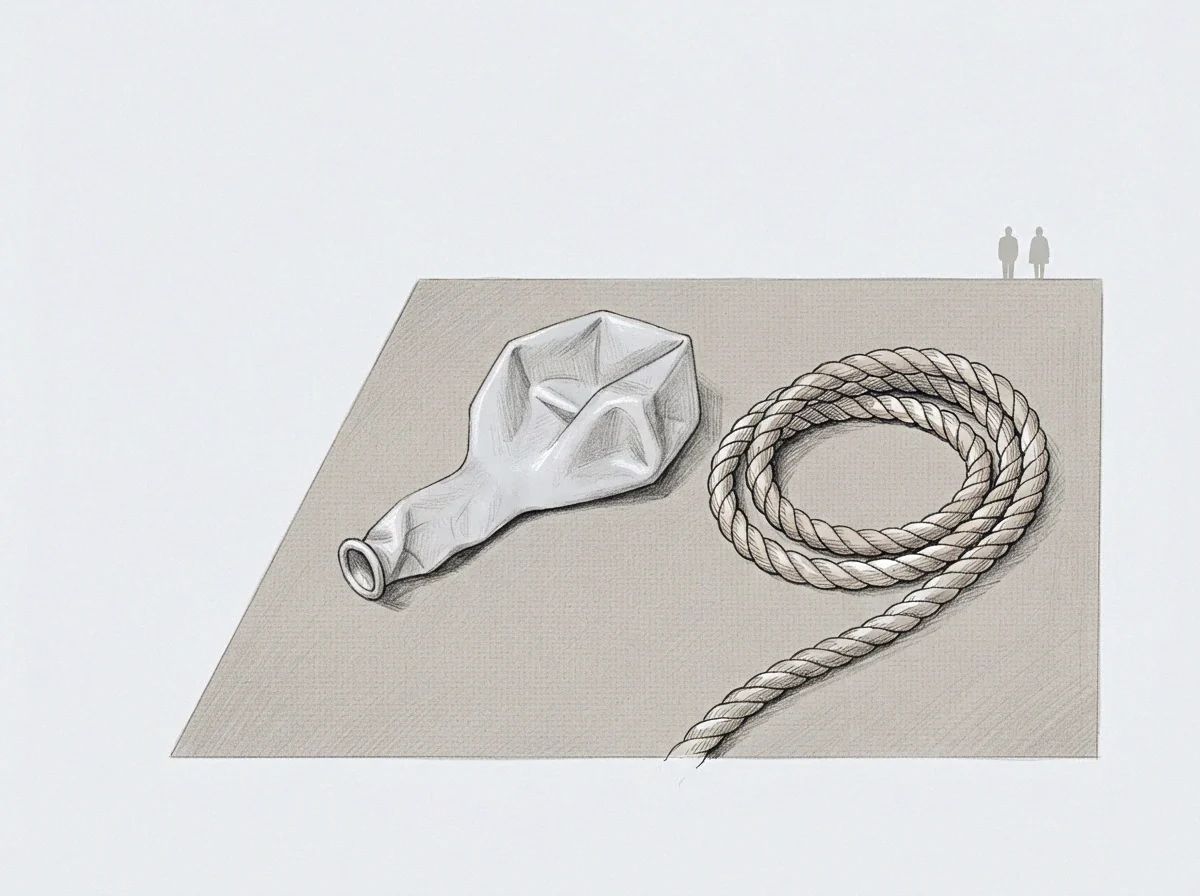
The Shift From Decision-Gated to State-Gated Action
Distinguishing between choices that require simple selection and choices that require state-gated capacity remains vital for organizational diagnosis. Decision-gated actions depend on clarity, governance structures, and authoritative authorization. State-gated actions depend on energy, regulatory stability, and baseline capacity.
Treating a state-gated breakdown as a decision-gated issue produces continuous failure: the organization issues clearer directives, updates its planning frameworks, and conducts alignment workshops, yet performance remains completely stationary.
- Automated Friction Avoidance occurs when executive capacity drops below the threshold needed to process ambiguous counter-arguments, resulting in silent deferral of necessary operational changes.
- Default Option Escalation takes over as executive teams select established operational defaults despite known structural misalignment with current strategic conditions.
- Borrowed Regulation Collapse surfaces when team members exhaust reciprocal physiological coregulation, forcing individual executive isolation under operational pressure.
Friction forces delegation.
The transition from functional processing to state-gated failure follows a predictable structural trajectory. As baseline biological capacity degrades, the leadership team first loses its capacity for proactive synthesis. Next, it loses its ability to hold hard strategic positions against external pressure.
Finally, it loses the capacity to execute basic operational shifts, locking the firm into an unalterable trajectory despite obvious environmental changes. The limit holds regardless of management intent or external equity incentives.
When leadership teams force state-gated choices during deep biological exhaustion, organizational execution regresses to low-headroom operational defaults while strategic capital burns.

Room
Physical environments and organizational arrangements reveal the precise state of executive reserves under pressure. Inside the executive suite, depleted teams demonstrate explicit physiological markers: abbreviated discussions on complex subjects, intense focus on immediate administrative tasks, and an absolute intolerance for unresolved debate. High-headroom leadership teams, by contrast, lean directly into unresolved friction, holding ambiguous operational spaces open until optimal solutions emerge.
The structural environment reflects these capacity differentials in real time.
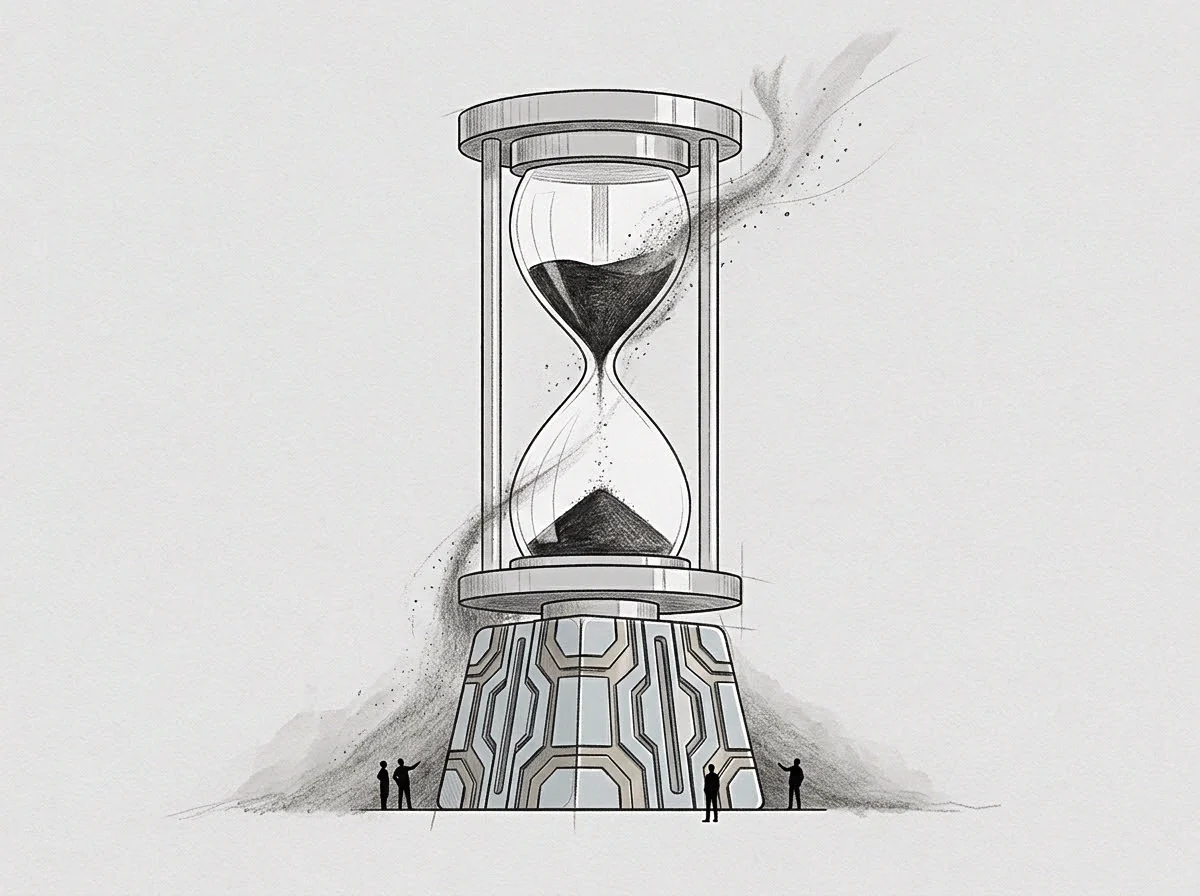
What Prevents Executive State Recovery Under High Friction?
Sustained operational pressure systematically destroys the conditions required for biological recovery. When executive schedules eliminate buffer periods between intense negotiations, the nervous system remains trapped in continuous sympathetic activation. This prolonged state prevents neural downregulation, disrupts sleep architecture, and degrades prefrontal network connectivity.
The executive team enters a chronic state where morning biological reserves are already depleted before the first operational decision arrives on the desk.
Default options take over.
Research across occupational health and cognitive neuroscience demonstrates that executive recovery requires predictable, unmonitored baseline periods where the cognitive system can process background load. When organizations implement continuous ping dynamics, emergency weekend messaging, and mandatory real-time operational availability, they guarantee the destruction of executive regulatory capacity. The firm gains illusory immediate responsiveness at the direct cost of total strategic execution capacity.
| Operational Dimension | Calibrated State Performance | Depleted State Failure Mode |
|---|---|---|
| Conflict Tolerance | Sustains direct debate to surface hidden operational risks | Forces premature consensus or quietly defers hard conversations |
| Resource Allocation | Deploys capital to high-friction, long-term strategic targets | Retreats to low-headroom incremental adjustments of existing budgets |
| Information Processing | Synthesizes complex, conflicting multi-source telemetry | Filters out ambiguous data in favor of simple comforting metrics |
| Execution Horizon | Maintains multi-quarter discipline despite daily volatility | Collapses focus to immediate twenty-four-hour task management |
Capacity sets the ceiling.
The empirical evidence supporting state-gated execution limits rests on robust biological measurements, including autonomic cardiac tracking, salivary cortisol profiling, and cognitive baseline testing across high-stress professional populations. These metrics prove that executive decision quality drops precipitously once continuous baseline stress markers cross specific quantitative boundaries. What appears to board members as sudden managerial incompetence or strategic confusion is, in virtually every documented case, the predictable mathematical output of an exhausted biological substrate operating past its sustainable limits.
When operational headroom drops to zero, high-friction decisions automatically default to path-of-least-resistance choices regardless of decision importance.
A explicit concurrency limit clause capping simultaneous strategic initiatives shifts execution timing from reactive emergency pacing to state-aligned biological capacity.
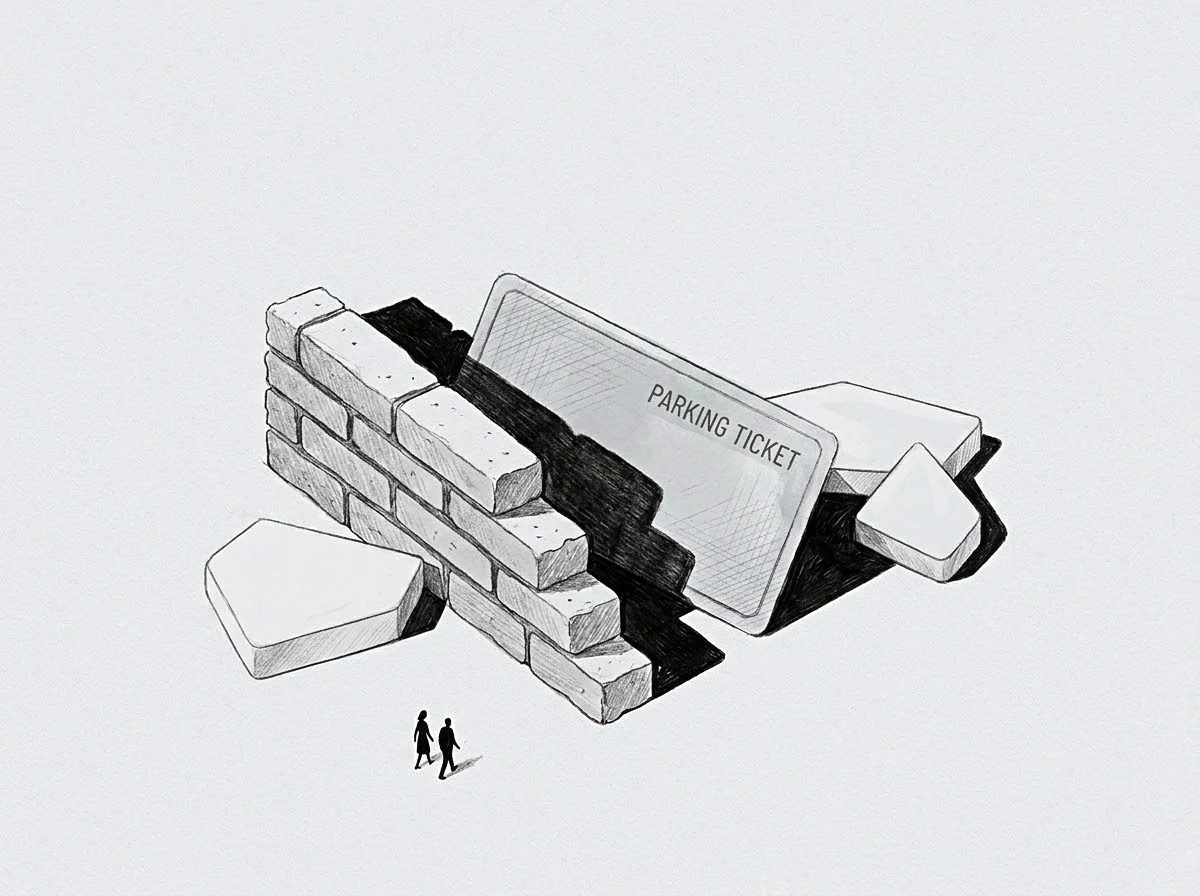
Circuit
Inter-executive channels act as a continuous biological circuit where capacity and stress circulate freely between key roles. In high-performing leadership structures, team members provide reciprocal regulatory support, absorbing emotional turbulence and offering cognitive relief during localized operational crises. This social baseline mechanism effectively lowers the metabolic cost of individual leadership seats.
However, when every seat in the executive circuit reaches full depletion simultaneously, coregulation collapses. The circuit transforms from a load-sharing structure into an amplification loop for systemic anxiety and paralysis.

Inter-Executive Co-Regulation and Borrowed Capacity
Borrowed regulation operates through continuous subtle behavioral inputs: tone of voice, posture, deliberate calm, and explicit structural clarity. When a depleted founder or chief executive enters the room carrying extreme allostatic load, their physiological state radiates through the leadership team. The nervous systems of adjacent executives register the heightened threat level, triggering defensive sympathetic responses across the entire table.
The team’s collective bandwidth drops instantaneously, not due to a change in commercial fundamentals, but due to the biological contagion of executive state exhaustion.
The signal degrades.
Look at the physical world of complex electrical grids: when continuous load on a transmission wire exceeds thermal capacity, the line sags, increases electrical resistance, and eventually triggers automatic circuit breakers to protect the physical infrastructure from catastrophic fire. Executive teams mirror this mechanical reality precisely. When continuous cognitive load exceeds physiological limits, human circuits sag into operational apathy, increase internal friction, and trigger state-gated burnouts to protect the physical brain from irreversible physiological damage.

The Channel Dynamics of Executive Ping Rates
Operational communication channels provide immediate, objective telemetry regarding team state health. As executive depletion accelerates, the character of inter-executive communication undergoes a sharp structural shift. Message frequency typically follows one of two failure paths: hyper-reactive micro-messaging or complete channel silence.
- Continuous low-value operational pinging signals acute anxiety and the loss of structural execution limits across senior roles.
- Sudden channel silence across key operational handles indicates complete biological exhaustion and state-gated execution paralysis.
- Structured, low-frequency batch updates indicate calibrated regulatory headroom and strong operational boundaries across the team.
Cost accumulates in silence.
The silence of a depleted executive channel must never be misread as operational stability or smooth agreement. When an operator stops responding to complex strategic threads while continuing to clear simple administrative approvals, the operator has reached their biological concurrency limit. The silence is a physical position.
The operator is actively protecting what little regulatory headroom remains by dropping high-friction strategic inputs off their operational radar entirely.
Unanswered friction signals across leadership channels indicate state exhaustion rather than operational agreement.
A silent executive channel always signals a depleted biological state before it signals strategic alignment.
Drain
Rebuilding execution capacity across a depleted leadership team demands direct structural interventions rather than motivational appeals or strategic realignments. When a system reaches state-gated paralysis, telling the team to work harder or re-inspiring them with company vision achieves zero operational traction. The intervention must take the form of clear, physical limits applied directly to the team’s working architecture.
The organization must statedly drop load, reduce concurrency, and create absolute recovery walls to restore the prefrontal bandwidth required for high-friction work.
Structural Intervention and Stated Execution Limits
Stating terms as structural walls shifts operational pressure off human biology and onto system architecture. A stated limit is not a personal preference, a self-care boundary, or a request for empathy; it is a clear operational parameters document defining the conditions under which execution can occur. When leadership teams explicitly state their operational concurrency limits (capping active strategic initiatives at two rather than eight), they establish an absolute physical boundary that protects biological headroom from continuous scope creep.
Load shifts to structure.
The primary move for restoring executive velocity involves an aggressive audit of active open loops. Every unexecuted decision, pending strategic realignment, and half-baked initiative drains continuous background bandwidth from the leadership team. By systematically canceling non-essential projects, freezing secondary hiring searches, and deferring non-critical governance overhauls, the firm mechanically frees up the metabolic energy required to clear primary operational friction points.
Transitioning From Personal Regulation to System Limits
Relying on personal executive willpower to overcome biological state limits is an absolute structural error. Willpower is an exhaustible, state-dependent resource; when allostatic load peaks, willpower vanishes entirely. System limits, by contrast, operate independently of human state.
They take the form of mandatory operational pauses, hard communication blackouts, strict meeting caps, and automated operational handovers that enforce recovery periods regardless of individual executive anxiety.
The channel falls silent.
Establishing hard operational walls requires clear contractual language across the executive suite. Board members, founders, and department heads must agree on quantitative capacity metrics that automatically trigger strategic pauses when breached. If leadership state markers indicate chronic depletion, the system must force an immediate freeze on new high-friction initiatives, redirecting all organizational energy toward restoring operational headroom and stabilizing core execution channels.
Establishing a firm execution floor transfers structural pressure from biological endurance to system architecture.
Whether executive teams can rebuild structural capacity while active operational friction remains above baseline setpoints stays open for empirical verification.