
Structural Limits and Boundary Adjustments in Strained Operational Seats
Operational seats collapse when personal endurance substitutes for structural boundaries, whereas explicit terms transfer load from the individual to governance architecture.
Frame
An operator sitting in a primary operational seat receives incoming demands continuously. On a Tuesday night at eleven, four separate messaging threads show active queries from partners, investors, and team leads. The operational headroom for the week expired by mid-afternoon.
Without explicit structural barriers, incoming load lands directly on the physiology of the person in the seat. The system around the seat treats continued responsiveness as baseline availability. Each answered message reinforces an implicit contract that the operator is reachable at all hours.
A seat under heavy load behaves like an unanchored structural member in a building under wind pressure. Force transfers down the line until it meets resistance. When an operational seat lacks rigid terms, the force pushes against the person holding the role rather than stopping at a defined wall.
Load moves to whatever component yields. The individual attempts to manage incoming volume through increased personal effort, treating systemic load as a temporary personal variance.
Four Open Channels at Midnight
Late evening operational escalations test the physical limits of individual capacity. When an operator processes urgent inputs past midnight, cognitive precision degrades. Setpoint errors multiply.
Structural limits represent defined operational boundaries that exist independently of individual energy levels. Without these limits, every incoming signal becomes an immediate obligation. The organization learns that pushing harder yields rapid responses, establishing a feedback loop that increases system pressure.
The distinction between personal endurance and role design determines long term operational stability. An operator who relies on personal stamina to absorb systemic stress creates a single point of failure. The seat carries load.
When capacity drops to zero, operational decisions stall entirely. Strained operational seats require clear terms that divert incoming pressure into structured governance channels rather than personal inbox queues.
Incoming operational load expands to fill every unstated structural boundary.
Failing to establish structural limits forces the operator into continuous manual regulation. The personal energy spent maintaining boundaries through ongoing negotiation reduces the cognitive capacity available for strategic decisions. Operational performance degrades while counterparty friction increases steadily.
Pressure
When an operational role lacks explicit walls, external systems push against the person holding the seat. Counterparties explore the boundary of the seat by sending pings at varying hours, observing when a response occurs. Availability is derived rather than announced.
If an operator answers a non-critical request at seven in the morning on a weekend, the counterparty registers seven in the morning as an active operational window. The counterparty does not act out of malice. The counterparty acts as a load-transferring system seeking the fastest path to resolution.
The biological cost of continuous operational regulation accumulates over time. Research in stress physiology demonstrates that allostatic load accumulates when an organism faces chronic environmental demands without sufficient recovery intervals. The neuroendocrine setpoints shift, elevating baseline cortisol and reducing cognitive flexibility.
This finding rests on biomarker tracking across chronic workplace stress cohorts, and it would be modified if longitudinal trials showed complete baseline restoration despite continuous evening operational pings. In operational seats, high allostatic load manifests as continuous exhaustion, reduced decision quality, and emotional reactivity.
Transfer Functions Under Operational Displacement
A human regulator converts incoming stress signals into behavioral outputs through an internal state function. State governs response. Mood represents an operational output that carries minimal diagnostic information about system health, whereas state determines actual execution capacity.
When state deteriorates under continuous load, decision-gated acts become impossible to perform cleanly. The operator mistakes a state-level collapse for a loss of personal discipline.
Operational seats frequently fail due to predictable structural friction points:
- State mood conflation occurs when short term emotional fatigue hides underlying systemic capacity limits.
- Continuous availability drift happens as team members interpret passive responsiveness as a permanent operational commitment.
- Regulator exhaustion surfaces when allostatic load reaches physiological ceiling without triggering systemic boundary shifts.
Social baseline theory demonstrates that proximity to reliable co-regulators lowers the neural cost of individual threat processing. The economic calculation of personal energy expenditure changes when an operator is supported by explicit organizational boundaries. This body of evidence relies on functional neuroimaging of threat responses under varied social support conditions.
The core assertion would be challenged if large-scale replications across professional, non-romantic operational dyads showed zero reduction in threat-processing expenditure when administrative guardrails were added.
A limit stated as a personal preference invites continuous negotiation, while a limit stated as an operational wall stops incoming load.
When an operator attempts to manage incoming volume by asking counterparties for patience, the counterparties hear an invitation to check back later. The counterparty says that the request is brief and requires only two minutes of attention.
Strut
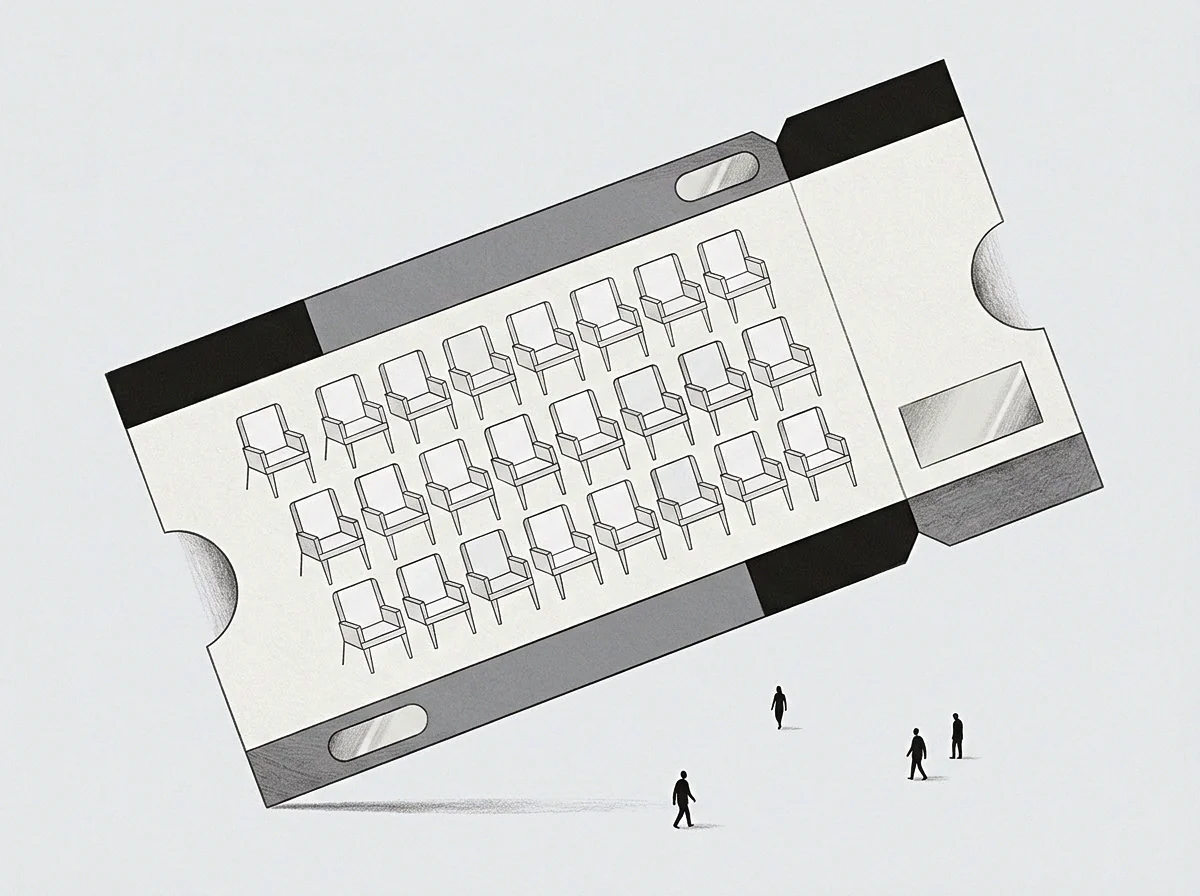
Mechanical load-bearing systems rely on rigid supports to isolate critical components from direct force. In architectural engineering, structural dampers absorb seismic energy so that main building frames avoid structural failure. Operational seats need equivalent sacrificial or rigid elements.
A stated limit operates as a rigid strut. It absorbs the shock of incoming demand by defining what the seat does not accept, protecting the operator from continuous physical displacement.
Consider an operational arrangement between two co-founders holding equal equity over three years of product build. Founder A manages technical infrastructure while Founder B handles external operations and investor relations. Inputs exceed capacity.
Without stated operational terms, Founder B routes every late-night investor query directly to Founder A, treating Founder A as an on-call emergency resource. Founder A attempts to respond to every query, viewing responsiveness as an indicator of commitment. Within twelve months, Founder A experiences severe cognitive fatigue, leading to missed architectural deadlines and internal friction.
Comparative Mechanics of Seat Isolation
Operational seats differ in how incoming demands are absorbed and distributed across organizational governance. The table below outlines the structural differences between implicit personal management and explicit term-based isolation.
| Scope of Isolation | Implicit Personal Regulation | Explicit Structural Boundary |
|---|---|---|
| Primary Load Bearer | Individual nervous system and personal time | Contractual terms, SLAs, and governance layers |
| System Response to Escalation | Pushes harder until individual capacity breaks | Routes to predefined fallback channels or delays processing |
| Failure Mode | Sudden operator burnout and executive exit | Controlled service degradation or transparent backlog |
| Headroom Recovery Velocity | Slow, requires total removal from seat | Rapid, predictable recovery within stated non-operational windows |
Re-architecting the arrangement requires converting implicit expectations into explicit structural parameters. The wall holds. Founder A introduces a written SLA specifying that technical escalations occur exclusively through a dedicated ticketing system, with zero direct messaging expected after six in the evening.
Load moves to structure. The system meets the new term, forcing Founder B to filter non-critical investor requests before escalating them.
Stating an explicit term transfers operational weight from individual stamina to contractual architecture.
State Gated Acts Versus Decision Gated Acts
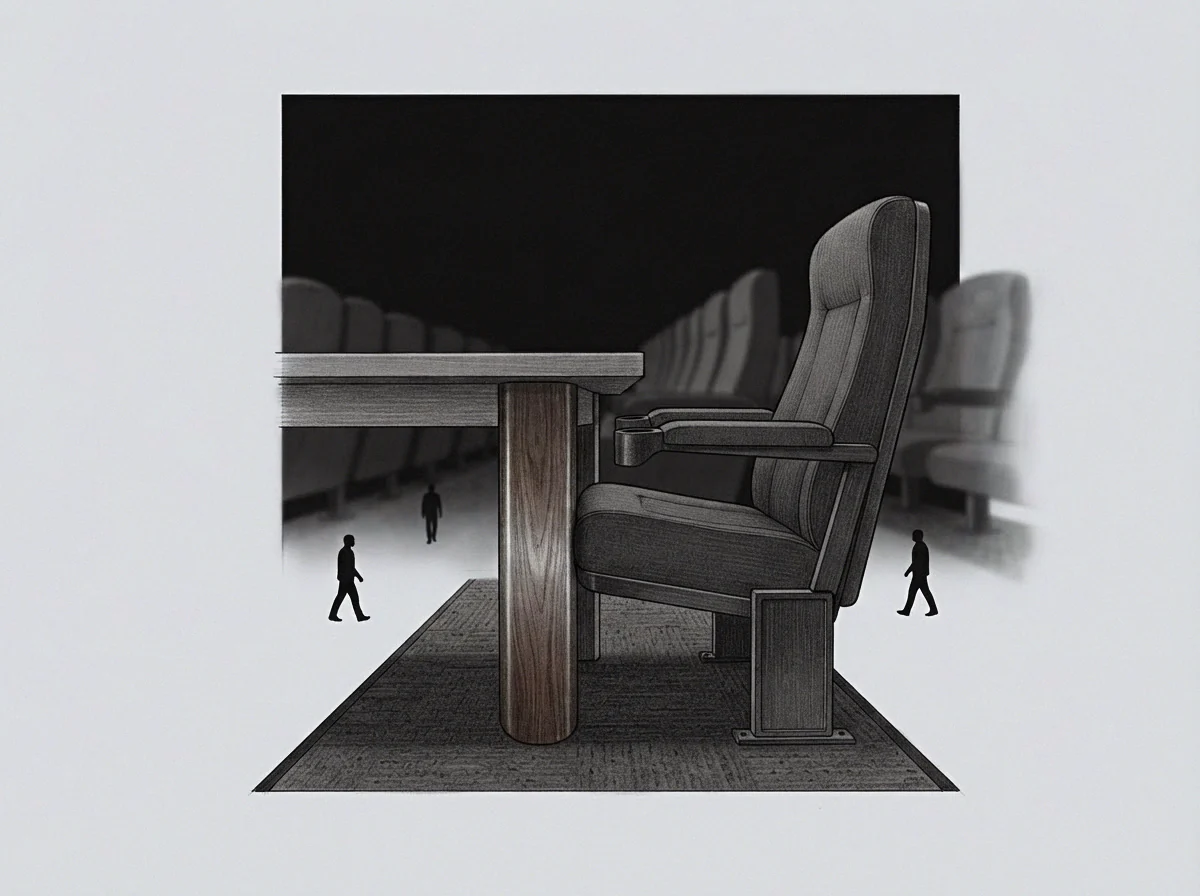
Certain executive choices depend entirely on physiological capacity rather than conscious volition. A decision-gated act can be executed whenever the operator chooses to apply focus, such as approving an operational budget or signing a commercial contract. A state-gated act can only occur when the operator possesses sufficient underlying physiological and cognitive headroom.
Deep strategic synthesis and complex conflict resolution represent state-gated acts. No amount of willpower produces a high-quality state-gated output when the operator operates under severe allostatic overload.
Transitioning an operational seat from continuous personal regulation to structural isolation follows a defined progression:
- Identify every recurring escalation point that bypasses existing governance structures.
- Draft explicit terms that define availability windows and escalation thresholds clearly.
- Publish the structural terms to all external operational counterparties.
- Enforce strict adherence by refusing unrouted incoming signals automatically.
Whether a ninety-day structural hard stop permanently resets counterparty expectations or merely delays incoming pressure remains difficult to establish definitively across all venture stages. Field observations offer conflicting signals depending on venture capitalization and market conditions. Under this uncertainty, the prudent operator establishes explicit contractual terms while systematically monitoring counterparty retention rates, accepting minor counterparty friction as the price of seat integrity.
A term stated as an absolute condition changes the negotiation from a debate over personal commitment to an evaluation of system capacity. The specific clause defining operational hours establishes a clear perimeter around the seat, altering how counterparties value the operator’s active time.
Ping
Digital communication platforms transmit priority signals regardless of receiver capacity. A ping functions as an uncalibrated load probe sent by a counterparty seeking immediate information. The ping carries zero cost for the sender and places all processing load on the recipient.
In a strained operational seat, dozens of uncalibrated pings arrive daily, creating continuous context switching. Headroom expires quickly.
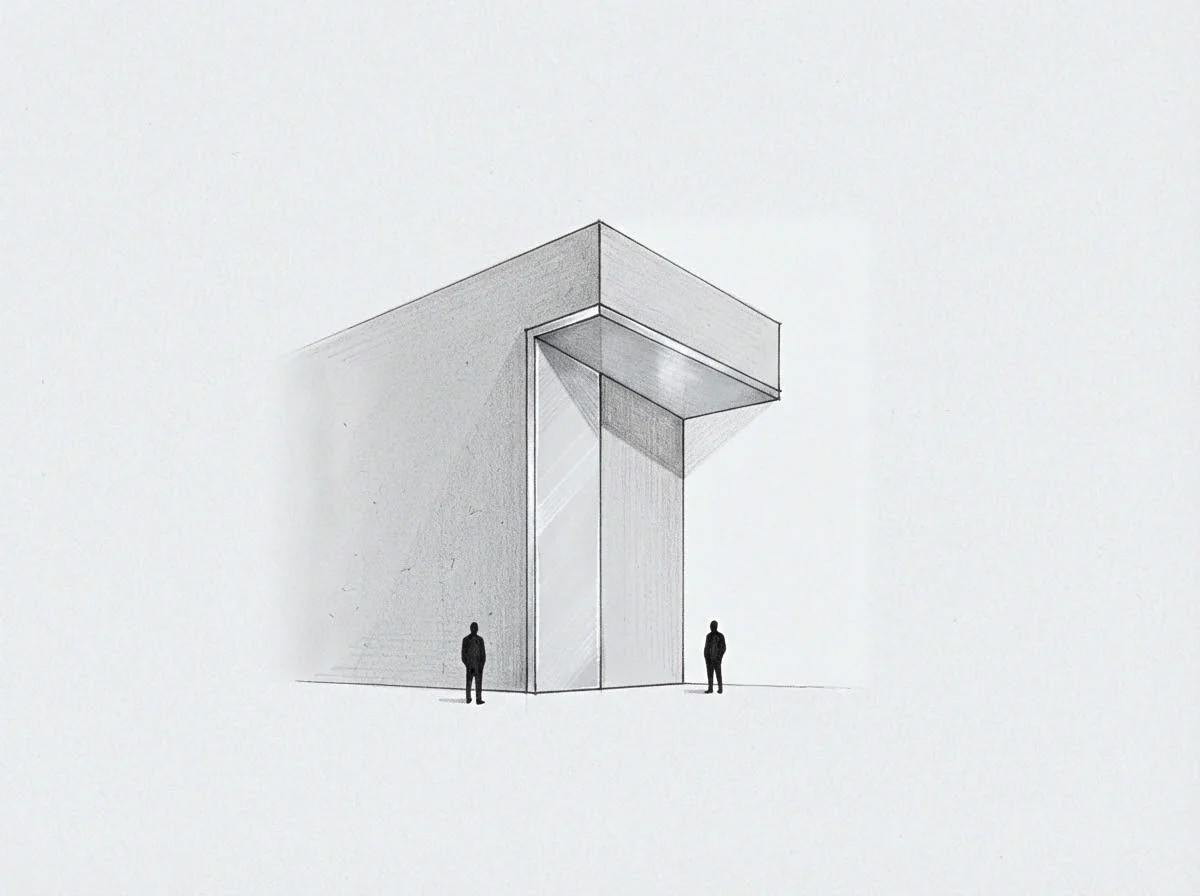
Silence acts as position. When an operator leaves a ping unanswered for four hours during a deep work window, the sender derives an operational fact. The sender learns that the channel is not a real-time chat interface.
If the operator breaks position and answers within two minutes, the sender confirms that the channel functions as an instant interruption mechanism. Availability derived through observed response latency dictates counterparty behavior far more effectively than policy documents.
When Does an Unanswered Ping Become a Derived Position?
Silence in a communication thread communicates structural boundary choices to observing counterparties. The channel that does not ping was not a priority for either side. When an operator intentionally allows a non-critical thread to sit idle for forty-eight hours, the counterparty adjusts their operational reliance on that seat.
The counterparty begins solving problems locally rather than escalating every friction point upward.
Unanswered priority signals establish clear operational boundaries only when accompanied by pre-stated contractual terms.
The operational dispute centers on whether explicit silence damages trust or establishes healthy operational cadences. Does the temporary friction created by delayed responses cost the organization more than the systematic exhaustion of its key operational executive?
Clause
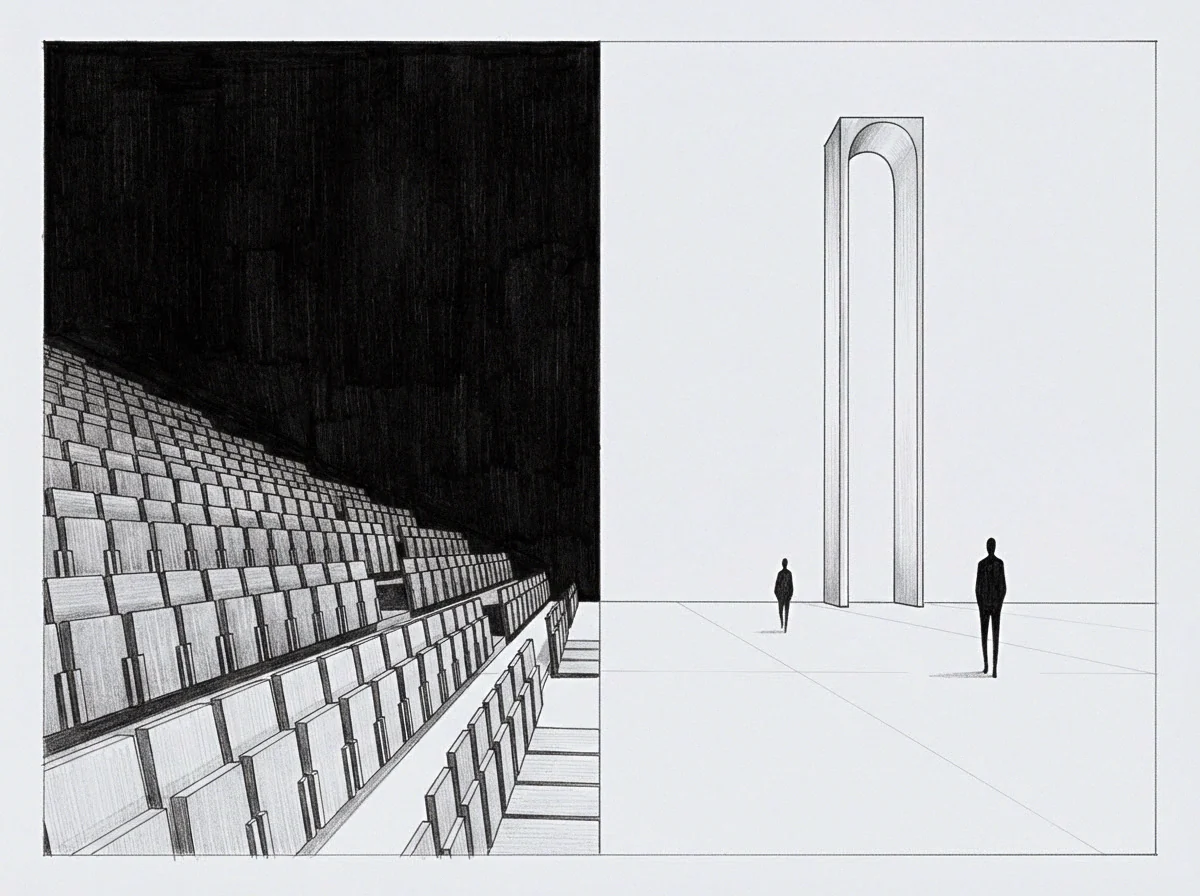
Formal governance documentation establishes explicit parameters for executive availability. Contractual terms act as structural walls that protect the operator from arbitrary external demands. The contract specifies terms.
When a venture agreement or employment contract contains explicit statements regarding allocation of hours, decision rights, and offline periods, the seat gains structural integrity. The operator no longer needs to justify personal absences; the agreement establishes the baseline.
A load-transferring system automatically routes pressure toward the softest operational point. If governance documents leave availability undefined, the system defaults to treating the operator as infinitely elastic. The operator becomes the universal absorber of organizational friction.
Introducing structural clauses into partnership contracts changes the physics of the role entirely. The burden of proof shifts from the operator defending their time to the counterparty justifying an out-of-bounds request.
Structural Clauses That Substitute for Continuous Regulation
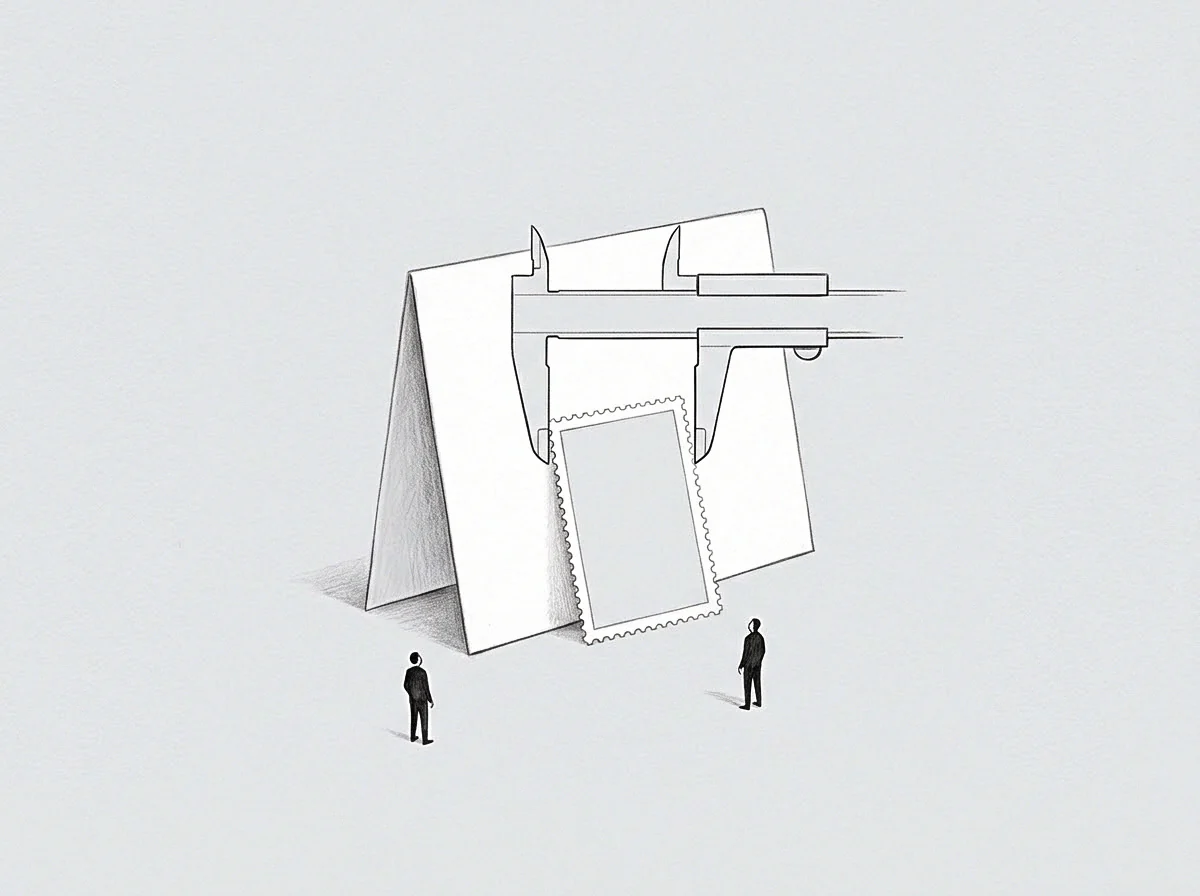
Legal provisions replace personal energy by creating automatic operational cutoffs. An explicit clause stating that executive response times for non-emergency operational matters are forty-eight hours sets clear external expectations. The seat breaks when personal guilt overrides contractual parameters.
Operating within explicit contractual boundaries protects the asset value of the seat for the entire organization.
The seat holds when terms are clear. An operator who grounds their availability in written governance clauses avoids the exhausting routine of daily boundary defense. Structural terms eliminate ambiguity, allowing the operator to dedicate remaining headroom to core operational priorities without continuous friction.
A stated term protects the seat far more reliably than individual discipline.