
Allostatic Load Recovery Dynamics Across Asymmetrical Governance Structures Under Prolonged Operational Isolation
Asymmetrical governance under operational isolation elevates allostatic load by converting unpredictable remote oversight into chronic neuroendocrine stress.
Seat
Four unread operational updates sit open on a monitor past midnight while an isolated executive retains final fiscal accountability without direct operational authority. The physical environment remains quiet, yet cardiovascular tone remains elevated, salivary cortisol levels fail to drop along the standard diurnal slope, and neuroendocrine recovery stalls. This state appears when operational isolation combines with an asymmetrical governance structure.
Operational isolation removes local co-regulation mechanisms. Asymmetrical governance creates an imbalance where accountability sits with one person while governance oversight and structural control remain distributed among external board members or distant equity partners.
Isolation alters neuroendocrine feedback loops.
Under symmetrical governance, shared operational context permits rapid co-regulation. Two leaders working in physical or functional proximity share cognitive processing of ambiguous signals, distributing the autonomic burden of decision making. When governance structures become asymmetrical, the isolated operator carries total regulatory demand for incoming shocks.
External oversight groups evaluate performance through delayed financial reporting rather than real-time operational context. This structural gap transforms routine ambiguity into continuous threat monitoring. The isolated leader remains in a state of high vigilance, maintaining physiological arousal long after daily operational tasks stop.
The structural distance between accountability and operational control dictates the rate of autonomic wear.
Structural Distance and Neuroendocrine Strain
Continuous threat monitoring alters basal physiological markers. Prolonged exposure to unpredictable governance demands elevates evening cortisol concentrations and reduces heart rate variability during rest. The nervous system interprets ongoing operational ambiguity paired with high stakes as a chronic biological stressor.
This persistent activation consumes metabolic resources that would otherwise support physiological cellular repair and neural plasticity. Over extended periods, baseline homeostatic settings shift, establishing a state of elevated allostatic load.
Headroom shrinks when stress systems remain active.
The neural circuitry governing executive function relies on stable prefrontal cortex signaling. Chronic neuroendocrine strain weakens top-down cognitive control, increasing reliance on rigid habit circuits. An isolated executive managing an asymmetrical board relationship experiences high cognitive switching costs when moving between operational execution and governance defense.
Each transition requires recalibrating internal working models of risk, consuming limited cognitive slots that would otherwise process complex strategy.

The Physiological Drain of Unshared Risk
Risk allocation across governance structures determines how biological systems process operational stress. When equity holders or oversight boards hold voting dominance without operational exposure, risk signals flow directionally toward the isolated operator. The operator processes operational failures as personal structural threats, while distant partners process the same failures as portfolio variance.
This divergence prevents biological co-regulation.
Unshared risk accelerates nervous system exhaustion.
The biological cost of this asymmetry manifests in altered sleep architecture. Slow-wave sleep duration decreases when autonomic arousal remains high throughout the night. Without adequate slow-wave sleep, metabolic waste clearance within brain tissue slows down, compounding daytime cognitive fatigue.
The executive maintains operational delivery through compensatory sympathetic nervous system recruitment, masking systemic fatigue behind elevated adrenaline output.
The distant equity partners expect immediate operational pivots while maintaining full capital oversight without adjusting performance timelines.

Stance
Asymmetrical governance alters how regulatory systems process incoming demands. An isolated lead operating under unbalanced oversight faces variable signaling patterns: long periods of operational silence interrupted by sudden governance requests. The unpredictable timing of these requests prevents the nervous system from establishing stable recovery windows.
Autonomic nervous system activation remains elevated because the system cannot anticipate when the next governance demand will arrive.
Unpredictable oversight disrupts physiological recovery rhythms.
The hypothalamic-pituitary-adrenal axis regulates physiological adaptation to environmental demands. Under predictable working conditions, cortisol levels peak shortly after waking and fall steadily throughout the afternoon and evening. Asymmetrical governance structures shatter this rhythm.
Intermittent governance requests trigger secondary cortisol spikes late in the diurnal cycle, disrupting circadian alignment and delaying core physiological rest processes.
Why Does Operational Distance Compound Structural Burnout?
Operational distance eliminates spontaneous co-regulation. When governance partners operate in separate locations or environments, communication compresses into formal meetings and episodic updates. This structural separation strips away subtle non-verbal cues that signal safety and shared purpose during high-stakes decisions.
The isolated leader must actively process every communication exchange, elevating cognitive load during routine interactions.
Distance amplifies perceived operational threat.
- Basal hyper-vigilance develops when operational isolated leaders anticipate unpredictable board demands while lacking direct governance votes to adjust strategic direction independently.
- Cognitive fragmentation emerges as open operational loops stack against pending governance approvals, consuming working memory capacity and elevating autonomic stress responses.
- Allostatic overload occurs when chronic biological wear exceeds systemic recovery capacity, forcing the nervous system to throttle non-essential operational functions to preserve baseline systemic stability.
Continuous hyper-vigilance depletes central nervous system reserves. The brain prioritizes immediate threat processing over long-term cognitive synthesis. Over months, this operational stance degrades complex problem-solving abilities, narrowing the executive focus to immediate governance defensive positions.
Chronic autonomic activation during prolonged isolation alters diurnal hormone release.

Asymmetrical Authority and Open Loop Retention
Open loops consume cognitive slots. An open loop represents an unresolved decision, an unstated contract term, or a pending governance approval. In symmetrical structures, open loops resolve quickly through direct lateral interaction.
In asymmetrical structures, resolving an open loop requires navigating multi-tiered approvals, formal board memos, and remote alignment checks. The isolated operator holds these loops open within working memory for days or weeks.
Open decision loops consume physiological capacity.
The physiological cost of holding open loops increases non-linearly with thread count. Three open governance threads might allow baseline recovery, whereas seven simultaneous open threads saturate working memory capacity. When working memory reaches capacity, the brain throttles creative synthesis and emotional regulation, protecting basic operational execution at the expense of strategic clarity.
Failing to establish clear governance boundaries during periods of operational isolation causes permanent allostatic load accumulation, leading to complete structural failure of executive decision-making capacity.

Friction
A critical distinction exists between protective systemic throttling and clinical depression. When an isolated executive running under high allostatic load stops initiating new strategic lines, drops optional communication, and restricts output to essential operational tasks, governance partners frequently label the state as a lack of engagement or clinical apathy. This diagnosis misunderstands stress physiology.
Throttling is an active protective physiological mechanism designed to prevent acute biological system collapse when allostatic load hits critical capacity.
Throttling protects core baseline function.
In clinical depression, systemic neurochemical de-escalation reduces motivation across all contexts regardless of load management interventions. Systemic throttling presents differently. The throttled executive executes routine operational tasks with mechanical precision but refuses to accept new ungated cognitive threads.
The system limits output to conserve remaining headroom. Treating a throttled system with governance pressure or motivational demands elevates incoming load, pushing a protective state toward total systemic breakdown.
Protective physiological throttling preserves core survival functions by sacrificing discretionary creative output.

Throttling Baseline Performance Versus Clinical Atrophy
Recognizing the operational state of the nervous system determines appropriate governance adjustments. When a system enters throttling, reducing incoming thread count restores functional headroom over time. Increasing oversight or demanding emotional enthusiasm accelerates nervous system depletion.
| Recovery Parameter | Symmetrical Governance Structure | Asymmetrical Governance Structure |
|---|---|---|
| Co-Regulation Availability | High; continuous lateral shared processing of operational shocks. | Low; episodic formal reporting without lateral physiological buffering. |
| Thread Gating Clarity | Explicit terms; direct voting power permits rapid closure of open loops. | Ambiguous terms; delayed approvals force prolonged open loop retention. |
| Cognitive Switching Cost | Low; unified operational and strategic priorities across leadership. | High; frequent context switching between execution and governance defense. |
| Allostatic Resetting Rate | Rapid; predictable operational breaks restore diurnal hormonal rhythms. | Suppressed; chronic hyper-vigilance delays basal neuroendocrine clearance. |
The data demonstrates how structural asymmetry compounds physiological strain. High switching costs combined with suppressed allostatic resetting rates create systemic exhaustion over extended operational periods.
Shared authority lowers regulatory processing costs.

Comparative Analysis of Governance Dynamics
Governance architecture dictates the specific pathways of regulatory drain. An isolated operator within an asymmetrical structure faces distinct operational friction patterns that destroy biological headroom if left ungated.
- Ungated oversight requests consume immediate cognitive slots by demanding unscheduled performance defenses during critical operational execution windows.
- Ambiguous decision boundaries force the isolated operator to retain decision loops internally, anticipating governance pushback instead of executing autonomous choices.
- Asymmetrical information flows create perceptual mismatches between operational realities on the ground and board expectations held in remote locations.
Clear terms eliminate unstated structural debt.
Consider an operational setup where two founders hold equal equity, but one relocated to manage a remote international facility while the other remains at headquarters near the primary investor group. The remote founder operates in prolonged operational isolation. Over twelve months, headquarters partners make subtle strategic shifts during informal face-to-face interactions.
The remote founder receives these shifts as sudden directives without context. The remote founder’s nervous system treats this asymmetry as an unpredictable environment, driving basal cortisol levels up. The remote founder throttles discretionary updates to protect core facility operations.
Headquarters reads this throttling as operational resistance, increasing oversight frequency. The additional oversight consumes the remote founder’s remaining headroom, triggering acute nervous system exhaustion.
The implementation of an explicit delegation resolution defining autonomous operational spending up to a stated financial ceiling shifts decision authority instantly, closing open governance loops and restoring immediate biological headroom.

Brake
Restoring regulatory headroom requires installing structural limiters on governance interactions. An isolated executive cannot think or regulate away allostatic load while incoming demand remains ungated. Protective limiters translate physiological boundaries into clear governance terms: defined communication windows, explicit decision thresholds, and explicit parameters for board intervention.
Gated communication protects cognitive slots.
Structural limiters act as circuit breakers for autonomic stress activation. By establishing fixed dates for governance reviews and barring unscheduled status requests, the nervous system gains predictable recovery intervals. During these recovery intervals, sympathetic activation drops, allowing parasympathetic recovery processes to clear accumulated metabolic strain.
Structural Limiters and Gated Interventions
Limiting incoming load requires operationalizing three parameters: scope, date, and terms. Scope defines exact operational areas open to governance review. Date establishes predictable timing for evaluations, eliminating continuous threat monitoring.
Terms specify precise thresholds that trigger board involvement, removing ambiguity around executive authority.
Predictable limits restore parasympathetic regulation.
High-altitude environmental research teams operating in total physical isolation employ strict operational protocols to prevent cognitive fatigue under extreme conditions. These teams establish non-negotiable rest periods and clear operational handovers, removing individual negotiation over work limits. Similar operational gating applies to isolated executives operating under asymmetrical governance.
Autonomous scope reduces feedback friction.
Gating governance access preserves precious working memory slots. When an isolated lead knows oversight interactions occur strictly on the first business day of the month, the remaining twenty-nine days operate free from anticipatory vigilance. Cortisol rhythms normalize during these protected windows, permitting deep strategic work and physical recovery.
Establishing explicit dates for governance evaluations restores predictable physiological recovery windows.
Establishing Clear Concurrency Boundaries
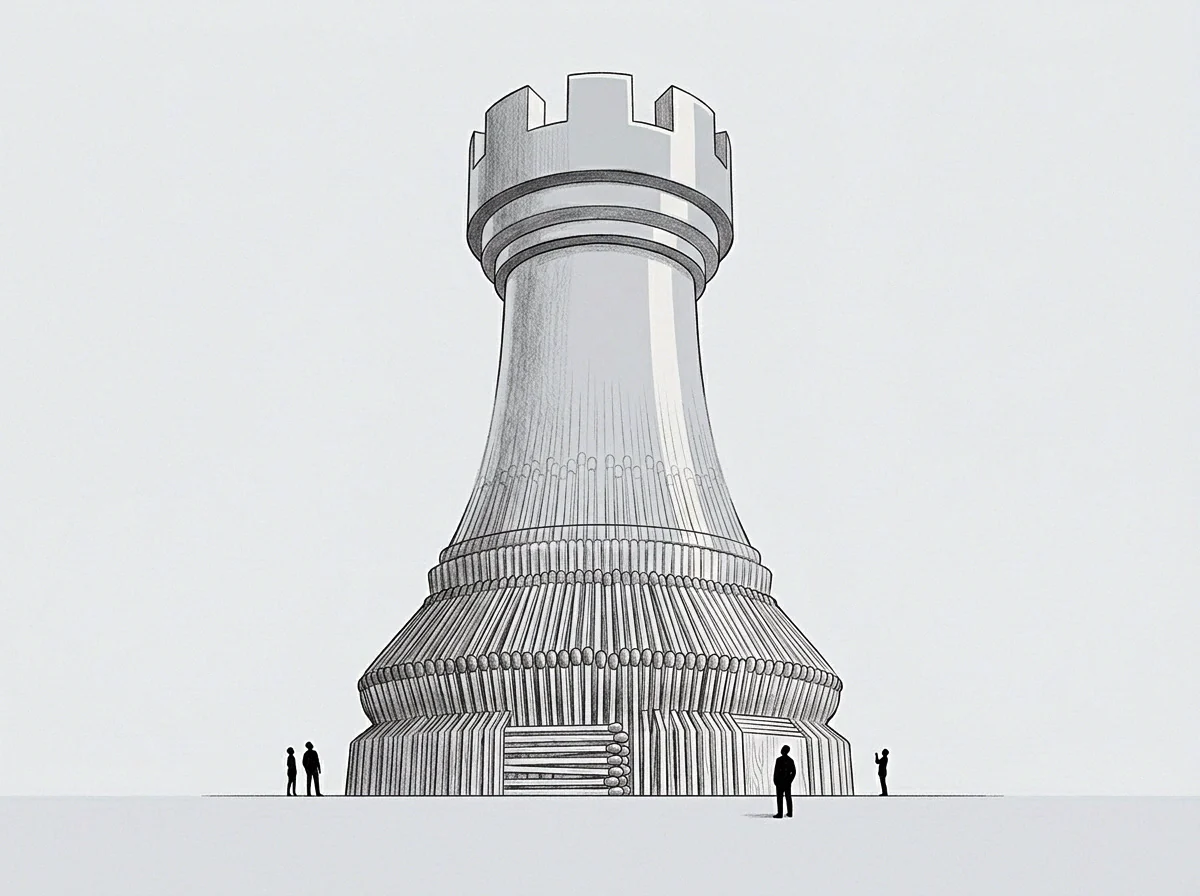
The concurrency limit represents the total number of ungated operational and governance threads a single human nervous system can hold active simultaneously without triggering systemic wear. For most isolated executives, the true biological concurrency limit sits between three and five complex threads. Operating beyond this limit forces the system into compensatory stress responses.
Thread count determines system fatigue.
Gating incoming threads requires hard boundary setting. When a new governance request arrives while thread capacity is full, an existing thread must be parked or closed before accepting the new demand. Parking a thread involves documenting its current status, defining its restart date, and removing it entirely from daily tracking.
Operating beyond true concurrency limits forces continuous physiological compensation, eventually degrading cognitive accuracy and physiological health.

Reset
Allostatic load clearance dynamics under prolonged operational isolation require active physiological resetting protocols. Passive rest alone fails to restore systemic balance if structural governance asymmetry remains unchanged. Complete recovery demands combining structural governance recalibration with biological co-regulation mechanisms.
Systemic reset demands structural alignment.
Social baseline theory demonstrates that the human nervous system treats proximity to reliable, co-regulating partners as a primary baseline condition. Physical or operational isolation elevates the baseline energy expenditure required for daily adaptation. When isolation is mandatory, establishing structured peer co-regulation networks outside the direct governance hierarchy provides critical physiological buffering, lowering biological threat responses.

Biomarker Clearance and Social Co-Regulation
Biomarker clearance follows specific timelines once structural load decreases. Salivary cortisol diurnal rhythms typically normalize within two to four weeks of establishing predictable governance boundaries. Heart rate variability recovery often takes longer, requiring six to twelve weeks of sustained parasympathetic dominance during sleep cycles.
Brain-derived neurotrophic factor levels rise as chronic stress signals recede, restoring neural plasticity and cognitive flexibility.
Biomarker clearance requires sustained load reduction.
Peer co-regulation accelerates biomarker normalization. Regular interaction with non-governance peers who understand operational realities provides neural validation without performance threat. These interactions lower autonomic arousal, allowing the executive to process ambiguous signals without triggering high-stress responses.

Architectural Shifts for Sustained Capacity
Long-term systemic sustainability requires shifting governance architecture from asymmetrical oversight to functional symmetry. Symmetrical architecture aligns decision authority directly with operational risk exposure. When equity holders and isolated operators share clear risk parameters and operational visibility, the chronic threat atmosphere dissipates.
Aligned risk structures preserve leadership capacity.
Rebuilding physiological headroom alters executive execution patterns. As allostatic load drops, working memory capacity clears, allowing strategic long-term planning to replace reactive defensive operational maneuvers. The executive transitions from protective throttling back to high-capacity creative leadership.
How long can an isolated executive maintain high operational performance when governance asymmetry persists despite optimized personal load management protocols?