
The Physiological Limits of Founder Coregulation in High Friction Executive Systems
Founder coregulation fails when executive systems exceed baseline biological capacity, shifting operational stabilization from personal presence to explicit terms.
Founder coregulation fails when executive systems exceed baseline biological capacity, shifting operational stabilization from personal presence to explicit terms.
Sustained executive strain downregulates central glucocorticoid receptors and restricts prefrontal working memory capacity to conserve metabolic resources.

Acute sympathetic overdrive floods the prefrontal cortex with catecholamines, severing top-down inhibition and collapsing the shared calm supplied to others.

Nocturnal parasympathetic reactivation quantifies autonomic recovery by measuring interbeat interval variance during motionless slow-wave sleep.

Autonomic recovery latency expands when continuous operational demands prevent neuroendocrine clearance and parasympathetic restoration via vagal inhibition.
Chronic operational burnout forces the autonomic nervous system to process partner presence as operational load rather than baseline calm, requiring structured non-demanding micro-exchanges to rebuild somatic receptivity over time.
Chronic unilateral regulation exhausts hypothalamic and autonomic systems, producing severe hypocortisolemia and vagal collapse upon partnership rupture.
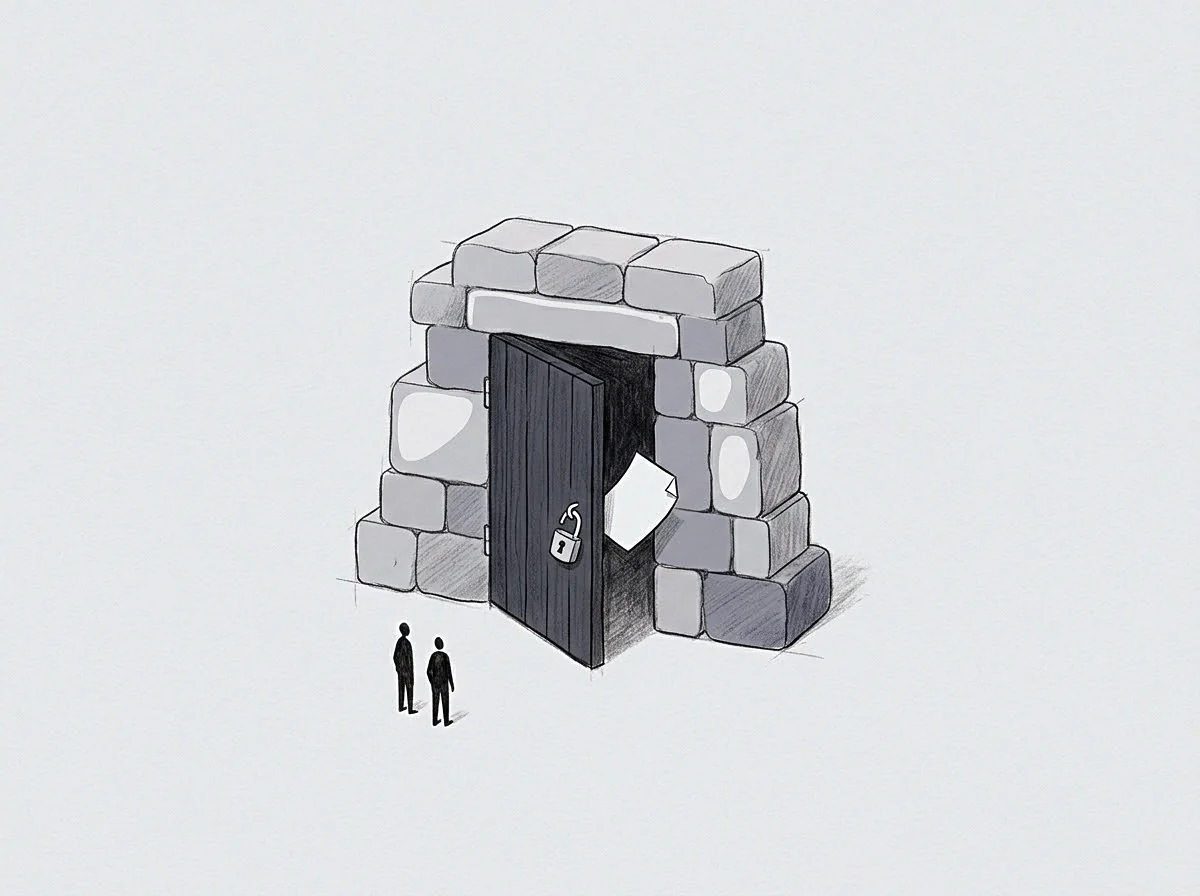
Sustained pressure elevates allostatic load, triggering subcortical threat circuits that deactivate prefrontal regions storing cognitive attachment knowledge.
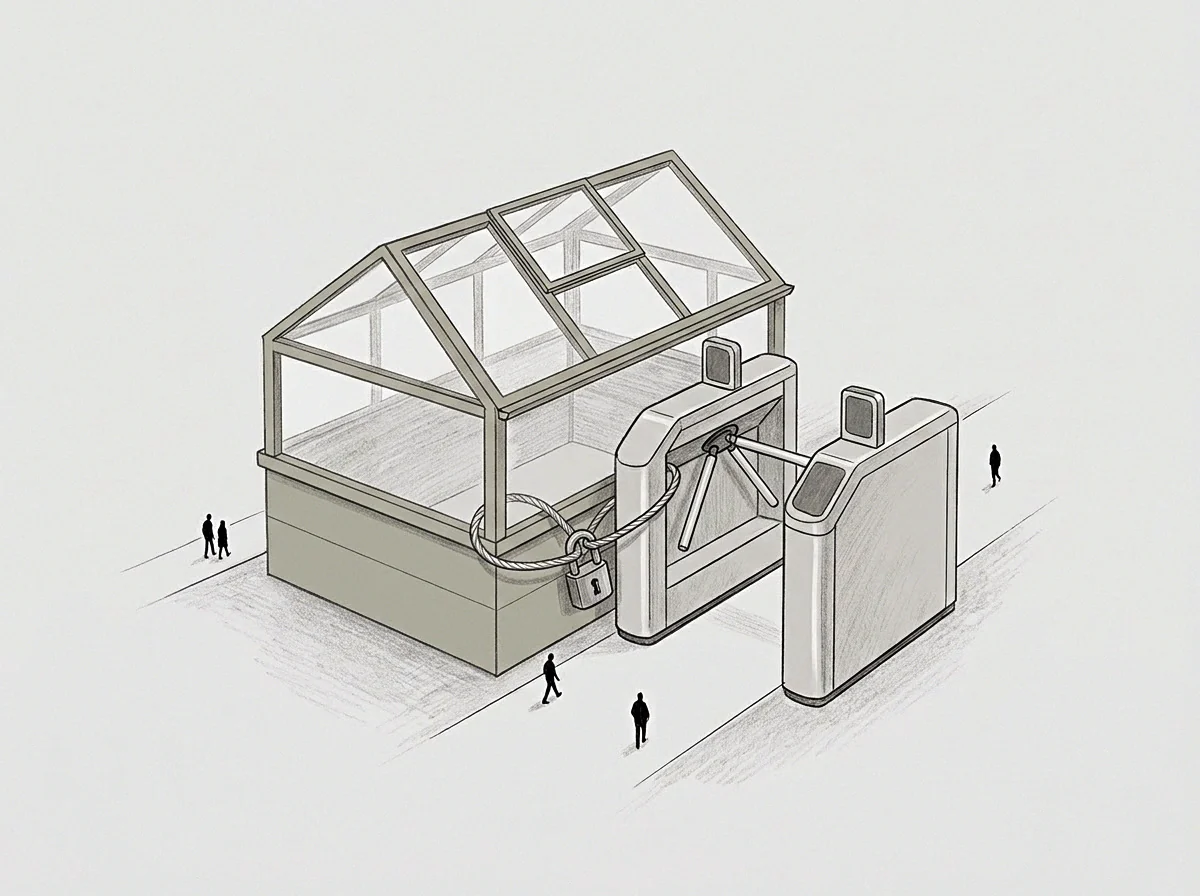
Unshared executive regulation causes autonomic throttling, down-regulating decision capacity when chronic co-regulatory load exceeds human biological limits.
The terms are written where they belong. Each field holds three desks, and every entry a desk writes raises the terms it uses, each term given a meaning, a mechanism and the places it appears. The record on these pages stays first person and hand made; the fields grow the nomenclature.