

Distinguishing Systemic Throttling From Clinical Depression In High Load Roles
Systemic throttling is an adaptive physiological output reduction from excessive cognitive volume, distinct from clinical depression by its intact hedonic capacity.
Systemic throttling is an adaptive physiological output reduction from excessive cognitive volume, distinct from clinical depression by its intact hedonic capacity.

Cognitive slot exhaustion accelerates when unresolved leadership lines saturate working memory buffers, triggering biological throttling to halt neural wear.
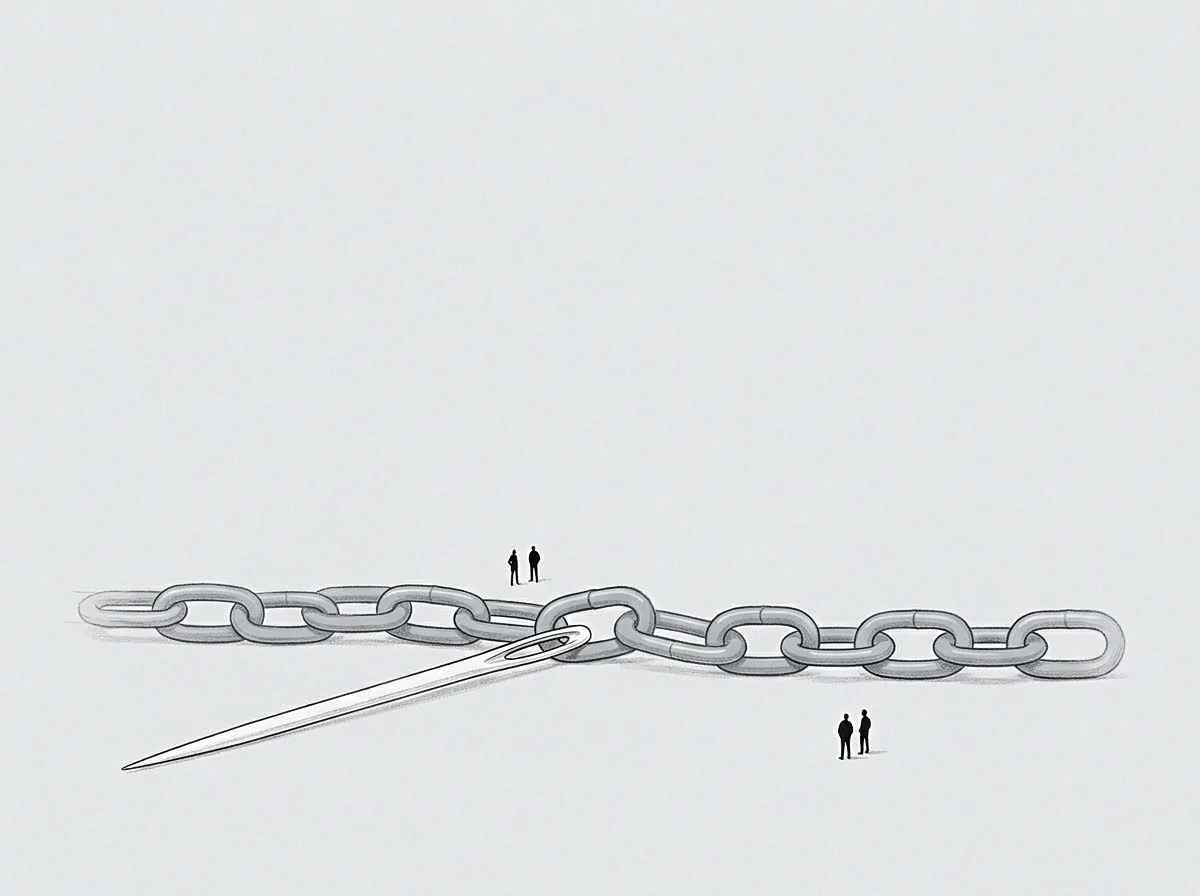
A stated operational limit forces distributed problem resolution by halting the passive metabolic absorption of collective threat by a single steady colleague.

Autonomic recovery latency expands when continuous operational demands prevent neuroendocrine clearance and parasympathetic restoration via vagal inhibition.

Continuous unhedged organizational stress drives biological wear through elevated allostatic load and ungated thread counts that deplete cognitive headroom.

Adrenal downregulation throttles output to protect tissue under sustained allostatic load, while clinical depression reflects systemic affective failure.
The terms are written where they belong. Each field holds three desks, and every entry a desk writes raises the terms it uses, each term given a meaning, a mechanism and the places it appears. The record on these pages stays first person and hand made; the fields grow the nomenclature.