
Designing Structural Gating Protocols To Protect Executive Allostatic Headroom
Structural gating protocols protect executive headroom by filtering incoming requests through explicit scope, date, and terms constraints to prevent cognitive wear.

Dam
Four messaging windows remain open on a desk at nine in the evening while incoming operational requests accumulate. The person sitting in the executive seat reads message after message, offering clear directions for each query. To external partners and operators, this immediate responsiveness communicates strength, competence, and total commitment to organizational momentum.
Beneath that calm operational posture, physiological wear accumulates. Every un-gated communication channel functions as an open conduit into executive capacity, forcing continuous cognitive evaluation even when decisions appear minor. The capacity drains quietly.
Silence is misread. Over months of unthrottled access, the constant maintenance of high regulatory baseline expenditure consumes the neural resources required for strategic synthesis, complex risk evaluation, and relational stability.

Incoming Signals and Chronic Biological Wear
Executive allostatic load represents the physiological cost of continuous regulatory adjustments under pressure. Stress physiology distinguishes sharply between temporary acute strain and chronic regulatory overload. When an executive operates under continuous incoming demands without structural filtering mechanisms, the sympathetic nervous system maintains elevated activation.
Cortisol levels remain high, metabolic expenditure rises, and executive control neural networks suffer persistent baseline wear. The body retains the tally.
This biological tax does not register immediately as subjective distress. The human brain adapts to chronic regulatory demand through metabolic throttling, narrowing focus to immediate survival tasks while degrading long-range planning functions. When incoming operational signals arrive without structural barriers, executive headroom collapses long before operational failure becomes visible to board members or equity partners.
Unfiltered operational channels convert open decisions into chronic biological stress whenever availability remains unconstrained.
Unchecked channel saturation exhausts regulatory capacity, converting operational success into persistent physical exhaustion.

Concurrency
Cognitive slots in human executive control operate under strict parallel capacity limits. Human working memory handles a bounded number of active operational channels simultaneously. While organizational narrative frequently celebrates simultaneous project execution, neural architecture processes complex task switches sequentially, incurring a distinct energetic tax with every context shift.
Open loops consume capacity. Every un-gated request, pending decision, or unspecified deliverable occupies a dedicated slot inside executive working memory until explicit terms close the item.

Slot Allocation and Open Loop Costs
Unresolved operational decisions remain active inside working memory until explicit terms halt processing. An incoming message lacking clear scope, explicit resolution dates, or defined acceptance terms cannot be archived by human neural architecture. The brain holds un-gated items in active tracking state, consuming baseline energy even during non-working hours.
When an executive maintains ten or twelve un-gated channels concurrently, working memory saturation occurs. At this ceiling, new incoming information triggers immediate cognitive throttling. The executive experiences this state as sudden friction against decision-making, reduced empathy for team members, and severe fatigue when confronting novel problems.
The slot empties. Terms set the ceiling. The partner reads availability.
The underlying mechanism is structural rather than characterological.
- Unspecified Deliverable Dates keep cognitive reserves engaged because the brain monitors unresolved timing continuously.
- Ambiguous Decision Ownership forces executive control to hold monitoring state indefinitely, consuming baseline capacity.
- Unbounded Messaging Channels generate continuous contextual context shifts that elevate cortisol output across working hours.
An unstated decision deadline retains its slot inside executive working memory until explicit terms close the line.
The response arrived within minutes last week, so the channel is expected to remain open tonight.

Trench
Physical and temporal barriers isolate executive space from continuous operational intrusion. Protecting allostatic headroom demands formal structural gating protocols that evaluate, filter, and park incoming operational traffic before it reaches executive awareness. Gating protocols operate as organizational firewalls, translating unstructured operational pings into standardized inputs with defined scope, hard resolution dates, and clear acceptance criteria.
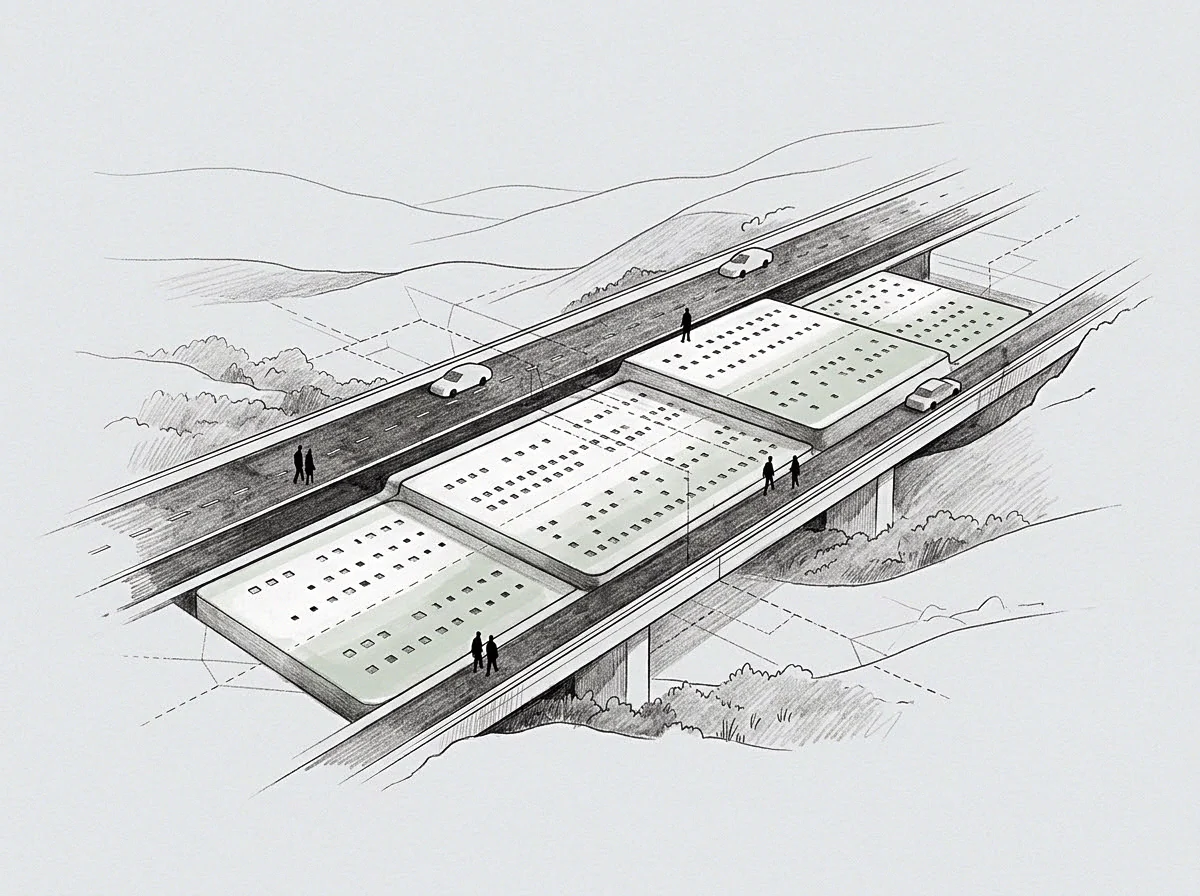
Scope Date and Terms as Gating Anchors
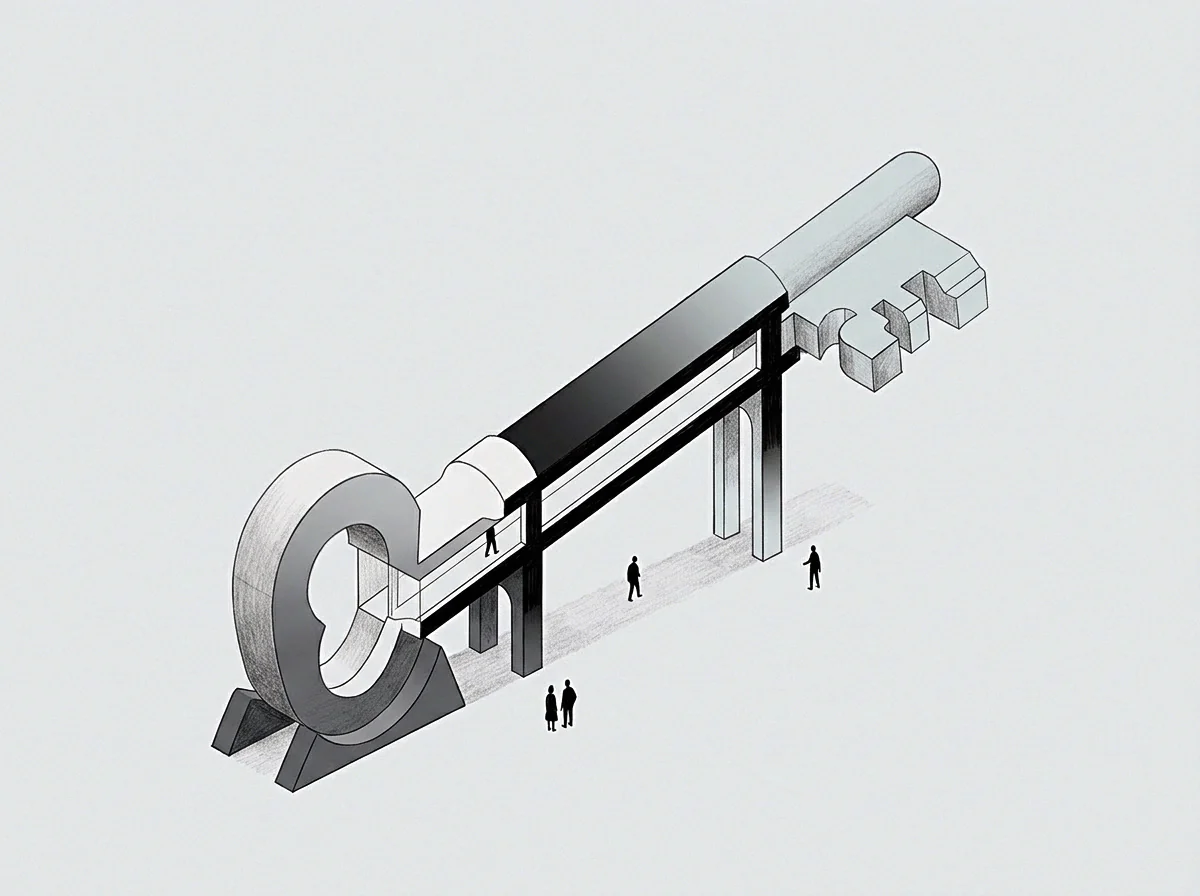
Structural firewalls demand three specific boundaries before an incoming item enters executive processing. First, the requesting party states the exact scope of the needed intervention, preventing broad ambiguous requests from consuming executive evaluation time. Second, the request carries a clear delivery date, releasing executive working memory from active time-monitoring.
Third, the submission specifies the precise terms of completion, allowing the founder or operator to evaluate compliance without ongoing negotiation cycles. Gating restores headroom. The system holds.
The threshold holds firm.
- Define explicit deliverable boundaries before accepting incoming work into active planning schedules.
- Establish fixed resolution timeframes that remove continuous status monitoring from daily routines.
- Specify exact acceptance metrics so completion occurs without ongoing renegotiation cycles.
When Does Throttling Signal System Exhaustion?
Reductions in operational throughput frequently reflect active physiological protection rather than mood shifts. Clinical research on occupational fatigue demonstrates that throttling represents an adaptive protective mechanism deployed by a nervous system operating at capacity limits. When allostatic load approaches threshold limits, the central nervous system down-regulates processing speed, initiative, and social engagement to preserve basic systemic integrity.
Misinterpreting structural throttling as psychological depression leads to counterproductive interventions. Standard management advice often encourages forced motivation, increased working hours, or personal resilience routines. These efforts increase incoming load while leaving structural channels un-gated, accelerating total biological exhaustion.
Effective intervention installs rigid structural gates that restrict operational access, freeing cognitive slots and restoring baseline regulatory headroom.
Structural gates protect executive capacity by stopping unanchored demands before attention engages.
A clear scope clause attached to an incoming request converts an active monitoring obligation into a passive queue item.

Protocol
Formal governance boundaries define how incoming requests transfer into executive workflows. Designing structural gating protocols requires evaluating how different operational communication structures impact executive capacity reserves. Organizations that rely on unstructured availability burn executive energy on triage, whereas organizations utilizing strict gating architecture channel incoming items through standardized interfaces that preserve headroom.

Structural Interface Comparison
Organizations manage leadership access through explicit boundary designs that determine daily energy consumption. The choice of interface directly influences the rate of open loop accumulation and the resulting biological wear on executive leadership. The queue fills.
Capacity dictates throughput.
| Governance Model | Slot Consumption | Social Baseline Response | Allostatic Impact |
|---|---|---|---|
| Unstructured Direct Access | Unbounded slot consumption through continuous un-gated pings | High relational anxiety and continuous availability expectations | Severe baseline wear with chronic cortisol elevation |
| Fixed Processing Windows | Moderately bounded slot usage during active review periods | Predictable delay expectations with minor batching friction | Controlled strain with complete biological recovery periods |
| Asynchronous Scope-Gated Desk | Low slot consumption through strict scope, date, and terms validation | High clarity on expectations with low urgency friction | Minimal baseline wear and sustained regulatory headroom |
| Delegated Proxy Filter | Near-zero direct slot consumption for unvalidated operational items | Formalized entry protocols managed by secondary operators | Maximum headroom preservation for strategic core functions |
Whether organization boards can recognize throttled executive output as structural protection rather than reduced motivation remains unsettled.

Vault
Protected capacity preserves executive capability during periods of acute external pressure. Executive allostatic headroom constitutes the physical reserve required to absorb unexpected operational shocks, market volatility, and strategic crises. When structural gating protocols systematically preserve this headroom, leaders retain the biological capacity for high-stakes decision-making and stable emotional regulation under acute stress.
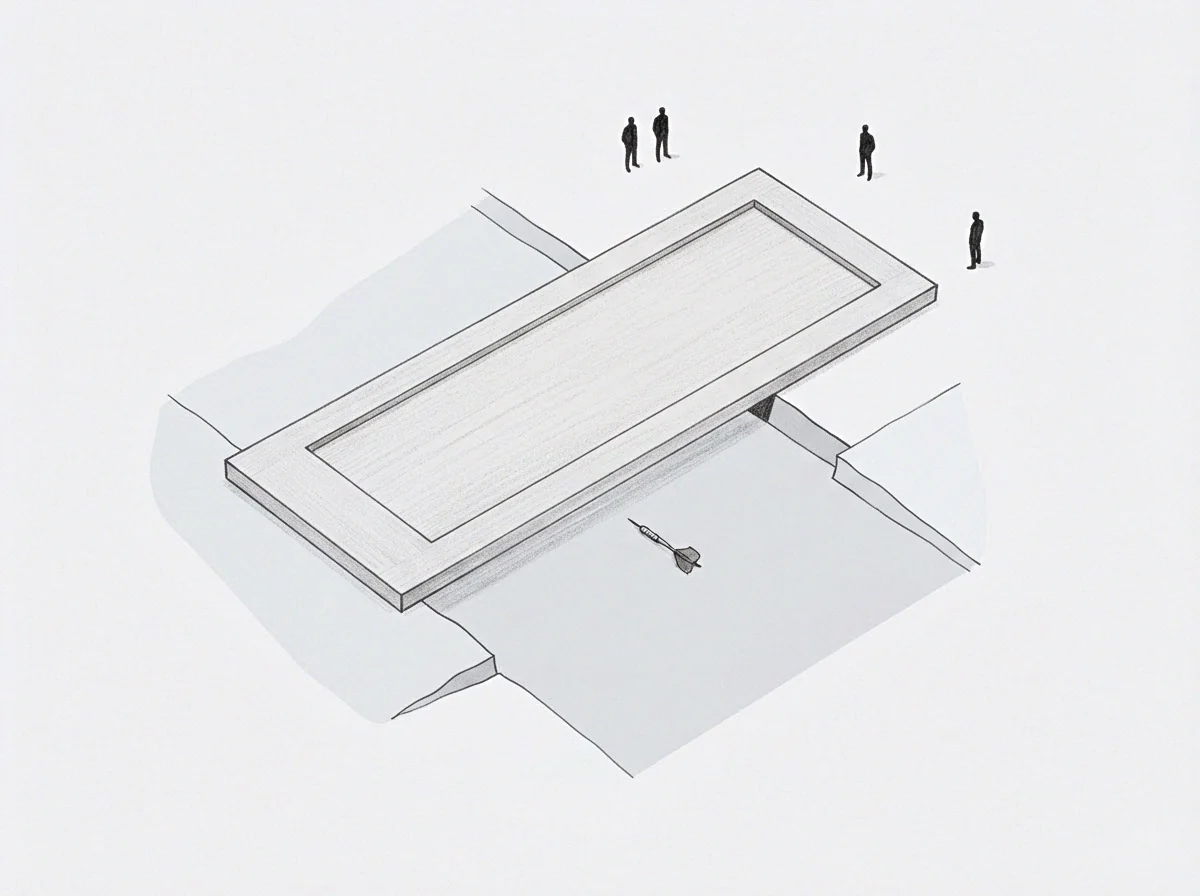
Reserved Regulatory Headroom and System Recovery
Social baseline regulation demonstrates that physical proximity to dependable operators reduces individual neural effort. When leadership structures incorporate shared regulatory responsibilities and strict gating mechanisms, individual executive wear decreases substantially. The presence of clear operational boundaries enables the central nervous system to drop its hyper-vigilant posture.
The limit remains fixed. Gated lines save energy.
Restoring executive function after prolonged chronic load requires structural enforcement rather than transient rest periods. Vacation days or short sabbaticals fail to resolve allostatic overload if the executive returns to un-gated communication channels and unbounded operational access. Long-term system integrity demands permanent structural gating protocols that enforce strict concurrency limits, mandate explicit request terms, and isolate executive working memory from routine operational traffic.
Executive energy returns only when structural boundaries prevent incoming requests from reaching open working memory.
Gating incoming work at the boundary protects executive energy better than attempting to regulate attention after requests arrive.