
Measuring Resting Vagal Deficits in Executive Operational Roles
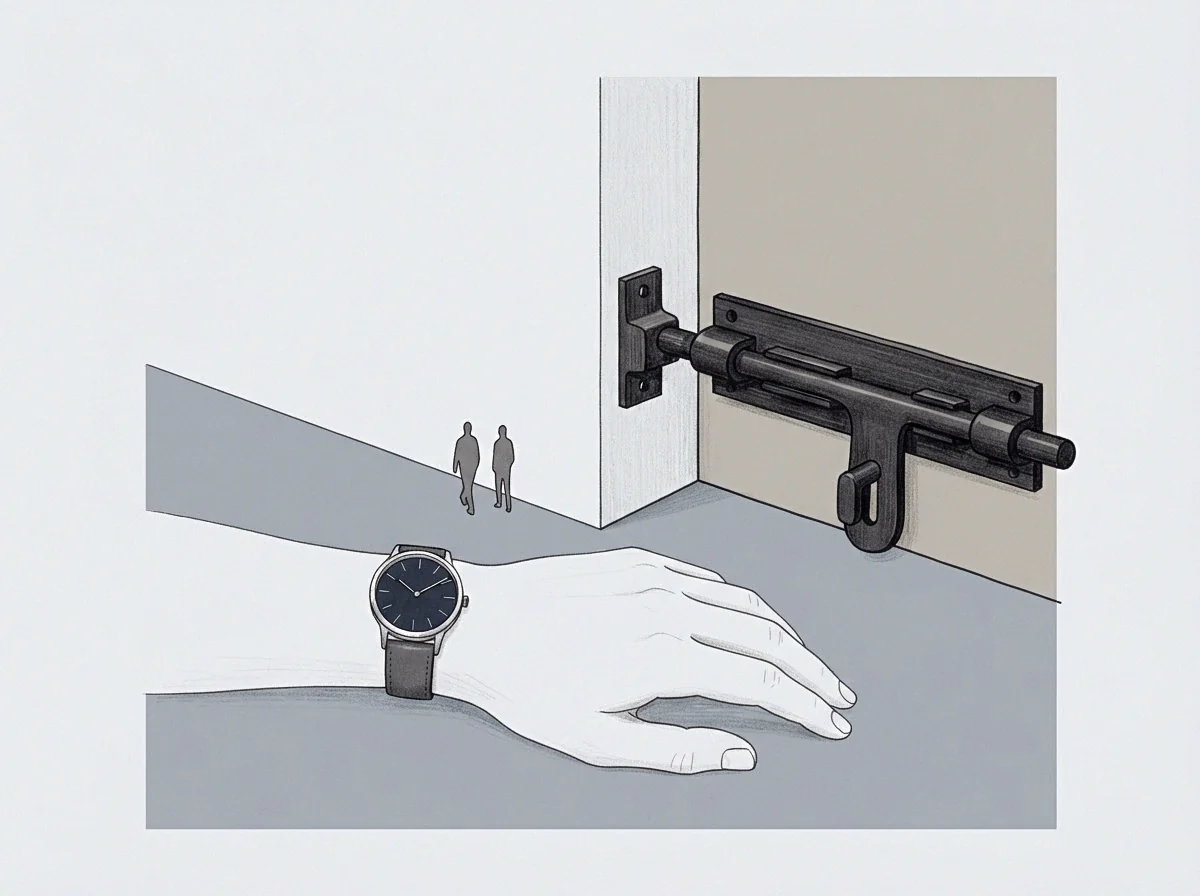
Chronic executive operational load suppresses the vagus nerve's cardiac brake, locking the heart into sympathetic overdrive and draining allostatic reserve.
Ceiling
When a monitor records cardiac timing across consecutive intervals, the metrics expose an acute dampening of parasympathetic tone that subjective self-reporting misses. In an executive operating seat, intense continuous regulatory pressure keeps the cardiac brake disengaged for sixteen hours at a stretch. Deceleration depends on the tenth cranial nerve, which descends through the jugular foramen to innervate the sinoatrial node.
When resting vagal tone drops, the heart runs without rapid inhibitory restraint, keeping the body in sustained mobilization. The person at the desk mistakes endurance for physiological resilience, while the baseline indicates a contracted parasympathetic reserve that cannot absorb an operational shock.

Suppression of Parasympathetic Tone Under Sustained Operational Responsibility
Vagal activity acts as a continuous brake on intrinsic sinoatrial pacing. Without cholinergic signaling along the vagal pathway, the pacemaker in the sinoatrial node drives resting heart rates above one hundred beats per minute. Tonic vagal firing releases acetylcholine onto muscarinic receptors to keep resting pulse rates inside an efficient band.
Sustained operational responsibility demands constant screening of threats, surveillance of capital burn, and resolution of relational friction. These demands elevate sympathetic tone and quiet the parasympathetic brake. The regulatory cost accumulates quietly while the executive processes transactions, sits in board sessions, and clears backlogs as vagal tone slides toward its floor.
A throttled autonomic baseline sustains high operational output while actively depleting parasympathetic reserves.
Chronic inhibition of the vagal brake reshapes baseline physiology. When resting tone falls below clinical norms, systemic inflammation markers climb, heart rate variability compresses, and metabolic switching falters. An operator tends to dismiss this deficit as simple fatigue or end-of-quarter drag.
Weekend rest will not restore cholinergic control when the nervous system remains primed for frequent interruption. The autonomic system stays in active defense, burning physiological capacity to steady an operation that looks orderly from the outside.
This split between executive output and internal regulation creates an operational liability. The desk remains covered, communications go out, and complex transactions proceed without outward friction. Under the surface, the regulatory apparatus runs at its physical ceiling, leaving no autonomic buffer for the next contractual dispute.

Assay
Evaluating resting vagal deficits requires objective metrics over personal impressions. Photoplethysmography and continuous electrocardiography track the interbeat interval variations that measure myelinated vagal outflow. In executive populations, the root mean square of successive differences between normal heartbeats, or RMSSD, gives a clear assessment of short-term parasympathetic modulation.
High-frequency heart rate variability, isolated within the respiratory band between 0.15 and 0.40 Hertz, reflects this vagal action directly. Recording these signals during resting periods, free of movement or speech, establishes a defensible index of autonomic capacity.

Protocol Rigor for Field Quantification
Field measurement of vagal tone requires strict operating conditions to prevent distorted figures. Operators wearing consumer biometric rings or chest straps often gather noisy readings by running tests during email triage or after morning coffee. Accurate resting assays rely on a five-minute seated baseline completed within thirty minutes of waking, before reading messages, taking stimulants, or starting physical exertion.
Respiration rate also shifts heart rate variability independently of vagal traffic. If breathing drops below nine breaths per minute, respiratory sinus arrhythmia inflates high-frequency spectral power through baroreflex resonance, suggesting strong parasympathetic health where a deficit actually exists.
- Electrocardiographic recording captures raw millivolt spikes at the sinoatrial node, establishing true interbeat intervals without optical transit smoothing.
- Respiratory pace tracking verifies that ventilation stays strictly between twelve and eighteen breaths per minute, preventing false baroreflex inflation of high-frequency power.
- Circadian baseline synchronization requires identical morning measurement windows, isolating chronic autonomic deficits from routine diurnal cortisol fluctuations.

Diagnostic Separation of Autonomic Throttling
Clinical frameworks frequently confuse suppressed resting vagal tone with an affective depressive state. The observable presentations look similar on the surface: flat affect, monotone speech, and flagging executive energy. Under physiological testing, however, the underlying mechanics diverge cleanly.
| Variable | Affective Depressive Episode | Allostatic Vagal Throttling |
|---|---|---|
| Resting RMSSD | Depressed with blunted sympathetic reactivity | Severely depressed with hyper-reactive sympathetic tone |
| Task Engagement | Low initiation capacity across all spheres | Intact execution on external work; zero self-care bandwidth |
| Baroreflex Sensitivity | Chronically downregulated across states | Preserved during quiet rest; suppressed under cognitive load |
| Post-Load Recovery | Flattened recovery trajectory | Rapid partial rebound when communication threads gate shut |
Distinguishing between these conditions determines which interventions make sense. Prescribing behavioral activation or psychological processing to an operator under acute allostatic throttling adds cognitive strain. The throttled operator requires closed operational threads, fewer concurrent demands, and the removal of ambiguous dependencies.
When the physiological deficit is treated as a mood disturbance, boards typically arrange coaching or medical leaves, leaving the underlying operating load untouched.

Drain
Vagal drain in operational leadership stems primarily from concurrent regulatory load. Every open operational loop demands cognitive tracking, and cognitive tracking requires autonomic readiness. Handling equity allocations, managing cash crunches, absorbing staff departures, and sustaining vendor terms each claim physiological capacity.
If an operator carries six high-stakes disputes without defined timelines for resolution, the nervous system treats the ambiguity as an ongoing physical demand. The vagal brake disengages, preserving metabolic readiness for crisis management.

The Concurrency Limit and Open Regulatory Threads
The central autonomic network connects prefrontal executive centers directly to medullary parasympathetic nuclei. The prefrontal cortex regulates subcortical threat circuits through constant inhibitory control. When working memory clogs under too many simultaneous threads, that top-down inhibition weakens.
The amygdala and sympathetic chain slip past prefrontal dampening, suppressing dorsal and ventral vagal complexes. The operator experiences this neurovisceral shift as chronic vigilance. An unread notification late in the evening carries the autonomic cost of an active meeting because prospective memory keeps the issue active and unresolved.
A regulatory thread without scope, date, and terms consumes an active autonomic processing slot around the clock.
Take an operator guiding an industrial expansion. The inventory supplier misses a critical quality check, the lead systems architect gives notice, and the corporate credit facility reaches its covenant deadline within fourteen days. Each issue is an open loop without clear boundaries.
If the founder attempts to manage the risk by staying reachable through midnight communication channels, the autonomic cost is severe. Resting morning RMSSD can fall from forty-five milliseconds down to eleven milliseconds across six weeks. The operator maintains tactical output through sympathetic drive, sustaining blood pressure via peripheral vasoconstriction and elevated epinephrine, an approach that burns physiological reserves rapidly.
The autonomic toll grows heavier when the leader must steady the emotions of junior staff and restless investors. Human nervous systems co-regulate through nonverbal cues, vocal tone, and breathing patterns. An executive with depleted vagal reserves must spend substantial metabolic energy to project calm during team briefings.
This borrowed regulation drains capacity faster than direct analytical work. The operator absorbs organizational friction from the cap table and management team, buffering systemic stress through personal exhaustion.
Without intervention, continuous autonomic draw dulls the receptivity of the sinoatrial node to cholinergic inputs. Cellular receptors downregulate, locking the heart into an elevated rate and compressed variability that outlasts the immediate crisis.

Room
Resting vagal deficits change how an executive carries themselves in physical and professional spaces. Polyvagal architecture outlines how myelinated vagal pathways direct social engagement, connecting cardiac slowing to the striated muscles of the face, middle ear, and larynx. When resting vagal tone drops, these mechanics falter.
The operator loses subtle control over vocal pitch, warm eye contact, and fine facial movement, turning an approachable presence into an impassive, rigid boundary.
Social Baseline Mechanics and Executive Isolation
Social baseline theory indicates that human physiology defaults to shared neural risk-budgeting. Being near trusted peers reduces the metabolic cost of environmental scanning, letting resting vagal tone recover. In operational leadership, this dynamic often flips.
The executive enters rooms where everyone present draws regulatory stability rather than offering it. The team relies on the leader to absorb market shocks, validate changes, and provide certainty. Rather than sharing the load across the group, the room concentrates the regulatory burden onto the executive seat.
Proximity to dependents who demand continuous autonomic stabilization deepens an executive vagal deficit.
The layout of high-growth technology offices and corporate suites reinforces this isolation. Open floor plans, unscheduled drop-ins, and constant notification chimes leave no low-stimulus zones. The nervous system requires physical separation to re-engage parasympathetic circuits.
When every doorway, alert, and visual interruption brings an operational request, the ventral vagal complex cannot establish rest. The operator stays upright, breathing shallowly, holding tactical readiness in a space without boundaries.
In this depleted state, the executive can misread routine operational ambiguity as personal hostility or an emergency. A partner asking a simple question about cap table math sparks a sharp sympathetic response rather than analytical assessment. Lacking the vagal buffer to soften social friction, the leader may issue reactive mandates, show unexpected sharpness, or withdraw from discussion.
The team interprets the reaction as volatile management or erratic temperament, overlooking the physiological exhaustion underneath.
The team then adapts by withholding bad news, smoothing over variance reports, and treading carefully around the desk. This response seals the executive into an information vacuum, cutting off the ground realities needed to direct the business.

Gate
Correcting a chronic resting vagal deficit requires structural operational changes over personal wellness routines. Breathwork, cold plunges, and adaptogenic supplements cannot counter an environment carrying forty unmanaged communication loops. Rebuilding parasympathetic reserve requires firm controls on operational throughput.
The executive has to establish clear gates that restrict inbound volume, settle unresolved items, and protect physiological downtime. The correction is administrative, enforceable, and verifiable through daily biometric records.

Establishing Structural Asynchrony and Concurrency Caps
The primary barrier against autonomic drain is an absolute limit on concurrent operational threads. A thread draws on vagal capacity until it receives explicit scope, an enforceable due date, and concrete performance expectations. Executives need to cap active strategic concerns at three concurrent slots.
Any operational issue past this three-slot ceiling belongs in an archive, gets delegated without ongoing check-ins, or gets dropped entirely. Archiving a matter means dropping it from daily tracking; the issue remains untouched until its scheduled review date, using no autonomic attention in the interim.
- Impose strict communication latency standards that dismantle real-time messaging expectations across operational channels, shifting all analytical reviews to structured, asynchronous memoranda.
- Define hard terms on project scopes by requiring explicit delivery dates and termination criteria before any new strategic work enters an active operational slot.
- Enforce absolute perimeter isolation between eight in the evening and seven in the morning, taking devices offline to permit complete nocturnal parasympathetic dominance.
- Delegate complete decision rights for secondary operational spheres, prohibiting subordinates from seeking executive validation on decisions falling below specified capital thresholds.

Measuring Restoration Trajectories
Setting up these operational gates yields measurable shifts in resting vagal telemetry. Within seven days of closing open loops and setting communication boundaries, morning RMSSD typically moves upward. Resting heart rate drops by four to eight beats per minute as sinoatrial pacing responds to cholinergic braking once again.
This physiological gain does not represent immediate capacity to handle more volume; recovered vagal tone provides essential autonomic buffer, not surplus bandwidth to spend on new projects.
Protecting long-term autonomic stability means treating resting vagal markers as a firm capacity ceiling. When morning numbers show three consecutive days of depressed parasympathetic activity, the executive must pause non-essential initiatives, reschedule flexible deadlines, and decline new relational obligations. Respecting this physiological boundary prevents allostatic strain from turning into operational failure.
Boards often object that hard communication barriers and operational limits reduce execution speed during crucial quarters. An operator who understands the physiological cost of regulatory load knows that running on a compromised autonomic baseline leads to severe errors, unstable judgment, and sudden administrative breakdown.